Ever thought about why soup or sauce gets thick and smooth? Natural thickeners are from plants, seeds, or seaweed. People like them because they know the ingredients. Natural thickeners have plant fibers and polysaccharides. Synthetic thickeners use fake chemicals. Picking natural thickeners helps you eat healthier. It also helps the planet. Your food can taste better too.
Key Takeaways
Natural thickeners come from plants, seeds, or seaweed. They are healthier than artificial ones.
Using natural thickeners can make your food taste better and have a better texture. They don’t add fake ingredients.
There are different kinds of natural thickeners, like starches, gums, and fibers. Each one is good for different recipes and diets.
Natural thickeners can help your digestion and give extra nutrients to your meals. They are a smart choice for people who want to eat healthy.
Picking natural thickeners helps the environment. They come from renewable resources and create less waste.
What Are Natural Thickeners
Definition
Have you ever wondered why soup is thick or jelly shakes? Natural thickeners come from nature and change how food feels. They make liquids thicker, smoother, or even like a gel. Most natural thickeners are from plants, animals, or tiny microbes. You can find them in foods like sauces, puddings, and jams.
Many natural thickeners have polysaccharides. These are long chains of sugar molecules. The chains hold water and make things thick. Starch is a polysaccharide found in potatoes and corn. Cellulose is a plant fiber that also thickens food. Using these thickeners gives food a smooth feel without weird chemicals.
Sources
Natural thickeners come from different places. Some are from plants, some from animals, and some from microbes. Here is a table to show where they come from:
Examples | |
|---|---|
Animal | Gelatin, sodium caseinate |
Vegetable | Guar gum, acacia, pectin, agar, carrageenan |
Microbial | Xanthan gum, gellan gum |
Enzyme-treated | Enzyme-treated starch, hydrolyzed guar gum |
Most thickeners are from plants. You see starches from corn, potato, and tapioca in desserts and drinks. Gums from seeds, like guar gum and locust bean gum, keep sauces smooth. Seaweed extracts, such as agar and carrageenan, give texture to plant milks and jellies. Pectin from apples and citrus peels makes jams and fruit spreads thick.
Tip: If you do not want animal products, use plant or microbial thickeners. They work well for vegan and vegetarian food.
Natural thickeners help you control how your food feels. They keep food simple and healthy. You can pick one for creamy soup or firm jelly.
Types of Natural Thickeners
When you want to change the texture of your food, you have many options. Let’s look at the main types of natural thickeners and see how each one works in your kitchen.
Starches
Starches are some of the most common natural thickeners. You probably use them already without even thinking about it. They come from grains, roots, and tubers. Each starch has its own special qualities.
Here’s a quick look at popular starch-based thickeners and what makes them unique:
Flour: You use flour in a roux to make creamy soups and sauces.
Corn Starch: This one mixes with water to make a smooth, thick sauce.
Potato Starch: It gives a clear finish and works well in gluten-free recipes.
Arrowroot: This starch makes sauces glossy and works great with acidic foods.
Rice Starch: It adds creaminess and is perfect for gluten-free cooking.
Tapioca Starch: You get a shiny finish in both sweet and savory dishes.
Pureed Vegetables: Blending veggies thickens soups and adds nutrition.
Beans: Pureed beans give you extra fiber and protein.
Cream: It adds richness and thickness, especially in desserts.
Modified Food Starch: This one holds up under heat and in acidic foods.
You might wonder how some of these starches compare. Here’s a table to help you choose the right one:
Feature | Cornstarch | Arrowroot | Potato Starch |
|---|---|---|---|
Thickening strength | High | Medium | Stronger than cornstarch |
Temp activation | High heat | Very quick | Lower temperatures |
Finish | Opaque | Clear | Glossier, smoother |
Freeze stability | Poor | Good | Limited after freezing |
Tip: If you want a clear sauce, try arrowroot or potato starch. For a classic gravy, cornstarch works well.
Gums
Gums are another group of natural thickeners. They come from plants, seeds, or even microbes. You only need a tiny amount to make a big difference in texture.
Here’s a table showing some common gum-based thickeners and where they come from:
Thickener | Source | Properties |
|---|---|---|
Xanthan Gum | Fermentation of bacteria | Mixes easily, works with most ingredients |
Acacia Gum | Sap of the acacia tree | Dissolves in hot or cold water, needs high concentration |
Konjac Powder | Konjac plant | Very thick, expands in water, full of fiber |
Sclerotium Gum | Fermented fungus | Stays stable in heat, keeps moisture in foods |
You might see xanthan gum and guar gum in salad dressings and sauces. They make liquids thicker and smoother. Agar and carrageenan come from seaweed. They help make jams, jellies, and even ice cream.
Here’s how some of these gums work in your food:
Agent | Mechanism | Applications |
|---|---|---|
Xanthan Gum | Swells and tangles up in water | Sauces, salad dressings, soups |
Guar Gum | Swells and tangles up in water | Sauces, salad dressings, soups |
Agar | Chains link together to form gels | Jams, jellies, gummy candies |
Carrageenan | Chains link together to form gels | Dairy products, ice cream |
Xanthan gum and guar gum thicken and add body to liquids.
Agar and carrageenan create gels, perfect for desserts and dairy treats.
Note: Gums work fast and you only need a pinch. Too much can make food feel slimy, so start small.
Proteins
Proteins can also act as natural thickeners. You might use them more often than you think.
Gelatin: Made from animal collagen, gelatin gives a smooth, jiggly texture to desserts like jelly and panna cotta. It also helps bind and stabilize foods.
Egg Whites: When you heat egg whites, they form a film that traps particles. This helps clarify soups and sauces, making them clear and smooth.
You can use gelatin to thicken, bind, or even clarify drinks. Egg whites work well for making stocks and sauces look clean and bright.
Tip: If you want a vegetarian option, try agar or pectin instead of gelatin.
Fibers
Fibers are plant-based natural thickeners that do more than just change texture. They also add nutrition.
Psyllium Husk: When you mix psyllium husk with water, it forms a gel. This helps hold gluten-free dough together.
Chia Seeds: Add water to chia seeds and they swell up, making a thick, jelly-like mix. You can use this in puddings or as an egg replacer.
Flax Seeds: Ground flax seeds mixed with water create a gel called a “flax egg.” This works well in baking and adds fiber.
These fibers help you make recipes thicker and healthier at the same time. They are perfect for gluten-free and vegan cooking.
Did you know? Chia and flax seeds not only thicken but also boost the nutrition in your food.
Natural thickeners come in many forms. You can pick the one that fits your recipe and your needs. Try different types and see which ones you like best!
Why Use Natural Thickeners
Health Benefits
Natural thickeners do more than just change texture. Many come from plants and seeds. They add fiber and nutrients to your meals. Psyllium husk and chia seeds help your digestion. Some, like xanthan gum, can change how your body uses nutrients. Look at this table to see how thickeners work in your body:
Thickener Type | |
|---|---|
Xanthan Gum | Can bind to nutrients, reducing bioavailability |
Modified Xanthan | Enhances absorption when combined with ascorbic acid |
You might feel changes in your stomach with some thickeners. Some people get bloated or have a mild stomach ache. Rarely, too much can upset your stomach or raise infection risk. Most people are fine with small amounts. It is smart to notice how your body feels.
Tip: Try a little of any new thickener first and see how you feel.
Dietary Considerations
Natural thickeners help you cook for many diets. If you have allergies or food rules, you can find one that works. Here are some things to remember:
People with diabetes should check the carbs in thickeners.
Some thickeners may have gluten or lactose, so read labels.
You can find some that are certified kosher.
If you eat gluten-free, vegan, or low-carb, you have choices:
Psyllium husk soaks up liquid fast and forms a gel. It is great in soups and stews. It is low in carbs and good for vegans.
Xanthan gum is a favorite for low-carb diets. You only need a little to make sauces and desserts smooth.
Arrowroot and cornstarch work well but have more carbs, so they may not fit strict low-carb diets.
You can pick the best thickener for your diet and still enjoy tasty food.
Environmental Impact
Using natural thickeners helps the planet. Many come from renewable sources. Citrus pectin comes from leftover citrus peels, which cuts waste. Synthetic thickeners use non-renewable stuff and lots of energy, which can pollute. Natural thickeners are better for the earth and help keep food making green.
How companies get plant thickeners matters too. Check this table to see how different sources affect the planet:
Evidence | Description |
|---|---|
Algae-based sources | Common but face sustainability concerns due to overharvesting. |
Plant-based sources | More eco-friendly and less affected by seasons. |
Tech advancements | Allow extraction from non-marine plants, helping sustainability and variety. |
Oats, for example, use less water and land than dairy or nuts. They grow well in cool places and help the soil. Getting natural hydrocolloids the right way protects nature. Many companies now care about ethical and green ways.
Responsible sourcing helps keep nature safe.
The food industry is working on better, greener ways to get thickeners.
Culinary Advantages
Natural thickeners do more than just make food thick. They can make food taste, feel, and look better. In yogurt and ice cream, they make things smoother and more stable. They help your food look and feel nice.
Here’s a table that compares natural thickeners to synthetic ones:
Advantage | Natural Thickeners | Synthetic Thickeners (HPMC) |
|---|---|---|
Biodegradable, do not pollute | Not biodegradable, can persist | |
Source | Renewable (seaweed, guar seeds) | Non-renewable resources |
Processing Requirements | Minimal, low energy use | Complex, energy-intensive |
Waste Generation | Lower environmental footprint | Higher waste potential |
Natural thickeners help keep the real taste of your food. They do not add weird flavors or smells. Hydrocolloids make food look better and give it a nice feel. You can use them in many recipes, from soups to desserts, and get great results.
Note: Natural thickeners help you make tasty, pretty food while making choices that are good for you and the planet.
Using Natural Thickeners
Methods
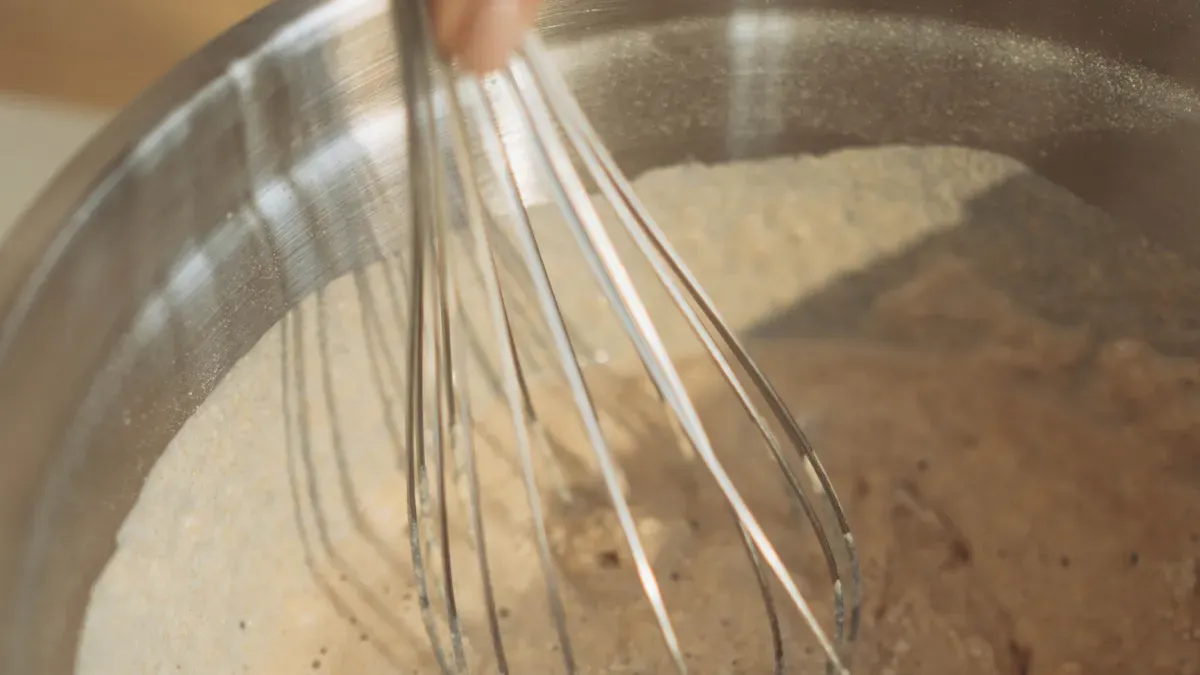
You have many ways to thicken your food at home. Some methods are quick and easy, while others add extra flavor or nutrition. Here are some popular ways you can use:
Stir cornstarch or arrowroot into cold water to make a smooth slurry. Pour this into your hot soup or sauce to thicken it without lumps.
Blend cooked vegetables like potatoes or carrots. Add the puree to soups or stews for a creamy texture and more nutrients.
Mix ground flax seeds or chia seeds with water. Let them sit until they form a gel, then use as a thickener or even as an egg substitute in baking.
Add rice cereal or mashed potatoes to soups for a thicker, heartier feel.
Use Balkan or Greek yogurt to thicken soups. This gives a lighter texture and a tangy flavor.
Try coconut milk for a creamy, dairy-free option.
Soak and puree leftover bread or tortillas to thicken sauces and reduce food waste.
Make a paste from ground nuts or seeds for a rich, earthy taste.
Tip: Always mix starches like cornstarch or arrowroot with cold liquid first. This keeps your sauce smooth and lump-free.
Recipes
You can use these methods in many recipes. For example, add a cornstarch slurry to fruit pie filling for a glossy finish. Stir pureed beans into chili for extra thickness and protein. Use agar-agar to set fruit jelly that holds its shape when cold. Whisk cream cheese or sour cream into hot soups for a rich, creamy result. Try xanthan gum in gluten-free baking to help dough hold together.
Tips
Use reduction by simmering sauces to thicken and boost flavor, but watch closely so it does not burn.
If your dish gets too thick, add a little water or stock to thin it out.
For a clear sauce, pick arrowroot or agar-agar. For a rich, opaque sauce, use flour or mashed potatoes.
Start with a small amount of thickener. You can always add more if needed.
Most natural thickeners keep the real taste of your food. They do not cover up flavors, so your dishes stay delicious.
Note: These thickeners work in both hot and cold recipes. You can make smooth gravies, creamy soups, or even gelled desserts with the right method.
Drawbacks
Limitations
Natural thickeners can make your food better, but they do have some limits. You might notice that some thickeners do not work well in every recipe. For example, cornstarch can break down if you cook it for too long or freeze it. Arrowroot does not mix well with dairy. Gelatin needs time to set and will not work for vegan diets. Some thickeners, like xanthan gum, can make food feel slimy if you use too much.
You may also find that natural thickeners change the taste or color of your food. Pureed beans or vegetables can add flavor you did not expect. Some seeds, like flax or chia, can make your dish look speckled. If you want a clear sauce, you need to pick the right thickener.
Here’s a quick table to help you see some common issues:
Thickener | Possible Issue |
|---|---|
Cornstarch | Breaks down with long cooking |
Arrowroot | Not good with dairy |
Gelatin | Not vegan, needs time to set |
Xanthan Gum | Can get slimy if overused |
Flax/Chia | Adds color and texture |
Note: You may need to try a few options before you find the thickener that works best for your recipe.
Precautions
You want to stay safe when using natural thickeners, especially if you have allergies or sensitivities. Here are some tips to help you:
Always choose reliable brands and read ingredient labels carefully.
Use the recommended amount. Too much can upset your stomach.
Remember that everyone reacts differently. If you feel sick, talk to your doctor.
Mix thickeners with other foods for better nutrition.
Pick thickeners that fit your health needs and allergy history.
Some people may feel bloated or have mild stomach aches after eating certain thickeners. Start with a small amount if you are trying something new. If you have a food allergy, check the source of the thickener. For example, some gums come from legumes, which can cause reactions in people with peanut or soy allergies.
Tip: When in doubt, ask your doctor or a dietitian before adding a new thickener to your meals.
You can enjoy the benefits of natural thickeners by staying aware of these limits and taking a few simple steps to protect your health.
Natural thickeners are good for your food and the earth. They do more than just make soup or sauce thick. Here are some reasons to use them:
They make recipes feel smooth and stable.
They help food stick together and not fall apart.
They keep food moist and help your body use nutrients.
They can save money and are better for the environment.
Try using different thickeners when you cook. Share your best ideas or ask questions below!
FAQ
What is the best natural thickener for gluten-free baking?
You can try xanthan gum or psyllium husk. Both work well in gluten-free recipes. They help dough stick together and give baked goods a better texture.
Can I use natural thickeners in cold recipes?
Yes! Chia seeds, flax seeds, and xanthan gum work in cold dishes. Just mix them in and let them sit. They thicken without heat.
Are natural thickeners safe for kids?
Most natural thickeners are safe for kids. Always start with small amounts. If your child has allergies, check the source. For example, guar gum comes from legumes.
Tip: Ask your doctor if you have concerns about allergies or sensitivities.
Which natural thickener has the least taste?
Here’s a quick table for you:
Thickener | Flavor Impact |
|---|---|
Cornstarch | Very mild |
Arrowroot | Neutral |
Agar-agar | Neutral |
Gelatin | Slightly savory |
Cornstarch and arrowroot are your best bets for no added taste.