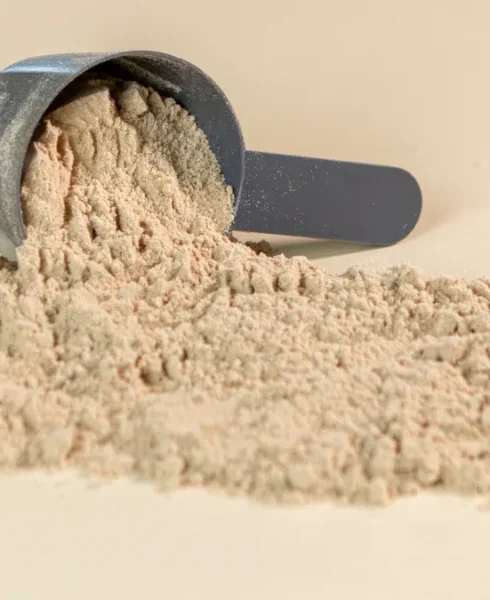

How Non‑Dairy Creamer Is Made starts with blending vegetable oils, sweeteners, and emulsifiers to create a smooth, creamy powder for your drinks. You get a lactose-free, vegan-friendly choice that makes coffee and tea rich and flavorful. Non-dairy creamer is popular around the world. Today, you can see its global market size reaching 3.1 billion USD in 2025 and growing to 5.4 billion USD by 2034.
The annual growth rate is estimated at 6.5%.
Key Takeaways
Non-dairy creamer does not have lactose. It is vegan. It makes drinks like coffee and tea taste creamy.
To make it, people mix vegetable oils, sweeteners, and emulsifiers. Then, they use spray drying to turn it into a smooth powder.
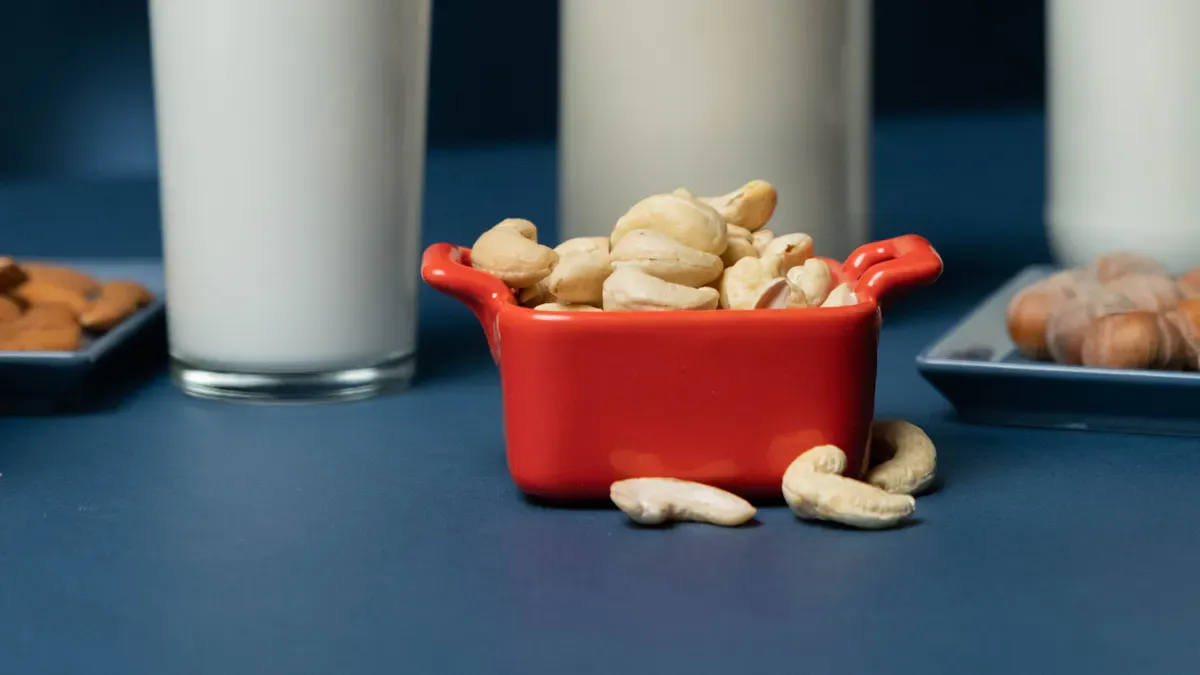
There are many kinds of non-dairy creamers. Some are made from almonds, soy, coconut, or oats. You can also find different flavors and types for special diets.
You can make non-dairy creamer at home. This lets you pick what goes in it. You can choose things that match your taste and diet.
Always look at the ingredient labels. Check for allergens and additives. This helps you pick healthier non-dairy creamers.
What Is Non-Dairy Creamer?
Purpose and Uses
Non-dairy creamer makes drinks creamy without using milk. You can use it in hot or cold drinks. It stops drinks from curdling like milk sometimes does. Every cup tastes the same, whether at home or in a café. Non-dairy creamer does not have lactose, so people who avoid dairy can use it. You can add it to black tea, green tea, oolong tea, or flavored teas.
Here are some main functions of non-dairy creamer in your drinks:
It mixes well in hot and cold drinks and makes them creamy.
It gives the same taste every time.
It is good for people who do not want dairy.
You can use it in many kinds of tea and coffee.
Non-dairy creamer is also in many foods. It is important in cakes, pastries, and cookies. You find it in milk tea, bubble tea, and iced coffee. Instant mixes like hot chocolate and powdered coffee use it too. You can cook with it to make sauces and soups creamy without dairy.
Use Case | Description |
|---|---|
Bakery and Confectionery | Makes cakes, pastries, and cookies creamy without dairy. |
Milk Tea and Cold Beverages | |
Solid Beverage Mixes | Found in instant hot chocolate and powdered coffee blends. |
Cooking and Culinary Uses | Makes sauces, soups, and creamy foods for people who do not eat dairy. |
Types and Variations
There are many kinds of non-dairy creamers. Some are made from almonds, soy, coconut, or oats. You can buy them as powders or liquids. Some have flavors like vanilla or hazelnut. Others do not have any flavor. You can pick low-fat, regular, or sugar-free types.
Product Type | Source | Form | Flavor |
|---|---|---|---|
Regular | Almond | Powder | Unflavored |
Low-Fat | Soy | Liquid | Flavored |
Sugar-Free | Coconut | Powder | Unflavored |
Oats | Liquid | Flavored |
Some creamers have less fat, some have more. Liquid creamers often have flavors and are sweet. Powdered creamers last a long time and are easy to carry. Flavored creamers give extra taste to drinks. With so many choices, you can find one that fits your taste and needs.
Ingredients in Non-Dairy Creamer
Vegetable Oils and Fats
Vegetable oils and fats are the main part of most non-dairy creamers. These ingredients make the creamer creamy and rich. The most common oils are:
Coconut oil
Sunflower oil
These oils help make the creamer smooth like real cream. They also keep the creamer from separating. Choosing coconut oil or MCT oil makes the creamer feel smoother and taste richer. If you pick a creamer with coconut or almond, you may notice a special flavor that goes well with coffee.
Sweeteners and Flavorings
Sweeteners and flavorings help your creamer taste good. Many creamers use sugars or artificial sweeteners. Some popular sweeteners are:
High fructose corn syrup
Cane sugar
Stevia
Agave syrup
You can find many flavors like vanilla, hazelnut, or mocha. Brands use both natural and artificial flavors to make these tastes. More people want natural flavors and clean labels now. You might like creamers with fewer artificial additives because they seem healthier and fit plant-based diets.
Emulsifiers and Casein
Emulsifiers are important in your creamer. They keep oils and water mixed so your drink stays smooth. Sodium caseinate is a milk protein that binds water and fat well. This stops curdling and keeps your coffee creamy. Emulsifiers and casein also make the texture better and the drink more enjoyable.
Additives and Preservatives
Additives and preservatives help your creamer last longer. Common ingredients are:
Corn syrup
Sugars
Artificial flavors
Sodium caseinate
These additives give your creamer a long shelf life. Powdered creamers can last up to six months after their best-by date. Liquid creamers often stay fresh for a month past their best-by date. This makes non-dairy creamers easy to keep in your kitchen.
How Non-Dairy Creamer Is Made
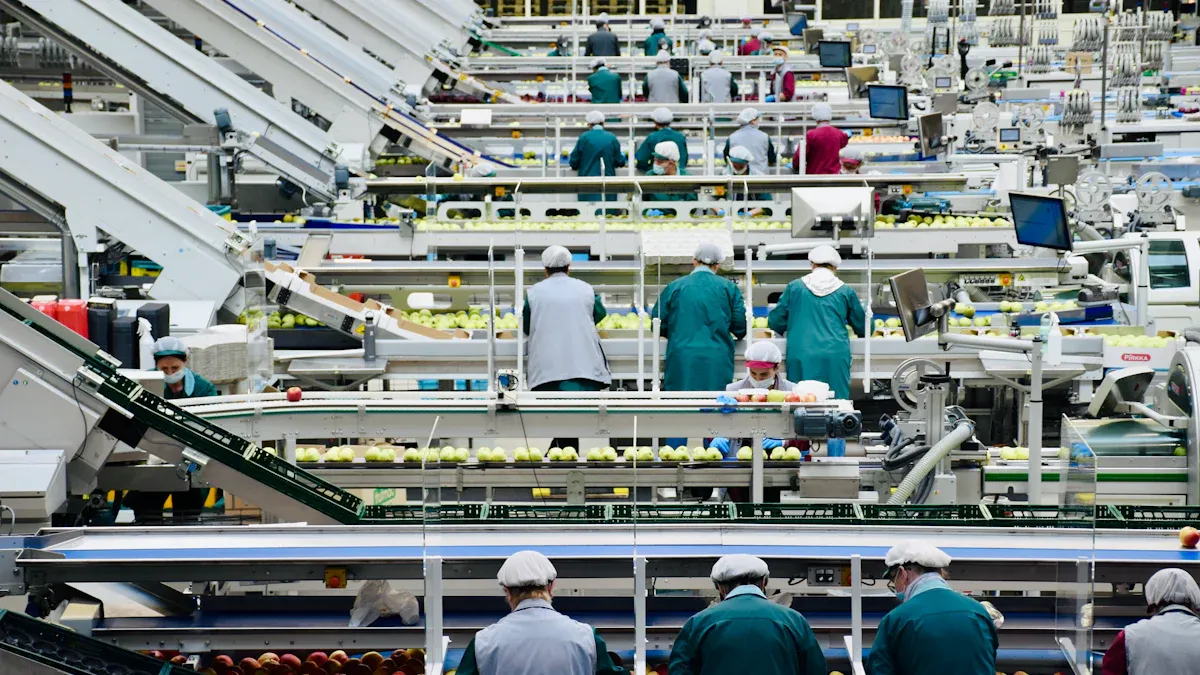
You may wonder how non-dairy creamer gets its smooth feel and lasts so long. The process uses special machines and careful steps. Simple ingredients become the powder you put in your coffee. Let’s look at each stage to see how raw materials turn into the finished product.
Ingredient Blending
The first step is mixing the main ingredients. You start with vegetable oils, sweeteners, proteins like casein, and emulsifiers. Workers measure each ingredient to get the right mix. High-speed mixers blend dry and wet parts together. This makes a mixture that is even and ready for the next steps.
Note: Keeping the water and oil cool is important. The temperature must stay below 55°C. This protects the proteins and keeps the mixture stable.
Proteins like soy or casein are soaked in warm water first. This helps them dissolve and mix better. Emulsifiers such as lecithin help oil and water mix. Oil and water do not mix easily. Stabilizers and flavor agents are added now. The mixture becomes thick and creamy, like milk.
Workers check if the mixture stays together.
Some recipes use egg yolk to help keep it stable.
The right heat and soaking time help proteins mix well.
Emulsification and Homogenization
Next is emulsification and homogenization. This step is very important. High-shear tanks spin fast to break oil into tiny drops. Emulsifiers stop these drops from joining again. This keeps oil and water mixed.
Homogenization comes after. Machines push the mixture through small holes at high pressure. This breaks fat drops into even smaller pieces. The mixture becomes smooth and creamy. It will not separate in your drink.
Homogenization makes the texture smooth.
This step helps creamer dissolve in hot or cold drinks.
Equipment Used | Purpose |
|---|---|
High-shear mixers | Mix ingredients evenly |
Emulsification tanks | Mix oil and water with fast spinning |
Homogenizers | Make fat drops smaller for smooth texture |
Spray Drying Process
Now, the liquid mixture turns into powder. Spray drying is the main method used. The mixture is heated to about 55-65°C. This makes it thinner and easier to spray.
The liquid goes through a fast atomizer. It breaks into tiny drops, like dust. Hot air, between 150-200°C, dries these drops quickly. The powder falls to the bottom of the chamber. Workers collect the powder.
Step | Description |
|---|---|
Feed Preparation & Preheating | Mixture is heated to spray better |
Atomization | Liquid is sprayed into tiny drops |
Hot Air Drying | Drops dry fast in hot air, making powder |
Powder Separation & Collection | Powder is collected and sorted |
Cooling & Packaging | Powder is cooled and packed |
Tip: The spray drying air is very hot, from 180–220°C. The air leaving the chamber is cooler, between 80–100°C. These settings keep the powder dry and easy to pour.
Spray drying is quick and works well. It keeps the flavor and makes the powder last for months.
Packaging and Quality Control
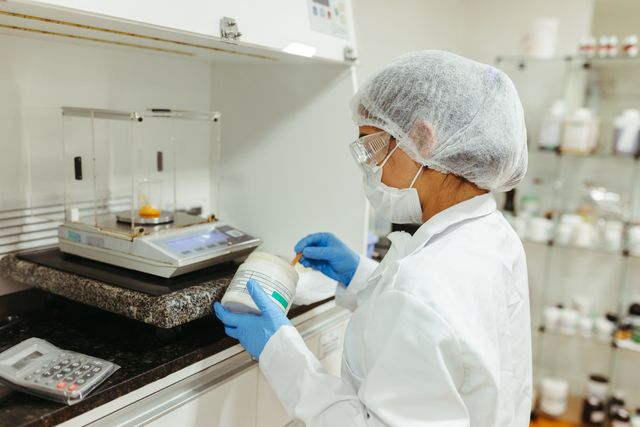
The last step is packaging and checking quality. The powder cools before packing. Machines fill bags, boxes, or packets in a clean room. Sometimes nitrogen is added to keep the powder fresh.
Quality checks happen at every step. Tests make sure the creamer is safe and works in drinks. Workers check moisture, particle size, and fat stability. Microbiological tests make sure it is safe to eat. Application tests check if the powder dissolves in cold water.
Quality Assurance Test | Purpose |
|---|---|
Moisture content testing | Keeps powder dry and stops spoilage |
Particle size distribution | Makes sure powder mixes smoothly |
Free-fat levels testing | Checks fat stability and stops bad taste |
Microbiological safety testing | Makes sure product is safe to eat |
Performance in application tests | Checks if creamer dissolves well in drinks |
Compliance documentation | Checks for non-GMO, allergen, and diet rules |
Remember: Every batch must pass these tests before going to stores. This keeps your creamer safe, tasty, and reliable every time.
Making non-dairy creamer uses science, machines, and strict checks. You get a creamy, easy-to-use, and safe product for your drinks. Now, when you add a spoonful to your coffee, you know the careful steps behind it.
Health and Nutrition
Nutritional Profile
You might wonder what is in non-dairy creamer. Most brands make a lighter choice for your drinks. One tablespoon has about 20 to 35 calories. It gives you 1 to 2 grams of fat. There is 0.5 to 1 gram of saturated fat. Sugar is between 1 and 3 grams. Most non-dairy creamers do not have protein.
Nutrient | Amount per Serving (1 tablespoon) |
|---|---|
Calories | 20–35 |
Total Fat | 1–2 grams |
Saturated Fat | 0.5–1 grams |
Sugar | 1–3 grams |
Protein | 0 grams |
You can look at non-dairy creamers and compare them to dairy creamers. Non-dairy creamers are good for people who cannot have lactose. Dairy creamers have lactose and more protein, calcium, and vitamins. Non-dairy creamers sometimes have fewer calories, but some have extra sugar. Plant-based creamers are better for the environment.
Aspect | Non-Dairy Creamer | Traditional Dairy Creamer |
|---|---|---|
Dietary Restrictions | Lactose-free, suitable for lactose intolerant | Contains lactose, not suitable for lactose intolerant |
Nutritional Content | May be fortified but generally lower in protein | Good source of calcium, protein, vitamins D and B12 |
Caloric Content | Varies widely; some lower, some higher due to added sugars | Generally higher in calories than some non-dairy options |
Taste and Texture | Different taste and texture; subjective preference | Creamy texture, traditional flavor |
Environmental Impact | Lower environmental footprint, plant-based | Higher environmental impact due to dairy production |
Common Health Concerns
It is important to know about health risks with non-dairy creamers. Many brands use hydrogenated oils. These can have trans fats. Trans fats are bad for your heart. They raise bad cholesterol and lower good cholesterol. This can make heart disease more likely. Added sugars can cause weight gain and other problems. Some creamers have carrageenan. Carrageenan can upset your stomach and cause swelling. You might not get enough calcium or vitamin D if you use these creamers a lot.
Health risks to watch for:
Trans fats from hydrogenated oils may harm your heart.
High sugar content can lead to obesity and diabetes.
Carrageenan and other additives may affect gut health.
Lack of calcium and vitamin D can weaken bones.
Some creamers contain artificial flavors and preservatives.
Tip: Always check the ingredient list. Pick creamers with less sugar and fewer additives for better health.
Allergen Information
You should always check for allergens in non-dairy creamers. Some brands use caseinates, which come from milk. These are not safe for people with dairy allergies. Soy and nuts are also common allergens in plant-based creamers. Companies use clear labels and safety rules to help you.
Allergen Type | Description |
|---|---|
Caseinates | Milk-derived proteins that may be present in non-dairy creamers, unsuitable for those with dairy allergies. |
Soy | A common allergen that may be found in some non-dairy creamers. |
Nuts | Another potential allergen that consumers should be aware of. |
Manufacturers work hard to stop cross-contamination. They clean machines, use special lines, and train workers. You should look for warning labels and allergen signs. Always read the label before you buy.
Homemade Non-Dairy Creamer
Simple Recipes
You can make non-dairy creamer at home. This lets you pick the taste and what goes in it. You only need a few things from your kitchen. Here are two easy recipes you can try:
1. Coconut Milk Powder Creamer
1 cup coconut milk powder
2 tablespoons powdered sugar
1 teaspoon vanilla extract
Put all the ingredients in a bowl. Mix them well. Keep the mixture in a sealed container. Use one tablespoon in your coffee or tea.
2. Almond Creamer (Liquid)
1 cup unsweetened almond milk
2 tablespoons maple syrup
1 teaspoon vanilla extract
Pour almond milk into a pot. Heat it slowly. Add maple syrup and vanilla. Stir until mixed. Let it cool down. Store it in the fridge for five days.
Tip: A blender can make the mixture smoother. Homemade creamers do not have preservatives. Use them within one week.
Customization for Dietary Needs
You can change homemade creamers to match your diet. Pick different plant milks or sweeteners. If you want no sugar, use stevia or monk fruit. For nut allergies, choose oat milk or rice milk.
Dietary Need | Ingredient Swap | Result |
|---|---|---|
Vegan | Plant milk, no honey | 100% plant-based |
Sugar-Free | Stevia, monk fruit, erythritol | No added sugars |
Nut-Free | Oat milk, rice milk | Safe for nut allergies |
Keto-Friendly | Coconut milk, MCT oil | Low-carb, high-fat |
You can add flavors like cinnamon, hazelnut, or chocolate. Try cocoa powder or natural extracts. To make it thicker, add coconut oil or blend with soaked cashews.
Note: Always check your ingredients for allergens. Homemade creamers help you skip unwanted additives. You can make the taste just how you like it. Try making small batches until you find your favorite mix.
You now know how non-dairy creamer is made. The process blends oils, sweeteners, and emulsifiers, then uses spray drying to create a smooth powder. When you check ingredients, you make better choices for your health. You can pick store-bought creamers or try homemade recipes.
Remember: Informed choices help you enjoy your drinks and support your well-being every day.
FAQ
What makes non-dairy creamer different from regular milk?
You get a product without lactose or animal ingredients. Non-dairy creamer uses plant oils and sweeteners. Regular milk comes from cows and contains lactose and more protein. Non-dairy creamer works for people who avoid dairy.
Can you use non-dairy creamer in recipes besides coffee?
Yes! You can add non-dairy creamer to soups, sauces, and baked goods. It gives a creamy texture and mild flavor. Try it in mashed potatoes or cake batter for a smooth result.
Does non-dairy creamer need to be refrigerated?
Powdered non-dairy creamer does not need refrigeration. You can store it in a cool, dry place. Liquid non-dairy creamer usually needs to stay in the fridge after opening. Always check the label for storage instructions.
Is non-dairy creamer safe for people with nut allergies?
Some non-dairy creamers use nuts like almonds or coconut. You should read the ingredient list carefully. If you have a nut allergy, choose a nut-free option. Many brands offer soy or oat-based creamers.
How long does non-dairy creamer last after opening?
Powdered creamer can last for months if you keep it sealed and dry. Liquid creamer usually stays fresh for about one to two weeks in the fridge. Always check the expiration date and smell before using.