When you see snacks that are bright yellow, gardenia yellow is often used. This natural color comes from the fruit of Gardenia jasminoides. Food makers add gardenia yellow to make snacks look more fun and colorful. You can find it in candies, jellies, or noodles. It gives these foods a sunny look. Gardenia yellow is special because it comes from plants. It is not a fake dye. Many companies choose gardenia yellow because it is safe and saves money. It also helps them meet clean-label rules. The table below shows why food companies pick gardenia yellow instead of fake colors:
Reason for Choosing Gardenia Yellow | Details |
|---|---|
Meets food coloring standards | |
Consumer preference | Supports natural, clean-label trends |
Sustainability | Comes from a renewable plant source |
Cost-effectiveness | Offers appealing color at lower costs |
Gardenia yellow lets you eat snacks that look nice and match your wish for natural ingredients.
Key Takeaways
Gardenia yellow comes from the fruit of Gardenia jasminoides. It makes snacks look bright and nice.
This color is safe and does not cost much. It fits clean-label rules and brings in people who care about health.
Gardenia yellow can be used in many things. It works in candies, jellies, noodles, and even makeup. It helps these products look better.
Using gardenia yellow helps people live a plant-based life. It may also be good for health because it has antioxidants.
Check labels for gardenia yellow to pick snacks that are natural, safe, and look good.
Gardenia yellow: origin and properties
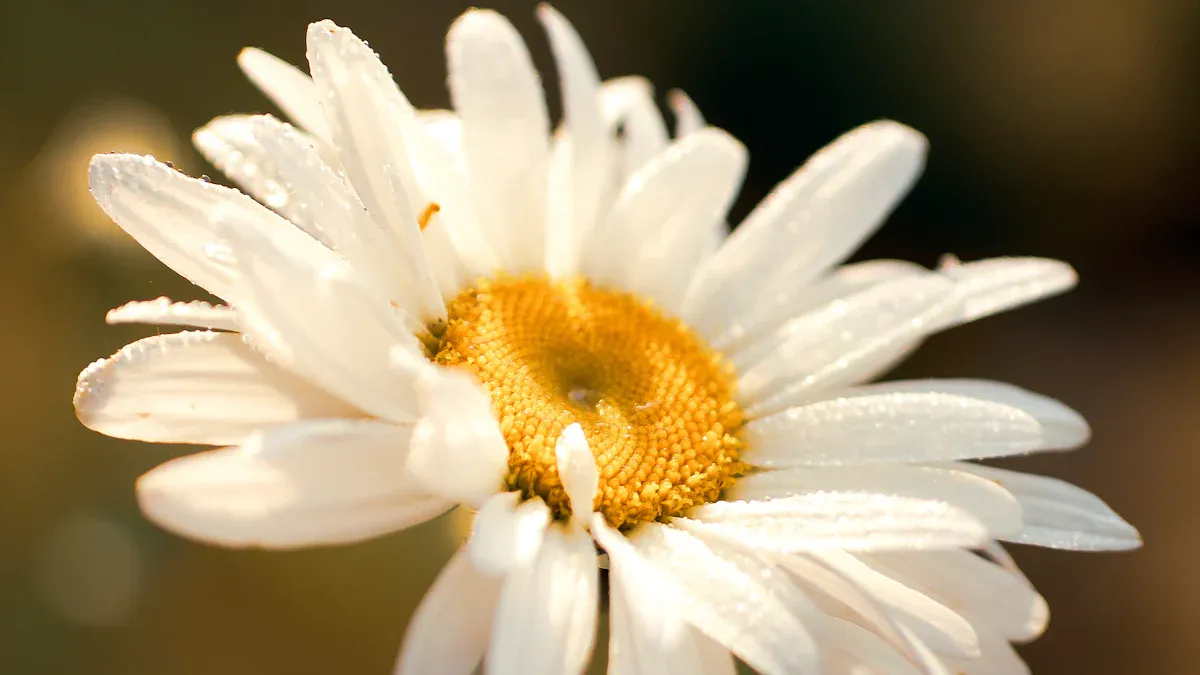
Source from Gardenia jasminoides
Do you know where gardenia yellow comes from? It is made from the fruit of Gardenia jasminoides. People have used this plant for a long time. Gardenia yellow is made by taking color from the fruit. The main color parts are crocetin and crocin. These natural parts make snacks look bright yellow.
Here is what happens to get gardenia yellow:
Farmers pick ripe Gardenia jasminoides fruit.
The fruit is crushed into tiny pieces.
Experts use water or ethanol to pull out the color.
They clean the liquid to get gardenia yellow.
The color dries into powder for easy use.
Modern ways like homogenate extraction help get more color. This works better than old heat methods. You get a strong color from plants that works in many foods.
Gardenia jasminoides can give more than yellow. The fruit has geniposide and crocins. These can make different colors. You can get yellow, red, or blue by changing how you process the fruit or what you mix it with.
Pigment | Hue Range |
|---|---|
Genipin | Pink to red |
Crocin | Pink to red |
Can make red, blue, and yellow shades with different amino acids |
Gardenia yellow is in many plant-based foods. It matches the trend for natural and clean-label snacks. You also see it in vegan treats and other plant-based foods.
Water-soluble colorant
You want a color that mixes well with food. Gardenia yellow can dissolve in water. This means you can mix it with water before using it. The pigment has a special chemical structure. It is a diester of crocetin with gentiobiosyl esters. This helps it blend in drinks, jellies, and sauces.
Property | Value |
|---|---|
Molecular Formula | C44H64O24 |
Molecular Weight | 976.96456 |
Description | Diester of crocetin with gentiobiosyl esters. It is a water-soluble yellow-red pigment used in food coloring and cosmetics. |
To get gardenia yellow ready for snacks, experts do these steps:
Take the color from the fruit with water and enzymes.
Add calcium salt to clear the liquid.
Use spinning and filtering to get pure color.
Stick the color to resin and wash it off.
Dry the color to make powder.
You can use this powder in many foods. Just mix a little in water. Then add it to your recipe. This makes gardenia yellow easy to use in candies, noodles, and drinks.
Gardenia yellow is not only for food. You find it in health products, makeup, and medicine. Here is how different industries use it:
Industry | Application | Benefits |
|---|---|---|
Cosmetics | Used as a natural color in lipstick, eye shadow, and nail polish. | Safe choice instead of fake colors, lowers skin problems. |
Pharmaceuticals | Used in capsules, tablets, and syrups. | Natural choice instead of fake colors, lowers health risks. |
Traditional Medicine | Used for treating infections, liver problems, and swelling. | Helps with digestion and calms anxiety. |
Gardenia yellow is in many plant-based products. This includes supplements, vegan foods, and health drinks. More people want natural colors. They want safe, plant-based choices in snacks and makeup. Gardenia yellow is a true plant color that makes food look bright and nice.
Tip: If you want snacks with natural colors, look for gardenia yellow on the label. You help support plant-based living and get food that looks good.
Color effects in snacks
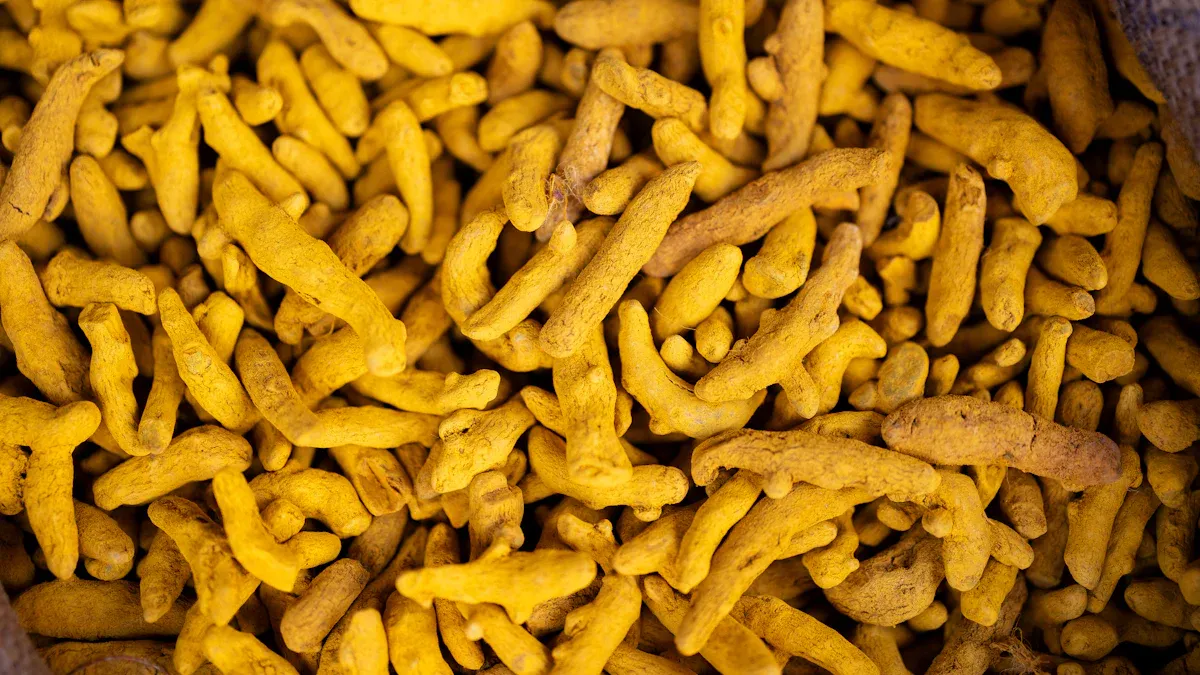
Visual enhancement in candies and jellies
When you pick up a candy or jelly, the color often catches your eye first. Gardenia yellow gives these snacks a bright, cheerful look. You see this color in many sweet treats because it stands out and makes the food look fresh. Gardenia yellow works well in candies and jellies because it dissolves easily in water. This means you get an even color throughout the snack.
Gardenia yellow creates a vibrant yellow shade that looks appealing.
You find it in juices, ice cream, and pastries, not just candies and jellies.
The pigment mixes smoothly into food, so you do not see streaks or spots.
You might notice that snacks with gardenia yellow look more natural than those with artificial dyes. Many people like this because it fits with clean-label trends. If you care about health, you may also appreciate that gardenia yellow contains antioxidants. These can help your body fight off damage from free radicals. Food makers choose gardenia yellow because it holds its color well, even when they cook or process the snacks.
Gardenia yellow supports a clean label, which attracts health-conscious shoppers.
It brings possible health benefits because of its antioxidant content.
The color stays strong during cooking, so your snacks always look bright.
Application in noodles and confectioneries
You also see gardenia yellow in noodles and many types of confectioneries. When you cook noodles, the color does not fade. This is because gardenia yellow contains crocin compounds that keep the yellow or orange hue strong, even with heat. You get noodles that look golden and appetizing every time.
Gardenia yellow has many applications in the snack world. You find it in:
Noodles, where it gives a natural golden yellow color.
Confectioneries, where it creates vibrant and fun effects.
Foods that need to keep their color during boiling or baking.
Food makers like gardenia yellow for these applications because it stays stable and does not lose its brightness. You can enjoy snacks that look good and match your wish for natural ingredients. When you see a bright yellow noodle or a colorful candy, gardenia yellow is often the reason behind that eye-catching look.
Safety and regulations
Approval in China and other regions
In China, gardenia yellow is used in many foods and drinks. The Chinese government says it is okay to use in 22 types of food. You can find it in snacks, sauces, and drinks. This means food makers in China think gardenia yellow is safe. More people want natural colors, and gardenia yellow is a good choice for this.
Experts in China have checked gardenia yellow for a long time. They learned that it works well in foods and drinks. You see it in candies, noodles, and drinks you like. Many companies use gardenia yellow because it is not toxic. It also matches what people want for healthy snacks and drinks.
Other places in Asia let food makers use gardenia yellow too. You can find it in drinks and health products in Japan and South Korea. People in these countries want snacks and drinks that look nice and are good for them.
Note: If you drink a bright yellow drink in China or Japan, it may have gardenia yellow. This color helps companies give you safe, plant-based food and drinks.
Status in the US and EU
If you live in the United States or Europe, you may not see gardenia yellow in your snacks or drinks. The rules for gardenia yellow are not the same as in Asia. In the US, the FDA is still checking gardenia yellow. They want to stop using fake dyes made from oil. The European Union has not made a rule for gardenia yellow yet, but they have banned some fake dyes.
Region | Regulatory Status |
|---|---|
United States | Under review as part of FDA’s initiative to phase out petroleum-based synthetic dyes. |
European Union | Specific status of gardenia yellow not detailed; certain synthetic dyes are already banned. |
You might wonder why gardenia yellow is not allowed everywhere. Food safety groups in the US and EU want to make sure all food colors are safe. They look at science before saying yes. People want more natural colors, but the rules need more proof that gardenia yellow is safe.
Health considerations and consumer safety
When you pick snacks or drinks with gardenia yellow, you may think about health. Gardenia yellow comes from Gardenia fructus and can be good or bad for you. Some studies say it can help your liver and kidneys. This means it might be good for your body. But if you eat too much, it can hurt you. The main problem is liver and kidney damage. This is because of something in gardenia yellow called genipin. Genipin can stress your cells and harm your organs if you eat a lot.
Scientists tested gardenia yellow on animals to see if it is safe. One study showed gardenia yellow is not toxic if you eat normal amounts. Rats did not get sick or die after eating a lot of it. Another study checked if gardenia yellow can hurt your genes. Most tests said no, but one test showed some DNA damage. Scientists say we need more research, but the risk is small.
Study Title | Findings | Conclusion |
|---|---|---|
Acute and Subchronic Oral Toxicity Study of Gardenia Yellow E500 in Sprague-Dawley Rats | Gardenia yellow has a high LD50 value (>5000 mg/kg), indicating low acute toxicity. No treatment-related mortality at doses up to 15.0 g/kg. | Gardenia yellow is regarded as virtually non-toxic for human consumption. |
Genotoxicity of gardenia yellow and its components | Gardenia yellow and its components were negative in the Ames test, but gardenia yellow induced DNA damage in the rec-assay. | Further investigation is needed, but initial results suggest limited genotoxic risk. |
You should always read the label when you buy snacks or drinks. If you see gardenia yellow, you know it was picked for its color and health value. It is also not toxic if you eat normal amounts. More people want safe, natural colors in drinks and snacks. Gardenia yellow helps with this, but you should not eat too much to stay healthy.
Gardenia yellow powder e60 and benefits
Natural vs synthetic colorants
You might ask why gardenia yellow powder e60 is important. This powder is very pure and made for food and medicine. It has crocin, which makes things bright yellow and gives lots of antioxidants. Food makers pick gardenia yellow powder e60 because it follows strict rules worldwide. You can see how different places allow it:
Regulatory Body | Status |
|---|---|
EU Food Safety Authority (EFSA) | |
U.S. Food and Drug Administration (FDA) | Authorized as a safe food additive |
China National Food Safety Standards | Widely used in Chinese food products |
Japan’s Food Additive Standards | Approved for use in various food applications |
Gardenia yellow powder e60 is purer and handles heat better than other types. This makes it great for snacks, drinks, and vegan foods.
Specification | Gardenia Yellow Powder E-60 | Other Grades |
|---|---|---|
Purity | Varies by grade | |
Heat Resistance | Good, stable under various processing conditions | Varies by grade |
Applications | Used in food and pharmaceutical industries | Varies by grade |
Fake colorants may be cheaper, but they can cause health worries. Gardenia yellow powder e60 is a clean-label choice. You get a natural color without fake chemicals. This helps meet the need for clean-label snacks.
Consumer appeal and environmental impact
You see more snacks with gardenia yellow on the label now. Many people want vegan and plant-based foods. Gardenia yellow powder e60 is good for this because it comes from plants and is safe for vegans. The vegan market likes this color because it is clean-label.
More people pick natural colors like gardenia yellow instead of fake ones because they care about safety and health.
This is extra true for snacks for kids and people who care about health.
As people learn more, companies look for natural colors since fake ones are less popular.
The clean-label trend is strong. You want snacks that are safe, natural, and full of antioxidants. Gardenia yellow powder e60 helps you skip fake dyes and live healthier.
Fake dyes like brilliant blue and erythrosine can pollute and may cause cancer or gene problems. Gardenia yellow is safer and better for the planet because it comes from plants.
More companies use gardenia yellow now. They want to help people who care about health and the planet. When you choose snacks with gardenia yellow powder e60, you help yourself and nature.
You notice gardenia yellow in snacks because it makes them look bright and natural. Many stores like gardenia yellow since it comes from plants and keeps its color well. It is safe to use and allowed in places such as Japan and Korea. Here are the top reasons people like it:
100% natural, plant-based origin
Stable color performance in snacks
Safe and non-toxic
Good solubility in foods
Fits clean-label and health-focused products
You can find gardenia yellow on food labels:
Additive Name | Code | Description |
|---|---|---|
Gardenia Yellow | E164 | A food additive used for coloring in snacks |
Gardenia yellow will probably show up in more foods as people want more natural colors. You should check for gardenia yellow in your snacks and see how it helps make food safe and nice to look at.
FAQ
What is gardenia yellow made from?
Gardenia yellow comes from the fruit of Gardenia jasminoides. You get this color by extracting natural pigments like crocin and crocetin from the plant.
Is gardenia yellow safe for you to eat?
You can eat gardenia yellow in normal amounts. Experts say it is safe for most people. If you eat too much, you may risk liver or kidney problems.
Where can you find gardenia yellow in foods?
You see gardenia yellow in candies, jellies, noodles, and drinks. Many Asian snacks use this color. You may also find it in vegan and plant-based products.
Why do food makers choose gardenia yellow instead of synthetic dyes?
Food makers pick gardenia yellow because it is natural, safe, and fits clean-label trends. You get bright color without artificial chemicals.