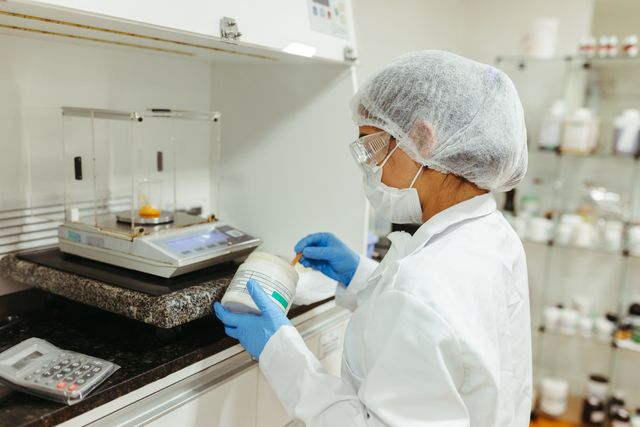
You might see LACTEM(E472b) in many foods you eat. LACTEM(E472b) is a food additive that acts as an emulsifier, helping to mix ingredients like oil and water. It improves texture, keeps food from separating, and adds air to bread and cakes. There are more than 300 substances, including LACTEM(E472b), used as food additives in the EU. Knowing what is in your food, such as LACTEM(E472b), helps you make better choices.
More than 300 food additives, including LACTEM(E472b), are allowed in the European Union.
Key Takeaways
LACTEM (E472b) is a food additive. It works as an emulsifier. It helps oil and water mix in foods.
This ingredient makes baked goods better. It helps them stay soft and fresh.
Food safety groups like EFSA and FDA say LACTEM (E472b) is safe to eat.
Check food labels for LACTEM (E472b). This helps you make smart choices about what you eat.
Knowing about food additives like LACTEM (E472b) helps you pick healthier and tastier foods.
LACTEM(E472b)Definition
LACTEM(E472b) is a food additive found in many processed foods. Food safety groups say it is made from lactic acid esters of mono- and diglycerides of fatty acids. People use this ingredient because it works as an emulsifier. Emulsifiers help oil and water mix together. Oil and water do not mix by themselves. LACTEM(E472b) is made by a process called esterification. In this process, makers mix glycerol, lactic acid, and fatty acids. This mix helps foods stay blended and stable.
Chemical Structure
LACTEM(E472b) is a mix of special molecules. These molecules come from vegetable oils. The main parts are lactic acid esters of mono- and diglycerides. There are also small amounts of free glycerol, free glycerides, and free fatty acids. This structure helps LACTEM(E472b) work well as an emulsifier. It keeps food smooth and stops ingredients from splitting apart.
Here is a table that shows the main chemical specifications of LACTEM(E472b):
Specification | Value |
|---|---|
Color | Off white to light yellow |
Acid Value | Max. 6 mgKOH/g |
Saponification Value | 220-280 mgKOH/g |
Lactic Acid Content | 20-25 % |
Melting Point | Approx. 50°C |
Total Fatty Acid Ester | Min 90% |
Tip: The high amount of fatty acid esters in LACTEM(E472b) helps keep food mixtures stable.
Physical Properties
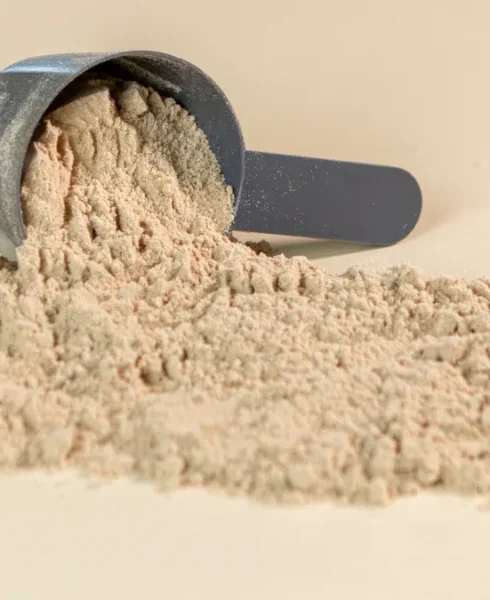
LACTEM(E472b) looks like a white powder or sometimes flakes. It does not dissolve in cold water. You can spread it in hot water. It dissolves well in oils and hot grease. These features make it useful in many foods.
Property | Description |
|---|---|
Appearance | White powder or flake solid |
Solubility | Easily soluble in oils and hot grease; insoluble in cold water; can be dispersed in hot water |
LACTEM(E472b) is used in foods to help mix things that would not blend. Food additives like this one make foods look and feel better. Emulsifiers, including LACTEM(E472b), lower surface tension in foods. They stop oil and water from coming together. This keeps foods stable and fresh for longer.
LACTEM(E472b) is a food additive made from vegetable oils.
It has lactic acid esters of mono- and diglycerides.
There are also small amounts of free glycerol, free glycerides, and free fatty acids.
Food additives like LACTEM(E472b) help foods have better texture and last longer. These ingredients are very important in food science.
Glossary of Food Additives
Knowing about food additives helps you pick good foods. This glossary tells you what some words mean when you learn about LACTEM(E472b) and other food additives.
Emulsifier
An emulsifier is a food additive that mixes oil and water. You see emulsifiers in foods that need to be smooth. Salad dressing and ice cream use emulsifiers to stay creamy. These food additives keep things from separating. Emulsifiers help food taste better and feel nice. LACTEM(E472b) is one kind of emulsifier in foods. Food additives like emulsifiers help foods look and feel good.
Mono- and Diglycerides
Mono- and diglycerides are food additives found in many foods. They work as emulsifiers. Here is what you should know:
Mono- and diglycerides are called emulsifiers in food science.
They mix ingredients and keep them together.
These compounds lower stickiness and control crystals.
You find them in baby formula, salad dressings, and chocolate.
Mono- and diglycerides help food additives work well. They keep your food fresh and tasty.
Lactic Acid Esters
Lactic acid esters are another kind of food additive. You see them in lots of processed foods. Here are some facts:
Lactic acid esters are made by mixing lactic acid and alcohol.
Food makers use them to add flavor and as emulsifiers.
Some types are ethyl lactate, butyl lactate, and methyl lactate.
More people use these food additives because processed foods are common and rules help keep food safe.
Lactic acid esters help food additives make food taste and feel better. You get these benefits in many foods.
Food Additive Codes
Food additive codes help you know what is in your food. These codes make it easy to check ingredients. Here is a table to help you:
Term | Description |
|---|---|
A system that gives food additives numbers so labels are clear and safe in every country. | |
Codex Alimentarius | The group that sets the INS rules. |
Publication History | The INS list started in 1989 and changed in 2008 and 2011. |
You see codes like E472b on food packages. These codes help you learn about food additives. Food additives have codes so you can check if they are safe and what they do.
Tip: When you read food labels, look for food additive codes. You can use these codes to learn more about the food additives in your favorite foods.
Function in Food Emulsions

Mechanism
You find food emulsions in things like mayonnaise and ice cream. These foods mix oil and water, but oil and water do not mix by themselves. Special ingredients help keep them together. Emulsifiers and stabilizers do this job. LACTEM(E472b) is one of these important emulsifiers.
When you put LACTEM(E472b) in food emulsions, it does a few things:
It lowers the surface tension between oil and water.
It helps oil and water blend, so the mixture is smooth.
It keeps the emulsion stable, so food does not split apart.
You see this in whipped cream and margarine. LACTEM(E472b) makes the mixture creamy and steady. You get better texture and food lasts longer. Stable emulsions matter in every bite.
Note: Emulsifiers like LACTEM(E472b) are needed to keep food emulsions smooth and even.
Texture and Stability
Texture and emulsion stability are important for tasty foods. LACTEM(E472b) helps foods feel and look right. You notice this in artificial butter, whipped cream, cookies, and puffed snacks.
LACTEM(E472b) helps oil and water stay mixed.
It stops crystals from forming, so foods stay soft and creamy.
It helps with whipping and foaming, so foods are light and airy.
In low-fat sponge cakes, it makes more bubbles and keeps them steady, so the cake is softer.
In cookies and snacks, it helps fats mix, making them crunchy and full of holes.
In meat products, it helps keep water inside, so bites are juicy and tender.
You get better emulsion stability and food lasts longer. Foods stay fresh and taste good for more days. Stabilizers and emulsifiers like LACTEM(E472b) make this happen.
Product Type | Texture Benefit | Emulsion Stability Effect |
|---|---|---|
Whipped Cream | Creamy, airy | No separation |
Sponge Cake | Soft, moist | Stable bubbles |
Cookies | Crunchy, porous | Even fat distribution |
Meat Products | Juicy, tender | No oil-water separation |
Tip: If you want foods to stay fresh and taste good, look for ingredients that help emulsion stability.
Aeration and Water Retention
Aeration and water retention help baked goods and meats taste better. LACTEM(E472b) is important for these things. You get bread with small air holes and cakes that stay moist.
LACTEM(E472b) makes even air bubbles in dough, so bread rises well.
It helps hold water by grabbing water molecules, so bread stays soft and fresh.
You see better aeration when mixing and fermenting, so the crumb is even.
Holding moisture stops baked goods from drying fast, so they last longer.
In meat products, it keeps water inside, so slices are juicy and the emulsion stays stable.
You notice the difference in every bite. Foods stay soft, moist, and fresh. Emulsion stability and aeration make your favorite foods better.
Callout: Aeration and water retention are important for good food emulsions. LACTEM(E472b) helps you enjoy bread, cakes, and meats that taste great and stay fresh.
Uses in Food Products

Baked Goods
You find food additives in many baked goods. Bread, cakes, and biscuits often have LACTEM(E472b). This ingredient helps bread and cakes stay soft and fluffy. Food additives make the texture better and keep baked goods fresh. Your bread rises higher and feels lighter. Cakes and biscuits stay moist and do not fall apart. LACTEM(E472b) makes dough stronger and helps it hold more air. You get baked goods that taste good and last longer.
Bread
Cakes
Biscuits
Food additives make dough tough and able to hold gas. This gives you bigger loaves and softer bites. They also help baked goods keep their shape and texture.
Creams and Pastries
You see food additives in creams and pastries at stores. These foods need to be light, creamy, and stable. LACTEM(E472b) helps mousse, whipped cream, and pastries look and taste great. Food additives help fat spread evenly and cream keep its shape. You get desserts that are fluffy and moist.
Function | Description |
|---|---|
Aeration | Helps make mousse rich and stable in foods with lots of oil. |
Fat Distribution | Makes sure fat spreads evenly in baked goods. |
Helps keep moisture in, making foods soft and stable. |
Food additives add more air, so pastries puff up and look nice. Your cream stays smooth and does not split. Food additives help keep treats from drying out.
Tip: Food additives in creams and pastries help desserts stay soft, stable, and tasty.
Meat Products
You eat sausages, deli meats, and meat spreads. Food additives are important in these foods. LACTEM(E472b) helps mix water and oil for a smooth texture. Food additives make meat slices juicy and tender. Your sausage does not fall apart and stays fresh longer.
Role | Description |
|---|---|
Emulsification | Helps mix water and oil, making meat smooth and even. |
Texture Improvement | Stops breakage and makes processed meats hold together better. |
Enhancing Shelf Life | Makes meat last longer by stopping germs and fat from going bad. |
Food additives help meat products last longer and taste better. You get a better bite and enjoy your favorite meats with less spoilage.
Safety
Assessments
You might wonder if food additives like LACTEM (E472b) are safe. Scientists and food safety experts have checked this ingredient. They use a process called safety evaluation. This process looks for any harm from eating food additives. Two big groups, EFSA and FDA, studied LACTEM (E472b). They checked how your body uses it and if it causes problems.
Here is what these groups found:
Organization | Findings |
|---|---|
EFSA | Concluded no safety concerns for mono- and di-glycerides as food additives; no numerical acceptable daily intake (ADI) needed. |
FDA | Recognized as safe (GRAS) for use as emulsifiers and other functions in food, with no limitations other than good manufacturing practices. |
Both groups agree that LACTEM (E472b) is safe. They did not find any risks for people who eat foods with this ingredient.
Note: Food safety experts follow strict rules during safety checks. They want to keep you healthy.
Regulations
You see food additives like LACTEM (E472b) in many countries. Food safety laws control how much can be used. In the United States, the FDA says LACTEM (E472b) is safe if you follow good manufacturing rules. In Europe, EFSA also allows this ingredient in food. Food safety rules help make sure your food is safe.
Food additives must pass a safety check before going into your food. Governments look at new studies and update rules to keep you safe. You can trust that food safety laws protect you from harm.
Consumption Guidelines
You may wonder how much LACTEM (E472b) you can eat. Experts say you do not need to worry if you eat a normal diet. There is no set limit for this ingredient because food safety groups found no risks. You should always eat a balanced diet and read food labels. If you have allergies or special health needs, talk to your doctor about food additives.
🛡️ Tip: Food safety depends on following rules and eating many kinds of foods. You can feel sure about the safety of food additives like LACTEM (E472b) when you follow these tips.
You find LACTEM(E472b) in lots of foods. It helps mix things together and makes dough stronger. LACTEM keeps food smooth and stops it from splitting. Food scientists use LACTEM to make bread and snacks taste better. It also helps dairy products last longer. Experts check LACTEM to make sure it is safe. They make rules so you can trust it.
Function | Description |
|---|---|
Makes bread bigger and crumb softer | |
Emulsion Stabilizer | Keeps creams and whipped foods smooth |
Texture Improvement | Makes baked goods soft and keeps their shape |
If you look at food labels, you can pick good foods with LACTEM(E472b).
FAQ
What is LACTEM(E472b) made from?
You find LACTEM(E472b) in foods. Manufacturers make it from vegetable oils, lactic acid, and glycerol. This mix helps food stay smooth and fresh.
Is LACTEM(E472b) safe for you to eat?
You can eat LACTEM(E472b) safely. Food safety groups like EFSA and FDA check it. They say you do not need to worry when you eat normal amounts.
Why do you see LACTEM(E472b) in bread and cakes?
You see LACTEM(E472b) in bread and cakes because it helps dough rise and keeps baked goods soft. It also makes bread last longer.
Does LACTEM(E472b) change the taste of food?
You do not taste LACTEM(E472b) in your food. It works behind the scenes to improve texture and keep foods fresh. The flavor stays the same.
How can you spot LACTEM(E472b) on food labels?
You can spot LACTEM(E472b) by looking for its code, E472b, on ingredient lists. You may also see “lactic acid esters of mono- and diglycerides.”