You often see SODIUM STEAROYL LACTYLATEESTERS-E 481 on food labels. This food additive helps make dough better and mixes things together. You find it in foods that need to feel smooth, look bigger, and last longer. Companies use SODIUM STEAROYL LACTYLATEESTERS-E 481 for many reasons:
Function | Description |
|---|---|
Helps mix things like oil and water that do not blend. This makes the food feel smoother. | |
Dough Strengthening | Makes dough stronger and stretchier. This helps bread hold air and have a better texture. |
Texture Improvement | Makes foods like desserts and sauces feel smooth and creamy. |
Stabilization | Keeps food from breaking apart or separating as time goes by. |
Extended Shelf Life | Helps food stay fresh and keeps its texture for a longer time. |
You see more brands picking SODIUM STEAROYL LACTYLATEESTERS-E 481 because it comes from natural sources and looks better on labels.
Key Takeaways
Sodium Stearoyl Lactylate E481 helps oil and water mix. It makes foods smoother and stops them from separating. This additive makes dough stronger. Baked goods can rise higher and stay soft longer. E481 helps bread and baked foods last longer. It keeps them fresh and tasty for more days. It is safe to eat and the FDA says it is okay. It works for vegan, vegetarian, halal, and kosher diets. You can check food labels to find E481 in many foods. It is in bread, cakes, sauces, and snacks.
Sodium Stearoyl Lactylateesters-E 481 Overview
Chemical Properties
Sodium stearoyl lactylateesters-e 481 is a food additive. It has a special chemical structure. You see it called sodium stearoyl lactylate on labels. Its molecular formula is C24H45NaO6. Here is a table with its chemical details:
Compound Name | Molecular Formula |
|---|---|
Sodium Stearoyl Lactylate (E481) | C24H45NaO6 |
This additive looks like a white or ivory-white powder. It feels waxy when you touch it. It does not dissolve in cold water. It mixes well in hot water. It also dissolves in ethanol and hot oils. Its melting point is 49 °C (120 °F). It stays solid at room temperature. This is why food makers use it in many products.
Property | Value |
|---|---|
Melting Point | 49 °C (120 °F; 322 K) |
Solubility in Water | Does not dissolve in water. Mixes in hot water. Poor solubility when cold. |
Solubility in Organic Solvents | Dissolves in ethanol, hot oils, and fats. |
Tip: You can find sodium stearoyl lactylateesters-e 481 in foods that need to be smooth and stable.
How It’s Made
Sodium stearoyl lactylateesters-e 481 is made in a few steps. First, stearic acid and lactic acid are mixed together. The temperature is controlled during mixing. Then, sodium hydroxide is added to the mixture. This step helps make sodium stearoyl lactylate. The final product is ready for food factories.
Step | Description |
|---|---|
Mixture | Mix stearic acid and lactic acid with water at a set temperature. |
Neutralization | Add sodium hydroxide to start the neutralization. |
Esterification | Stearic acid and lactic acid react to form stearoyl lactylic acid. |
Sodium stearoyl lactylateesters-e 481 is a useful food additive. The way it is made and its special features help many foods. It gives better texture, longer shelf life, and higher quality.
Functions of Sodium Stearoyl Lactylate in Food
Emulsification
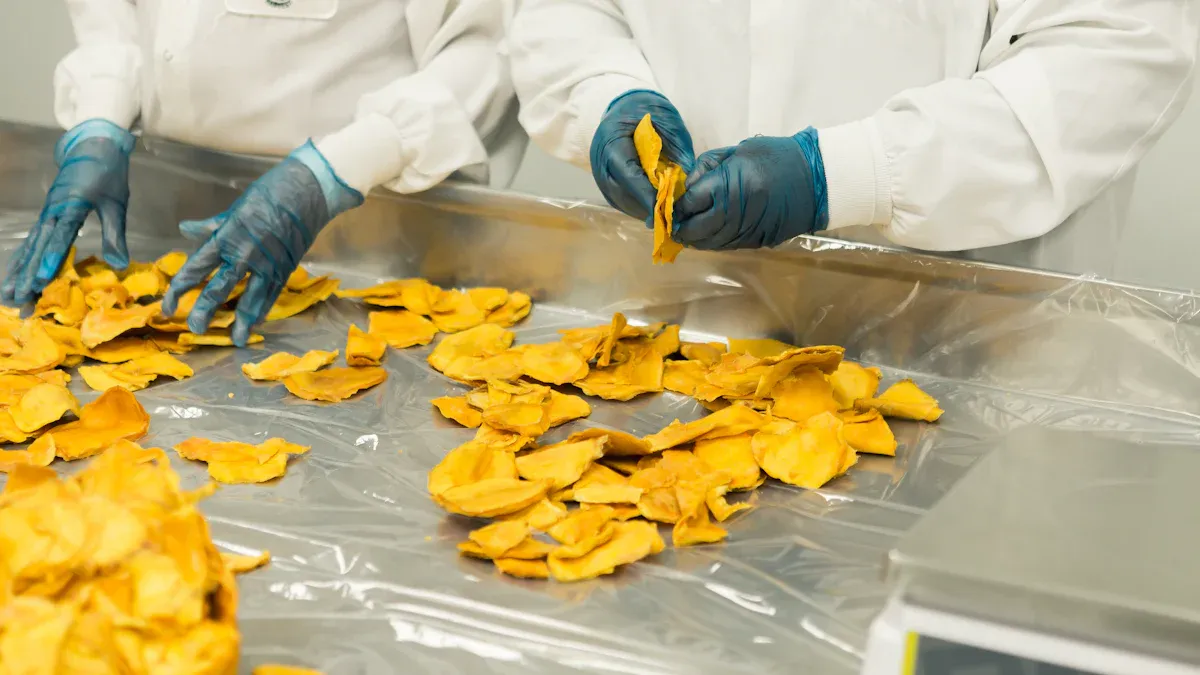
Sodium stearoyl lactylate helps mix oil and water. Oil and water do not blend by themselves. When you add this ingredient, foods feel smoother. Baked goods and dairy products have a better texture. Sauces and dressings stay mixed for longer. This stabilizer stops ingredients from separating.
Mixes oil and water for even texture in baked goods.
Makes foods smoother and nicer to eat.
Keeps mixtures stable, so taste and look stay the same.
Helps food last longer by stopping separation.
Tip: Sodium stearoyl lactylate helps foods look and taste the same every time.
Texture and Volume
Sodium stearoyl lactylate makes dough stronger and stretchier. It helps dough hold air and rise higher. This ingredient works with starch and protein. Bread feels softer and looks bigger. Desserts and sauces become creamier and smoother.
Dough gets stronger and holds air better.
Desserts and sauces turn smooth and creamy.
You can add sodium stearoyl lactylate easily to dough.
Baked goods rise higher and look nicer.
Property | Benefit |
|---|---|
Dough Strength | Dough is stronger and more stretchy |
Texture | Foods feel smooth and creamy |
Volume | Baked goods rise higher and look better |
Note: Sodium stearoyl lactylate helps you bake and cook with steady results.
Shelf Life
Sodium stearoyl lactylate helps bread and baked goods stay fresh longer. It slows down aging and staling. This ingredient works with starch and protein. Bread stays soft for more days. Baked goods keep their volume and quality.
Bread ages slower, so shelf life is longer.
Dough gets stronger and stays elastic.
Bakery items stay soft for more time.
Slows staling, so bread stays fresh.
Shelf Life Impact | Description |
|---|---|
Freshness Extension | Bread and cakes stay soft and fresh longer |
Stability | Dough stays stretchy and easy to use |
Quality Improvement | Baked goods keep their texture and volume |
If you want bakery foods to last longer and taste good, sodium stearoyl lactylate helps you do that.
E481 in Foods
Baked Goods
You find e481 in lots of baked goods. It helps bread, rolls, cakes, and muffins stay soft. Bakers use e481 to keep bread tender for more days. It also makes each slice have better texture and volume.
Most bread you buy has e481 in it. Look at the table to see how often it is used:
Type of Bread | Samples Containing E481 | Total Samples |
|---|---|---|
Gluten-Containing Bread | 14 | |
Gluten-Free Bread | 1 | 11 |
Almost all gluten-containing bread uses e481. Gluten-free bread uses it less, but it still helps. Bakers add e481 to dough so it rises higher and keeps its shape. Cakes and muffins also have e481. It helps them last longer and keeps the crumb moist.
See the table below for how e481 helps baked goods:
Baked Goods Type | Benefits |
|---|---|
Bread and Rolls | Better texture and volume |
Cakes and Muffins | Longer shelf life |
Gluten-free Products | Improved quality |
E481 works in many foods. Bakers use it to make products taste better and last longer.
Other Processed Foods
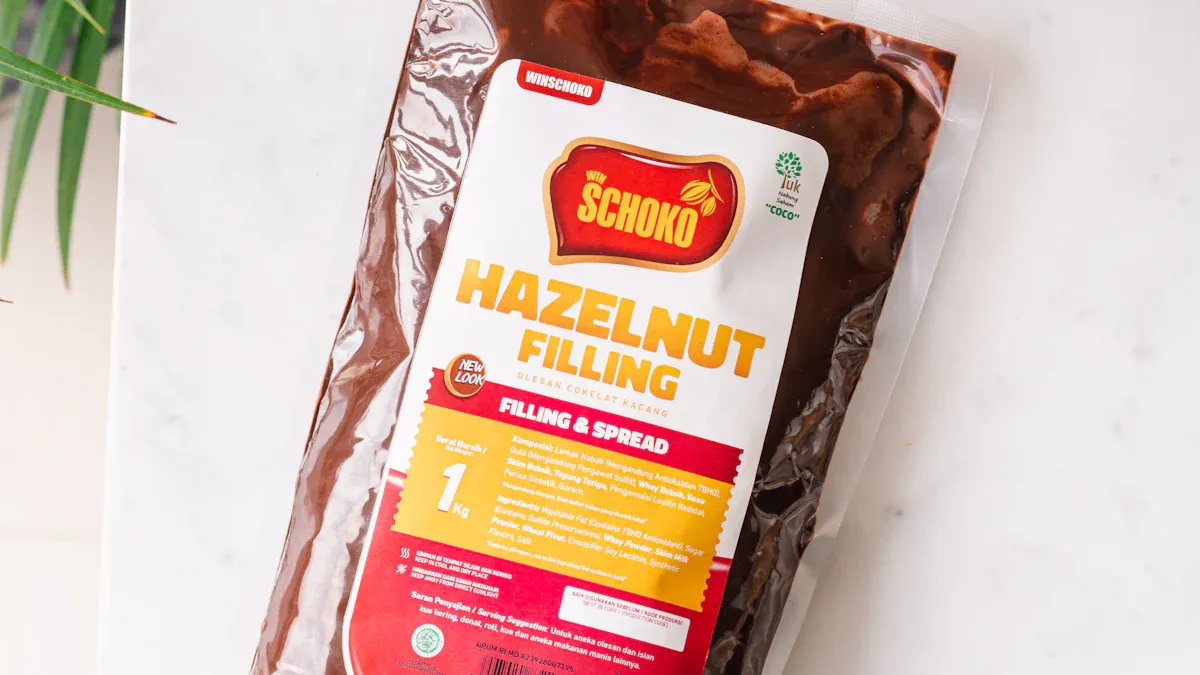
E481 is in more than just baked goods. Food makers use it in dry mixes, meats, and dairy. It helps foods have better texture, stay stable, and last longer.
Here are some foods that use e481:
Dry mixes
Processed meats
Dairy products
You also find e481 in puddings, icings, fillings, toppings, sauces, gravies, and snack dips. The table shows how much e481 is in different foods:
Product Type | Concentration |
|---|---|
Baked products, pancakes, waffles | |
Icings, fillings, puddings, toppings | 0.2% |
Beverage coffee substitutes | 0.3% |
Dehydrated potatoes | 0.5% |
Snack dips | 0.2% |
Cheese substitutes and imitations | 0.2% |
Sauces or gravies | 0.25% |
Cream liqueur drinks | 0.5% |

Tip: Check ingredient labels to see if e481 is in your food.
Food makers use e481 because it helps food stay fresh and taste good. You get these benefits in bread, desserts, dips, and more.
Food Additive Safety and Dietary Info
Safety and Regulations
You might ask if sodium stearoyl lactylate is safe to eat. The FDA says it is okay to use in many foods. It helps mix, stabilize, and improve texture in things like cream liqueur drinks. The FDA checked it and found it works well and is safe. Food companies must follow strict rules when they use it.
Here are some facts about its safety:
The FDA says sodium stearoyl lactylate is safe and not toxic.
It is safe for food and people eat only a little of it.
Your body can break it down and use it without problems.
Evidence Type | Details |
|---|---|
Acceptable Daily Intake (ADI) | 20 mg for each kg you weigh per day (JECFA, 1974; SCF, 1978) |
Toxicity Studies | It is not very toxic; studies show no harm at 5% in food |
Genotoxicity | No worries about SSL and CSL or what they turn into |
Note: Most people do not have trouble with sodium stearoyl lactylate. Rarely, some people get a skin rash from it. If you touch the powder, your skin or eyes might get a little irritated. Breathing in the powder can bother your nose or throat.
Dietary Considerations
You may wonder if sodium stearoyl lactylate fits your diet. It can come from plants, so vegans and vegetarians can eat it. It is made from stearic acid and lactic acid, but not from milk. If you do not eat animal foods, you can still use products with this ingredient.
If you eat only halal or kosher foods, you can have sodium stearoyl lactylate. It does not have pork or forbidden things. It is certified halal and kosher. You can even eat it during Passover if you keep kosher.
Good for vegan and vegetarian diets
Halal and kosher certified
No animal or milk ingredients
If you have allergies or sensitive skin, you should know sodium stearoyl lactylate might cause mild irritation. Most people do not react, but check labels if you worry. You will see this ingredient in many foods, especially bread and cakes. It helps dough rise and stay soft, so your food tastes better and lasts longer.
You find sodium stearoyl lactylate (E481) in lots of foods. This additive helps bread stay soft and fresh. It also makes dough stronger and gives food a better feel. Look at the table to see what it does:
Benefit | Description |
|---|---|
Slows down starch crystallization, keeps bread soft longer | |
Increasing bread body | Makes dough stronger and helps it rise higher |
Boosting water absorption | Improves yield without making dough sticky |
Strengthening dough | Increases stability and elasticity for better quality |
Many sweets, drinks, and quick meals have additives like E481. You can check labels to know what is in your food. When you shop, remember E481 helps food taste good and last longer.
FAQ
What foods most often contain sodium stearoyl lactylate (E481)?
You find E481 in bread, rolls, cakes, muffins, and some processed foods. It also appears in dry mixes, puddings, sauces, and snack dips. Always check the ingredient list if you want to know for sure.
Is sodium stearoyl lactylate safe for you to eat?
Yes, you can safely eat foods with E481. The FDA and other food safety groups approve it. Most people do not have any problems with it. Rare reactions may include mild skin or eye irritation.
Can you eat sodium stearoyl lactylate if you are vegan or vegetarian?
You can eat E481 if you follow a vegan or vegetarian diet. Most companies use plant-based sources. If you want to be sure, look for vegan or vegetarian labels on the package.
Does sodium stearoyl lactylate change the taste of food?
E481 does not add flavor. It helps foods feel softer and last longer. You will not taste it, but you may notice bread or cakes stay fresh and soft for more days.
Tip: If you have food allergies, always read labels to stay safe.