Sodium caseinate is made from casein, a milk protein. It is the sodium salt form of casein. To make it, companies treat casein with sodium hydroxide. Sodium caseinate helps mix ingredients that do not blend well. It also keeps food stable and improves texture. It adds protein to food too. Most processed foods do not have sodium caseinate. A study in Brazil found only 0.4% of foods had it as an additive. The use of sodium caseinate is growing worldwide. It is used more in dairy foods, supplements, and baked goods.
People with milk allergies should read food labels carefully. Sodium caseinate comes from casein, which is a milk protein. This additive is helpful for people who want more protein or better food texture.
Key Takeaways
Sodium caseinate is a protein from milk. It helps mix food ingredients. It keeps food stable. It makes food texture better. It adds protein to foods. It is used in dairy, meat, baked goods, and supplements. To make it, milk protein casein is treated with sodium hydroxide. This makes it dissolve in water. People with milk allergies should not eat sodium caseinate. Most people with lactose intolerance can eat it safely. Sodium caseinate makes foods creamier. It helps foods stay fresh longer. It adds nutrition and helps muscles stay healthy.
Sodium Caseinate Overview
What Is Sodium Caseinate
Sodium caseinate is an additive that comes from milk. It is made from casein protein. Food makers use sodium caseinate to change how casein works. Casein does not mix with water in its natural form. In milk, casein forms tiny groups called micelles. When casein is mixed with sodium hydroxide, it turns into sodium caseinate. This new form can mix with water. That makes it easier to use in foods.
Sodium caseinate has a different chemical structure than casein. Casein has an isoelectric point of 4.6. At milk’s pH, which is about 6.6, casein has a negative charge. In its natural state, casein does not dissolve in water or salt solutions. When it becomes sodium caseinate, it can mix with water. This helps it blend with other food ingredients. Studies show sodium caseinate has different structures than casein. This change helps it keep food stable and mixed.
Sodium caseinate is popular in the food industry. It works as an emulsifier, stabilizer, and protein fortifier. It helps mix things like oil and water. It also makes food feel better in your mouth. Not many additives can do as much as sodium caseinate. That is why food makers like to use it.
Note: Sodium caseinate has about 90% protein. It is a good source of nutrition in many foods.
How It’s Made
Making sodium caseinate takes several steps. The first step is to get acid casein curd. This is done by adding acid to skim milk. The acid lowers the pH to about 4.0. This makes the casein separate from the milk. The curd is washed with cold water many times. This removes lactose, whey proteins, amino acids, and salts. Washing makes the casein more pure.
Next, sodium hydroxide is added to the curd. This changes the casein into sodium caseinate. The acid is neutralized and a sodium salt is formed. The pH is set to about 6 to 7. Usually, 1.7 to 2.2% sodium hydroxide is used for the solid casein. After this, the solution is heated. The thickness and pH are checked before drying. The thick solution has about 20% dry matter. It is dried to make sodium caseinate powder.
Here are the main steps in making sodium caseinate:
Make acid casein curd by adding acid to skim milk.
Wash the curd with cold water to clean it.
Add sodium hydroxide to turn casein into sodium caseinate and set the pH.
Heat the solution.
Check thickness and pH before drying.
Dry the solution to get sodium caseinate powder.
Fresh acid casein is better than dried casein for this process. It gives better quality and costs less.
The world market for sodium caseinate is growing. More food makers want ingredients with lots of protein. The chart below shows how the market is expected to grow from 2024 to 2034:

Sodium caseinate is now a key additive in the food industry. Its special features help make food better, more stable, and more nutritious. As people want more protein-rich foods, sodium caseinate use keeps growing.
Sodium Caseinate Uses

Sodium caseinate is used in many foods. This additive comes from dairy. It helps make food healthier and better. It improves texture and keeps food stable. It works as an emulsifier, stabilizer, thickener, and protein fortifier. Food makers use sodium caseinate to make products taste and look good.
Dairy and Non-Dairy Foods
Sodium caseinate is important in dairy and non-dairy foods. In milk and cheese, it makes texture and nutrition better. Cheese makers use it to help cheese melt and stretch. It helps cheddar, soft, and processed cheeses. In milk drinks, sodium caseinate makes them taste better and feel smoother.
Non-dairy foods also use sodium caseinate. Coffee creamers need it to look white and smooth. It keeps oil drops mixed so creamers stay creamy. This helps plant-based creamers and desserts too. Sodium caseinate keeps mixtures stable when heat or acid changes.
Sodium caseinate stops ice cream from shrinking. It keeps lactose from forming crystals. It thickens whipped toppings, margarine, and chocolate. This makes them smoother and thicker.
The table below shows how sodium caseinate helps different foods:
Food Product | Function of Sodium Caseinate |
|---|---|
Cheese | Makes texture and melting better |
Milk beverages | Improves taste and smoothness |
Coffee creamers | Whitens and keeps texture smooth |
Ice cream | Stops shrinking, thickens texture |
Whipped toppings | Thickens and keeps stable |
Plant-based creamers | Mixes, whitens, and thickens |
Meat and Processed Foods
Sodium caseinate is used in meat and processed foods. It helps stick meat pieces together. This makes sausages and meatballs juicier and look better. Food makers like sodium caseinate because it comes from milk. It works in many pH levels.
In processed meats, sodium caseinate thickens and keeps fat spread out. This keeps food moist and nice. Bakeries use sodium caseinate to make dough stronger and last longer.
Sausages and meatballs: Makes them stick and taste better
Meat emulsions: Thickens and keeps stable
Bakery items: Makes dough strong and fresh longer
Sodium caseinate is important for making processed foods healthier and tastier.
Nutrition Supplements
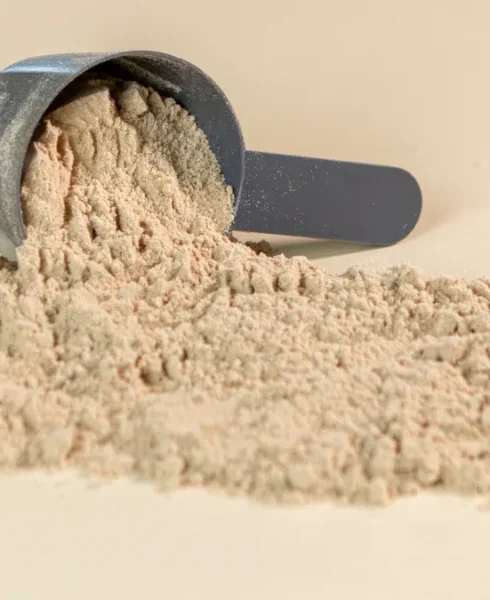
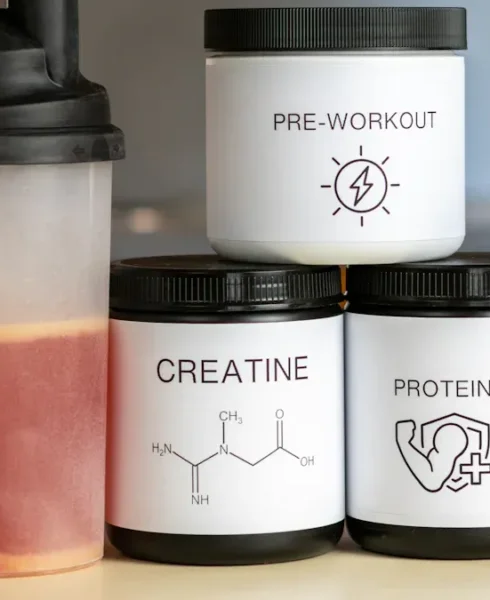
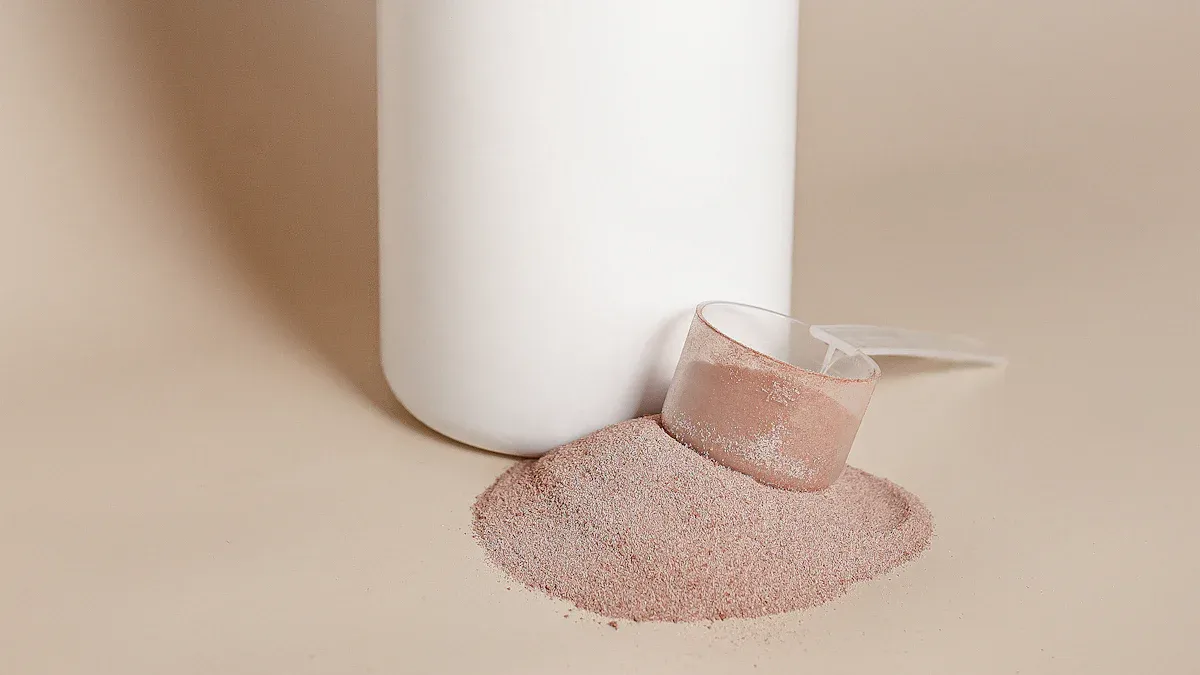
Nutrition supplements use sodium caseinate for protein. It digests slowly and has all amino acids. This helps muscles grow and heal. It is mixed with other proteins like whey or pea protein.
Sodium caseinate makes protein powders creamy and smooth. It thickens and improves taste. Supplements for athletes, older people, and special diets use sodium caseinate for more nutrition. It has calcium and amino acids for muscle and energy.
Protein powders: Makes them smooth and healthy
Meal replacements: Gives slow protein to keep you full
Medical foods: Helps muscles heal and gives balanced nutrition
People want high-protein and healthy foods. This makes sodium caseinate popular in supplements and wellness products.
Functional Benefits
Emulsifying and Stabilizing
Sodium caseinate helps mix oil and water in foods. Oil and water do not mix by themselves. Scientists say the amount of protein changes how well it works. Its shape lets it make strong mixtures.
Sodium caseinate dissolves fast in water and mixes with fats.
It keeps working even when heated at neutral pH.
The molecule has parts that like water and parts that like fat. This helps it keep food mixed and balanced.
Smaller pieces and more β-casein make mixtures more stable.
Sodium caseinate makes smaller oil drops than other emulsifiers. These drops have a thick cover that keeps air out and food fresh. It can also stop damage from free radicals and metals. This makes sodium caseinate a good choice for safe and stable food.
Texture and Mouthfeel
How food feels and tastes is important. Sodium caseinate makes both better. In drinks and snacks, it gives a creamy feel and smooth taste. Studies show it dries your mouth less than calcium caseinate. It works well in nutrition drinks because it feels and tastes good.
Sodium caseinate keeps coffee creamers and other foods creamy. It works best when pH is between 5.5 and 7. If pH goes below 5, it may clump, but some ingredients can fix this. Using it a lot can dry your mouth, but not as much as other proteins. This makes sodium caseinate helpful for foods where taste and feel matter.
Protein Source
Sodium caseinate gives high-quality protein to many foods. It digests slowly and gives amino acids over time. This helps your body build and fix muscles. The table below shows how sodium caseinate compares to other proteins:
Aspect | Sodium Caseinate (Casein) | Whey Protein |
|---|---|---|
Digestion Speed | Fast, quick spike | |
Muscle Support | Long-lasting | Short-term |
Nitrogen Retention | High, less loss | Lower, more loss |
Essential Amino Acids | High content | Present |
Functional Properties | Stable, low lactose, emulsifies | Not specified |
Sodium caseinate makes food more nutritious. It has all the amino acids your body needs. Many nutrition supplements use it to give lasting benefits and better nutrition.
Dietary and Allergen Info
Milk Allergies and Lactose Intolerance
Sodium caseinate is made from milk. People with milk allergies can react to it. Studies in mice show it can cause allergies. Both regular and cross-linked types may do this. Cross-linked types might be a little safer. But regular sodium caseinate can still cause problems. Some companies use enzymes to break it into smaller parts. This can make it much less likely to cause allergies. It may be safer for people with milk allergies. But most sodium caseinate in food is not broken down this way. So, people with milk allergies should not eat it.
Lactose intolerance is not the same as a milk allergy. Sodium caseinate has very little lactose. The way it is made removes almost all the lactose. People with lactose intolerance might be able to eat foods with sodium caseinate. But they should always check the label. They should ask a doctor if they are not sure.
The FDA says all foods with sodium caseinate must say “milk” on the label. Look for words like “casein (milk)” or “Contains milk.”
Vegan, Vegetarian, Gluten-Free
Sodium caseinate is not vegan. It comes from milk, which is from animals. Most vegan diets do not allow it. Vegetarians might eat sodium caseinate. It does not have meat, fish, or poultry. The Vegetarian Resource Group says it is vegetarian but not vegan.
Sodium caseinate is made from milk, so it is not vegan.
It is okay for vegetarians who eat dairy foods.
Vegan diets do not allow any animal foods, even milk proteins.
Sodium caseinate does not have gluten by itself. Gluten comes from grains like wheat, barley, and rye. But it can get gluten if made in a factory with those grains. People with celiac disease or gluten problems should look for “gluten-free” on the label.
Safety Considerations
Food safety groups, like the FDA, say sodium caseinate is safe for most people. It is called GRAS, which means it is safe in food and cosmetics. Healthy people do not usually have problems with it. The main risk is for people with milk allergies. It can cause allergic reactions in them. No skin or breathing problems have been found from using it in cosmetics or by breathing it in.
The FDA and other groups say sodium caseinate must have clear allergen labels.
The Environmental Working Group says it is low risk for safety.
People with milk allergies should not eat foods with sodium caseinate.
Always read food labels and talk to your doctor if you have allergies or special diets.
Sodium caseinate helps make food feel and look better. It keeps food stable and adds nutrition. It works as an emulsifier and stabilizer. This means it helps mix things together. It also helps keep food fresh. Many people get protein and moisture from it. But people with milk allergies need to be careful. They should always check food labels. Sometimes, sodium caseinate has other names on labels. This can be confusing. If you are not sure, ask a doctor for help. That is the safest thing to do.
FAQ
What is the main purpose of sodium caseinate in food?
Sodium caseinate helps mix things that do not blend. It keeps food stable and makes it feel better. Many companies use it to add protein and improve taste.
Can people with lactose intolerance eat products with sodium caseinate?
Most people with lactose intolerance can eat it. The process takes out almost all the lactose. They should read labels and talk to a doctor if they are not sure.
Is sodium caseinate safe for children?
Experts say it is safe for most kids. It gives protein and helps food feel better. Kids with milk allergies should not eat it.
Does sodium caseinate change the taste of food?
Sodium caseinate does not have a strong taste. It mixes well with other things. It makes food creamy and smooth without changing the flavor much.
Is sodium caseinate used in non-dairy foods?
Yes, some non-dairy foods use sodium caseinate. Coffee creamers and desserts use it. It helps keep mixtures creamy and stable.