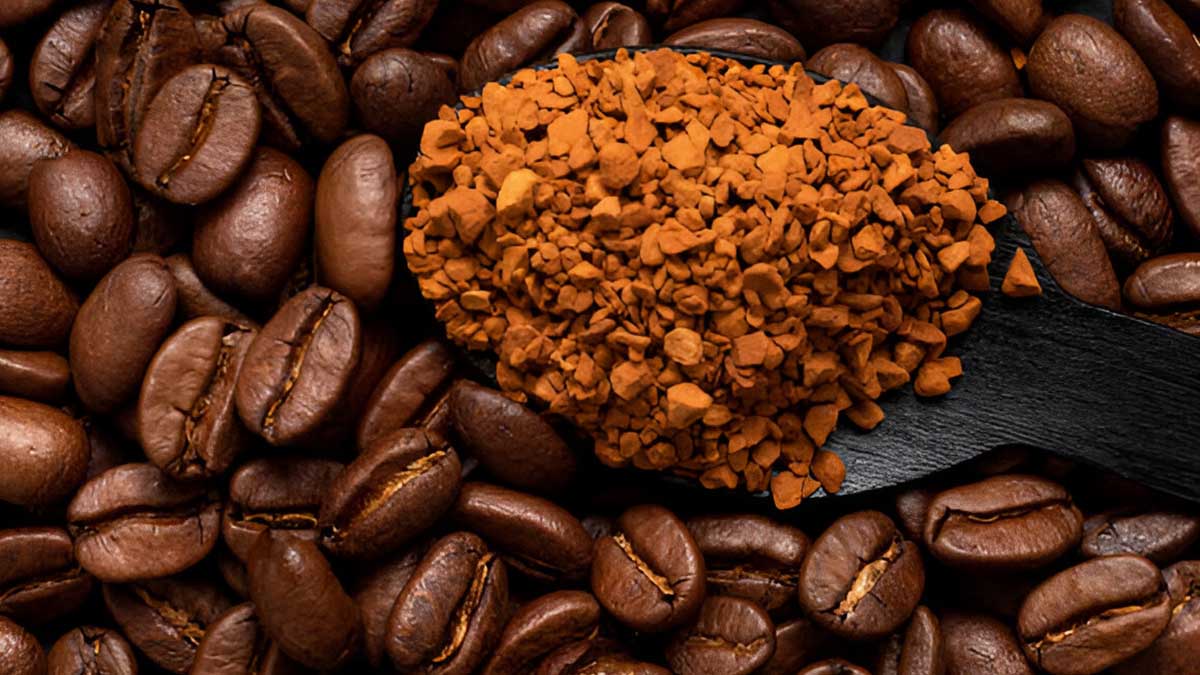
You make instant coffee by roasting and grinding coffee beans, then extracting, concentrating, drying, and packaging the coffee. When you look at how to make instant coffee, you see a process that creates a product enjoyed in homes worldwide. In fact, instant coffee makes up over 34% of all retail brewed coffee globally and 73% of coffee made at home. The market keeps growing, as shown below:
|
Year |
Market Size (USD Billion) |
|---|---|
|
2024 |
|
|
2032 |
42.13 |
Key Takeaways
-
Instant coffee is made by roasting, grinding, extracting, concentrating, drying, and packaging coffee beans. Most companies use Robusta beans because they taste strong and cost less. Roasting changes how the coffee tastes and smells. Grinding size changes how much flavor comes out when brewing. Extraction uses hot water and pressure to get the best flavors. This stops the coffee from tasting bitter. Time and temperature help balance the taste. Drying can be done by spray drying or freeze drying. Spray drying is quick and cheap. Freeze drying keeps more smell and flavor but costs more. Agglomeration and good packaging help instant coffee dissolve better. They also keep it fresh and make it last longer. This gives you a quick and tasty cup every time.
How to Make Instant Coffee
Bean Selection & Roasting
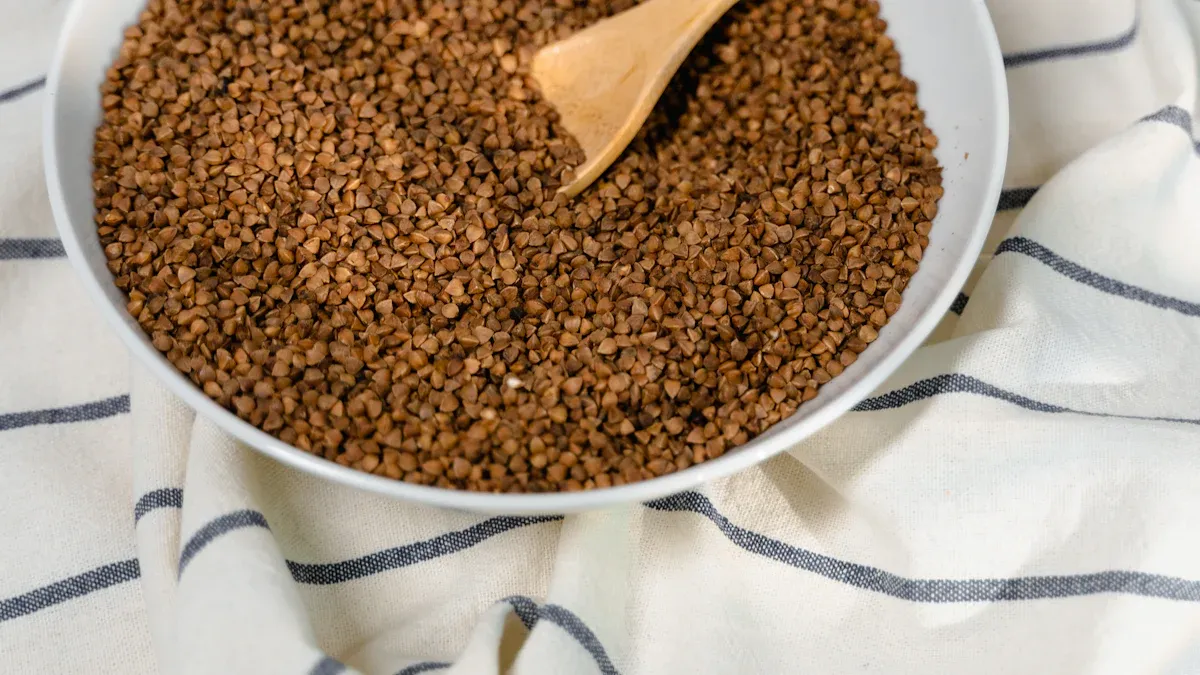
When you start learning how to make instant coffee, you first choose the right coffee beans. Most instant coffee uses Robusta beans. These beans have a strong, bitter taste and more caffeine than Arabica beans. Robusta beans grow well at lower altitudes and cost less to produce. This makes them a good choice for large-scale instant coffee production. Arabica beans taste smoother and have fruity or floral notes. You find Arabica beans more often in specialty or premium coffees, not in most instant coffee.
After you select the beans, you roast them. Roasting brings out the flavor and aroma in the beans. You control the roasting time and temperature to get the right balance of taste and color. If you roast the beans for a short time, you get a lighter flavor. A longer roast gives a deeper, stronger taste. Roasting also helps remove moisture from the beans, which is important for the next steps.
Tip: The roasting process is key to the final flavor of your instant coffee. Even small changes in roasting can change the taste a lot.
Grinding
Once you roast the beans, you grind them into small pieces. Grinding is a crucial step in how to make instant coffee. When you grind the beans, you increase their surface area. This helps water extract the flavors and soluble compounds more quickly. Finer grinding makes extraction faster and more efficient. However, if you grind the beans too fine, the powder can stick together and slow down the process. Coarser grinding makes filtration easier but does not extract as much flavor.
Most factories use a medium grind, with an average particle size of about 1.5 mm. This size gives you a good balance between fast extraction and easy processing. The way you grind the beans affects how much flavor you get out of them during the next step.
Extraction
Extraction is the step where you use hot water to pull the flavors and soluble solids out of the ground coffee. In how to make instant coffee, you need to control both temperature and pressure. Modern systems use temperatures between 150°C and 195°C and keep the coffee under pressure for about 20 minutes. This method helps you get the most flavor without burning the coffee or creating unwanted tastes.
You can see the typical extraction conditions in the table below:
|
Extraction Step |
Temperature Range |
Pressure Condition |
Purpose/Notes |
|---|---|---|---|
|
Hot Cells |
140°C to 180°C (284-356°F) |
Above atmospheric pressure |
Extracts tough components like carbohydrates |
|
Cold Cells |
About 100°C (212°F) |
Atmospheric pressure |
Extracts more delicate, flavorful elements |
During extraction, you usually dissolve about 19% to 23% of the coffee grounds into the liquid. This range gives you a good balance of flavor. If you extract too much, the coffee tastes bitter and harsh. If you extract too little, it tastes weak or sour. The goal is to get the best flavors while leaving behind the unwanted compounds.
Note: About 30% of a coffee bean’s dry weight can dissolve in water, but not all of it tastes good. You want to extract just the right amount for a smooth, balanced cup.
Concentration & Aroma
Concentrating Extract
After you take out the coffee flavors, you need to make the liquid stronger. This is called concentration. The coffee extract starts with about 5% solids. To make instant coffee, you raise this to about 32–35% solids. Making it stronger saves energy and time when drying. It also helps keep more flavor and quality in the coffee.
There are different ways to concentrate the coffee extract. Here are the main steps:
-
First, you brew or extract coffee to get a liquid concentrate.
-
Next, you filter the liquid to take out any leftover grounds.
-
Then, you use special machines to make the extract thicker. Suspension freeze concentration is a common way. It increases the solids step by step.
-
For spray drying, you spray the thick coffee into a hot chamber. The water goes away fast, leaving dry coffee powder.
-
For freeze drying, you freeze the thick coffee and dry it under vacuum. The water changes from ice to vapor. This helps keep the flavor.
Tip: If you make the extract stronger before drying, you use less energy and get better taste.
Aroma Recovery
Aroma is a very important part of coffee. You want your instant coffee to smell fresh. Some aroma can be lost during making, so you need special steps to keep it.
You save aroma by controlling how you dry the coffee. With spray drying, you turn the thick coffee into tiny drops. You dry them fast in hot air. This helps keep a lot of the aroma. Freeze drying is different. You freeze the coffee and dry it at low temperatures under vacuum. This gentle way keeps even more aroma and flavor.
Some factories use extra ways to boost aroma. They add tiny bits with roasted coffee oil to the instant coffee. These small pieces give off more aroma when you add hot water. This makes your coffee smell richer and more inviting.
Note: Aroma recovery helps instant coffee taste and smell more like fresh coffee. This gives you a better cup every time.
Drying Methods
Spray Drying
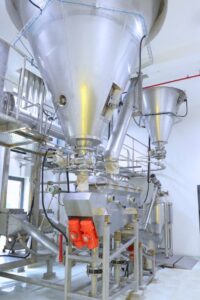
Spray drying is the main way to make instant coffee powder. This method is used to make a lot of coffee quickly and cheaply. More than 60% of instant coffee is made this way. In spray drying, you spray thick coffee into a chamber with hot air. The air is very hot, from 100°C to 200°C. The small drops of coffee dry almost right away. They turn into powder in just a few seconds. This method is fast and can make a lot at once.
|
Aspect |
Typical Value / Description |
|---|---|
|
Process Temperature |
100–200°C (hot air) |
|
Drying Time |
Seconds |
|
Particle Size |
200–3000 micrometers |
|
Moisture Content |
The powder from spray drying has tiny pieces. Some are smaller than 50 micrometers. Small pieces can stick together and do not mix well in water. To fix this, factories use agglomeration. This step makes the pieces bigger and easier to dissolve.
⚡ Tip: Spray drying is quick and saves money, but it uses lots of energy. The high heat can also make some coffee aroma and flavor go away.
Spray drying needs a lot of heat to dry the coffee. This makes it cost more and can hurt the environment. Factories try to save energy to lower costs and help the planet.
Freeze Drying
Freeze drying, or lyophilization, makes higher quality instant coffee. This method keeps more of the coffee’s real taste and smell. Freeze drying is slower and costs more than spray drying, but the coffee is better. First, you freeze the thick coffee at very cold temperatures, below -30°C. Sometimes it is as cold as -40°C or -50°C. The frozen coffee goes into a vacuum chamber. Here, the ice turns straight into vapor. This is called sublimation. It removes water gently, so the coffee keeps its taste and smell.
|
Step |
Description |
|---|---|
|
Freezing |
Coffee extract is frozen to -40°C to -50°C |
|
Ice turns to vapor under vacuum, removing most water |
|
|
Secondary Drying |
Remaining water is removed at slightly higher temperature and lower pressure |
|
Final Product |
Porous, highly soluble granules with strong aroma and flavor |
Freeze drying takes much longer than spray drying. It can last from 12 to 48 hours. The coffee granules dissolve fast in water because they have tiny holes. These holes are left by ice crystals during drying.
🧊 Note: Freeze-dried coffee keeps more aroma and flavor. The cold process protects the parts that give coffee its rich taste.
You need to store freeze-dried coffee carefully. The granules soak up water from the air. This can change how they look and taste. Always keep them in sealed containers.
Spray vs. Freeze Drying
You might ask which method is better. Each one has good and bad points. Here is a simple table to compare them:
|
Aspect |
Spray Drying |
Freeze Drying |
|---|---|---|
|
Drying Speed |
Slow (12–48 hours) |
|
|
Process Temperature |
High (100–200°C) |
Low (below -30°C, vacuum) |
|
Product Quality |
Good, but some aroma and flavor lost |
Excellent, preserves aroma and flavor |
|
Cost |
Lower |
Higher |
|
Energy Use |
High (due to heated air) |
High (due to freezing and vacuum) |
|
Market Share |
Over 60% of global instant coffee |
Smaller, premium market |
|
Particle Size |
Fine powder, often needs agglomeration |
Porous granules, dissolve easily |
-
Spray drying is best for making lots of cheap instant coffee. The flavor is mild, but some aroma is lost from the heat. The process is fast and costs less.
-
Freeze drying gives you stronger, better-tasting coffee. More of the original taste and smell stays in the coffee. It takes longer and costs more, so it is used for premium brands.
☕ Did you know? Scientists found freeze drying keeps up to 77% of coffee’s aroma. Spray drying keeps about 57%. That is why freeze-dried coffee tastes and smells more like fresh coffee.
Freeze drying also makes coffee that dissolves faster in water. The tiny holes help it break apart quickly. Spray-dried coffee sometimes needs extra steps to help it mix better.
-
Summary of key points:
-
Spray drying is fast, cheap, and used most, but can lose flavor and aroma.
-
Freeze drying is slower and costs more, but gives better-tasting, more aromatic coffee.
-
Your choice depends on what you want: price and speed, or taste and quality.
-
Final Steps
Agglomeration
After drying, instant coffee is usually a fine powder. This powder can stick together or float on water. It does not dissolve well. Factories fix this problem with agglomeration. They use hot steam on the powder. The steam makes small pieces join and form bigger granules. These granules mix into hot water much faster. You get a smoother drink with less work.
Agglomeration helps in other ways too. It makes the coffee less bitter and removes some bad stuff. The process changes how the coffee feels and looks. The granules become larger and look more even. This makes them easier to scoop and measure.
Here’s what agglomeration does to instant coffee granules:
|
Aspect |
Effect of Agglomeration |
|---|---|
|
Solubility |
Granules have more holes and get wet fast, so they dissolve quickly. |
|
Particle Density & Strength |
Strong granules do not break during shipping or storage. |
|
Particle Size Distribution |
Granules balance creaminess and sweetness, and stop powder from separating. |
|
Appearance (Color) |
Mixing different colored granules makes coffee look richer and nicer. |
|
Physical Integrity |
Granules stay whole, so flavor and looks are safe. |
💡 Tip: Agglomeration changes powder into easy-to-use granules. This gives you a better instant coffee every time.
Packaging
After agglomeration, you need to keep instant coffee fresh. Packaging is very important for keeping flavor and aroma safe. Instant coffee is packed in plastic films, kraft paper, or aluminum foil bags. Each type keeps out water, light, and air that can spoil coffee.
|
Packaging Material |
Composition |
Key Protective Properties |
|---|---|---|
|
Plastic Films |
OPP, PET + LDPE |
Blocks water, light, and is hard to tear. |
|
Kraft Paper Composites |
Paper + PET + LDPE |
Stops water and light, and is better for nature. |
|
Aluminum Foil Composite Films |
PET + ALU + LDPE |
Best at blocking water, light, and damage. |
There are different machines for packing coffee. Stickpack machines fill small sachets fast and neatly. VFFS machines make bigger bags and pouches. Both types keep coffee safe from air and water.
🛡️ Note: Good packaging can keep coffee fresh for up to two years if you store it in a cool place. Even small holes can let in air and ruin the taste.
-
Packaging must stay closed to keep out air and water.
-
Hard containers protect granules but must be sealed tight.
When you open a new pack of instant coffee, you smell and taste the best coffee. This is because of good packaging.
You now know how to make instant coffee from start to finish. The process includes roasting, grinding, brewing, concentrating, drying, and packaging.
-
Roasting
-
Grinding
-
Brewing
-
Concentrating
-
Drying
-
Packaging
Instant coffee stands out because you only need hot water—no special tools or long wait. You get a quick cup at home, work, or on the go. Next time you enjoy a cup, remember the careful steps behind its convenience.
FAQ
What is the main difference between spray-dried and freeze-dried instant coffee?
Spray-dried coffee uses hot air to dry the coffee quickly. Freeze-dried coffee uses cold and vacuum to keep more flavor and aroma. You get a stronger taste with freeze-dried coffee.
Can you make instant coffee from any type of coffee bean?
You can use any coffee bean, but most factories choose Robusta beans. Robusta beans cost less and have more caffeine. Some premium brands use Arabica beans for a smoother taste.
Does instant coffee have the same caffeine as regular coffee?
Instant coffee usually has less caffeine than regular brewed coffee. One cup of instant coffee has about 60–80 mg of caffeine. Regular coffee has about 90–120 mg per cup.
How do you store instant coffee to keep it fresh?
You should keep instant coffee in a sealed container. Store it in a cool, dry place. Avoid heat, light, and moisture. This helps keep the flavor and aroma strong.
Is instant coffee healthy to drink every day?
You can drink instant coffee every day. It has antioxidants and fewer calories than many other drinks. You should watch your caffeine intake if you drink several cups daily.