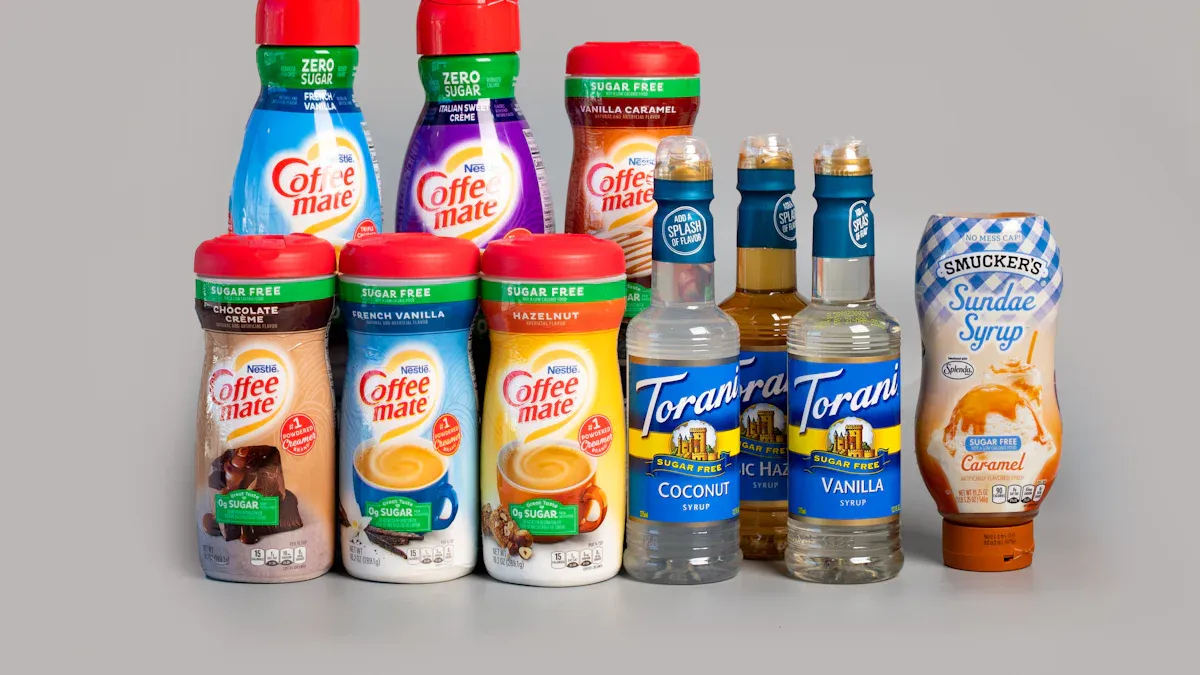
Many people ask if non dairy coffee creamer is healthy. Studies show that non dairy coffee creamer often contains corn syrup solids, vegetable oils, and various additives. These creamers typically lack important nutrients or protein. Some non dairy coffee creamer products include emulsifiers or carrageenan, which researchers suggest may cause stomach problems. Additionally, certain non dairy coffee creamer brands contain titanium dioxide, an ingredient that may lead to inflammation. Non dairy coffee creamer can also have a high amount of added sugar, which can easily exceed healthy daily limits. For those who care about their health, it’s important to check the ingredients in their non dairy coffee creamer before use.
Key Takeaways
Non-dairy coffee creamers often have extra sugar, bad oils, and fake additives. These things can hurt your health. – Always look at the labels. Pick creamers with fewer things in them. Make sure they have no extra sugar or hydrogenated oils. This helps lower health risks. – Plant-based creamers like almond, oat, or soy milk have better fats. They also have some vitamins. These are usually better for you. – Using unsweetened or homemade creamers helps you skip extra sugar and fake stuff. This can help your stomach and help you control your weight. – Drink coffee with creamer only sometimes. This keeps your diet healthy. It also helps your heart and stomach stay healthy.
Are Non-Dairy Coffee Creamers Healthy?
Main Health Concerns
Many people use non dairy coffee creamer every day. They may not think about the health risks. These creamers have many artificial ingredients and additives. Some main health concerns are:
Carrageenan and cellulose gum are artificial thickeners. They can cause inflammation and stomach pain.
Preservatives like BHA and BHT may hurt the reproductive system.
A lot of added sugar can spike blood sugar. It can make you want more sugar and hurt your metabolism.
Sugar-free creamers use artificial sweeteners. These may harm gut bacteria and raise the risk of Type 2 diabetes.
Partially hydrogenated vegetable oils are linked to bad health effects.
Non dairy coffee creamer does not have important nutrients. It does not give you protein, vitamins, or minerals. These are needed for a healthy diet. Many people do not know these creamers add extra calories and sugar. Over time, this can make it hard to eat healthy and keep a balanced lifestyle.
Note: Pick a creamer with fewer additives and less sugar. This can help lower health risks.
Common Misconceptions
Many people think non-dairy coffee creamers are healthy. They also think these creamers are better for the environment than dairy milk. This belief makes people use them more often. Some think switching to non dairy coffee creamer helps them eat healthier or meet special diet needs. But science does not always support these ideas. Research shows people choose creamers based on beliefs and habits. Taste is also a big reason people pick or skip these creamers. Some expect good results from using non dairy coffee creamer. But there is little proof these creamers give health benefits. People should check the ingredients and nutrition facts. This helps them decide if a creamer is right for them.
Ingredients in Non Dairy Coffee Creamer
Oils and Fats
Non-dairy coffee creamers use vegetable oils for a creamy feel. Many brands pick hydrogenated or partially hydrogenated oils. These oils have trans fats. Trans fats can make LDL cholesterol go up. They can make HDL cholesterol go down. This can raise the risk of heart disease. It can also raise the risk of diabetes and stroke. Some creamers use palm oil. Palm oil may cause inflammation. Health experts say plant-based milks are better. Almond, soy, or oat milk are good choices. These milks have healthier fats. They have fewer bad additives. If you want zero sugar creamers, check the label. Oils and fats can still add calories and health risks.
Common oils in non-dairy creamers:
Hydrogenated vegetable oil
Palm oil
Coconut oil
Sweeteners
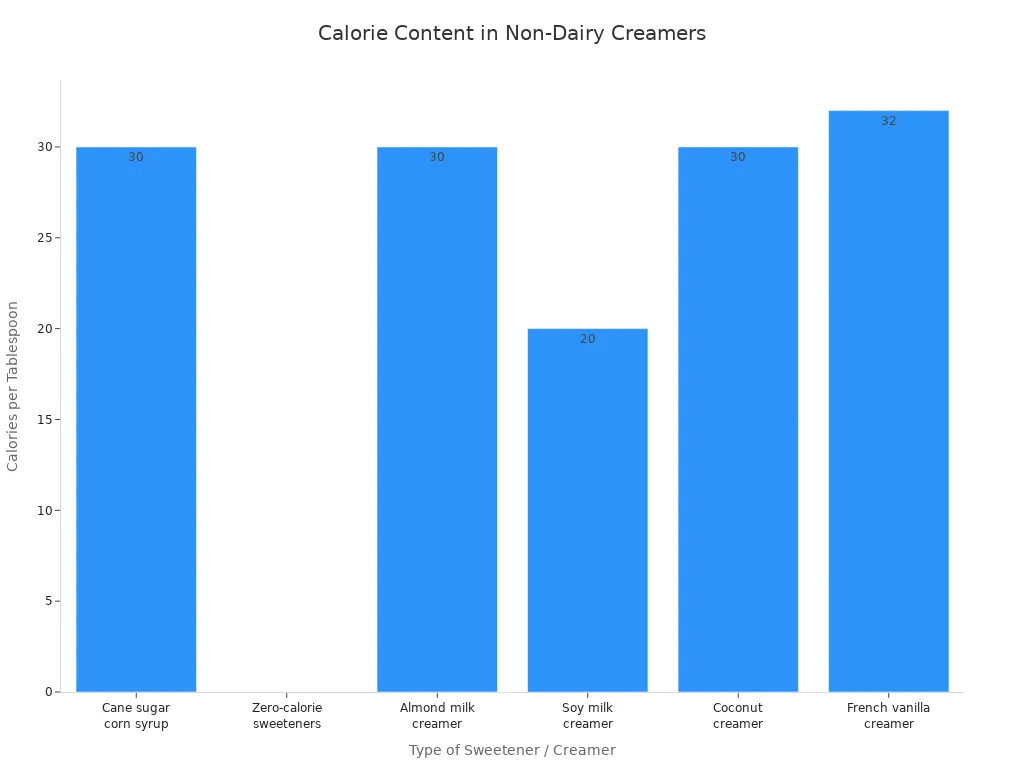
Sweeteners change the taste and calories in creamers. Many creamers use cane sugar or corn syrup solids. These add sugar and calories. Some creamers use zero-calorie sweeteners like stevia. These help people who want no sugar in their drinks. The sweetener type changes the calories per serving. Sweetened creamers have 10 to 50 calories per tablespoon. Zero sugar creamers have fewer calories.
Type of Sweetener / Creamer | Calorie Content (per tablespoon) |
|---|---|
Cane sugar and corn syrup solids | Adds calories (varies, typically 10-50 cal) |
Zero-calorie sweeteners (e.g., stevia) | 0 calories |
Almond milk creamer | ~30 calories |
Soy milk creamer | ~20 calories |
Coconut creamer | ~30 calories |
French vanilla creamer (sweetened) | ~32 calories |
People who want no added sugar should pick zero sugar or unsweetened creamers.
Thickeners and Additives
Non-dairy coffee creamers use thickeners and additives for texture and shelf life. Carrageenan, gellan gum, and guar gum are common thickeners. Carrageenan can cause inflammation and stomach problems. Some people feel pain after using creamers with these additives. Emulsifiers like mono- and diglycerides help mix oil and water. They may hurt gut health. Other additives like dipotassium phosphate and maltodextrin can spike blood sugar. They may raise health risks for people with kidney disease. Artificial sweeteners like sucralose and acesulfame potassium may harm gut bacteria. Most non-dairy creamers do not have protein, vitamins, or minerals. They often have more sugar and processed ingredients than dairy creamers or plant milks. People who want a healthier choice should read labels and pick creamers with fewer additives.
Health Impacts
Trans Fats and Heart Health
Non-dairy coffee creamers have refined oils and emulsifiers. These are made from hydrogenated fats. These ingredients add small amounts of artificial trans fats. In 2012, the FDA found that popular creamers can give about 0.6 grams of trans fat each day. The World Health Organization says people should eat less than 1 to 2 grams of trans fat daily. Fully hydrogenated oils should not have trans fats. But sometimes, a little bit is left after making them. Emulsifiers from hydrogenated fats also add some trans fats. Most brands do not show the exact amount of trans fat on their labels. Some rules let them leave this out. Trans fats make LDL cholesterol go up and HDL cholesterol go down. This makes heart disease, stroke, and diabetes more likely. People who want to keep their heart healthy should pick zero sugar creamers with better oils. Plant-based creamers like almond, soy, or oat milk are healthier and have less trans fat.
Sugar and Weight Gain
Many non-dairy coffee creamers have added sugar for taste. Big studies in the US show that sugar in coffee can cause weight gain over time. Each teaspoon of sugar can make your weight go up a little over four years. Creamers often have glucose-based sweeteners and fats. These ingredients affect the body in different ways. Researchers did not find a strong link between creamers and weight gain. But added sugar is still a big worry. Drinks with sugar can make people gain weight and get sick more often. People who want to avoid these problems should use zero sugar or unsweetened creamers. Zero sugar creamers help you eat fewer calories. They also lower the risk of diabetes and tooth decay. Picking creamers with no added sugar helps you stay healthy.
Tip: Look at the nutrition label for added sugar. Choose zero sugar creamers to help control your weight and blood sugar.
Additives and Sensitivities
Non-dairy coffee creamers use many additives to make them last longer and feel smooth. Some additives can cause allergies or sensitivities. Carrageenan, guar gum, and xanthan gum are thickeners. These can upset your stomach or cause inflammation. Some vegetable oils like canola, soybean, and sunflower have a lot of omega-6 fatty acids. These oils can cause inflammation. Artificial colors and preservatives, such as Red 40, Yellow 5, sodium benzoate, and potassium sorbate, can cause allergies in some people. Artificial sweeteners like sucralose and aspartame can change gut bacteria and cause problems. Dairy proteins, soy, nuts, and corn can also cause allergies for some people.
Additive Type | Examples / Details | Associated Allergic Reactions or Sensitivities |
|---|---|---|
Milk, cream, lactose | Allergies to milk proteins (casein, whey), lactose intolerance | |
Soy | Soy milk base in creamers | Soy allergy |
Nuts | Almond milk, coconut milk | Nut allergies |
Corn | Corn syrup, corn-derived ingredients | Corn allergy |
Artificial Ingredients | Artificial flavors, preservatives | Sensitivities or allergic reactions in some individuals |
Thickeners | Carrageenan, xanthan gum, guar gum | Digestive issues, allergic reactions in sensitive people |
Artificial additives in non-dairy coffee creamers can hurt gut health and the immune system. Emulsifiers like polysorbate 80 and carboxymethylcellulose can change gut bacteria and harm the gut lining. This makes the gut leakier and causes more inflammation. Sucralose and aspartame can lower good gut bacteria and make it harder to absorb nutrients. People who use creamers with these additives may have a higher chance of getting bowel disease. Picking zero sugar creamers with fewer additives helps keep your gut healthy and lowers the risk of sensitivities.
Note: Non-dairy coffee creamers have a lot of calories but do not have protein, vitamins, or minerals. They do not give much nutrition. People should read labels and pick creamers with fewer additives and no added sugar.
Comparing Non-Dairy, Dairy, and Plant-Based Coffee Creamers
Nutritional Differences
Nutrition is different for each creamer type. Non-dairy creamers use oils, sweeteners, and additives. Some have a little milk in them, so strict vegans should be careful. Dairy-free creamers are also called plant-based coffee creamers. These do not have animal ingredients and are good for vegans. Plant-based creamers like almond, oat, or coconut milk have healthy fats and vitamin E. They sometimes have fiber or plant protein too. Dairy creamers usually have more sugar, saturated fat, and calories. They can also have artificial additives. The table below shows important nutrition facts:
Creamer Type | Nutritional Highlights | Health Considerations |
|---|---|---|
Made from almond, oat, coconut, soy; often lower in calories | Lactose-free, suitable for vegans; check for trans fats and additives | |
Plant-Based Creamers | Provide vitamin E, antioxidants, fiber, healthy fats, plant protein | Lower cholesterol and saturated fat; may have added sugars or additives |
Dairy Creamers | Higher in sugar, saturated fat, calories; may contain additives | Not for lactose intolerant; higher risk of heart disease |
Health Considerations
People should think about health when picking a creamer. Non-dairy and plant-based creamers are good for people who cannot have lactose or want vegan food. These creamers have less cholesterol and less saturated fat than dairy creamers. Some vegan creamers use whole foods, which can make them healthier. But some non-dairy creamers have trans fats or artificial additives. Dairy creamers can cause stomach problems for some people. They also have more sugar and fat. Plant-based creamers can have extra vitamins and minerals. If you make nut milk creamers at home, you can choose the ingredients. This helps you avoid extra sugar or preservatives.
Tip: Always read the label. Look for hidden sugars, dairy, or artificial additives.
Taste and Texture
Taste is very important when picking a coffee creamer. Many people want a creamy and smooth texture like dairy. About 70% of people say they want a dairy-like feel. Only 42% think plant-based creamers are creamy enough. Some people think plant-based creamers do not taste as rich as dairy. Food science has made plant-based creamers taste and feel better. Barista-style plant-based creamers now froth and mix well. This makes them popular in coffee shops. Nut milk creamers taste mild and nutty. Oat milk creamers taste creamy and plain. Most people buy a creamer again because of the flavor. How thick it is and the price also matter.
Note: Taste and texture change by brand and type. Try different creamers to find what you like best.
Choosing Healthier Dairy-Free Coffee Creamers
Reading Nutrition Labels
People who want healthy creamers should check the nutrition label. Oat milk creamers are popular now. Many have added sugar unless they say “unsweetened.” Look for zero sugar or zero added sugar on the package. Dr. Felicia Stoler is a dietitian. She says to read the ingredient list carefully. Many creamers use chemicals to make them feel like dairy. She suggests picking creamers with fewer and more natural ingredients. The best creamers have no more than 2 grams of saturated fat. They also have no more than 4 grams of added sugar per serving. Organic oat milk creamers help you avoid pesticides. Compare nutrition facts to find creamers with more fiber and protein.
What to Avoid
Some ingredients in dairy-free creamers can cause health problems. The table below shows common additives and their risks:
Ingredient | Negative Health Effects | Examples of Creamers |
|---|---|---|
Carrageenan | Inflammation, digestive issues, leaky gut | Califia Farms, Coffee-Mate |
Hydrogenated Oils | Trans fats, heart disease, high cholesterol | Coffee-Mate, International Delight |
Artificial Sweeteners | Allergic reactions, weight gain, possible cancer risk | Various brands |
Vegetable Oil (high linoleic acid) | Heart disease, diabetes, obesity | Coffee-Mate, Dunkin’ Donuts |
Dipotassium Phosphate | Kidney damage, vascular issues | Starbucks, Coffee-Mate |
BHA and BHT | Hormone disruption, sleep problems | General preservatives |
Artificial Flavors | Unknown long-term effects | Coffee-Mate, Dunkin’ Donuts |
Sugar (various forms) | Weight gain, diabetes, heart disease | Many brands |
People should not buy creamers with these ingredients. Pick zero sugar or zero added sugar creamers. Creamers with lots of additives or fake flavors are not healthy.
Healthier Alternatives
Many coffee creamer choices are better for your health. Plant-based milks like oat, almond, coconut, and hemp milk are creamy. They do not have extra sugar or bad additives. Unsweetened nut milks, like almond or cashew, are good for zero sugar. Some people add MCT oil or unrefined coconut oil for healthy fats. Natural sweeteners like stevia, monk fruit, maple syrup, or honey can replace added sugar. Adding protein or collagen powder makes creamers thicker and healthier. Vanilla extract, cinnamon, or nutmeg add flavor without sugar. Look for clean-label creamers with simple ingredients. Pick unsweetened, organic, and less processed creamers to lower additives and stay healthy.
Tip: Try different dairy-free creamers to find your favorite taste and texture. Always check the nutrition label for zero sugar and simple ingredients.
Tips for Plant-Based Coffee Creamers
Unsweetened Options
Picking unsweetened plant-based coffee creamers is good for health. These creamers have fewer calories and less sugar than sweetened ones. People who choose unsweetened creamers eat less added sugar. Unsweetened creamers use simple things like oats or hemp cream. They do not have extra oils or gums. This makes them a cleaner choice for coffee. Unsweetened creamers do not have dairy proteins like casein or whey. People who cannot have lactose can use these creamers safely. Some sweetened creamers have up to 5 grams of sugar in each serving. Unsweetened creamers help people avoid this sugar. These creamers work well for dairy-free and plant-based diets.
Tip: Pick a coffee creamer with zero sugar to keep your coffee healthy.
Homemade Ideas
Making plant-based creamer at home lets you pick the ingredients. Homemade creamers do not have fake additives or preservatives. Many recipes use whole foods and natural flavors. The table below lists some homemade creamer ideas:
Ingredient/Base | Description & Benefits | Preparation Notes |
|---|---|---|
Full-Fat Coconut Milk | Creamy and rich, gives a light coconut taste | Shake before using if it separates |
Soaked Cashews | Smooth feel, acts like dairy creamers | Soak and blend for best results |
Almond Milk | Mild taste, easy to add spices or extracts | Add xanthan gum to make it creamier |
You can sweeten your creamer with maple syrup, dates, or honey. Vanilla extract, cinnamon, or cocoa powder add flavor. To make creamer, soak nuts overnight, blend with water, and strain to make it smooth. Keep homemade creamer in the fridge and use it within one week.
Moderation
Using plant-based coffee creamers in small amounts is best for health. Studies show too much creamer with sugar or bad fats can cause weight gain and heart problems. Using less creamer in coffee helps lower these risks. The American Heart Association says to keep added sugar low for better health. People can enjoy their favorite creamer by using just a little and picking healthier kinds. Homemade and natural creamers help keep your diet balanced.
Note: It is okay to drink coffee with creamer, but using less keeps it healthy.
Non-dairy coffee creamers usually have vegetable oils, added sugars, and fake ingredients. Some creamers might have trans fats or things that cause allergies. Plant-based creamers such as almond or oat milk have less fat. They can also have extra vitamins and minerals. Picking unsweetened and less processed creamers helps you eat healthier.
Always read the label for sugar, trans fats, and extra additives.
Choose creamers with simple and natural ingredients.
Making small changes, like using less creamer or adding natural flavors, can help your coffee taste good and be better for you.
FAQ
What makes non-dairy coffee creamer different from plant-based creamer?
Non-dairy coffee creamer is made with oils and extra additives. Plant-based creamer uses things like almond, oat, or soy milk. Plant-based creamers usually have fewer fake ingredients. They may give you more vitamins and minerals.
Can people with lactose intolerance use non-dairy coffee creamers?
Yes, most non-dairy coffee creamers are safe for people with lactose intolerance. These creamers do not have lactose in them. Always check the label to make sure there is no milk.
Do non-dairy coffee creamers have any nutritional value?
Most non-dairy coffee creamers do not give you much nutrition. They do not have much protein, vitamins, or minerals. Some plant-based creamers might have a little bit of nutrients.
Are non-dairy coffee creamers safe for people with nut allergies?
Some non-dairy creamers have almond, coconut, or other nuts. People with nut allergies need to read the label carefully. They should pick creamers that do not have nuts.
How can someone choose a healthier non-dairy coffee creamer?
Pick creamers with simple ingredients and no added sugar. Do not choose creamers with hydrogenated oils. Unsweetened plant-based creamers are often the healthiest. Always read the nutrition label before you buy.