You can find carrageenan in foods like ice cream, yogurt, plant-based milks, deli meats, protein shakes, and salad dressings. This ingredient helps food stay smooth, thick, and stick together. The table below shows where carrageenan is found most in everyday foods:
Food Category | Common Examples |
|---|---|
Processed Meats | Ham, sausages, deli meats |
Dairy & Non-Dairy | Ice cream, yogurt, plant-based milks |
Ready-to-Eat Meals | Frozen dinners, microwavable meals |
Desserts & Sweets | Custards, puddings, marshmallows |
Sauces & Dressings | Salad dressings, gravies |
Protein Shakes | Meal replacement drinks, smoothies |
You might wonder if it is safe. This blog will help you find these foods and learn about your choices.
Key Takeaways
Carrageenan is in many foods we eat every day, like ice cream, yogurt, plant-based milks, and deli meats. It helps these foods stay smooth and not fall apart.
In dairy and non-dairy foods, carrageenan stops them from separating. It also makes them feel creamier. You can find it in foods that say ‘extra creamy’ or ‘no separation.’
Processed meats and ready-to-eat meals use carrageenan to keep them moist and soft. Look for words like ‘juicy’ or ‘water added’ on the package.
Experts say carrageenan is safe for most people, even kids. Always check food labels if you want to stay away from it.
To avoid carrageenan, pick whole foods or foods with other stabilizers like gellan gum. Making your own food at home can help too.
Dairy And Non-Dairy Foods With Carrageenan
Ice Cream, Yogurt, And Whipped Toppings
Ice cream, yogurt, and whipped toppings are tasty snacks. Many of these foods have carrageenan to make them smooth. When you eat ice cream, you want it creamy, not icy. Carrageenan makes ice cream thick and soft. It stops ice crystals from forming. This keeps your ice cream easy to scoop.
In yogurt, carrageenan keeps it from separating. It helps yogurt stay thick. Low-fat yogurts can still taste creamy because of carrageenan. It gives you a rich feel without extra fat. Whipped toppings use carrageenan to stay fluffy. They keep their shape in the fridge.
Tip: If a yogurt or whipped topping says “extra creamy” or “no separation,” it probably has carrageenan.
Plant-Based Milks And Creamers
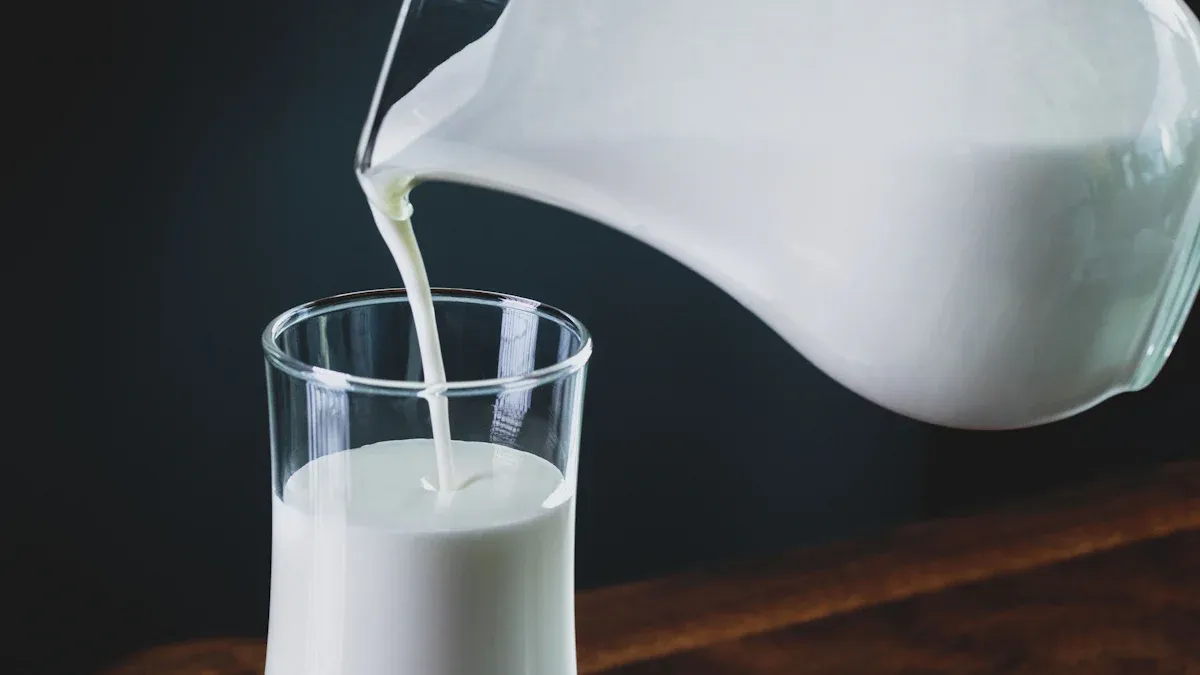
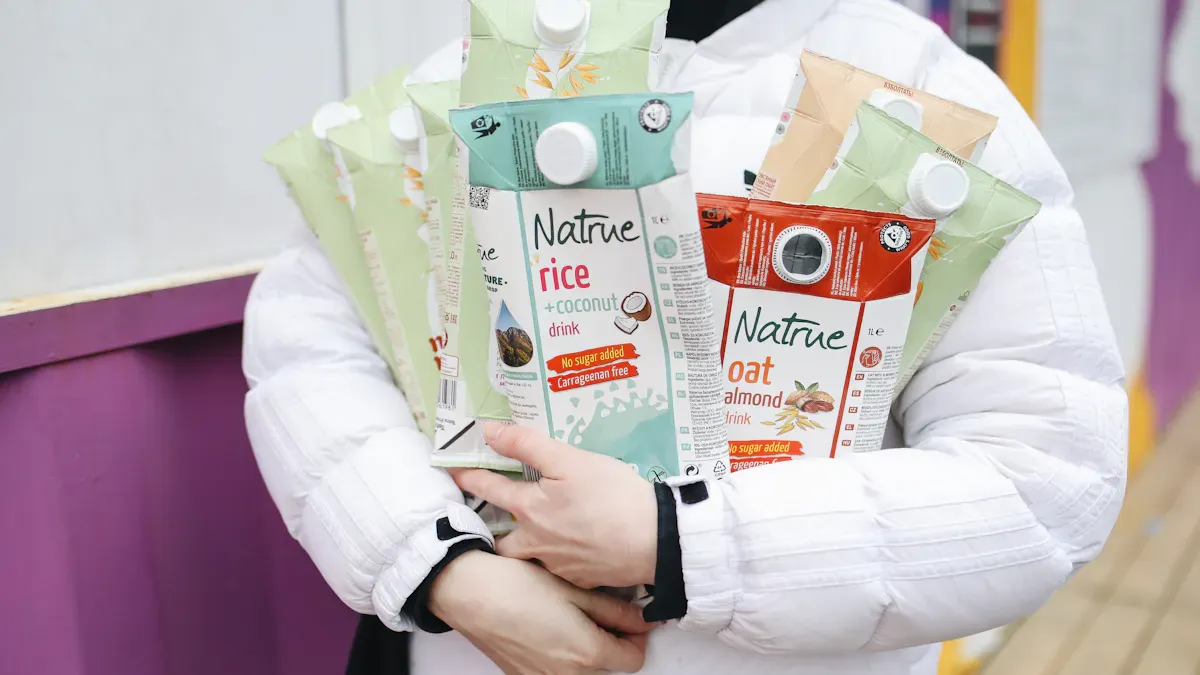
If you drink almond, soy, oat, or coconut milk, you may see carrageenan on the label. Plant-based milks can separate because they lack cow’s milk proteins. Carrageenan keeps the milk smooth. It stops solids from sinking. You do not need to shake your milk every time.
Carrageenan helps plant-based creamers stay thick and creamy. More people pick plant-based drinks now. Companies use carrageenan to make them feel like dairy. Your milk or creamer looks and tastes like regular milk. It does not have clumps or watery parts.
Carrageenan makes plant-based dairy alternatives thick and stable.
It stops protein separation in nut or soy milks.
It makes plant-based yogurts creamy and smooth.
Chocolate Milk And Flavored Milks
Chocolate milk and flavored milks have cocoa or other bits that can sink. Carrageenan keeps these mixed in so your drink stays smooth. It also makes the milk thicker and creamier.
Without carrageenan, chocolate can settle at the bottom. Carrageenan keeps cocoa spread through the milk. It stops clumping and separation. This helps flavored milks last longer. The right amount of carrageenan is important. Too little, and the milk separates. Too much, and the drink feels jelly-like.
Carrageenan keeps cocoa and other bits mixed in chocolate milk.
It stops sediment from forming, so the milk tastes good.
Carrageenan works with milk proteins to make drinks thick and creamy.
Note: If your chocolate milk stays smooth and does not need shaking, carrageenan is probably why.
Processed Meats And Prepared Foods
Deli Meats And Canned Meats
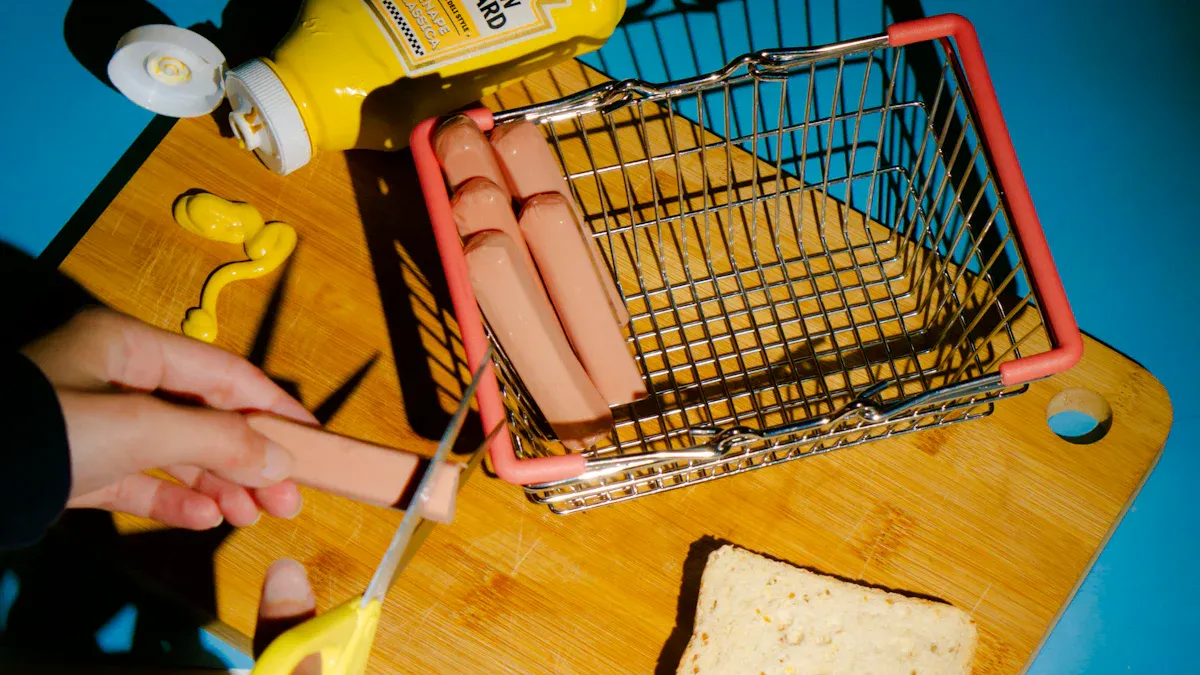
You can find carrageenan in deli meats and canned meats. Most supermarkets sell these foods. Many brands use carrageenan to keep meat moist and soft. When you buy ham or turkey slices, you want them juicy and easy to chew. Carrageenan helps hold water inside the meat. This keeps it fresh for a longer time.
You can see carrageenan in different processed meats:
Deli meats
Processed poultry products
Carrageenan is also in canned soups. It keeps the texture smooth. It stops the meat from drying out. Canned meats and deli slices stay moist in the fridge for days. Carrageenan makes this happen.
Tip: If deli meat packaging says “water added” or “juicy,” it likely has carrageenan in the ingredients.
Prepared Meals And Protein Shakes
Ready-to-eat meals and protein shakes often use carrageenan. It helps make the texture better and keeps things mixed. Frozen dinners and microwavable meals need to stay firm when frozen and heated. Carrageenan helps these meals keep their shape. It stops them from getting watery.
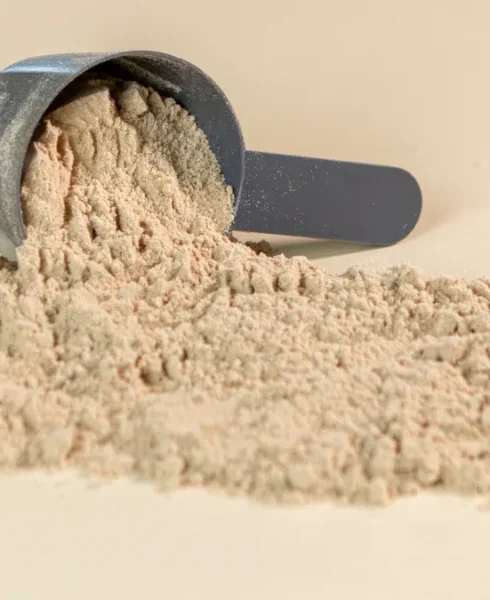
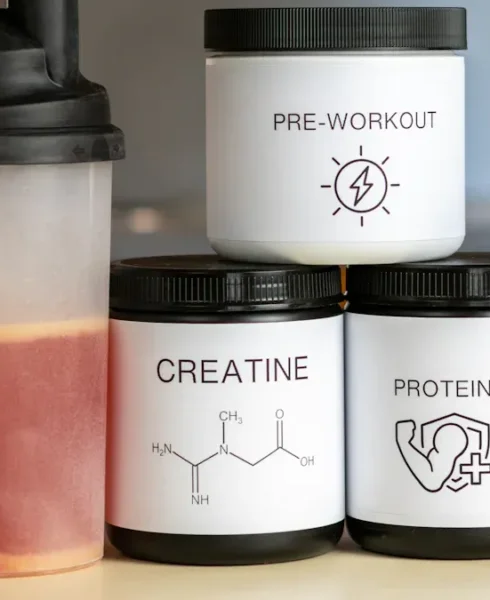
Protein shakes and powders use carrageenan to keep protein mixed. You do not want clumps or stuff settling at the bottom. Carrageenan keeps the shake smooth and easy to drink.
Here is how carrageenan works in different foods:
Food Product Type | Role of Carrageenan in Moisture Retention |
|---|---|
Processed Meats | Holds water, so meat stays juicy and does not dry out. |
Ready-to-Eat Meals | Keeps meals firm when frozen and heated. |
Protein Shakes | Stops clumping and keeps protein mixed in the drink. |
Carrageenan helps food taste fresh and feel right. You can find it in many prepared foods by checking the ingredient list.
Desserts, Sweets, And Sauces
Frozen Desserts And Popsicles
Carrageenan is in frozen desserts and popsicles. Many non-dairy treats use it to stay creamy. Without carrageenan, ice crystals can form. This makes desserts rough and hard to eat. Carrageenan keeps the texture soft. It stops ingredients from separating. Every bite tastes the same.
Here is a table showing where carrageenan is found in frozen treats:
Product Type | Examples |
|---|---|
Frozen Desserts and Popsicles | Non-dairy frozen desserts, popsicles |
Carrageenan makes desserts thick.
It keeps non-dairy frozen treats stable.
It stops ice crystals and keeps desserts smooth.
Custards, Puddings, And Pie Fillings
Carrageenan has been used in desserts for a long time. People in Asia used it as early as 600 B.C. They used it to thicken puddings. Today, you find it in custards, puddings, and pie fillings. Carrageenan gives these sweets a creamy texture. It helps desserts keep their shape. It also keeps them moist.
Aspect | Details |
|---|---|
Historical Usage | Used since 600 B.C. in Asia for thickening puddings. |
Modern Applications | Used in frozen desserts, custards, pie fillings for viscosity and gel-forming properties. |
Texture Contribution | Provides stability, moisture retention, and a pleasant mouthfeel. |
Carrageenan gels desserts so they are easy to unmold. In cold desserts, it is used for texture. It improves flavor and texture when mixed with starch.
Salad Dressings And Sauces
Carrageenan is in many salad dressings and sauces. Food makers use it to make these products thick and stable. Carrageenan keeps oil and water mixed. Your dressing does not separate. It makes sauces smooth and rich.
Kappa carrageenan is common in salad dressings and sauces. It improves texture and taste. You can check the ingredient list to see if your dressing or sauce has carrageenan.
Application Type | Examples of Products |
|---|---|
Stabilizer | Salad dressings, sauces |
Emulsifier | Salad dressings, sauces |
Thickener | Salad dressings, sauces |
Tip: If your salad dressing stays creamy and does not separate, carrageenan may be why.
Carrageenan In Food: Uses And Safety
Why It’s Used In Food
Carrageenan is in food to help it look and taste better. It makes foods thicker and helps them stay mixed. Ice cream melts slower because of carrageenan. Yogurt feels creamy because it is added. Deli meats stay moist and are easy to cut. In drinks, it keeps cocoa or fruit bits from sinking. You also find it in jellies, candies, and canned foods. Here is a table that shows what carrageenan does in different foods:
Application Area | Functionality |
|---|---|
Ice Cream | Makes it hold its shape and not melt fast |
Ham and Sausage | Helps meat keep water and taste better |
Cow’s Milk | Keeps milk mixed and helps it thicken |
Fruit Wines and Beers | Makes foam last and keeps drinks clear |
Jellies | Makes jellies stretchy and stops water from leaking |
Fruit Candies | Makes candies smooth and not sticky |
Juices | Keeps pulp mixed in and helps juice last longer |
Canned Goods | Helps fish and meat stick together in cans |
Different types of carrageenan do different things. Kappa makes gels in dairy and meat. Iota makes soft gels in sauces. Lambda thickens drinks and dressings.
Health And Safety Concerns
You might wonder if carrageenan is safe to eat. Scientists have checked this for many years. Most studies say food-grade carrageenan is safe. Experts tested it for short and long times. They found no problems when it has a high molecular weight. Groups like the Joint FAO/WHO Expert Committee and the FDA say it is safe, even for babies.
The Joint FAO/WHO Expert Committee says carrageenan is safe for babies up to 1000 mg/L.
Some people worry about health risks. These include swelling, stomach problems, and cancer with degraded carrageenan. Here is a table with common worries:
Health Concern | Description |
|---|---|
Inflammation | Might cause swelling in the body |
Digestive Issues | Can cause bloating or stomach pain |
Cancer Risks | Some worry about colon cancer from degraded carrageenan |
Most experts agree food-grade carrageenan does not cause these problems.
How To Spot Carrageenan On Labels
Carrageenan is in many creamy or low-fat foods. Always check the ingredient list to find it. Carrageenan can have different names. Look for these words:
Carrageenin
Iota-carrageenan
Kappa5 carrageenan
Lambda-carrageenan
Carageenan gum
Carragheen gum
Carastay
Chondrus
Irish moss
Red seaweed extract
Carrageenan comes from red seaweed. It works as a stabilizer, thickener, and emulsifier. You find it in flavored milk, creamers, and plant-based milks. It stops food from separating and helps it last longer.
Check labels on vegan foods, low-fat dairy, dry mixes, and creamy foods. This helps you know what you are eating.
You find carrageenan in many foods you eat every day. The main types include:
Non-dairy milk alternatives
Ice cream and frozen desserts
Processed meats
Puddings and custards
Infant formula
Sauces and salad dressings
Canned pet foods
Food makers use carrageenan to keep foods smooth and stable. Most people do not need to worry about it. If you want to avoid carrageenan, check ingredient labels and pick products with other stabilizers like gellan gum or locust bean gum. You can also choose whole foods or make your own recipes at home.
FAQ
What is carrageenan made from?
Carrageenan comes from red seaweed. People take it out of the seaweed. They use it to make foods thick or stable. You can find it in lots of processed foods.
Is carrageenan safe for children?
Most experts think food-grade carrageenan is safe for kids. You can read labels if you want to skip it. The FDA says it is okay for all ages.
How can you avoid carrageenan in foods?
Look at ingredient lists for “carrageenan” or names like it. Pick whole foods or brands that use other things like gellan gum or locust bean gum.
Does carrageenan affect taste?
Carrageenan does not change how food tastes. It makes foods feel creamy or smooth. You might notice a change in texture, but not in flavor.