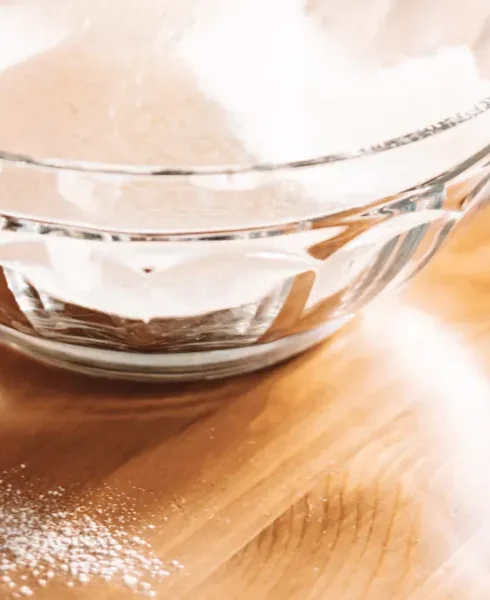
If you’re wondering what is sunflower lecithin, it’s a natural substance derived from sunflower seeds. What is sunflower lecithin used for? It acts as an emulsifier, helping to blend ingredients smoothly in a wide range of products. Many health-conscious individuals choose sunflower lecithin because it’s free from GMOs and common allergens. You’ll find what is sunflower lecithin in foods, dietary supplements, and even cosmetics. The food and beverage industry uses what is sunflower lecithin most frequently, making it a top pick for those seeking clean-label ingredients. More and more people now prefer what is sunflower lecithin over soy lecithin, considering it a healthier alternative.
Key Takeaways
Sunflower lecithin comes from sunflower seeds. It is a natural emulsifier. It is a healthier choice than soy lecithin.
It helps your heart by controlling cholesterol. It also helps your body digest fats better.
Sunflower lecithin helps with digestion. It protects the gut and breaks down fats. This is good for people with stomach problems.
This ingredient is non-GMO and allergen-free. It is safe for most diets. It also lowers the chance of allergies.
You can find sunflower lecithin in many foods. It is also in supplements and cosmetics. It makes health and beauty products better.
What Is Sunflower Lecithin?

Source and Composition
Sunflower lecithin comes from sunflower seeds. Factories use a gentle way to get it out. They pick the seeds, separate them, and press them to get oil. When oil mixes with water, lecithin comes out by itself. After cleaning and drying, you get lecithin as powder or liquid. No strong chemicals are used, so the ingredient stays pure.
Sunflower lecithin has important phospholipids. These molecules help your body in many ways. Here is a table showing the main phospholipids found in sunflower lecithin:
Phospholipid | Description |
|---|---|
Phosphatidylcholine | The most common phospholipid. It helps cell membranes, liver, brain, and nerves. |
Phosphatidylinositol | It helps cells send signals and control processes. |
Phosphatidylethanolamine | It is needed for cell membranes and helps cells divide and send signals. |
These phospholipids make sunflower lecithin good for your diet and daily life.
Emulsifying Properties
Sunflower lecithin is used in foods and supplements. It acts as a natural emulsifier. This means it helps mix things like oil and water. When you add sunflower lecithin, recipes become smooth and even. Food companies use it to make chocolate, baked goods, and salad dressings better.
Sunflower lecithin is special because no chemical solvents are used to get it. This makes it more natural and healthier than other types like soy lecithin. Both sunflower and soy lecithin are emulsifiers, but sunflower lecithin is safer for people with allergies. You can trust it in your food because it is less likely to cause allergic reactions.
Tip: If you want to avoid fake additives, pick products with sunflower lecithin for a cleaner label.
Non-GMO and Allergen-Free
Many people pick sunflower lecithin because it is non-GMO and allergen-free. Sunflower lecithin comes from sunflowers that are not changed by genes. You do not have to worry about hidden allergens. Sunflower lecithin rarely causes allergies or sensitivities. This makes it safer for you and your family, especially if you have food allergies.
Sunflower lecithin often has organic certifications like USDA NOP. These show the product is clean and meets strict organic rules. Some programs, like Cert ID IP, use tests to make sure there is no soy mixed in. This gives you extra peace of mind when you see sunflower lecithin on a label.
If you want a natural, safe, and reliable ingredient, sunflower lecithin is a smart choice. It fits into many diets and lifestyles. That is why health-conscious readers like you choose it.
Health Benefits
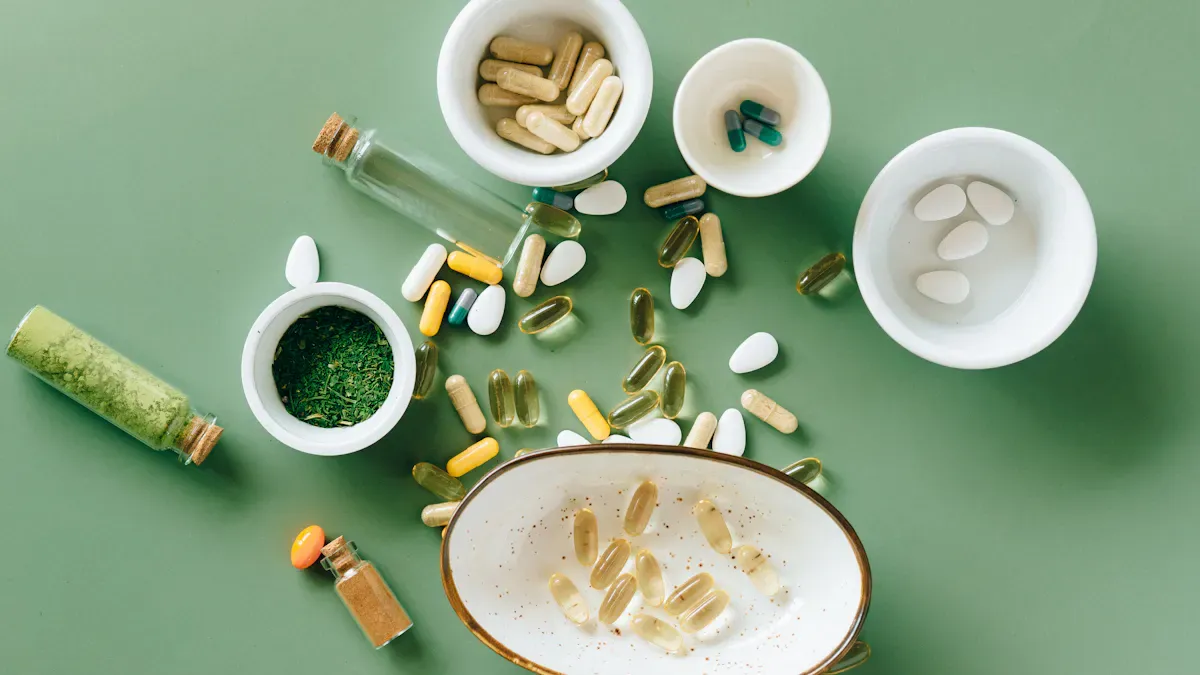
Heart Health
Adding sunflower lecithin to your diet can help your heart. It has phospholipids that control cholesterol levels. These molecules help move fats through your blood. When cholesterol stays balanced, your risk of heart problems goes down. Many people pick sunflower lecithin because it has no artificial ingredients or allergens. You can trust it as part of a heart-healthy plan.
Digestive Support
You might wonder how sunflower lecithin helps your digestion. It keeps your gut healthy in many ways. Here are some examples:
Sunflower lecithin creates a protective layer in your intestines. This keeps bad bacteria out.
It breaks down fats from food into smaller pieces. This makes fats easier to digest and can help with bloating or constipation.
More than 70% of the phospholipids in your gut lining come from lecithin. This layer stops harmful particles from entering your blood.
Sunflower lecithin is especially good for people with digestive issues.
It keeps your gut barrier strong and helps digestion stay regular.
If you want to know what sunflower lecithin is good for, supporting digestion is one of its main benefits.
Brain Function
Your brain needs healthy fats to work well. Sunflower lecithin provides phospholipids that help with memory and focus. You might notice clearer thinking when you add it to your routine. Studies show that older adults can improve their memory and thinking skills with lecithin supplements. People with Alzheimer’s disease have also seen their daily skills and mood improve after using it for a short time.
Sunflower lecithin may help older people remember things better.
It can support emotional health in those with memory problems.
You can use sunflower lecithin to keep your mind sharp as you get older.
Anti-Inflammatory Effects
Inflammation can cause many health issues. Sunflower lecithin might help your body fight inflammation. Research shows it can lower some markers of inflammation in your body. Here is a table showing how lecithin affects these markers:
Inflammatory Marker | Effect of Lecithin | Significance Level |
|---|---|---|
TNF-α | Lowered | Not significant |
IL-6 | Lowered | Not significant |
CRP | Lowered | Not significant |
RF | Lowered | Not significant |
ROS | Lowered | Not significant |
MMP | Lowered | Not significant |
MPO | Lowered | Not significant |
XO | Lowered | Not significant |
SDH activity | Increased | Significant |
ATP levels | Increased | Significant |
Thiol and GSH | Increased | Significant |
Sunflower lecithin helps reduce inflammation and boosts important cell functions. These effects make it a good choice for protecting your body from long-term health problems.
Note: If you want a natural way to support your heart, gut, and brain, sunflower lecithin has many benefits. You can add it to your daily routine with confidence.
Uses
Food Applications
Sunflower lecithin is found in many foods. It helps mix fats and liquids. This makes foods smooth and stable. You can see it in bread, muffins, cakes, chocolate, smoothies, protein shakes, coffee creamers, cheese, ice cream, salad dressings, mayonnaise, hollandaise, sausages, and burgers.
Food Product Type | Specific Examples |
|---|---|
Baked Goods | Bread, muffins, cakes |
Chocolate | Used as an emulsifier |
Beverages | Smoothies, protein shakes, coffee creamers |
Dairy Products | Cheese, ice cream |
Salad Dressings | Used as an emulsifier |
Sauces & Nut Butter | Mayonnaise, hollandaise |
Meat Products | Sausages, burgers |
Sunflower lecithin makes food feel better and last longer. It stops foods from separating. It keeps dough soft and reduces stickiness. Your favorite foods stay fresh and taste good.
Tip: If you want fewer fake ingredients, check for sunflower lecithin on the label.
Supplements
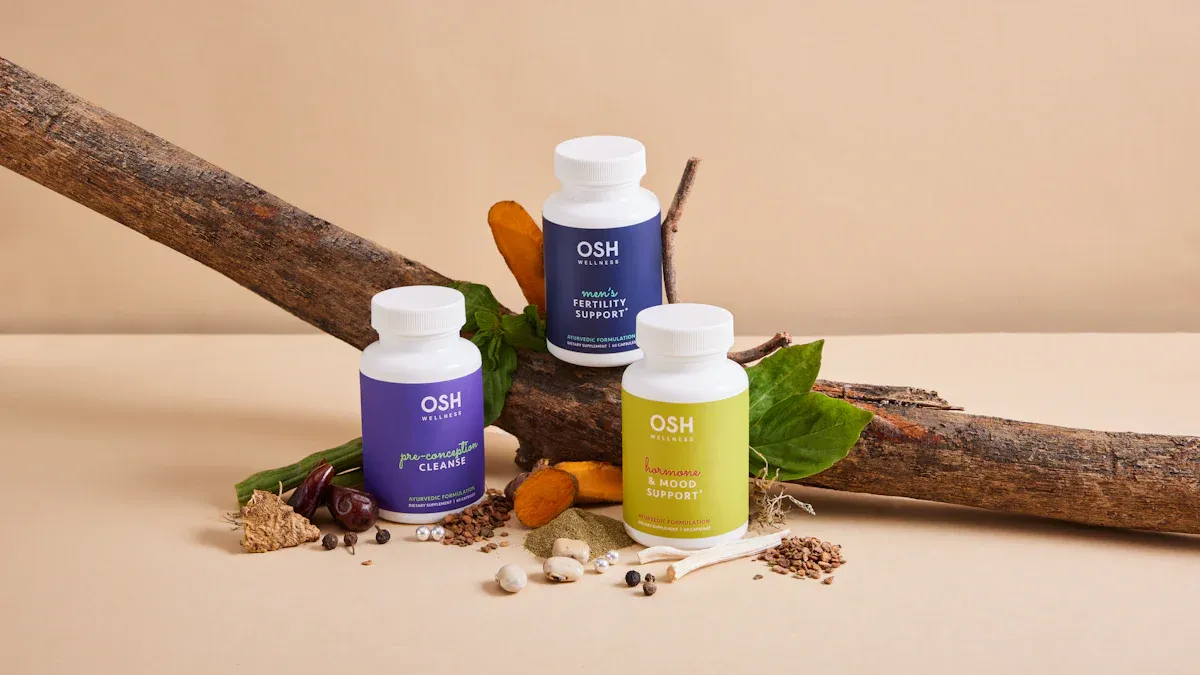
You can use sunflower lecithin as a supplement. It comes as liquid, powder, de-oiled powder, granules, and capsules. People use it for lactation, brain health, and heart health. Here is a table showing the forms and usual dosages:
Form | Description | Typical Dosage Recommendation |
|---|---|---|
Liquid Sunflower Lecithin | Used in smoothies or raw recipes | N/A |
Powdered Lecithin | Spray-dried version, lower phospholipid concentration | N/A |
De-Oiled Powder | Higher phospholipid density, ideal for supplements | N/A |
Granular vs. Fine Powder | Granules dissolve slower; fine powders mix quickly | N/A |
Common Dosage for Lactation | 1,200 mg taken 3–4 times daily (totaling 3,600–4,800 mg per day) | 3,600–4,800 mg per day |
You may notice easier fat digestion and better milk flow. Some people see improved memory. Studies show lecithin can lower LDL cholesterol and help your brain.
Cosmetics and Pharmaceuticals
Sunflower lecithin is used in skin care and medicine. You find it in creams, lotions, and anti-aging products. It acts as an emollient and hydrates your skin. Phospholipids pull water to your skin. This makes skin soft and glowing. Sunflower lecithin helps fix the skin barrier and calms irritation. It also helps products soak in better.
Keeps skin moist
Gives antioxidant support
Deeply hydrates skin
Repairs skin barrier
Makes products smoother
Tests show sunflower lecithin does not cause irritation. You can use it on sensitive skin safely.
Why Choose Sunflower Over Soy
You might ask why sunflower lecithin is better than soy lecithin. Sunflower lecithin is non-GMO and less likely to cause allergies. Soy can cause allergies and may have GMOs. Sunflower lecithin has more choline, which helps your brain. It also has more polyunsaturated fats, which help your heart.
Safer for people with food allergies
Avoids hormonal effects found in soy
Good for people who want organic and clean-label products
Note: If you want something natural, allergen-free, and GMO-free, sunflower lecithin is a smart choice.
Safety and Side Effects
General Safety
You can use sunflower lecithin every day without worry. Most adults do not have problems when eating it in food. The FDA says lecithin is “Generally Recognized as Safe” (GRAS). Many experts agree with this label. You can also take sunflower lecithin as a supplement. Taking up to 30 grams a day for six weeks is likely safe for most people.
Sunflower lecithin is safe for most adults in food or supplements.
Pregnant or breastfeeding women should only eat food amounts.
The FDA says lecithin is GRAS.
If you are not sure, ask your doctor before starting a new supplement.
Potential Side Effects
Most people do not have problems with sunflower lecithin. Some people might get mild stomach issues. You could have loose stools, diarrhea, or stomach pain. Rarely, people feel sick, bloated, or sweat more. Some people have more saliva or do not feel hungry. In very rare cases, hepatitis has happened. If you take blood thinners, be careful because there is a small risk of more bleeding.
Bloating or feeling sick
Sweating or more saliva
Not feeling hungry
Rare: hepatitis or more bleeding risk
If you get any of these symptoms, stop using sunflower lecithin and talk to your doctor.
Allergy Concerns
Allergic reactions to sunflower lecithin do not happen often, but you should know the signs. Most people with food allergies can use sunflower lecithin safely. Still, rare allergies have been reported.
Allergic reactions to sunflower lecithin are rare but can happen. Common symptoms are itching, hives, swelling, or trouble breathing.
There is a very low chance of a strong reaction because sunflower seed lecithin has almost no protein and most people who can eat sunflower seed oil do not react.
If you are allergic to sunflower seeds, be careful. Watch for signs like itching, hives, or trouble breathing. Get medical help if you notice any of these signs.
Sunflower vs. Soy Lecithin
Nutritional Comparison
You might ask how sunflower lecithin and soy lecithin are different. Both help mix things like oil and water. They have some differences in their nutrients.
Sunflower lecithin has lots of healthy fats. These fats help your heart.
Soy lecithin has many phospholipids like phosphatidylcholine. This helps your brain and liver.
Sunflower lecithin is picked because it is cleaner and less likely to cause allergies.
Both types give you choline, omega-3, and omega-6 fats. Your body needs these to stay healthy.
Sunflower lecithin is pure and does not have allergens. Many people use it for heart health. Soy lecithin is better known for helping your brain.
Tip: If you want something gentle for your body, sunflower lecithin is a good pick.
Allergen Differences
It is important to know about allergens when you choose lecithin. Here is a table to help you see the differences:
Lecithin Type | Allergenicity | GMO Status |
|---|---|---|
Soy Lecithin | Contains soy, a top allergen (FDA) | Often GMO |
Sunflower Lecithin | Naturally allergen-free | Rarely GMO |
Soy lecithin comes from soybeans. Soy is a common food allergen. Many people avoid soy because of allergies or GMOs. Sunflower lecithin does not have these problems. It is free from allergens and is almost never made from GMOs.
Diet Suitability
You can use sunflower lecithin in many diets. It is good if you want to avoid soy or need a clean ingredient. Here are some ways you can use sunflower lecithin:
You can add it to supplements.
It works in gluten-free baking.
It is safe for people with soy allergies or special diets.
Sunflower lecithin is flexible. You can put it in recipes, supplements, or baked foods. You do not have to worry about allergens or GMOs. This makes it a great choice for people who care about health.
Sunflower lecithin is made from sunflower seeds. It helps mix things like oil and water. You can use it for your heart, brain, and stomach health. It works in foods, supplements, and skin care. Most people think it is safe and simple to use.
Pick sunflower lecithin if you want something non-GMO and allergen-free.
Ask your doctor before you try new supplements.
Sunflower lecithin works for many diets and helps you stay healthy.
FAQ
What does sunflower lecithin taste like?
You will notice a mild, nutty flavor. It does not overpower foods or drinks. You can mix it into smoothies, baked goods, or coffee without changing the taste much.
Can you use sunflower lecithin if you have a soy allergy?
Yes, you can. Sunflower lecithin does not contain soy. It is safe for most people with soy allergies. Always check the label for cross-contamination warnings.
How do you store sunflower lecithin?
You should keep sunflower lecithin in a cool, dry place. Close the container tightly after each use. This helps keep it fresh and prevents clumping.
Is sunflower lecithin vegan and gluten-free?
Sunflower lecithin comes from sunflower seeds. It does not contain animal products or gluten. You can use it in vegan and gluten-free diets.
How much sunflower lecithin should you take daily?
Most people take 1,200 mg three to four times a day. You should follow the instructions on the package or ask your doctor for advice.