You may see ingredients you do not know on food labels. Sodium Stearoyl Lactylate helps oil and water mix in foods. It makes bread softer and keeps baked goods fresh for longer. You also find it in foods because the FDA says it is safe. It works as an emulsifier and makes dough stronger.
Key Takeaways
Sodium Stearoyl Lactylate (SSL) helps oil and water mix in food. It makes baked goods softer. It also helps them stay fresh longer.
SSL makes dough stronger. It helps gluten stick together. This lets bread rise better. It also keeps bread soft for more time.
Most people can use this ingredient safely. The FDA says it is safe. But you should check labels if you have allergies. You should also check if you have special diets.
SSL is in many foods and cosmetics. It makes texture better. It helps keep things stable. It does not change the taste.
If you eat vegan or halal foods, look for SSL from plants. This makes sure it fits your diet.
Sodium Stearoyl Lactylate Overview
Chemical Properties
Sodium Stearoyl Lactylate is found in lots of foods. It is made by mixing lactic acid and stearic acid. This makes a sodium salt from stearic acid and lactyl lactate. Its special structure lets it mix oil and water. This is important for many recipes.
Here is a simple table showing the main parts and what they do:
Component | Description |
|---|---|
Sodium Stearate | A fatty acid from stearic acid. It helps mix fats and water. |
Lactic Acid | An organic acid. It boosts the mixing power of Sodium Stearoyl Lactylate. |
Sodium Ions | These balance the charge and help SSL work as a surfactant. |
You can see Sodium Stearoyl Lactylate is an anionic emulsifier. Its HLB value is 8.3, so it blends water and oil well in foods.
Function in Food
Sodium Stearoyl Lactylate is used in bread, cakes, and other baked foods. It does more than just mix things together. It works with gluten proteins in flour. This makes dough stronger and stretchier. Bread rises better and feels softer.
Here are some ways Sodium Stearoyl Lactylate helps in food:
It helps gluten stick together, so dough is stronger.
It makes dough stretchy and easy to shape.
It helps dough keep its shape when mixed and baked.
It lets dough hold more gas, so bread is lighter.
It slows down staling, so baked goods stay fresh longer.
Tip: When you pick bread or snacks, check for Sodium Stearoyl Lactylate on the label. It gives you better texture and keeps food fresh longer.
This ingredient is great for yeast breads. It helps dough handle mixing and shaping. Your bread rises better and looks nicer. Sodium Stearoyl Lactylate makes baked goods taste fresher and feel softer.
Making Sodium Stearoyl Lactylate
Ingredients and Process
You might wonder how companies make Sodium Stearoyl Lactylate for food. They use a few main things. Here is a table that shows what goes into making it and why each thing is important:
Ingredient | Role in Synthesis |
|---|---|
Stearic Acid | Fatty acid used in esterification |
Lactic Acid | Reactant in the synthesis process |
Sodium Carbonate | Base used in the reaction |
Sodium Hydroxide | Alternative base for the reaction |
Companies follow steps to make Sodium Stearoyl Lactylate. Each step helps make the final product:
Mix stearic acid and lactic acid. Heat them with a catalyst.
Remove water from lactic acid under low pressure. This helps the reaction work better.
Use thin-layer chromatography to watch the reaction. This shows when the process is done.
Add sodium hydroxide or sodium carbonate to the mixture.
Take out water and extra lactic acid by distilling or using a vacuum.
Clean the product by washing with warm water and making crystals.
This process gives a safe and useful ingredient for food.
Regulatory Approval
You can trust Sodium Stearoyl Lactylate in food because it follows strict safety rules. The FDA says it can be used as an emulsifier, stabilizer, and texturizer in foods like cream liqueur drinks. The FDA changed these rules after experts showed this additive works well and is safe.
Companies also follow world food safety rules. Here are some key points:
These rules make sure it is safe in foods everywhere.
Companies must check how much they use to follow the rules.
Note: You can feel good when you see Sodium Stearoyl Lactylate on a food label. It passes safety checks and follows world rules.
Uses of Sodium Stearoyl Lactylate
In Baked Goods
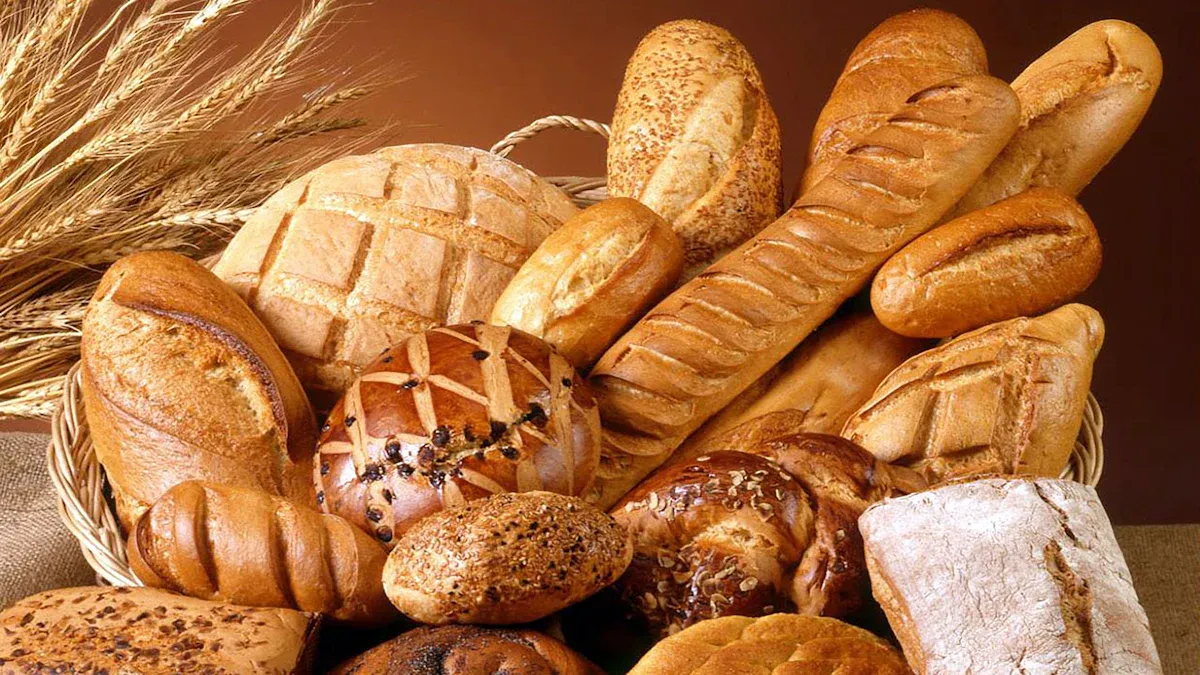
Sodium Stearoyl Lactylate is in lots of baked foods. Bakers use it to make bread soft and keep it fresh. It helps bread taste better and feel nicer. You can find it in breads, buns, cakes, and croissants.
Most bread recipes use a little Sodium Stearoyl Lactylate. They add between 0.2% and 0.5% by weight. Even a small amount helps a lot. Bread rises higher and stays soft for days. Buns and croissants feel light and fluffy. Cakes keep their shape and stay moist. When you buy baked goods, this ingredient helps them last longer and taste better.
Tip: Want bread that stays soft and fresh? Check the label for Sodium Stearoyl Lactylate.
In Other Foods and Cosmetics
Sodium Stearoyl Lactylate is in many processed foods. It helps mix things together and keeps food stable. You see it in dairy products, candy, sauces, non-dairy creamers, icing, fillings, puddings, drinks, canned fruits, meat, pickled food, gravies, instant foods, fruit and vegetable items, and pet food.
This ingredient helps foods keep their texture and taste. Sauces are creamy and puddings are smooth because it mixes fats and liquids well.
Sodium Stearoyl Lactylate is also used in cosmetics. Lotions and creams feel smooth and spread easily. Here are some ways it helps in cosmetics:
It keeps creams and lotions mixed.
It makes moisturizers feel soft.
It helps creams stay thick and easy to use.
It makes cleansers and shampoos foam.
It helps skin keep water and not get dry.
It makes skin feel soft.
It keeps scents fresh in products.
It helps makeup colors spread evenly.
You get better skin and hair products because Sodium Stearoyl Lactylate makes them smooth and stable. Every time you use them, they feel nice and work well.
Safety and Dietary Suitability
Is SSL Safe?
You might wonder if SSL is safe to eat. Scientists have looked at SSL closely. They found people can eat SSL without big problems. The FDA says SSL is okay for food and cosmetics. You see SSL in many things because experts say it is safe.
Here is a table showing what scientists learned about SSL safety:
Finding | Description |
|---|---|
Tolerance | SSL was fine at different amounts. No serious side effects happened. |
NOAEL | The safe level is 5%, or 2214 mg/kg/day. |
Significant Findings | Only one thing was found: some uterine polyps. These were not caused by SSL. |
You can feel sure when you see SSL on a label. Food safety groups everywhere say SSL is safe.
Vegan, Halal, Dairy-Free Status
You may have a special diet. You might want to know if SSL fits your needs. SSL comes from stearic acid and lactic acid. These can be from plants or animals. Most companies use plants to make SSL. If you pick plant-based SSL, it works for a vegan diet.
SSL can come from animals or plants.
Plant SSL is vegan.
SSL is vegan if made from plant stearic acid and lactic acid.
If you want halal food, SSL is a good pick. Suppliers give halal certificates for SSL. The process does not use pork or alcohol. The raw materials are made from chemicals, so no forbidden things are in SSL.
Evidence Type | Description |
|---|---|
Halal Certification | Suppliers give halal certificates for sodium stearoyl lactylate. |
Manufacturing Process | No pork or alcohol is used in making SSL. |
Raw Materials | Chemicals are used, so no forbidden things are in SSL. |
SSL is also dairy-free. It does not have milk protein. Big food safety groups say people who avoid dairy can eat SSL.
Tip: If you have food rules, check the label or ask the company about SSL.
Health Considerations
You may wonder if SSL causes health problems. Most people do not have trouble with SSL. One person had an allergic skin reaction from SSL in food. This is very rare.
Allergic reactions to SSL almost never happen.
Only one case of allergic skin reaction is known.
Eating lots of SSL may change your gut bacteria. This can lower good short-chain fatty acids. These acids help your gut stay healthy. Changes in your gut may cause problems like bowel disease or other health issues.
SSL can change gut bacteria and cause gut problems.
It may lower good short-chain fatty acids.
Health problems can include bowel disease and other conditions.
You can eat SSL safely if you eat normal amounts. If you have allergies or gut issues, talk to your doctor before eating SSL.
SSL vs. Other Additives
SSL vs. Calcium Stearoyl Lactylate
You might see both Sodium Stearoyl Lactylate and calcium stearoyl lactylate in foods. These help baked goods, but they do not work the same way. Sodium Stearoyl Lactylate mixes well with water. This helps dough stretch and hold air. Bread and cakes rise higher and feel softer.
Calcium stearoyl lactylate mixes better with fats. You find it in cookies and pie crusts. It makes them crispier. It also adds calcium to food. It works well in recipes with acid.
Here is a table to compare Sodium Stearoyl Lactylate and calcium stearoyl lactylate:
Property | Sodium Stearoyl Lactylate (SSL) | Calcium Stearoyl Lactylate (CSL) |
|---|---|---|
Hydrophilicity | Strong hydrophilic properties | Higher lipophilicity |
Functionality in Baked Goods | Improves dough elasticity and gas retention in bread and cakes | Enhances crispness in cookies and pie crusts |
Additional Benefits | N/A | Contributes to calcium fortification and performs well in acidic environments |
Tip: Pick Sodium Stearoyl Lactylate for soft bread. Choose calcium stearoyl lactylate for crispy cookies.
SSL vs. Other Emulsifiers
Many emulsifiers are used in foods. Sodium Stearoyl Lactylate, lecithin, and mono- and diglycerides all help mix things and improve texture. Each one has its own benefits.
Sodium Stearoyl Lactylate makes gluten stronger. It gives bread more volume. It makes crumbs softer and even.
Lecithin helps mix ingredients better. It makes baked goods less sticky. It keeps them moist.
Mono- and diglycerides make dough easier to handle. They help bread rise higher. They improve crumb structure.
Here is a table to show how these emulsifiers are different:
Emulsifier | Benefits |
|---|---|
Sodium Stearoyl Lactylate | Strengthens gluten network, improves product volume, enhances crumb softness and uniformity. |
Lecithin | Improves ingredient dispersion, reduces stickiness, retains moisture. |
Mono- and Diglycerides | Improves dough handling, increases bread volume, improves crumb structure. |
Note: Pick the emulsifier that fits your needs. Sodium Stearoyl Lactylate is best for soft bread and high volume. Lecithin helps keep things moist. Mono- and diglycerides make dough easy to work with.
You find sodium stearoyl lactylate in lots of foods and cosmetics. It helps mix things together and keeps products fresh longer. The FDA says SSL is safe if you use normal amounts. If you have allergies or eat vegan, check labels and ask questions. Nutrition experts say to read labels and not eat too much.
SSL is safe for most people.
If you are vegan or vegetarian, check where SSL comes from.
If you have allergies, ask your doctor or a nutritionist.
Aspect | Description |
|---|---|
Safety and Regulation | SSL is approved by the FDA and safe in food and cosmetics. |
Consumer Awareness | Reading labels helps you pick the right foods. |
You can make smarter choices when you know what is in your food.
FAQ
What does Sodium Stearoyl Lactylate do in bread?
You get softer bread when bakers add SSL. It helps dough hold more air and water. Your bread stays fresh longer and feels light. SSL also makes bread rise higher.
Is Sodium Stearoyl Lactylate safe for you to eat?
You can eat SSL safely. The FDA approves SSL for food use. Scientists say SSL does not cause health problems for most people. You should check labels if you have allergies.
Can you use SSL if you follow a vegan or halal diet?
You can use SSL if it comes from plant sources. Most companies make SSL from plants. You should look for vegan or halal certification on the package to be sure.
Does SSL change the taste of food?
SSL does not add flavor. You will not taste SSL in bread or snacks. It helps texture and freshness. Your food tastes the same but feels softer.
Where else do you find SSL besides food?
You find SSL in lotions, creams, and shampoos. SSL helps mix ingredients and keeps products smooth. Your skin and hair products work better with SSL.