
You can find sodium dihydrogen phosphate in food and industry. This compound has the formula NaH2PO4. Its CAS number is 7558-80-7. Its molecular weight is 119.98 g/mol. It helps control pH and keeps products fresh. You should know its uses and safety. This helps you make good choices about what you eat and use.
Key Takeaways
Sodium dihydrogen phosphate keeps food fresh and safe. It does this by controlling pH levels. It also helps make food texture better. – You can find this compound in many foods. It is in dairy products, baked goods, and processed meats. Always look at food labels to see if it is there. – It is usually safe if you eat a small amount. Eating too much can cause health problems. This is a bigger risk for people with kidney problems.
Sodium Dihydrogen Phosphate Overview
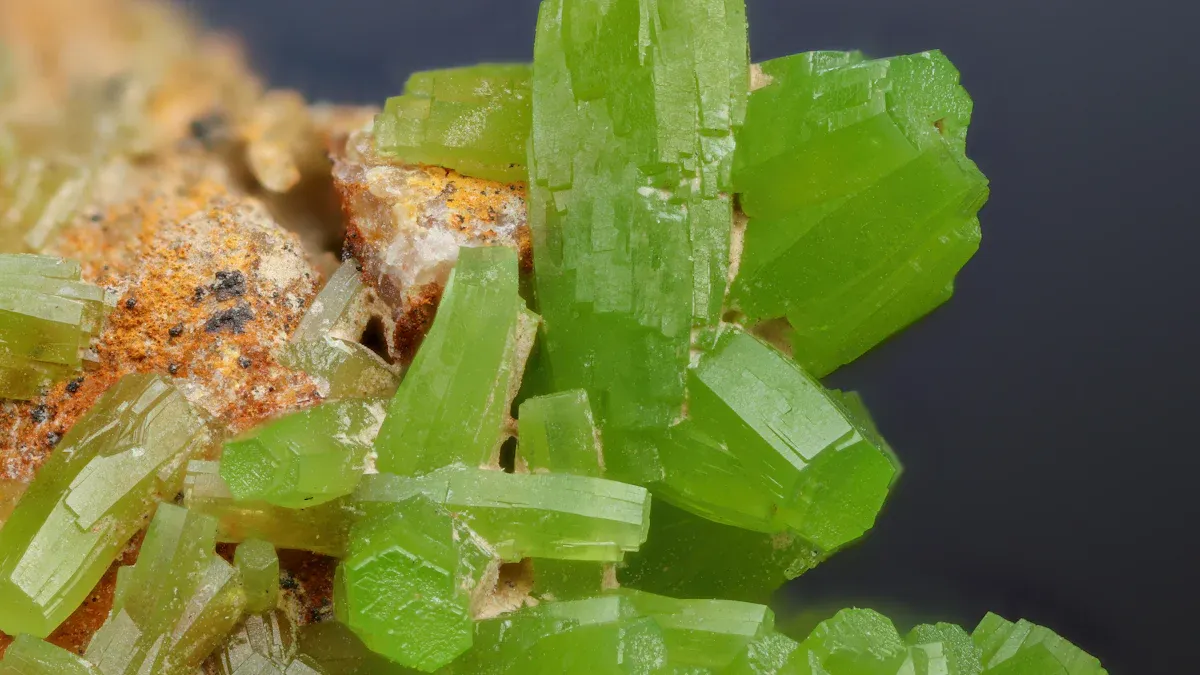
Chemical Structure and Properties
Sodium dihydrogen phosphate has the formula NaH2PO4. It looks like a white powder or crystals. It does not have a smell. You might see it with CAS numbers like 7558-80-7 or 13472-35-0. The number can change if water is mixed in. The molecular weight changes if water is added. Here is a table with its main facts:
Property | Value |
|---|---|
Chemical Formula | NaH2PO4 |
Molecular Weight | 119.98 g/mol |
CAS Number | 7558-80-7 |
Sodium dihydrogen phosphate mixes well with water. It helps control how sour or basic something is. It does not burn or smell bad. You can touch it safely if you are careful.
Common Functions and Roles
Sodium dihydrogen phosphate is in many foods and products. It helps make things better and safer. Here are some ways it works:
It grabs calcium ions and keeps things moist.
It helps mix things smoothly in cheese and dairy.
It helps baking powder rise.
It helps cure bread and sauces.
It keeps water in dried meats so they do not spoil.
Tip: Look at food labels to see if sodium dihydrogen phosphate is used. This shows how your food stays fresh and safe.
People use this compound because it helps food last longer. It also makes food taste better and keeps it smooth. It stops food from changing in ways you do not want.
Food and Industrial Uses
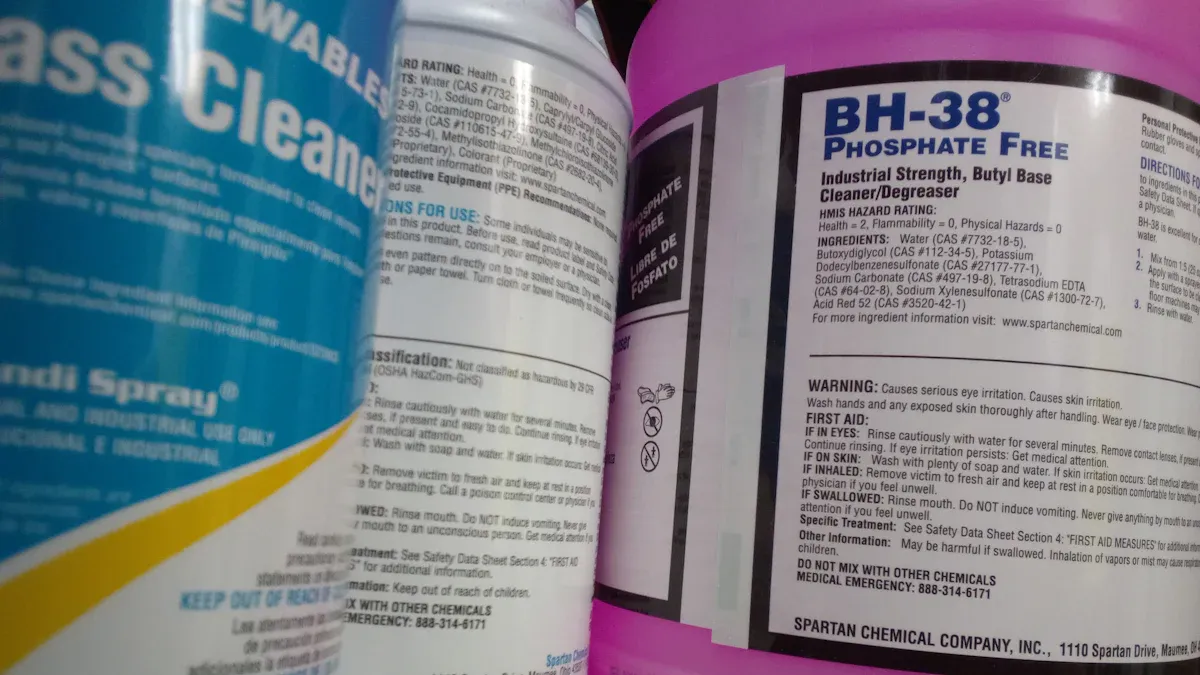
Sodium Dihydrogen Phosphate in Food
Sodium dihydrogen phosphate is in lots of foods. Food makers use it to keep food safe and tasty. It helps control pH in dairy foods. This stops milk and cheese from curdling. You find it in meats. It keeps them moist and soft. It helps bread and cakes rise. It acts as an acid in baking powder.
Here is a table that shows how sodium dihydrogen phosphate helps in food:
Role | Application in Food Processing |
|---|---|
pH control | Keeps dairy stable and stops curdling. |
Makes processed foods smooth and even. | |
Texturizer | Helps meats stay moist and tender. |
Acid component | Helps baked goods rise in the oven. |
You also see sodium dihydrogen phosphate in sauces and cheese spreads. It helps mix things together for a creamy feel. Food makers use it to keep food fresh longer. You might see it on food labels as a buffer or stabilizer.
Doctors sometimes use sodium dihydrogen phosphate as a laxative. It helps clean out your bowels before tests. Always listen to your doctor when using it for health reasons.
Note: If you wonder about food additives, ask your doctor or a food expert. They can explain how these compounds affect your health.
Industrial Applications
Sodium dihydrogen phosphate is used in many industries. Textile makers use it to control pH in dye baths. This keeps colors bright and even. Electroplating shops use it to help coat metals better. Chemical factories use it to speed up reactions. It also helps slow down fires in some materials.
Here is a table that shows how industries use sodium dihydrogen phosphate:
Application | Description |
|---|---|
Textile Industry | Controls pH in dye baths for better color. |
Electroplating | Helps make metal coatings smooth and strong. |
Catalysis | Speeds up chemical reactions. |
Flame Retardant | Slows down fires in some materials. |
You also see sodium dihydrogen phosphate in water treatment plants. It softens water and stops scale in boilers. Scientists use it in labs to make buffers. Buffers keep pH steady in DNA and RNA research.
Here is a table that explains these uses:
Application Area | Description |
|---|---|
Molecular Biology | Used to make buffers for DNA and RNA work. |
Water Treatment | Softens water and stops scale in boilers. |
Tip: If you work in a lab or factory, always follow safety rules when using chemicals like sodium dihydrogen phosphate.
You see sodium dihydrogen phosphate in many places. It helps products work better and last longer. Learning about its uses helps you make smart choices at home and work.
Safety and Regulations
Food Safety Guidelines
It is important to know how sodium dihydrogen phosphate affects health. Eating too much can be harmful. Your body needs the right amount of minerals. If you eat a lot, you could have problems like:
Hardening of the arteries
Weak bones
Heart and blood vessel problems
High phosphate levels that hurt bones and blood vessels
Brittle bones from too much phosphate and not enough calcium
Hypernatremia (too much sodium)
Hypokalemia (not enough potassium)
Hyperphosphatemia (too much phosphate)
Hypocalcemia (not enough calcium)
Metabolic acidosis
Kidney failure
Muscle spasms (tetany)
Death if it gets very bad
Most foods have safe amounts of this additive. You should eat the right serving size and not eat too many processed foods. If you have kidney problems, ask your doctor before eating foods with this additive.
Industrial Handling and Storage
You need to be careful when using sodium dihydrogen phosphate in factories and labs. Wear gloves and safety glasses to keep your skin and eyes safe. Store the powder in a cool, dry place. Keep the container closed so water does not get in. Do not breathe in the dust. Make sure your workspace has good airflow. If you spill some, clean it up with water right away. Wash your hands after you touch the chemical.
Tip: Always read the safety data sheet (SDS) before using any chemical at work or in the lab.
Regulatory Standards
Many groups make rules for sodium dihydrogen phosphate. These rules help keep people safe. The FDA, EFSA, and WHO say it is okay to use in food. They set strict limits on how much can be used. For example, the EFSA allows up to 12,600 mg/kg in some foods. The safe daily amount for phosphates is 40 mg for each kilogram of body weight.
Here is a table that shows how different groups set rules for sodium dihydrogen phosphate:
Organization | Approval Status | Maximum Allowable Levels |
|---|---|---|
FDA | Approved | Strict guidelines apply |
EFSA | Approved | Varies by food type (up to 12,600 mg/kg) |
WHO | Approved | Safety evaluations completed |
You should always check food labels and follow local rules. These rules help keep you healthy and make food safe.
You find sodium dihydrogen phosphate in lots of foods. It helps keep food fresh and safe. Some experts say it can be risky for people with kidney problems. Many people want simple and clean ingredients. The market for this compound is growing in food and industry:
More people buy baked goods, dairy, and meat.
Food-grade phosphates make food better and safer.
FAQ
What foods contain sodium dihydrogen phosphate?
You find it in cheese, baked goods, processed meats, and some drinks. Always check food labels for this ingredient.
Is sodium dihydrogen phosphate safe to eat?
Most people can eat it safely in small amounts. If you have kidney problems, ask your doctor before eating foods with this additive.
Can you use sodium dihydrogen phosphate at home?
You usually do not use it at home. Factories and labs use it more often. You should follow safety rules if you handle it.