
When I first heard about pure monk fruit extract, I was interested. It comes from a fruit and is very sweet. This sweetener is much sweeter than table sugar. The table below shows how much sweeter monk fruit is than table sugar:
Sweetener | Sweetness Intensity (compared to table sugar) |
|---|---|
Monk Fruit |
I like that this extract is pure and made simply. Knowing how it is made helps me pick sweeteners better.
Key Takeaways
Pure monk fruit extract is much sweeter than table sugar. It is 150-300 times sweeter. This makes it a strong low-calorie sweetener.
Monk fruit sweeteners have no calories. They do not make blood sugar go up. This is good for people with diabetes.
Monk fruit gets its sweetness from mogrosides. Mogrosides also help with antioxidants.
Good monk fruit extracts have up to 90% mogroside V. This means they are pure and high quality. They are good for your health.
You can use monk fruit sweeteners in many recipes. They work in baking too. They do not lose sweetness when heated.
What Is Pure Monk Fruit Extract?
Key Features
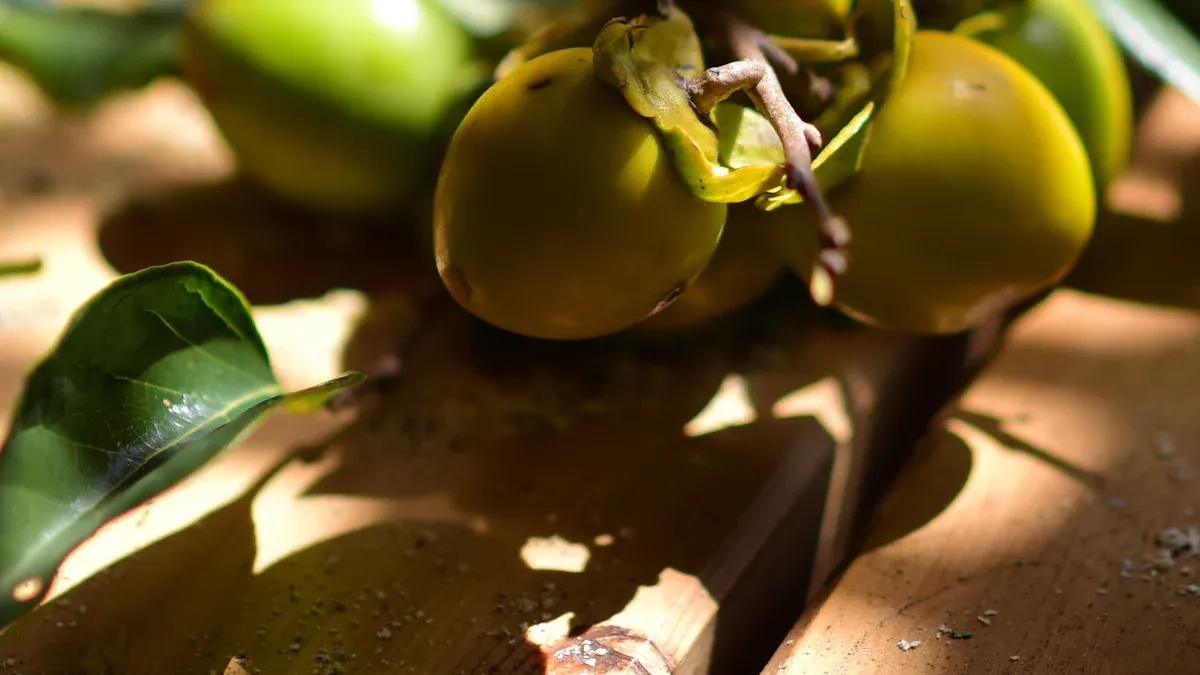
I look for sweeteners that are natural and healthy. Pure monk fruit extract is special because it comes from monk fruit. Monk fruit is a gourd that grows in China. Monk fruit sweeteners are different from other low-calorie sweeteners. Their sweetness comes from mogrosides. Mogrosides are special compounds, not sugars like glucose or fructose.
Here is a table that compares pure monk fruit extract to other sweeteners:
Characteristic | Monk Fruit Extract | Other Sweeteners |
|---|---|---|
Source | Comes from monk fruit, a gourd from China | Comes from sugars like glucose and fructose |
Composition | Sweetness from mogrosides, unique antioxidants | Sweetness from sugars |
Sweetness Level | Varies, stevia is 300 times sweeter | |
Caloric Content | Zero calories | Varies, often has calories |
Health Benefits | Antioxidant properties, good for diabetics | Varies, some may have bad effects |
Monk fruit sweeteners have zero calories. This is good for people who want no-calorie sweeteners. I use monk fruit sweetener in drinks and baking. It does not add calories. Some low-calorie sweeteners taste strange. I think monk fruit sweeteners taste pleasant and clean.
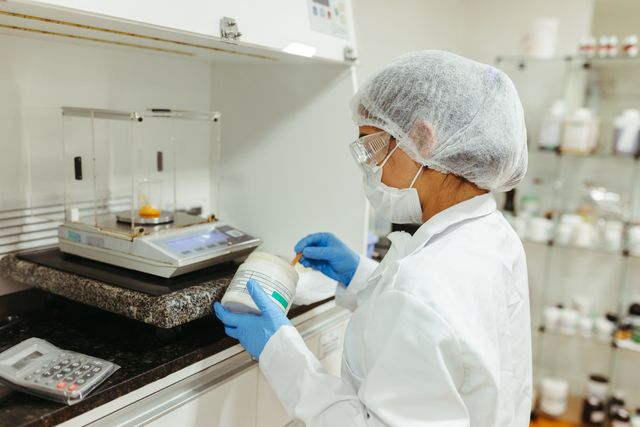
Purity is important when I pick pure monk fruit extract. Purity is measured by how much mogroside V is in the extract. High-grade extracts are used for nutraceuticals. Standard-grade extracts are used for food. Ultra-grade extracts are now used for medicine. Extraction methods like enzyme-assisted and supercritical CO₂ extraction help keep the extract pure.
High-grade extracts go into nutraceuticals.
Standard-grade extracts are for food.
Ultra-grade extracts are for medicine.
Enzyme-assisted and supercritical CO₂ extraction make the extract purer.
The purity of monk fruit extract depends on mogroside V. Standard extracts have 25-50% mogroside V. High-purity extracts can have up to 90%. New methods like ultrasonic extraction help increase purity.
Mogrosides and Sweetness
Mogrosides make monk fruit sweeteners taste very sweet. These compounds make pure monk fruit extract much sweeter than table sugar. The sweetness can be 100 to 300 times more than sucrose. This depends on the mogroside structure and the food.
Mogrosides can be up to 300 times sweeter than sucrose.
Only some mogrosides with mogrol aglycone and more than three sugar units taste sweet.
Mogrosides are the main compounds that make monk fruit sweeteners so sweet.
I checked mogroside V in different monk fruit sweeteners. Dried monk fruit has about 1.5-2% mogroside V. Monk fruit extract powder that is 90 times sweeter than sugar has 25% mogroside V. Some products, like FruitSource® Monk Fruit Extract, have up to 40% mogroside V.
Product Description | Mogroside V Content |
|---|---|
Dried monk fruit | 1.5-2% |
Monk Fruit Extract Powder – 90X Sweeter Than Sugar | 25% |
FruitSource® Monk Fruit Extract | 40% |
I use monk fruit sweeteners because they are low-calorie and no-calorie sweeteners. They do not raise blood sugar. This helps people with diabetes. Monk fruit sweeteners also have antioxidant properties. This adds to their health benefits.
Groups like the FDA and EFSA have checked monk fruit extract for safety. Studies show that monk fruit extract with 25% and 55% mogroside V did not cause mutations in bacteria. Longer studies are needed to confirm safety. No effects on reproductive or developmental toxicity have been found in rats.
Tip: If you want a sweetener that is low-calorie and no-calorie, try monk fruit sweeteners. They give a natural sweet taste without calories or bad effects from other sweeteners.
Pure monk fruit extract is a good choice for people who want low-calorie sweeteners with zero calories. The sweet taste comes from mogrosides, not sugar. The extract is made carefully to keep it pure. Monk fruit sweeteners give me the sweetness I want, the health benefits I need, and peace of mind from using a natural product.
How Pure Monk Fruit Extract Is Made
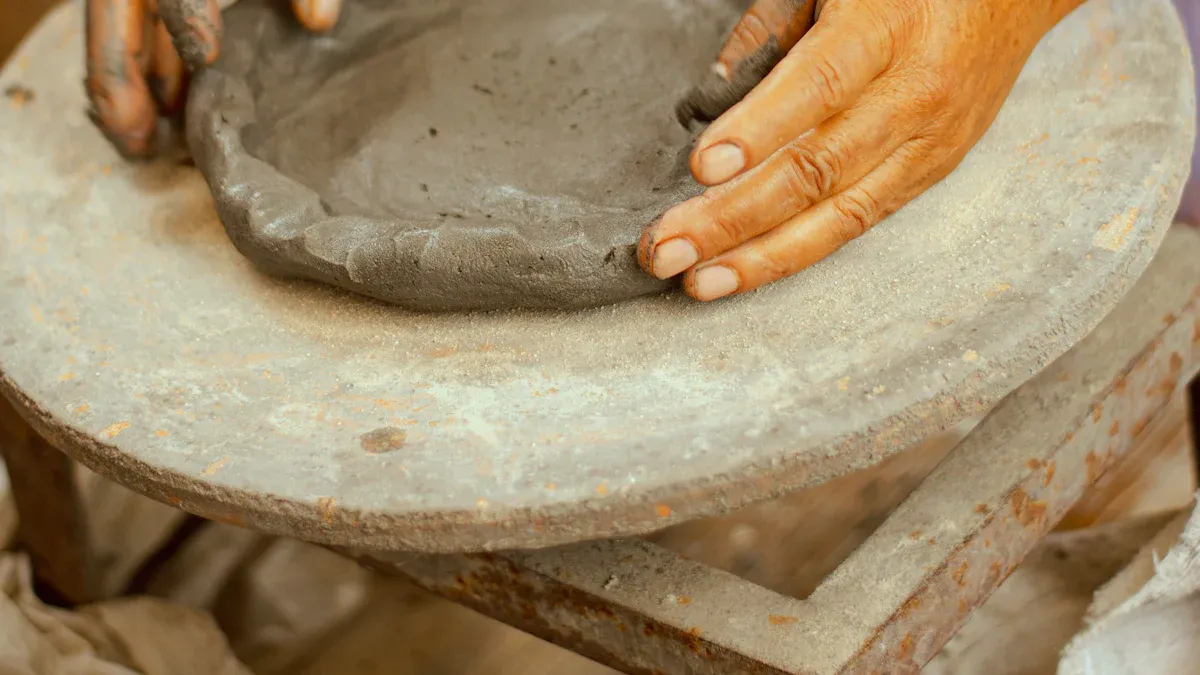
Fruit Selection and Preparation
I pick the best monk fruit for sweeteners. The fruit grows where it rains a lot and is humid. The temperature changes a lot from day to night. Farmers use old ways to grow the fruit. They do not use pesticides. They pollinate and pick each fruit by hand. This keeps the fruit safe and natural for sweeteners with low calories.
Before starting, I check the fruit three times. I look for damage or chemicals. Lab tests help me make sure the fruit is pure. Only the best fruit goes into the process. This helps me get sweeteners that are healthy and low in calories.
Criteria | Description |
|---|---|
Monk fruit needs lots of rain, humidity, and big temperature changes. | |
Farming Practices | No pesticides, hand-pollinated, and picked using old ways. |
Extraction Process | No roasting or pre-processing, so flavor and sweetness stay fresh. |
Quality Assurance | Three checks: look at the fruit and test for chemicals. |
I wash the monk fruit very well. I break the fruit into small pieces by hand. I put all the pieces, even the skin, into a big pot. Crushing the fruit lets out the sweet juice. This step is important for making sweeteners with low calories.
Break the whole fruit into small pieces.
Use hot water to get the juice out.
Extraction and Separation
After getting the fruit ready, I crush it and add hot water. This makes a sweet mix. I filter it to get clear, sweet juice. I want to keep the mogrosides because they make monk fruit sweet and low in calories.
Step | Description |
|---|---|
1 | |
2 | |
3 | Filter to get clear, sweet juice. |
4 | Filter again to separate sweet antioxidants and sugars, then dry as powder. |
I use a special solution with polygalacturonase. I keep the mix at 25-35 °C for 4-5 hours. This helps break down the fruit. I use ultrapure water to get more juice. I filter the juice many times. I use high heat, between 85-100 °C, and change the water and time for each step. I make the juice thicker and use a centrifuge to separate parts. I use special columns to separate mogrosides from sugars. Alcohol helps finish the process. This keeps monk fruit sweeteners pure and low in calories.
Note: It takes a lot of monk fruit to make a little pure monk fruit extract. Many fruits are needed to get enough mogrosides for sweeteners. This makes monk fruit sweeteners special as a sugar substitute.
Purification and Drying
I want my monk fruit sweeteners to be very pure. I use a special method with carbon dioxide. This does not leave any bad stuff behind. I use ultrafiltration and nanofiltration to separate mogrosides from other things. I use high-performance liquid chromatography to get certain mogrosides. These steps help me get pure monk fruit extract with zero calories.
After cleaning, I spray dry the extract to make a fine powder. This powder is easy to use instead of sugar or in foods. The process keeps the mogrosides and removes bad stuff. I check the safety of monk fruit extract at every step. I want monk fruit sweeteners to be safe and healthy for everyone.
Environmental Impact | Description |
|---|---|
Sustainability | Monk fruit farming uses less resources than sugarcane. |
Local Ecosystem Effects | Bigger farms can cause trees to be cut down and hurt animals. |
Responsible Farming Practices | Local rules and good ways help keep farming safe for nature. |
Global Demand | I try to balance demand and protect the environment. |
Community Well-being | I care about local people and try to keep the land healthy. |
I pick monk fruit sweeteners because they are low in calories and have no calories. The process keeps the sweetener pure and safe. I use monk fruit sweetener instead of sugar and like the sweet taste. It does not raise blood sugar. The safety of monk fruit sweetener is important to me. I trust the process and the health benefits it gives.
What Makes Monk Fruit Sweeteners Special?
Comparing to Other Sweeteners
I want sweeteners that taste good and are safe. Monk fruit sweeteners come from a natural fruit. They have zero calories. I compare monk fruit to stevia and erythritol. Monk fruit is much sweeter than sugar. It is 150 to 300 times sweeter. Stevia is also very sweet, but can taste bitter. Erythritol is less sweet than monk fruit. It tastes clean but is only about 60 to 80 percent as sweet as sugar. Monk fruit sweeteners do not have a strong aftertaste. This makes them good for drinks and baking. Some people mix monk fruit with erythritol. This helps make the taste and texture better.
Calories matter to me. I want sweeteners with no calories. Monk fruit extract has zero calories. Table sugar has four calories in each gram. Artificial sweeteners are low-calorie or have no calories. Monk fruit sweeteners help me cut calories. I use them instead of sugar in many foods. They help me manage my weight.
Health and Allergy Benefits
I pick monk fruit sweeteners because they are healthy. Studies show monk fruit sweeteners help control blood sugar. They can lower inflammation too. One study found an 18 percent drop in glucose. It also showed a 22 percent drop in insulin. Another study said monk fruit helps people with diabetes. A third study found a 25 percent drop in inflammation markers.
Monk fruit sweeteners do not raise blood sugar. They are good for people with diabetes. Mogrosides give monk fruit its sweet taste. They may help lower inflammation.
I check for allergies before using sweeteners. Monk fruit sweeteners are usually safe. Allergies are rare. People allergic to gourds should be careful. Symptoms can be skin rashes, trouble breathing, or swelling in the mouth and throat.
Most people can use monk fruit sweeteners safely. I read labels and talk to my doctor if I have allergies. Monk fruit sweeteners are my favorite choice. They are natural and have zero calories. They offer health benefits. I trust them for my family.
How to Use Monk Fruit Sweetener
Everyday Uses
I use monk fruit sweeteners in many recipes at home. These low-calorie sweeteners work well in both drinks and desserts. I like to make sugar-free besan laddoo by roasting besan with ghee, then adding monk fruit powder before shaping the laddoos. For a keto-friendly kheer, I cook rice or a low-carb alternative with milk and cardamom, then sweeten it with monk fruit sweetener. I also prepare monk fruit gulab jamun by using monk fruit sugar in the dough and syrup. Sugar-free carrot halwa is another favorite. I cook grated carrots with ghee and milk, then add monk fruit sweetener for a natural sweetener option.
Monk fruit sweeteners are stable at high temperatures. I bake cookies, muffins, cakes, and bread with them. The sweeteners keep their sweetness even when I use high heat. I notice that recipes may taste and feel a bit different when I replace sugar with monk fruit sweeteners. I see more people choosing low-calorie and no-calorie sweeteners because they want healthier options. The demand for monk fruit sweeteners has grown as more people look for clean-label products and natural ingredients.
Tips for Best Results
I learned how to use monk fruit sweetener by trying different recipes. I start with a 1:1 ratio when I replace sugar with monk fruit sweeteners. For pure monk fruit, I use ¼ cup or ½ cup for every cup of sugar. This helps me get the right sweetness. Monk fruit sweeteners add sweetness but do not give the same browning or structure as sugar. When I bake cookies, I sometimes mix monk fruit sweetener with erythritol to improve texture.
I read that both children and adults like the taste of monk fruit sweeteners. Surveys show that people rate monk fruit sweeteners higher than stevia. I use monk fruit sweeteners because they are low-calorie, no-calorie sweeteners, and offer health benefits. I choose monk fruit sweeteners for their natural taste and low-calorie profile. I always check the recipe and adjust the amount to get the best results.
Tip: Try monk fruit sweeteners in your favorite recipes. Start with small amounts and adjust to your taste. Mix with other low-calorie sweeteners if you want better texture in baked goods.
I pick pure monk fruit extract because it is natural. It tastes very sweet and has no calories. The way it is made keeps it clean and safe. Health groups say it is safe to use. I do not see any bad side effects. It does not change how hungry I feel. Monk fruit sweeteners do not change blood sugar or hurt the stomach.
Misconception | Clarification |
|---|---|
Unsafe for diabetics | Has no sugar and does not change blood sugar |
Has calories | Has zero calories |
Harmful side effects | No proof of harm; FDA says it is safe |
Lacks health benefits | Mogrosides might have antioxidant effects |
I think pure monk fruit extract is good for people who want a sweetener that is healthy and natural.
FAQ
What are monk fruit sweeteners made from?
I use monk fruit sweeteners that come from the monk fruit, a small green gourd from China. The sweet taste comes from mogrosides. These compounds make monk fruit sweeteners much sweeter than sugar. I like that they are natural and have no calories.
Are monk fruit sweeteners safe for everyone?
I trust monk fruit sweeteners because health groups like the FDA say they are safe. I have not seen any bad side effects. Most people can use monk fruit sweeteners, even those with diabetes. I always check with my doctor if I have health concerns.
Can I bake with monk fruit sweeteners?
I bake cookies, cakes, and muffins using monk fruit sweeteners. They keep their sweetness at high temperatures. Sometimes, I mix monk fruit sweeteners with other low-calorie sweeteners for better texture in baked goods. I find that monk fruit sweeteners work well in many recipes.
Do monk fruit sweeteners taste like sugar?
I think monk fruit sweeteners taste clean and pleasant. They do not have a bitter aftertaste like some other sweeteners. When I use monk fruit sweeteners in drinks or desserts, I notice the sweetness is strong and natural. Many people prefer the taste of monk fruit sweeteners.
How do monk fruit sweeteners affect blood sugar?
I use monk fruit sweeteners because they do not raise my blood sugar. The mogrosides in monk fruit sweeteners do not act like regular sugar. People with diabetes often choose monk fruit sweeteners for this reason. I feel safe using them in my daily meals.