You may ask why your dessert is sometimes soft and creamy, but other times it is firm and breaks easily. This usually happens because you used either gelatin and agar agar. Gelatin is made from animals and gives desserts a soft, smooth feel, while agar agar comes from plants. Agar agar needs more heat to set and creates a harder gel. Look at the table below to see how they are different:
Aspect | Gelatin | Agar Agar |
|---|---|---|
Origin | Animal-based | Plant-based |
Setting Temperatures | Cooler temperatures | Higher temperatures |
Texture | Soft, creamy | Firm, brittle |
Activation Method | Warm water | Boiling required |
Versatility | Creamy desserts | Firmer gels |
Key Takeaways
Gelatin comes from animals and makes soft, creamy treats. You can use it in mousse and cheesecake.
Agar agar comes from plants and makes firm, stable gels. It is good for jellies and vegan foods.
You must boil agar agar to make it work. If you skip this, your dessert may not set.
Be careful when you swap agar agar for gelatin. Use less agar agar because it is much stronger.
Think about what people can eat when you pick between gelatin and agar agar. Agar agar is good for vegetarians and vegans.
What Is Gelatin?
How It Works
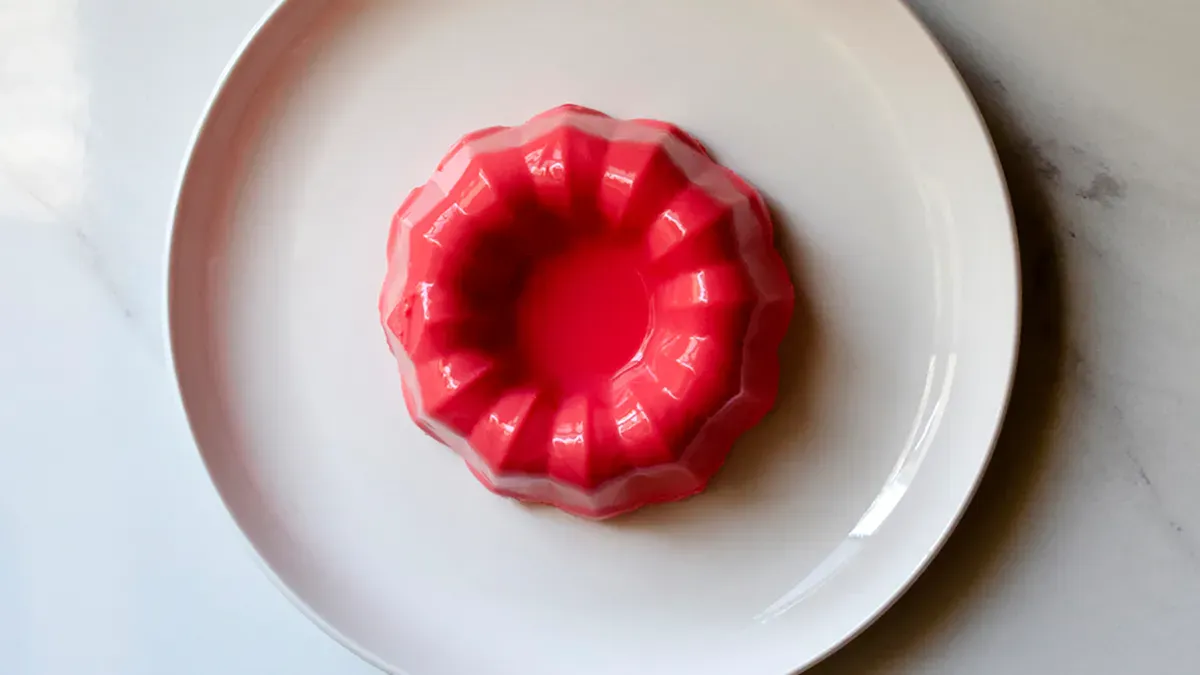
Gelatin comes from animal collagen. It usually comes from cows or pigs. People use it to make foods thicker. You can find it in powder or sheet form. When you mix it with warm water, it dissolves. The mixture becomes thick and sticky. As it cools, it turns into a soft gel. You do not need to boil gelatin. Warm water is enough to make it work. This makes it easy to use in recipes that do not need cooking.
Gelatin and agar agar both help make foods with special textures. Gelatin is different because it feels smooth and stretchy. You can use it in foods that need a gentle set. Mousse and cheesecake are good examples. Gelatin works best when it is cool. It melts in your mouth. This is why people like it in creamy desserts.
Tip: Always put gelatin on cold water before you heat it. This helps it mix well and stops lumps from forming.
Texture and Uses
Gelatin makes foods soft and creamy. You can see this in marshmallows, gummies, and mousse. It also makes sauces thicker. It keeps frozen treats from getting too hard. You can use gelatin in sweet or savory foods.
Here are some ways people use gelatin:
Making sauces thicker
Stopping frozen treats from getting too hard
Cake decorations
Good for desserts that are not cooked
Gummies that help your immune system
Marshmallows
Gummies
Salmon mousse
Chocolate mousse
No bake cheesecake
Key lime pie
Fruit mold
Smoothies
Gelatin and agar agar come from different places and have different uses. Gelatin has been used in Western cooking for a long time. You can find it in old recipes for aspics and molded salads. It makes foods soft and easy to eat. Many people like it in classic desserts.
What Is Agar Agar?
How It Works
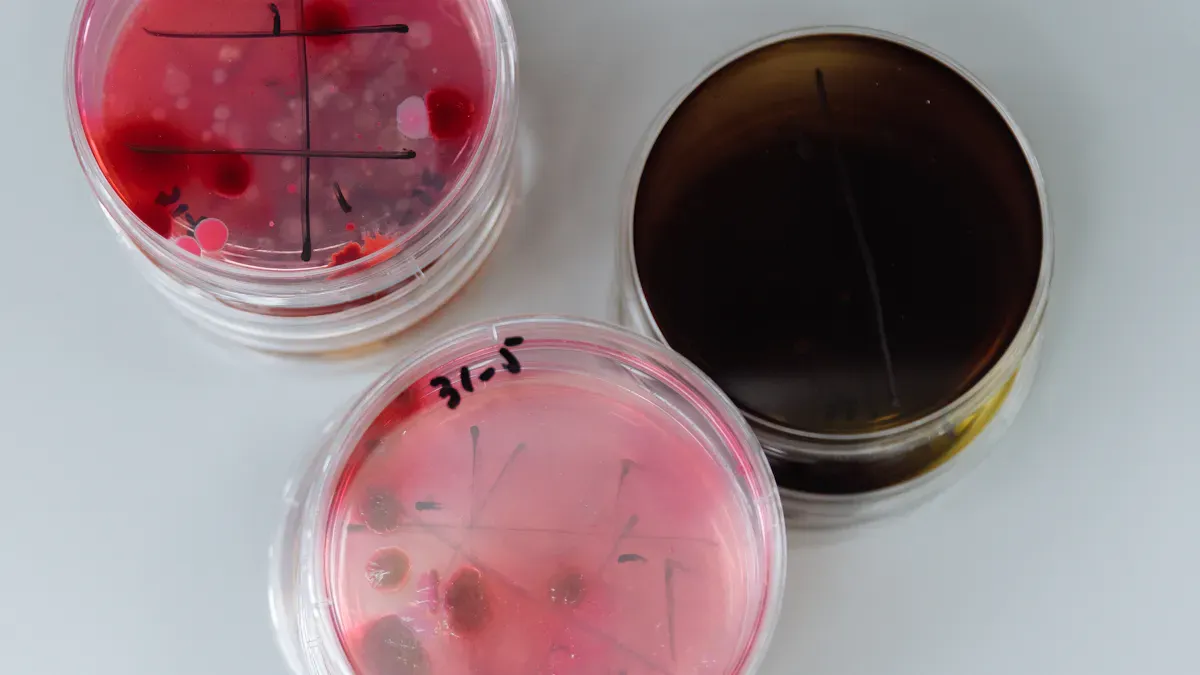
Agar agar comes from certain types of red seaweed. People have used it for many years, especially during times when it was needed for health and science. During World War II, researchers and scouts searched the British coastline for seaweed rich in agar. This search helped make vaccines and antibiotics, showing how important agar agar is for public health.
You get agar agar by harvesting seaweed every 35 to 45 days. Workers dry the seaweed in the sun for a few days. After drying, they wash it to remove sand and salt. Then, they use hot water to extract the gel. Some seaweed types need extra steps to make the gel stronger. The gel is then dried and ground into powder or flakes.
Agar agar forms gels because of a part called agarose. When you heat agar agar in water, the agarose chains move freely. As the mixture cools, these chains stick together and form a network. This network traps water and creates a firm gel. Unlike gelatin, agar agar needs boiling water to dissolve. It sets quickly as it cools, even at room temperature.
Tip: Always boil agar agar to activate its gelling power. If you skip this step, your dessert may not set.
Texture and Uses
Agar agar gives foods a firm and brittle texture. You will notice that it breaks cleanly instead of stretching. This makes it different from gelatin, which feels soft and bouncy. Many people use agar agar in vegetarian and vegan recipes because it comes from plants.
You can use agar agar in many ways:
Set fruit jellies, panna cotta, and custards
Thicken sauces, soups, and gravies without changing their taste
Make jams and marmalades as a pectin substitute
Create jelly desserts in Japanese, Vietnamese, Indian, and Filipino cuisines
Stabilize foods that need to stay firm at room temperature
Agar agar works well in both sweet and savory dishes. It stays solid even in warm weather, so you do not have to worry about your dessert melting. You will find agar agar in bubble tea, jelly bars, and even in candies shaped like fruit slices. When you compare gelatin and agar agar, you see that agar agar is better for recipes that need a strong, stable gel.
If you want a plant-based option or need your dish to hold its shape outside the fridge, agar agar is a great choice. Many cooks around the world use both gelatin and agar agar to create unique textures in their foods.
Key Differences in Gelatin and Agar Agar
Texture and Consistency
Gelatin and agar agar make desserts feel different. Gelatin gives desserts a soft and stretchy feel. It melts in your mouth and tastes creamy. Agar agar makes desserts firm and easy to cut. It breaks apart instead of stretching. Agar agar helps desserts keep their shape, even when not cold.
Feature | Agar Agar | Gelatin |
|---|---|---|
Texture | Firm, sliceable gel | Soft, elastic gel |
Melting Point | Stays firm at room temp | Melts in mouth |
Gelatin is good for creamy, wobbly desserts. Agar agar is best for desserts that need to stay firm and neat.
Source and Dietary Suitability
Where gelatin and agar agar come from matters for your diet. Gelatin comes from animals. Vegetarians and vegans cannot eat it. Agar agar comes from red seaweed. It is plant-based and good for vegetarians and vegans.
Here is a quick look:
Source | Type | Dietary Suitability |
|---|---|---|
Gelatin | Animal | Not suitable for vegetarians or vegans |
Agar Agar | Plant | Suitable for vegetarians and vegans |
Always check where your gelling agent comes from. If you want a plant-based dessert, choose agar agar.
Note: Agar agar has lots of fiber and almost no calories. Gelatin has more protein but is not vegan.
Temperature Resistance
Gelatin and agar agar act differently with heat and cold. Gelatin needs to be chilled in the fridge to set. It melts in your mouth and feels creamy. Agar agar sets at room temperature and stays firm even when warm. You can use agar agar for dishes that do not need to be cold.
Here is a table to show the differences:
Gelling Agent | Melting Point | Setting Temperature |
|---|---|---|
Agar Agar | 185°F (85°C) | 99°F (37°C), room temp |
Gelatin | 95°F (35°C) | Needs refrigeration |
Agar agar works well in hot dishes and warm places.
Gelatin is best for cold desserts and melts easily.
Agar agar is better if you want your dessert to stay firm at a party or picnic.
Strength and Conversion Ratio
Agar agar is much stronger than gelatin. You need less agar agar to set the same amount of liquid. Usually, 1 teaspoon of agar agar powder equals 8 teaspoons of gelatin powder. So, use much less agar agar in recipes.
Agar Powder | Gelatin Powder |
|---|---|
1 teaspoon | 8 teaspoons |
If you switch from gelatin to agar agar, start with a small amount. Too much agar agar can make your dessert very firm or rubbery.
Tip: Always measure carefully when you use agar agar instead of gelatin. Agar agar is much stronger than you might think!
Gelatin and agar agar are different in many ways. These differences change how your desserts look, taste, and feel. They also matter for your diet and how you cook your recipes.
Substituting Gelatin and Agar Agar
Conversion Tips
Switching between gelatin and agar agar can feel tricky, but you can do it with the right steps. Agar agar is much stronger than gelatin, so you need less. Use this table to help you measure:
Gelatin (Powder) | Agar-Agar Powder | Agar Flakes | Agar Bars |
|---|---|---|---|
1 Tbsp | 1 tsp | 1 Tbsp | ½ Bar |
1 Cup Liquid Gel | ½–1 tsp | 1½–2 tsp | ¼–½ Bar |
Follow these steps for best results:
Measure your agar powder using the chart above.
Mix agar with your liquid while it is still cold. This helps prevent clumps.
Bring the mixture to a boil and keep it boiling for 1–2 minutes. Stir the whole time.
Pour the hot mixture into molds or dishes right away.
Let it set at room temperature. Agar agar gels quickly and does not need the fridge.
Tip: Start with less agar agar than you think you need. You can always add more if you want a firmer texture.
Adjusting Recipes
You may need to change your recipe a little when you swap gelatin for agar agar. Agar agar sets much firmer, so use about one-third the amount of agar powder compared to gelatin powder. If you want a softer gel, use even less agar. Always boil agar agar to make sure it works. If your recipe has lemon juice or vinegar, add these after boiling. Acidic foods can make agar agar weaker if you add them too soon.
Troubleshooting
Sometimes, your dessert does not set the way you want. Here are some common problems and how to fix them:
If your agar agar dessert is too firm or rubbery, use less agar next time.
If it is too soft, add a little more agar powder.
If the gel does not set, make sure you boiled the agar mixture for at least one minute.
If you see lumps or grainy bits, whisk agar into cold liquid before heating. Strain the mixture before pouring if needed.
For unset mixtures, blend until smooth, reheat, and try setting again.
Note: Gelatin and agar agar work differently. Always check your measurements and steps for the best results.
Choosing Between Gelatin and Agar Agar
Recipe Considerations
Think about your recipe before you choose a gelling agent. Some desserts need to be soft and creamy. Others need to be firm and easy to cut. Gelatin works best for panna cotta and mousse. These desserts should feel smooth and melt in your mouth. Agar agar is good for fruit gelées and jellies. It makes desserts firmer and helps them keep their shape at room temperature.
Here is a quick comparison:
Recipe Type | Best Gelling Agent | Why |
|---|---|---|
Panna Cotta, Mousse | Gelatin | Soft, creamy, elastic texture |
Fruit Gelée, Jellies | Agar Agar | Firm, stable, plant-based |
Plant-based Panna Cotta | Agar Agar | Vegan-friendly, holds shape well |
Marshmallows, Custards | Gelatin | Stretchy, melts in the mouth |
Tip: Pick gelatin for creamy desserts. Use agar agar for vegan or firm jellies.
Dietary Preferences
Your diet matters when you pick between gelatin and agar agar. Gelatin comes from animals. It is not good for vegetarians or vegans. Agar agar comes from seaweed. It is safe for vegetarians, vegans, and people who avoid animal foods for religious reasons. Many people want more plant-based foods now. Some people do not want to use animal products for ethical reasons. Agar agar is a good choice for these needs.
Gelatin is not for vegetarians or vegans.
Agar agar is a plant-based option.
Some religions do not allow gelatin.
Note: If you cook for others, always ask about dietary needs.
Texture Preferences
Texture is important for your dessert. Gelatin makes a soft, stretchy gel that melts in your mouth. Agar agar makes a firm, brittle gel that keeps its shape even when warm. Chefs use gelatin for creamy, wobbly desserts. They use agar agar for dishes that must stay firm at room temperature.
Result | |
|---|---|
Gelatin | Elastic gel, melts in the mouth |
Agar Agar | Firm vegan gel, holds shape at room temp |
You can pick gelatin or agar agar based on the texture you want. If you like creamy, jiggly desserts, use gelatin. If you want desserts that slice easily and stay solid, use agar agar.
You have learned how gelatin and agar agar are not the same. Gelatin is made from animals and makes desserts soft and creamy. Agar agar comes from plants and is firmer, so it is good for vegan recipes.
Agar has minerals and sets fast at room temperature.
Gelatin has lots of protein but is not for vegetarians or vegans.
Always measure with care and read the product instructions.
Try using both in small amounts to find your favorite texture. Tell others what you made and have fun making new desserts!
FAQ
Can you use gelatin and agar agar in the same recipe?
You can use both, but the textures may clash. Gelatin gives a soft feel. Agar agar creates a firm gel. Try each separately first to see which texture you prefer.
Is agar agar healthier than gelatin?
Agar agar contains fiber and almost no calories. Gelatin has protein but comes from animals. Choose agar agar for plant-based diets. Pick gelatin if you want more protein.
Why does my agar agar dessert not set?
You must boil agar agar to activate it. If you skip boiling, your dessert stays liquid. Always stir and boil for at least one minute.
Can you freeze desserts made with gelatin or agar agar?
You can freeze gelatin desserts, but they may lose their texture. Agar agar desserts stay firm after freezing. Use agar agar for treats you want to freeze.
What is the best way to store gelatin and agar agar?
Store both in airtight containers. Keep them in a cool, dry place. Avoid moisture to prevent clumping. Check the expiration date before use.