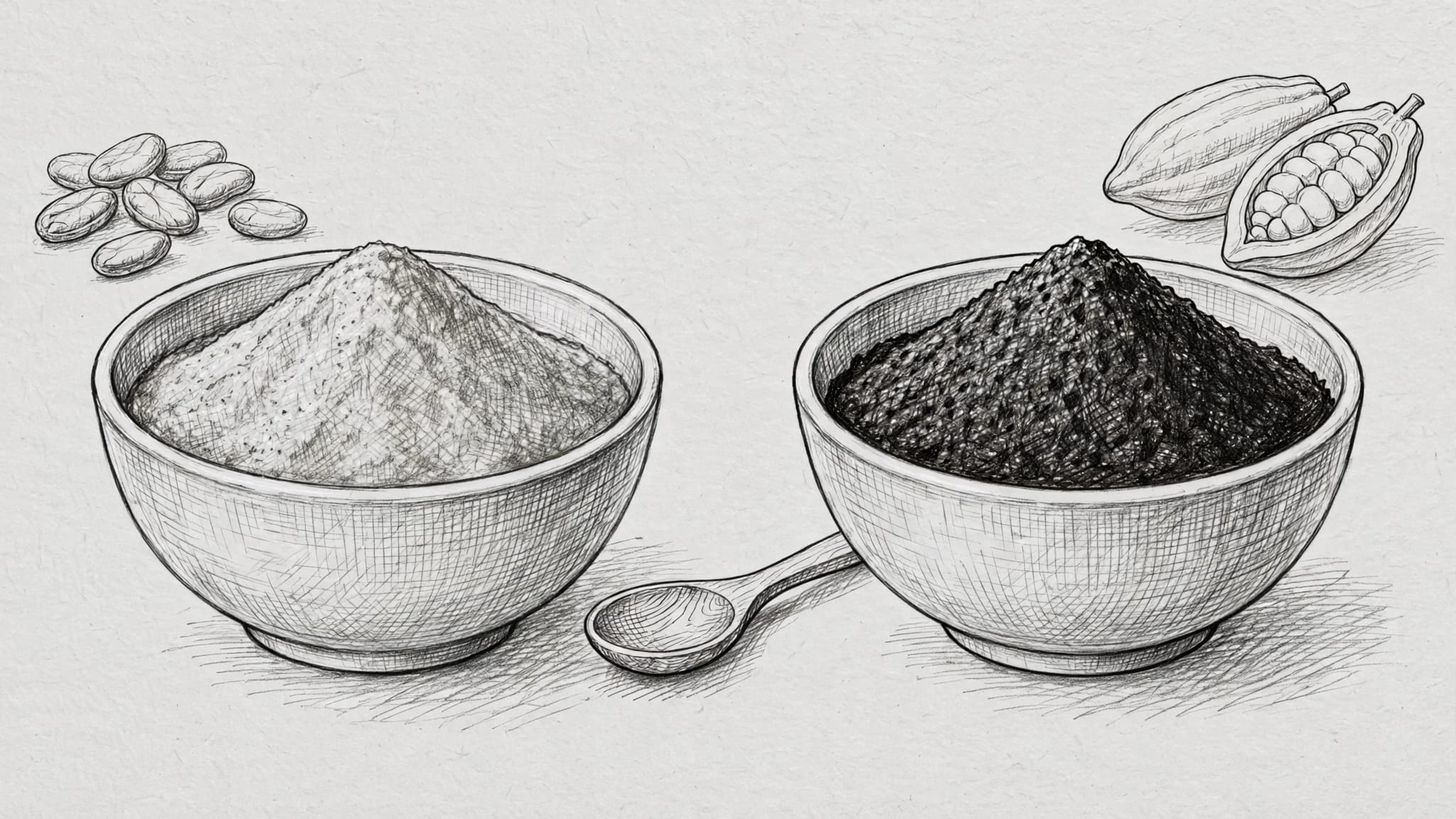
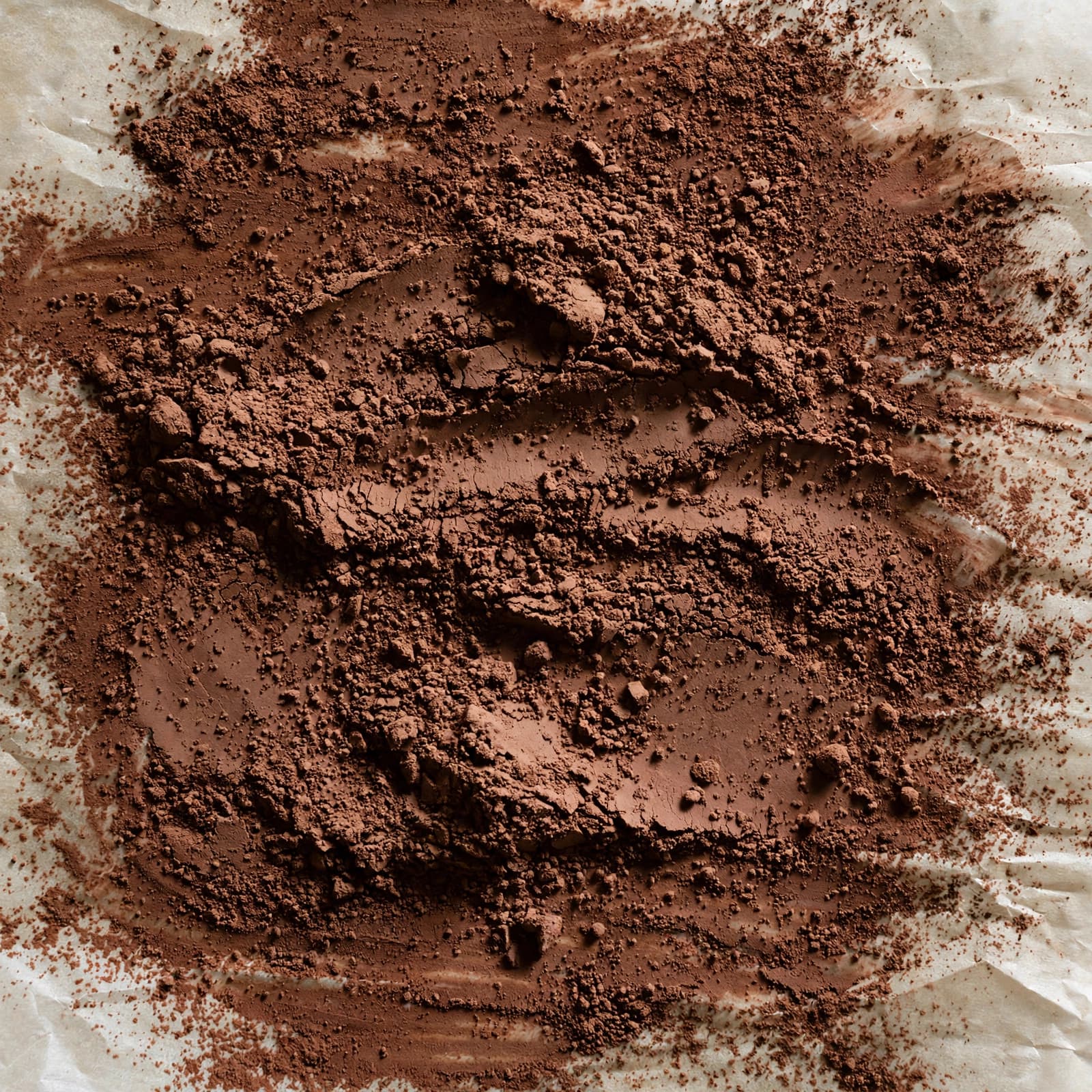
Open two tubs of cocoa powder side by side and the difference is obvious before you taste anything. One is light reddish brown, the other nearly black. That visual gap comes from one processing step, and it changes pH, leavening behavior and flavor along the way. Understanding natural vs. alkalized cocoa powder helps you pick the right grade for your formulation instead of guessing. Here is how the two differ and where each one belongs.
Two Powders, One Bean
Both powders start the same way: roasted cacao beans are cracked, ground and pressed to remove most of the cocoa butter. The remaining solids are milled into powder. Natural cocoa stops there. Alkalized cocoa, also called Dutch-processed cocoa, takes an extra step.
The Dutching process dates back to Coenraad Johannes van Houten in the 19th century. Manufacturers wash the cocoa with an alkaline solution, usually potassium carbonate, under heat and pressure. We cover this in more depth in our natural vs Dutch process cocoa powder guide, but the short version is that the treatment neutralizes acidity and changes nearly everything downstream.
pH: The Core Difference
How Alkalization Changes pH
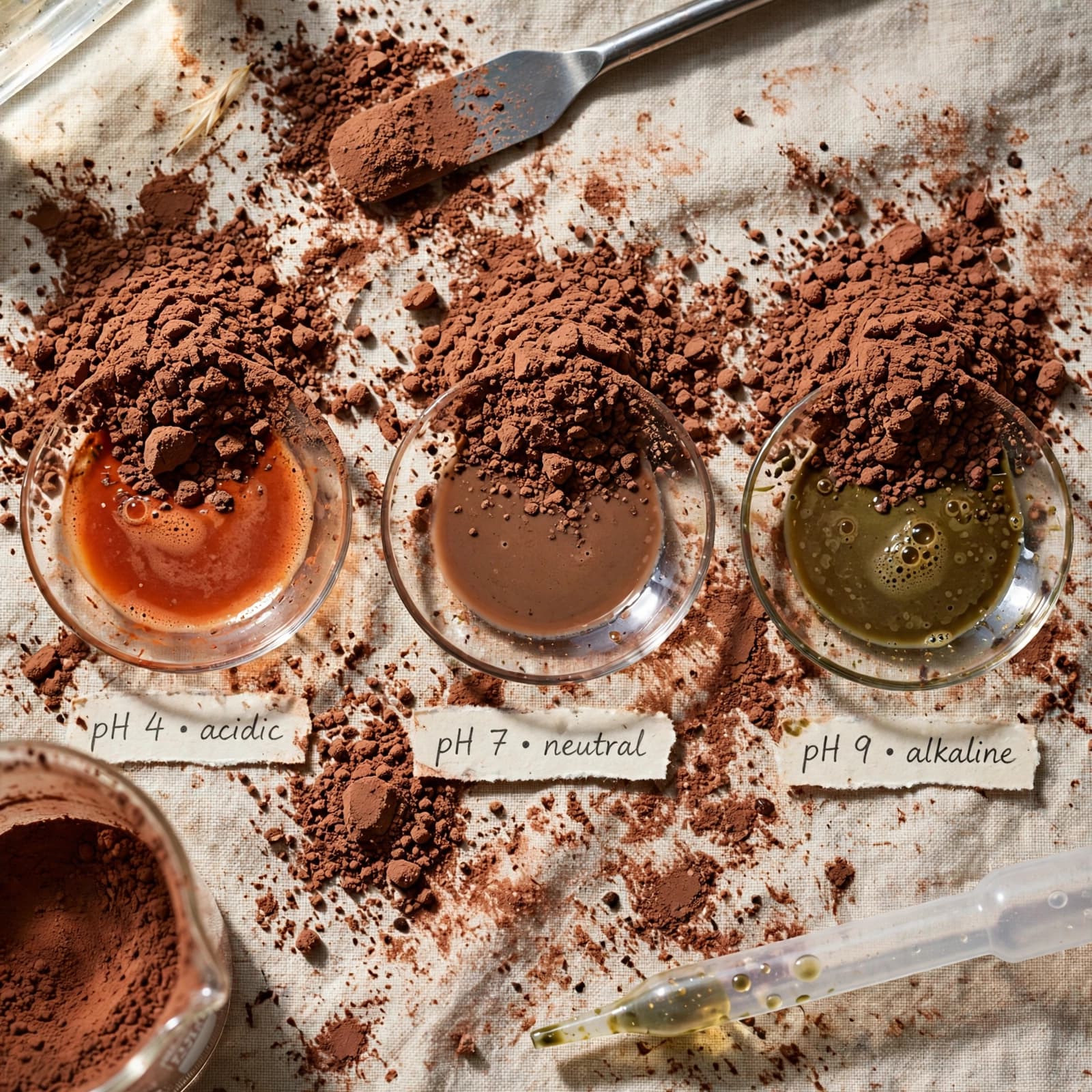
Natural cocoa is acidic, with a measured pH of 5.3 to 5.8 according to a widely cited 2008 study by Miller and colleagues. Alkalization pushes that number up, and the degree of treatment creates distinct grades rather than one fixed value.
| Type | pH range | Color |
|---|---|---|
| Natural | 5.3 to 5.8 | Light reddish brown |
| Lightly alkalized | 6.0 to 6.5 | Brown |
| Medium alkalized | 6.5 to 7.0 | Reddish dark brown |
| Heavily alkalized | 7.0 to 8.0 | Red-brown to near black |
The American Society of Baking notes that higher alkalization also increases cake volume along with darker color, so the pH spec on a certificate of analysis tells you more than how dark the powder looks. At the extreme end, black cocoa is ultra-alkalized to a pH of 7.8 to 8.8, compared with 5.2 to 6.0 for untreated cocoa, as deZaan documents.
Color: A Direct Chemical Effect
Cocoa’s brown pigments are pH sensitive. Natural cocoa sits in acid, which keeps its color in the mid-brown range. When you bake natural cocoa with baking soda, the higher batter pH shifts the crumb toward mahogany or brick red. That is why old-fashioned devil’s food cakes have that warm red tone.
Alkalized cocoa skips the shift because the pigment changes happen during processing. Lightly Dutched powders bake deep brown, and heavily treated ones produce the near-black crumb you see in sandwich cookies and dark chocolate cakes. If a product brief calls for a dramatic dark appearance, the alkalization degree matters more than any food coloring.
Flavor: Sharp and Fruity Versus Mellow and Dark
The Taste Profile of Each
Tasters consistently describe natural cocoa as sharp, bitter and slightly fruity, with citric notes. Iowa State University Extension’s comparison of the two cocoas sums up the contrast: natural tastes brighter and more acidic, while Dutch-processed tastes smoother and more mellow. For beverages and confections where you want round, chocolate-forward flavor, alkalized powder usually wins.
The Flavanol Trade-Off
Alkalization has a cost. The Miller study found that treating cocoa with alkali substantially reduces its flavanol and antioxidant content, and a buyer’s guide from Cocoa Supply cites survey figures of 34.6 mg of flavanols per gram in natural cocoa against 3.9 mg in heavily alkalized powder. If your product positions on cocoa’s functional compounds, natural cocoa preserves far more of them. There is also a practical risk at the high end: heavily alkalized cocoa can taste soapy in finished cakes.
pH and Baking Chemistry
Matching Cocoa to Your Leavening
This is the rule most bakers learn the hard way. Baking soda needs an acid to react, and natural cocoa supplies one. So recipes leavened only with baking soda call for natural cocoa. Recipes using baking powder, which carries its own acid, work with alkalized cocoa.
What Happens When You Swap
Swapping is not automatically a disaster, but it does change the batter. When Serious Eats baked four chocolate cakes with swapped cocoas, Dutch-process cocoa in a baking soda batter raised the pH and produced a looser, more open crumb. Recipes with buttermilk or sour cream absorbed the change well, while an egg-leavened sponge mostly differed in flavor. As deZaan’s application notes point out, high-pH powders call for reduced baking soda and low-pH powders for more, so treat pH as a formulation variable, not a fixed number.
Where Each Cocoa Works Best
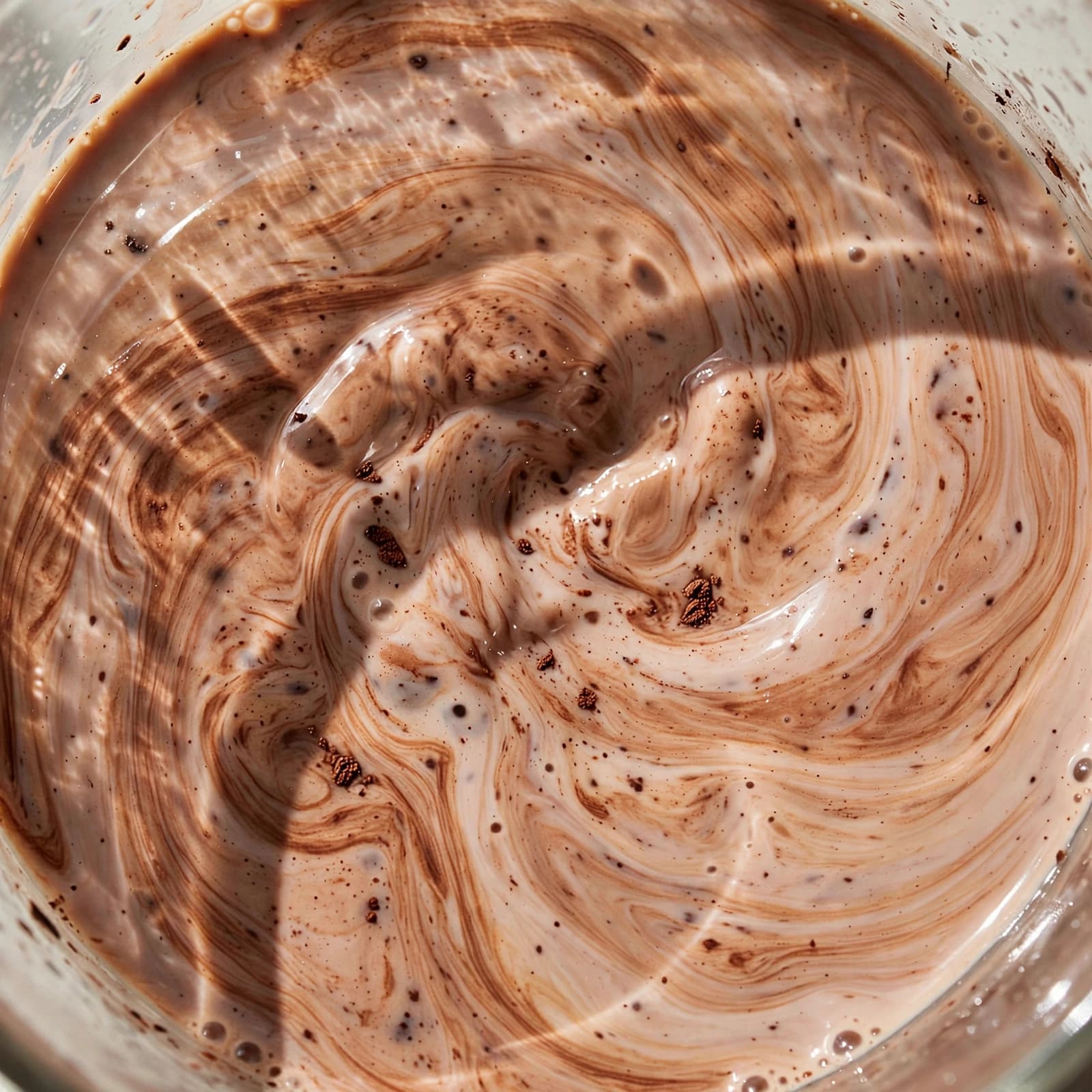
Alkalized cocoa disperses more readily in water and milk, which is why most hot chocolate mixes and chocolate beverages use it. Medium to heavily alkalized powders are standard in commercial bakery, including premium devil’s food cakes. Natural cocoa remains the default in American baking recipes, while European products lean heavily Dutched.
Fat content is another spec to watch. Our cocoa powder for bakery and confectionery comes in natural grade at a minimum of 10% fat and alkalized grade at 20 to 24% fat, and the higher-fat alkalized powder delivers richer mouthfeel in drinks and coatings. If you are working through an ingredient brief for a chocolate application, the fat level and alkalization degree should be written down together.
Choosing a Supplier Grade
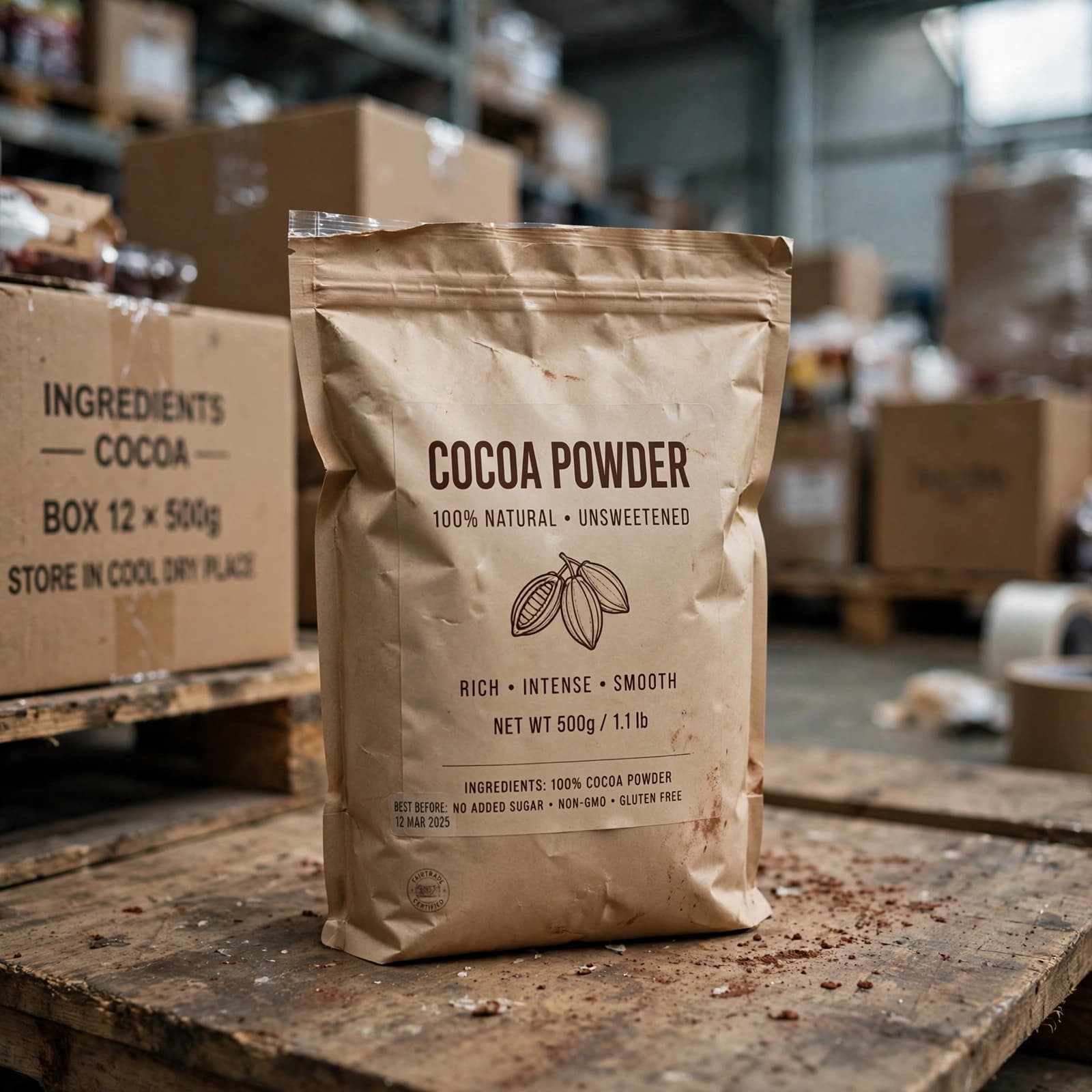
For manufacturers, the decision is rarely natural versus alkalized in the abstract. It is which pH, which fat level and which color target fit the finished product. Our team matches grades to the application, then supplies specification sheets, COA and samples so you can test the powder in your own batter before committing to volume. Buyers planning private label production can also review common supplier checks before signing a manufacturing partner.
Final Thoughts
The difference between these powders comes down to a number on a spec sheet. Natural cocoa stays acidic near pH 5.5, keeps its fruity bite and preserves more flavanols, but it demands baking soda. Alkalized cocoa runs from roughly pH 6.0 to 8.0, bakes darker, tastes smoother and disperses better in liquids, at the cost of some functional compounds. Match the pH to your leavening system, match the color to your product brief, and test a sample before scaling up.