If you want something that absorbs water best, Sodium Polyacrylate is the top choice. It can soak up hundreds of times its own weight. Sodium alginate does not absorb as much and changes more. Both materials have good and bad points:
Sodium Polyacrylate stays strong but can harm the environment because it does not break down fast.
Sodium alginate comes from nature, is safe, and usually costs less.
You find these materials in many things you use every day. They are in diapers, bandages, ice packs, and pet pads.
Category | Applications |
|---|---|
Health care | Paper/disposable diaper, Sanitary napkin, Nursing mat, Medical bandage, Wound dressings |
Animals | Pet pad, Horse urine odor absorbing, Drown-free water source for feeder insects |
Industry | Waste liquid control, Drilling fluid, Concrete protection, Quenching |
Environment | Anti-flood bag, Excreta collection |
Other | Artificial snow, Hot/cold gel pack, Waterbed, Growing toys, Thickening agent, Fragrance carrier |
Key Takeaways
Sodium polyacrylate soaks up water better than sodium alginate. This makes it great for things like diapers and pet pads.
Sodium alginate comes from seaweed. It is natural and safer for the earth. It works well in food and medical products.
Think about the price: sodium polyacrylate may cost less if you buy a lot. Sodium alginate is often cheaper and better for the planet.
Each material is special in its own way. Pick sodium polyacrylate if you need strong absorption. Choose sodium alginate for gentle and eco-friendly uses.
Always decide what is most important to you. Is it absorption, price, or helping the environment? This will help you pick the right material.
Material Basics
Sodium Polyacrylate Overview
Sodium Polyacrylate is in many things that need to soak up water fast. People started using it in the early 1960s. Scientists from the U.S. Department of Agriculture made it. They called it a super-absorbent polymer. Here are some facts about Sodium Polyacrylate:
Chemical formula: [−CH2−CH(CO2Na)−]n
It is an anionic polyelectrolyte. This means it has negative charges that pull in water.
It looks like a white powder or small grains. It does not have a smell.
It can soak up 100 to 1000 times its own weight in water.
You can find it in diapers, pet pads, and soil. It helps plants keep water.
Sodium Alginate Overview
Sodium alginate comes from brown algae. People get it by breaking open seaweed cells. Then they use a special way to collect the alginate. This material is natural and safe for you. Sodium alginate is in the cell walls of brown algae and some bacteria. Most companies use brown algae to make it. Sodium alginate is used to make food thicker, as a gel in wound dressings, and to keep products stable.
Key Properties for Absorption and Cost
Property | Sodium Polyacrylate | Sodium Alginate |
|---|---|---|
Absorption Capacity | Absorbs 200–1000x its mass in water | Absorbs less water, but forms gels easily |
Chemical Structure | Sodium salt of polyacrylic acid | Sodium salt of alginic acid from brown algae |
Solubility | Soluble in water, not in organic solvents | Soluble in water, forms gels with calcium ions |
Non-toxicity | Non-toxic, safe for consumer use | Non-toxic, safe and biodegradable |
Cost Factors | Synthetic, price depends on oil and production costs | Natural, price depends on algae supply and yield |
Tip: If you want something that soaks up the most water, pick Sodium Polyacrylate. If you want something natural and good for the earth, sodium alginate is a smart pick.
Absorption Comparison
Water Absorption
You might wonder how much water these materials can hold. Sodium polyacrylate is special because it can soak up 500 to 1000 times its own weight in pure water. This means one gram of sodium polyacrylate can hold half a liter to a whole liter of water. That is why it works so well in things like diapers and instant snow.
Sodium alginate does not hold as much water as sodium polyacrylate, but it still does a good job. Some types of sodium alginate can soak up to 500 grams of water for each gram. Other types can hold about 308 grams per gram. When sodium alginate takes in water, it makes a gel. This gel is useful in wound dressings and food.
Sodium polyacrylate: Soaks up 500–1000 times its weight in water
Sodium alginate: Soaks up to 500 times its weight (with special changes), but usually less
Note: Most sodium alginate you use every day holds less water than sodium polyacrylate, but it makes a soft gel that feels different.
Saline Absorption
You may want to know how these materials work with salty water, like sweat or urine. Sodium polyacrylate does not soak up as much salty water as pure water, but it still holds a lot. In salty water, it can soak up about 50 to 70 times its weight. This is why it is used in diapers and pet pads.
Sodium alginate does not soak up as much salty water. When it meets calcium or other ions in salty water, it makes a gel. This gel traps water, but the total amount is less than sodium polyacrylate. You see sodium alginate in wound dressings because the gel helps keep wounds moist.
Material | Water Absorption (g/g) | Saline Absorption (g/g) |
|---|---|---|
Sodium Polyacrylate | 500–1000 | 50–70 |
Sodium Alginate | Up to 500 (modified) | Lower, forms gel |
Absorption Mechanisms
You might ask why sodium polyacrylate and sodium alginate soak up water in different ways. The reason is their structure. Sodium polyacrylate is a super-absorbent polymer. It has lots of negative charges on its chain. These charges pull in water and trap it inside. That is why it swells so much.
Sodium alginate comes from brown seaweed. Its natural structure makes gels when it meets calcium or other ions. This gel holds water, but not as much as sodium polyacrylate. The gel is soft and bends easily, which is good for medical and food uses.
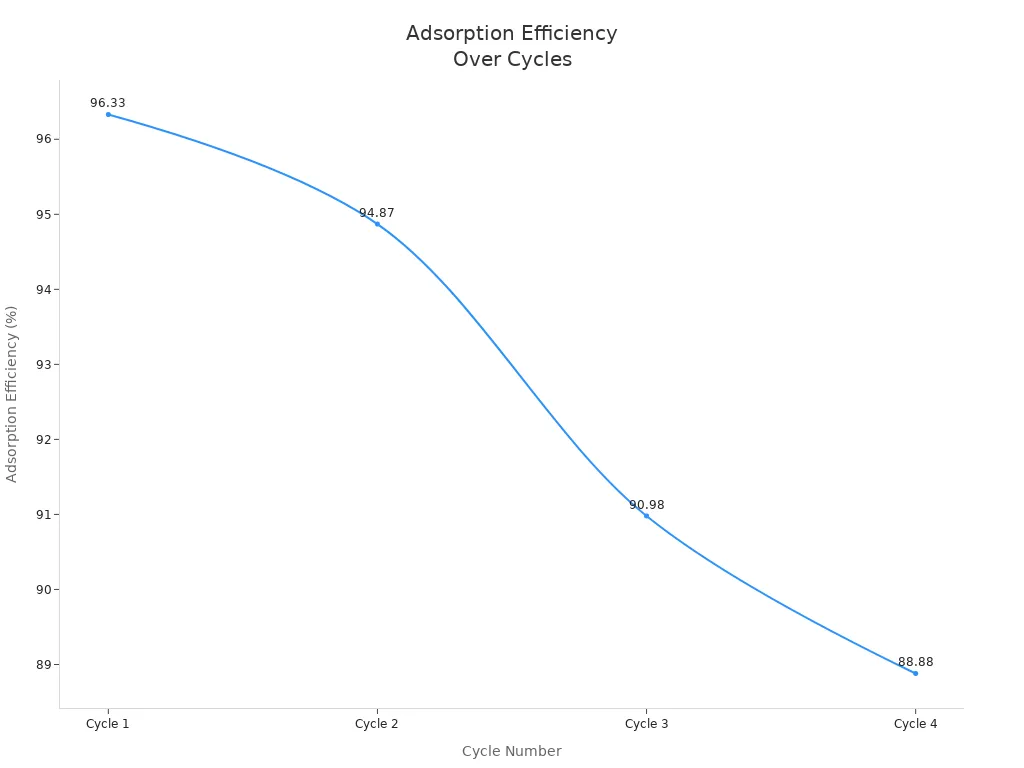
Both materials can be used more than once, but they do not soak up as much water each time. Here is a table that shows how well they work over four cycles:
Cycle | Adsorption Efficiency (%) |
|---|---|
1 | 96.33 |
2 | 94.87 |
3 | 90.98 |
4 | 88.88 |
Tip: If you need something that soaks up the most water, pick sodium polyacrylate. If you want a natural gel for gentle uses, sodium alginate is a good choice.
Cost Comparison
Raw Material Cost
There are big price differences between sodium polyacrylate and sodium alginate. Sodium polyacrylate is made from chemicals that come from oil. Its price changes when oil prices change. In 2023, you could buy sodium polyacrylate for $0.99 per kilogram. Some types cost more, up to $10 per kilogram. The price depends on how pure it is and what you use it for.
Sodium alginate comes from brown seaweed. Its price depends on how much seaweed is available. If storms or pollution hurt seaweed farms, the price goes up. Sodium alginate usually costs less than high-grade sodium polyacrylate. It is used in food and medicine because it is natural and safe.
Sodium polyacrylate: $0.99–$10 per kilogram (2023)
Sodium alginate: Usually lower, but can go up if seaweed is hard to get
Note: If you want the cheapest price for big amounts, sodium polyacrylate is a good choice. If you want something natural, sodium alginate gives you good value.
Processing Cost
You need to think about more than just the price of the material. Processing cost is important too. Sodium polyacrylate is made in factories with special machines. These factories use a lot of energy. They also have to clean up waste, which costs money. If factories make a lot at once, the cost per kilogram goes down.
Sodium alginate is made in a different way. Workers collect seaweed, wash it, and use water to get the alginate out. This process uses less energy than making sodium polyacrylate. It does not make as much waste. Sodium alginate is a good choice if you want a greener process.
Tip: If you care about the earth and want lower processing costs, sodium alginate may be better for you.
Market Trends
It is smart to watch market trends before buying. In 2023, sodium polyacrylate got cheaper. More factories made it, and oil prices went down. This made sodium polyacrylate less expensive for buyers. You saw this in things like diapers and pet pads.
Sodium alginate prices stay steady most years. They only change a lot if seaweed harvests fail or demand goes up. Food and medical companies use more sodium alginate every year. This keeps the price from dropping too much.
Here is a quick look at which material is best for common uses:
Application | Best Value Material | Why? |
|---|---|---|
Diapers/Pet Pads | Sodium polyacrylate | High absorption, low cost per use |
Food Additive | Sodium alginate | Safe, natural, low processing waste |
Wound Dressings | Sodium alginate | Gentle gel, safe for skin |
Industrial Cleanup | Sodium polyacrylate | Absorbs large spills, cost-effective |
If you want the best price for soaking up lots of water, sodium polyacrylate is the top pick. If you want something natural, safe, and steady in price, sodium alginate is a smart choice.
Practical Factors
Availability
You can buy sodium polyacrylate and sodium alginate from many places. Factories and companies can get them easily. Sodium polyacrylate is made in lots of countries. It is used in many products. Sodium alginate comes from brown seaweed. Many sellers have it for sale. You can buy big amounts for food, medicine, or industry. Both materials are easy to find. You do not need to worry about getting them.
Environmental Impact
Think about the earth when you choose a material. Sodium alginate comes from nature. It breaks down and is safe for compost. It helps clean water by trapping tiny living things. This makes it good for water treatment. Alginate gels can break down in harsh places. Scientists are working to make these gels stronger and easier to recycle. Sodium polyacrylate does not break down fast. Most times, you must burn it to get rid of it. Burning can make air dirty if not done right.
Polymer Type | Biodegradability | End-of-Life Disposal Options |
|---|---|---|
Sodium Polyacrylate | Limited biodegradability; often requires incineration for disposal | Typically incinerated, leading to higher emissions if not composted |
Sodium Alginate | Can be composted, resulting in lower emissions compared to incineration |
🌱 Tip: If you want to help the planet, sodium alginate is a better choice.
Application Suitability
Pick the material that fits your needs. Sodium polyacrylate is best for soaking up lots of water. It is used in diapers, pet pads, and cleaning spills. It keeps things dry by holding water. Sodium alginate is good for food, medicine, and gentle uses. It makes soft gels. You see it in wound dressings and as a thickener in foods. It is safe for people and the earth.
Use sodium polyacrylate for jobs that need strong absorption.
Choose sodium alginate for natural, safe, and earth-friendly uses.
Remember: Pick the material that works best for your project and what you care about.
Sodium Polyacrylate vs Sodium Alginate Summary
Comparison Table
You learned about sodium polyacrylate and sodium alginate. Here is a simple table that shows their main differences. This table helps you pick the best material for your needs.
Feature | Sodium Polyacrylate | Sodium Alginate |
|---|---|---|
Absorption (Water) | 500–1000x its weight | Up to 500x (usually less) |
Absorption (Saline) | 50–70x its weight | Lower, forms gel |
Cost (2023) | $0.99–$10 per kg | Usually lower, but can rise |
Source | Synthetic (from oil) | Natural (from brown seaweed) |
Biodegradability | Low | High |
Environmental Impact | Can pollute if not disposed properly | Safe, compostable |
Best Use | Diapers, pet pads, spill cleanup | Food, wound care, gentle applications |
Tip: If you want something that absorbs the most water, pick sodium polyacrylate. If you want a natural and earth-friendly product, sodium alginate is a smart choice.
Key Points to Remember:
Sodium polyacrylate absorbs water well and keeps things dry.
Sodium alginate is safer and better for the earth in food and medicine.
Think about cost and how each material affects the environment before you decide.
Use this table as a quick guide. It helps you choose the right material for your project. Always check what matters most—absorption, price, or earth-friendly features.
You learned what each material does best. Sodium polyacrylate absorbs water really well. It is great for diapers and cleaning up spills. Sodium alginate is cheaper and good for the earth. Use sodium alginate for food or medical things. Think about what is most important to you. Is it absorption, price, or helping the planet?
Tip: Pick the material that fits what you need and care about.
FAQ
Why does sodium polyacrylate soak up more water than sodium alginate?
Sodium polyacrylate has lots of negative charges in its structure. These charges pull water in and keep it there. Sodium alginate makes gels, but it cannot hold as much water.
Is sodium alginate okay for food and skin?
You can use sodium alginate in food and on wounds. It comes from seaweed and breaks down in nature. You see it in jelly, ice cream, and medical gels.
Can you put sodium alginate in compost?
You can compost sodium alginate. It breaks down in dirt and helps the earth. Sodium polyacrylate does not break down well and needs special care.
🌱 Tip: Pick sodium alginate if you want something better for the planet.
Which one is cheaper for big jobs?
Sodium polyacrylate usually costs less for things like diapers or cleaning spills. Sodium alginate prices do not change much, but they can go up if seaweed is hard to find.
Note: Always check prices before you buy.