You need to know the big difference between Food Grade Silicon Dioxide and industrial grade silica. Food Grade Silicon Dioxide is very pure and follows strict safety rules. Industrial grade silica does not follow these rules and can be dangerous if it gets in food:
Silica gel can get into food if its packet breaks.
Silica pieces can look like salt or sugar, so people might eat them by accident.
Some silica gel beads have harmful chemicals in them.
Food packed tightly can make packets break more easily.
You should never use industrial grade silica in food. Safety groups make strict rules for food additives to keep you safe. Here is how different countries control silicon dioxide:
Country | Regulatory Agency | Main Requirements |
|---|---|---|
United States | U.S. Food and Drug Administration (FDA) | Says silicon dioxide is GRAS; you cannot use more than 2% of the food’s weight. |
European Union | European Food Safety Authority (EFSA) | Says it is safe; you must follow Good Manufacturing Practice (GMP) but there is no set top limit. |
China | National Food Safety Standard (GB 2760-2014) | You cannot use more than 2%; you need approval and certification for all food additives. |
Japan | N/A | Uses a rule for proper use but does not set a limit. |
Canada | N/A | Follows rules like the U.S.; you cannot use more than 2%. |
Australia | N/A | Follows rules like the U.S.; you cannot use more than 2%, but there may be some changes for use. |
You keep yourself and others safe by using only approved things in food.
Key Takeaways
Food Grade Silicon Dioxide is safe to eat. It follows very strict safety rules. Always look for ‘food grade’ labels to stay safe.
Industrial Grade Silica is not safe to eat. It may have dangerous impurities. Never use it in food.
Silicon Dioxide keeps food fresh. It stops food from sticking together. You can find it in salt, spices, and baking mixes.
Groups like the FDA and EFSA check if Food Grade Silicon Dioxide is safe. You can trust products they approve.
Always read labels with care. Look for certifications to make sure food additives are safe.
What Is Food Grade Silicon Dioxide?
Definition and Properties
Food Grade Silicon Dioxide is found in lots of foods. It is made from silicon and oxygen. It looks like a white powder. Scientists call it amorphous silica. You might see it called E551. The FDA says Food Grade Silicon Dioxide is safe for food. You can trust it because it follows strict safety rules. It does not mix with water, so it stays solid in food. You see it in foods that need to stay dry and not clump.
Food Grade Silicon Dioxide stops powders from sticking together. It helps powders pour easily. This ingredient keeps products smooth.
Here is a simple look at its properties:
Property | Description |
|---|---|
Appearance | Fine, white powder |
Chemical Formula | SiO₂ |
Structure | Amorphous (non-crystalline) |
Solubility | Insoluble in water |
Safety Approval | FDA, EFSA, other agencies |
Common Food Uses
Food Grade Silicon Dioxide is in many foods you eat. It keeps salt, spices, and soup mixes from sticking. You also find it in baking powder and drink mixes. This ingredient helps your food stay fresh and easy to use. It makes products last longer by soaking up moisture. It keeps your food good.
Salt and spice blends
Baking powder
Instant coffee and drink mixes
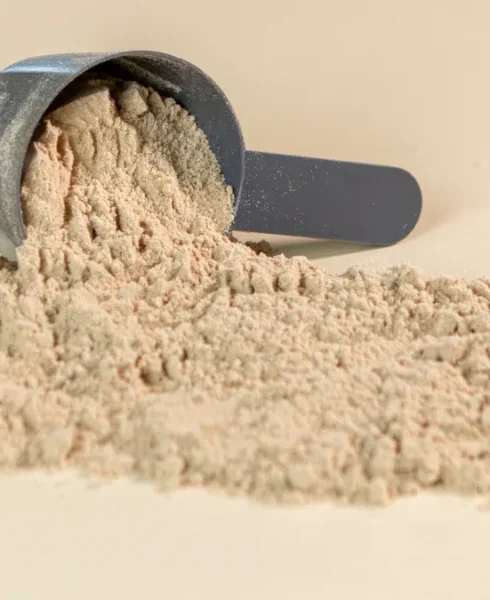
Protein powders
Powdered soup bases
Food Grade Silicon Dioxide helps keep your food safe and easy to use. Companies use it to make food processing and storage better. You can feel good when you see this ingredient on a label.
What Is Industrial Grade Silica?

Definition and Types
Industrial grade silica is used in many factories and building sites. It comes from quartz or sand. It looks like a fine white or clear powder. There are different types, like fumed silica, precipitated silica, and crystalline silica. These types have different jobs, but none are made for food.
Industrial grade silica does not follow the strict rules for food grade silicon dioxide. It can have other minerals or impurities inside. You should never eat it because it is not safe.
Here is a table that shows the main types of silica grades and their uses:
Type of Silica Grade | Description and Applications |
|---|---|
Industrial Grade | Used in construction, glass manufacturing, and water filtration. Holds the largest market share. |
Specialty Grade | Used in foundry, ceramics, and electronics. Gaining popularity for niche uses. |
High Purity Grade | Used for advanced applications that need very pure silica, such as electronics. |
You see industrial grade silica most in construction and factories. It is not made for food or medicine.
Industrial Applications
Industrial grade silica is used in many products and industries. It helps make glass, concrete, and ceramics. Factories use it to clean water and make electronics. Workers use it for sandblasting and cleaning or shaping things.
Here are some of the main uses:
Glass manufacturing
Building and construction
Oil and gas drilling
Water treatment
Sandblasting
Making ceramics and electronics
Industrial grade silica is also in desiccants that keep things dry. It is in polishing agents too. Sometimes, it is used to thicken liquids or in special coatings.
Note: Industrial grade silica can make dust that is dangerous to breathe. Safety groups like OSHA and MSHA make rules to keep workers safe. You should always wear safety gear and follow safe rules when using this material.
You can find industrial silica in mines, construction sites, and factories. Cutting, grinding, or drilling things with silica can make dust in the air. This dust is not safe to breathe and can hurt your health.
Industrial grade silica is important for many jobs, but it is not safe for food. Always use the right kind for the right job.
Purity and Safety Standards
Food Grade Silicon Dioxide Purity
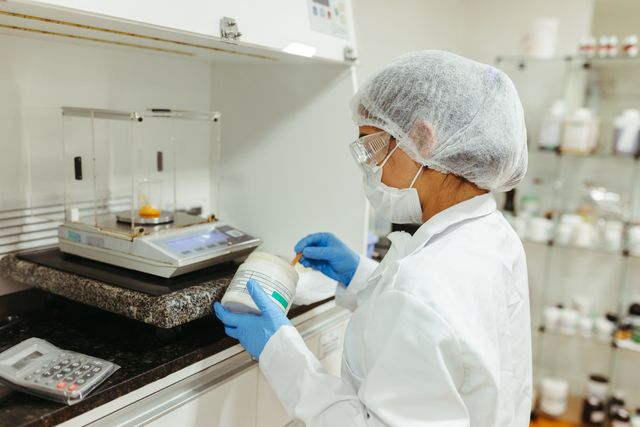
It is important to know what is in your food. Food Grade Silicon Dioxide must be very pure. Companies use special tests to check for bad things. These tests make sure the product is safe every time.
Scientists use tools to check how pure it is. They look for silicon and make sure nothing harmful is there. Here is a table that shows how experts test Food Grade Silicon Dioxide:
Analytical Method | Description |
|---|---|
ICP-MS | Measures silicon in food-grade silicon dioxide. It solves problems like contamination and interference. |
Microwave Digestion | Changes SiO₂ nanoparticles into a form that is easy to measure. |
Quality Control | Checks detection limits, accuracy, repeatability, and consistency. |
These tests happen in labs that make food additives. Quality control helps keep your food safe. When you buy food with Food Grade Silicon Dioxide, you can trust its purity.
Tip: Always look for food-grade certification on the label. This means the product passed safety checks.
Industrial Silica Contaminants
Industrial grade silica does not have the same purity rules. There are many unwanted things in this material. Crystalline silica is the most common one. It comes from sand, rocks, and concrete. When workers cut or grind these, tiny dust gets in the air.
Breathing in quartz dust can hurt your health. Here are some dangers you should know:
Lung cancer: Breathing in crystalline silica can cause this disease.
Kidney disease: Lots of quartz dust can raise your risk.
Chronic obstructive pulmonary disease (COPD): Silica dust can harm your lungs.
Autoimmune diseases: Silica can make these more likely.
These dangers are common in jobs like mining and construction. Industrial grade silica can have other minerals and bad things. This makes it unsafe to use in food.
Note: Never use industrial grade silica in food. It is not safe and does not follow food safety rules.
Regulatory Differences
Food Additive Approval (E551, FDA)
It is important to know how Food Grade Silicon Dioxide gets approved for food. The FDA and EFSA have strong rules to keep people safe. The FDA says silicon dioxide is “Generally Recognized As Safe” or GRAS. This means you can use it in food if you follow the rules. You do not need special approval first. The FDA looks at science and how companies use it to make sure it stays safe.
EFSA in Europe uses a different way. EFSA checks science and asks companies for data. If companies do not send the data on time, EFSA can change or stop approval. Both groups keep watching new studies and how silicon dioxide is used. This helps keep people healthy.
The FDA checks science and company rules to keep it safe.
EFSA wants companies to send data after checking again.
If data is missing, EFSA can change or stop approval.
Both groups check safety often.
You can trust Food Grade Silicon Dioxide because it passes these tough checks.
Industrial Standards
Industrial grade silica has other rules. These rules are for quality, safety, and the environment in factories and building sites. Many industries use these rules, but they do not make silica safe for food.
Standard | Description |
|---|---|
Makes sure products and services are always good quality. | |
ISO 14001:2015 | Helps companies follow rules to protect the environment. |
OHSAS 18001 / ISO 45001 | Keeps workers safe and healthy at work. |
ASTM C146 / C110 | Sets rules for silica used in factories and special jobs. |
EN 12904 | Used for silica in cleaning water. |
API 56 | Used for silica in oil and gas jobs. |
REACH & RoHS | Follows EU rules for chemical safety and the environment. |
These rules help companies make safe things for industry. They do not check if silica is safe or pure for food. You should only use food-grade things in anything you eat.
Uses and Applications
Food Grade Silicon Dioxide in Food
Food Grade Silicon Dioxide is in lots of foods you eat. It keeps powders loose so they do not stick together. This helps you pour things like salt and spices easily. It also keeps baking mixes and drink powders fresh for longer. Drinks look clear and smooth because of this ingredient.
Here is a table that explains how it works in food:
Application | Description |
|---|---|
Stops powders from sticking together, so they are easy to use. | |
Flow enhancer | Makes powders move smoothly when made and when you pour them. |
Clarifying agent | Takes out tiny bits from drinks, so they look clear. |
Carrier and adsorbent | Spreads flavors and nutrients evenly, and soaks up water to keep food fresh. |
These uses help your food taste good and stay safe. Food Grade Silicon Dioxide also helps companies follow safety rules. More people want safe food, so the market for this ingredient is growing.
Tip: If you see this ingredient on a label, your food will stay fresh and easy to use.
Industrial Silica in Non-Food Products
Industrial silica is used in many things that are not food. You find it in glass, steel, and water filters. Factories use it because it can handle high heat. It does not need to be as pure as food ingredients.
Steel and foundry workers use silica to shape and mold metal.
Glass makers use silica to make strong, clear glass for windows and bottles.
Water plants use silica to filter dirt and keep water clean.
You also see industrial silica in building materials, ceramics, and electronics. Companies pick this kind because it costs less and works well for hard jobs. It does not need to be very pure, so it is not safe for food.
Note: Always use the right kind of silica for the job. Only food-grade products should go in your food.
Health Risks and Food Safety
Risks of Industrial Silica in Food
You should never eat industrial silica. This kind often has bad minerals inside. Eating it can cause serious health problems. The crystals in industrial silica are sharp and tiny. They can hurt your mouth, throat, and stomach. Breathing in the dust can damage your lungs. It can even cause lung cancer or other lung diseases. Eating just a little by accident can make your stomach hurt or worse.
Industrial silica is not made for food. It does not pass safety tests for purity. Some types have toxic chemicals that you cannot see. These can harm your body. Always check your food to make sure it does not have industrial silica.
⚠️ Warning: Never use industrial silica in food. It is not safe for you or your family.
Why Food Grade Is Essential
You must pick Food Grade Silicon Dioxide for anything you eat. This ingredient goes through strict tests to make sure it is pure and safe. Scientists have studied it for many years. They found your body does not absorb it. You pass it out naturally, so it does not build up inside you.
Here are some important facts from scientific studies: Long-term animal studies show no cancer or gene damage from eating it. Human studies find no harm to your stomach, immune system, or metabolism. Research shows that even nano-sized particles are safe, just like regular ones. The Codex Alimentarius Commission and EFSA both say it is safe for all ages.
You do not need to worry about eating too much. The FDA says you can use it in food up to 2% of the total weight. The European Union and other countries agree it is safe at normal levels.
Country/Region | Safety Findings |
|---|---|
European Union | Safe based on long-term studies; intake levels are below health risk thresholds |
China | Approved as safe anti-caking agent up to 2% |
Japan, Canada, Australia | Similar safety conclusions when used within limits |
When you see Food Grade Silicon Dioxide on a label, you know your food is safe and meets strict rules.
You can easily tell Food Grade Silicon Dioxide and industrial grade silica apart. Food Grade Silicon Dioxide follows strict safety and purity rules. Industrial grade silica does not follow these rules. You should only use food-grade products in anything you eat. If companies break the rules, they can get in big trouble:
Consequence Type | Description |
|---|---|
Adulteration | A product is called adulterated if it does not meet quality rules or tries to hide bad quality. |
Misbranding | If a product uses a standard name but does not match what it should be, it is misbranding, even if it is not unsafe. |
FSMA Process Control | Not following particle size rules can break FSMA laws if it changes how germs are controlled. |
Warning Letters & Recall | If the wrong particle size is dangerous, companies might have to recall products and can be held responsible. |
You should always look at labels for the right certification. Official approval and regular testing help you trust your food is safe. Learn about food additives and their rules so you can make good choices.
FAQ
Can you eat industrial grade silica?
No, you should never eat industrial grade silica. It may contain harmful chemicals or impurities. Only food grade silicon dioxide is safe for eating.
How do you know if silicon dioxide is food grade?
Check the label for words like “food grade” or “E551.” You can also look for FDA or EFSA approval. If you do not see these, do not use it in food.
Why do companies add silicon dioxide to food?
Companies add silicon dioxide to keep powders from clumping. It helps salt, spices, and mixes stay dry and easy to pour. This keeps your food fresh.
Is silicon dioxide safe for children?
Yes, food grade silicon dioxide is safe for children. Scientists and food safety groups have tested it. Your body does not absorb it, so it passes through naturally.