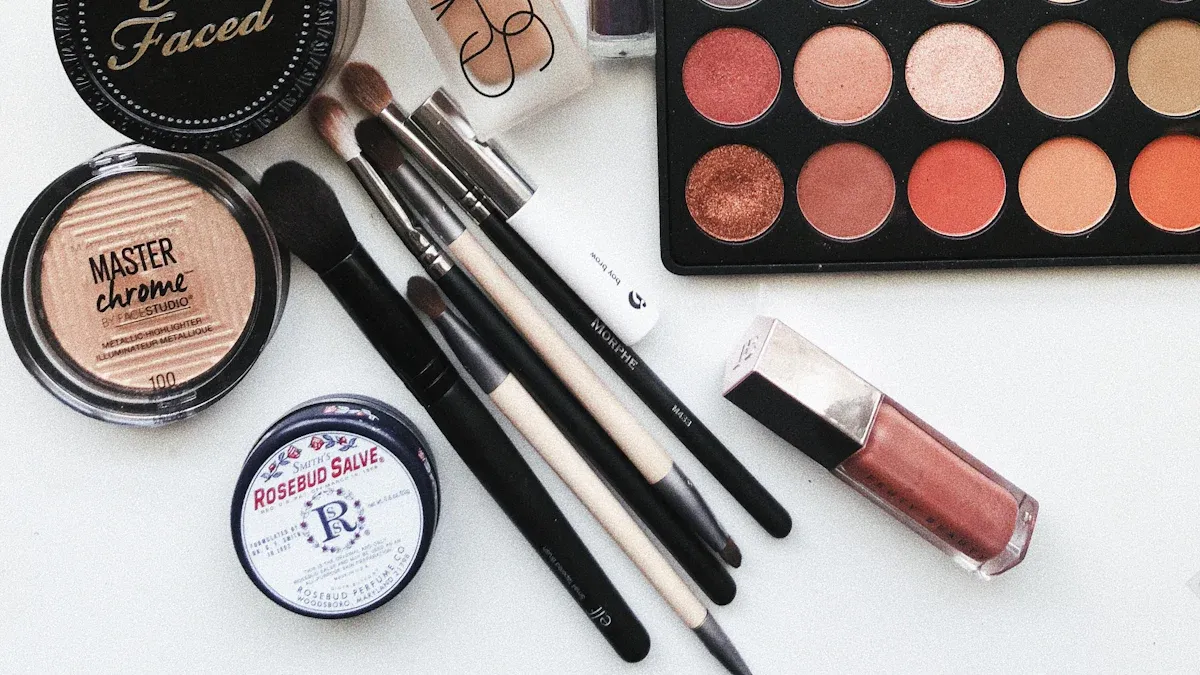
You likely use things with propylene glycol every day and do not notice. Think about things like skincare, makeup, hair care, toothpaste, foods, drinks, pet food, cleaning sprays, air fresheners, or even wipes at home.
In food and drinks, it helps snacks stay crunchy and keeps baked goods soft.
In makeup, it helps mix things together well.
In medicine, it helps your body take in what you need.
Key Takeaways
Propylene glycol is found in many skincare and makeup products. It helps your skin stay moist. It also makes creams and lotions feel smooth.
In food and drinks, propylene glycol keeps things moist and fresh. It helps snacks stay crunchy. It also makes drinks taste the same every time. Always look at labels to see if it is there.
Most people can use products with propylene glycol safely. People with sensitive skin should check labels closely. They should also try a small test before using new products.
Skincare Products with Propylene Glycol
Purpose
Propylene glycol is in many skincare products you use. It helps your skin feel soft and smooth. You can find it in acne treatments and aftershaves. It is also in anti-aging creams and brands you know. Some common skincare products with propylene glycol are:
Hand and foot creams
Hand soaps
Bath and shower gels
Body scrubs
Body washes
Body moisturizers
Body treatments
Body lotions
Body oils
Body serums
Deodorants
Fragrances
Nail care items
Propylene glycol is a humectant. This means it pulls water into your skin. It helps keep your skin from getting dry. When you use these products, your skin feels better and less dry.
Benefits
Skincare with propylene glycol gives you many good things. First, it helps your skin keep moisture. This makes your skin look healthy and fresh. Second, it helps mix other things together. Your creams and lotions feel smooth and easy to use. Third, it can help other ingredients work better in your routine.
Here is a quick chart about propylene glycol in skincare:
What It Does | Why It Matters for You |
|---|---|
Pulls water into your skin | Keeps your skin hydrated |
Helps mix ingredients | Makes creams and lotions feel smooth |
Improves other ingredients’ effectiveness | Gives you better results |
If you want the best products, look for ones with deep hydration or for dry skin. After using them often, your skin will feel softer and look brighter.
Cosmetics and Personal Care Products
Function
You probably use personal care products every day. Deodorants, soaps, and makeup all help you feel fresh and look your best. Propylene glycol plays a big part in how these products work. It acts as a humectant, which means it helps keep things moist. This keeps your skin from feeling dry after you use them.
Propylene glycol also changes the texture of your favorite items. It makes lotions and creams feel smooth and easy to spread. When you put on makeup, you want it to glide on your skin. This ingredient helps with that. You get a soft, even layer without clumps or streaks.
Tip: If you like makeup that feels light and blends well, check the label for propylene glycol. It often gives products that silky touch.
Common Uses
You can find propylene glycol in many personal care products. Here are some examples:
Deodorants and antiperspirants
Bar soaps and liquid soaps
Foundations, concealers, and blushes
Lipsticks and lip glosses
Eye shadows and mascaras
Let’s look at deodorants. These products need to be firm but not hard. Propylene glycol helps create a stick that glides across your skin. You get good coverage and almost no residue left behind. Makeup with this ingredient spreads easily and feels soft on your face.
Product Type | What Propylene Glycol Does |
|---|---|
Deodorant | Makes stick glide, leaves little residue |
Soap | Keeps bar moist, helps lather |
Makeup | Smooth texture, easy application |
You get a better experience every time you use these products.
Hair Care Products
Why Used
When you reach for your shampoo or conditioner, you probably don’t think about what keeps everything mixed together. Propylene glycol does that job. This ingredient stops your hair care products from separating, so you get the same smooth texture every time. You might notice that your styling gel or leave-in treatment feels soft and easy to spread. That’s because propylene glycol is water-soluble and blends well with other ingredients. It doesn’t build up on your hair, so you don’t get that heavy feeling after washing.
Did you know? Propylene glycol helps your hair care products stay fresh and stable, even if you store them in a humid bathroom.
Effects
You want your hair to look shiny and feel soft. Propylene glycol helps with that, too. It draws water from the air and forms a hydrating layer on your scalp and hair. This keeps your hair from getting dry, even when the weather is cold or the air is dry. You get less frizz and more manageable hair. Your scalp feels comfortable, and your hair stays smooth.
Here’s a quick look at how propylene glycol works in popular hair care products:
Product Type | What It Does for Your Hair |
|---|---|
Shampoo | Keeps formula mixed, adds moisture |
Conditioner | Softens hair, reduces dryness |
Styling Gel | Prevents flaking, controls frizz |
Leave-in Treatment |
You can enjoy healthy hair with less effort. Next time you use your favorite products, remember how propylene glycol helps you get the results you want.
Oral Care Products
Humectant Role
When you brush your teeth or use mouthwash, you want the product to feel smooth and fresh. Propylene glycol helps make that happen. This ingredient acts as a humectant, which means it pulls in moisture and keeps toothpaste and mouthwash from drying out. You get a creamy texture every time you squeeze the tube or pour the liquid.
You might be surprised by how often you find propylene glycol in oral care products. Here are some facts:
Many toothpaste brands use it to keep their formula soft and easy to spread.
Mouthwashes often include it to help the liquid stay fresh longer.
Studies show that about 62% of mouthwashes on the market contain propylene glycol.
Did you know? This ingredient helps your toothpaste stay moist even if you forget to close the cap.
Texture
You want toothpaste that spreads easily and mouthwash that feels smooth when you rinse. Propylene glycol keeps these products consistent, so you never get clumps or gritty bits. Big brands like Colgate-Palmolive use dipropylene glycol (DPG) to help preserve their oral care products. DPG’s antimicrobial properties help keep your toothpaste and mouthwash stable and fresh for longer.
Researchers found that using DPG at just 1-2% can make toothpaste last up to 20% longer without changing how it tastes or feels. Some companies even use special technology to lock in freshness for up to 12 hours after you brush. You get a clean feeling that lasts all day.
Oral Care Product | What Propylene Glycol Does |
|---|---|
Toothpaste | Keeps texture smooth and moist |
Mouthwash | Maintains freshness and stability |
Next time you reach for your toothpaste or mouthwash, remember how these products stay fresh and easy to use.
Food Products with Propylene Glycol

Additive Role
Propylene glycol is added to many foods and drinks. It helps keep food moist and fresh. Baked goods do not get dry. Ice cream stays smooth and creamy. Salad dressings mix well and taste the same every time. Drinks also taste the same each time you have them. Propylene glycol helps flavors blend together. Snacks and desserts taste good and stay the same.
Fun fact: Propylene glycol keeps popcorn crunchy. It also keeps cake mixes soft for weeks on your shelf.
Food safety rules say how much propylene glycol can be used. There are limits for each type of food. Here is a chart that shows the limits:
Food Category | |
|---|---|
Frozen dairy desserts | 0.5% |
Baked goods | 0.5% |
Cheeses | 0.9% |
Fats and oils | 1.1% |
Gelatins and puddings | 0.6% |
Gravies and sweet sauces | 0.5% |
Jams and jellies | 0.4% |
Condiments and relishes | 0.6% |
Seasonings and flavors | 1.7% |
Other foods | 0.3% |

Examples
Propylene glycol is found in many foods you eat. Here are some examples:
Ice cream and yogurt
Salad dressings and condiments
Soft drinks and flavored beverages
Packaged snacks and desserts
Popcorn and powdered drink mixes
Dried soups and fast foods
When you grab a snack or pour a drink, check the label. You might see propylene glycol listed. It helps your food taste good and last longer.
Beverages
Stabilizer
You probably drink soft drinks or use powdered mixes at home. These products need to taste the same every time you open a bottle or mix a glass. Propylene glycol helps make that happen. It keeps the flavors and colors mixed evenly, so you never get a weird taste or clumps at the bottom. You get a smooth drink every time.
Propylene glycol also helps drinks stay fresh longer. It pulls in water from the air, which keeps your drinks from drying out or getting stale. This means your favorite sodas and flavored waters keep their texture and taste, even after sitting in the fridge for days.
Tip: If you notice your drink always tastes the same, propylene glycol is probably helping behind the scenes.
Flavor Carrier
You want your drinks to taste great. Propylene glycol acts as a carrier for flavors. It helps mix sweeteners, fruit flavors, and colors so they spread out evenly in every sip. You never get a mouthful of just syrup or powder. Everything blends together for a better taste.
Here’s a table that shows how propylene glycol works in beverages:
How It Works | What It Means for Your Drink |
|---|---|
Carries flavors | Even taste in every sip |
Mixes ingredients | No clumps or uneven color |
Holds moisture | Fresh texture and longer shelf life |
You can find propylene glycol in many drink products, like sodas, flavored waters, and powdered mixes. It helps these products taste good and look appealing every time you pour a glass.
Pet Food
Moisture
You want your pet’s treats and moist foods to stay fresh and soft. Propylene glycol helps with that job. This ingredient acts as a humectant, which means it pulls in water and keeps snacks from drying out. When you open a bag of soft dog treats, you notice they feel chewy and moist. That’s because propylene glycol holds onto water and stops the treats from getting hard or crumbly.
The FDA says propylene glycol is safe for use in soft-moist pet foods. You’ll find it in popular brands like Beneful and some Dog Chow varieties. It’s not used in cat food, though, because cats can have problems with it. For dogs, there’s no set limit in the U.S., but in Europe, the limit is 5.3 percent. Most products use much less than that.
Here’s a quick look at how different humectants compare in pet food:
Humectant | Moisture Retention | Cost | Stability | Palatability | Caloric Contribution |
|---|---|---|---|---|---|
Propylene Glycol | High | Low | High | Good | Yes |
Glycerin | Medium-High | Medium | Medium | Excellent | Yes |
Sorbitol | Medium | Medium | Low | Good | No |
Molasses | Low-Medium | Low | Low | Excellent | Yes |

Palatability
You want your dog to love their treats. Propylene glycol helps make pet food taste and feel better. It keeps snacks soft, so your pet enjoys every bite. You’ll see it listed in the ingredients of many soft treats and moist foods. Some brands use it to help flavors blend and stay fresh longer.
Tip: If your dog’s treats stay chewy for weeks, propylene glycol is probably helping behind the scenes.
You might notice that not all products use this ingredient. For example, Purina ProPlan and Purina One do not include it. Most soft-moist treats and foods do, though, because it helps keep snacks tasty and appealing.
Cleaning Products
Solvent
You use cleaning products to keep your house clean. Many sprays and wipes have propylene glycol in them. This ingredient is a solvent. It helps break up dirt, grease, and sticky messes. When you spray cleaner on a counter, it helps remove stains. You can wipe them away without much work. Your counters look shiny and clean.
Wet wipes also have propylene glycol as a humectant. It pulls in water and keeps wipes wet. Dry wipes do not work well. Wet wipes slide over surfaces and pick up dust. You can use them on tables, doorknobs, or your hands. The wipes stay soft because propylene glycol keeps them moist.
Tip: If your wipes feel cool and wet, propylene glycol is helping.
Application
You see propylene glycol in many cleaning products at home. Here are some examples:
All-purpose sprays
Glass cleaners
Disinfecting wipes
Bathroom cleaners
Kitchen wipes
These products use propylene glycol to keep the mix even. It helps water and other cleaners blend together. You get the same clean every time. You do not need to shake the bottle before using it. The cleaner is always ready to use.
Here’s a table that shows how propylene glycol helps in cleaning products:
Product Type | Benefit for Cleaning |
|---|---|
Household Cleaner | Breaks up stains, keeps mix even |
Wet Wipes | Holds water, cleans better |
Glass Cleaner | Stops streaks, keeps liquid smooth |
Cleaning is easier and faster with these products. Next time you use a wipe or spray, remember propylene glycol helps you clean.
Air Fresheners
Carrier
You might use air fresheners at home or in your car. These can be sprays, plug-ins, or gels. They make your space smell nice and fresh. Propylene glycol is a carrier in many air fresheners. It holds the fragrance and mixes it with other things. When you use an air freshener, you want the scent to spread well. Propylene glycol helps the fragrance not settle or get stuck.
Here’s a quick chart showing where propylene glycol is used:
Product Type | Usage of Propylene Glycol |
|---|---|
Air Fresheners | Yes |
Pharmaceuticals | Yes |
Cosmetics | Yes |
Detergents | Yes |
Processed Foods | Yes |
Tip: If your air freshener smells the same every time, propylene glycol is helping as a carrier.
Dispersion
You want your room to smell good for a long time. Propylene glycol helps the scent spread out slowly and evenly. Studies show dipropylene glycol works well as a solvent and carrier for scents. It lets the fragrance leave the air freshener in a steady way.
Evidence Description | Key Points |
|---|---|
Use of Dipropylene Glycol | Good solvent and carrier for fragrances in air fresheners |
Controlled Evaporation | Gives a steady release of fragrance over time |
When you use sprays or plug-ins, the scent fills the room. It is not too strong or too weak. Propylene glycol helps the fragrance move through the air and last longer. Your space smells fresh every time you use these products.
Medications and Topicals
Delivery
You might use creams or ointments on your skin. These products need to get medicine deep into your skin. Propylene glycol helps with this job. It acts like a helper and lets medicine move through your skin easier. Scientists found propylene glycol helps more medicine get into your skin. This works best for drugs that mix well with water. You get better results because the medicine reaches the right spot.
Here are some products that use propylene glycol:
Topical medications for rashes or pain
Over-the-counter creams for itching
Artificial tears for dry eyes
Benzodiazepine tablets
You can find propylene glycol in many skin and eye products. It helps medicine work faster and better.
Product Type | Use of Propylene Glycol |
|---|---|
Pharmaceuticals | Solvent in oral, injectable, and topical forms |
Benzodiazepine Tablets | Example of a drug using propylene glycol as a solvent |
Artificial Tears | Used as an ingredient in certain formulations |
Cosmetics | Softening agent, preservative, humectant, solvent |
Stability
You want your creams and ointments to stay fresh. Propylene glycol helps keep these products stable. When it is added, ointments last longer and do not separate. One study showed propylene glycol makes ointments more stable. This works best when mixed the right way. Your medicine stays smooth and easy to use.
Study | Findings |
|---|---|
Effect of propylene glycol on the skin penetration of drugs | Propylene glycol helps drugs move through skin, especially those that mix with water. It changes how easily medicine gets into skin layers. |
Influence of Manufacturing Process on the Microstructure, Stability, and Sensorial Properties of a Topical Ointment Formulation | Ointments last longer with propylene glycol, especially when mixed well. |
Tip: If your cream feels smooth and works every time, propylene glycol is probably helping.
Safety and Concerns
General Safety
You may wonder if this ingredient is safe to use. Most people can use products with it and have no problems. Different groups check if propylene glycol is safe before it goes in food, makeup, or cleaners. Here’s what some big agencies say:
Agency | Guidelines |
|---|---|
FDA (U.S.) | Says it is okay in food and medicine, but only in small amounts. |
EPA | Watches how it is used in factories to protect the environment. |
EU | Makes sure it is safe in makeup and food. |
These rules help keep the ingredient safe in things you use every day.
Sensitive Groups
Some people have more trouble with this ingredient than others. If your skin is sensitive or you have allergies, you might get red or itchy after using some products. Doctors found that about 3.5% of people with skin issues can get a contact allergy from it. People who work in car shops or print shops may also react if they touch it a lot.
Other rare problems can happen, like:
CNS toxicity
Hyperosmolarity
Hemolysis
Cardiac arrhythmia
Lactic acidosis
Seizures (in kids who swallow a lot)
Bad effects in young children after big doses
If you or your child has a problem, stop using the product and see a doctor.
Label Reading
You can find this ingredient on labels if you know what to look for. Check the list of ingredients on your products. It might be called “propylene glycol,” “PG,” or “dipropylene glycol.” If you want to avoid it, look at the label before you buy. Many brands now have choices without this ingredient for people who do not want it.
Tip: If you have allergies or sensitive skin, always check the label before using something new.
You see propylene glycol in many products you use every day, from shampoo to snacks. Most people find it safe, but some have sensitive skin. If you want to avoid it, try these steps:
Pick items for sensitive skin
Patch test new products
If you have allergies, talk to a healthcare expert for advice.
FAQ
Is propylene glycol the same as antifreeze?
No, they are not the same thing. Propylene glycol is in food and personal care items. Antifreeze uses ethylene glycol, which is a different chemical. Ethylene glycol is toxic and not safe to eat.
Can you avoid propylene glycol in products?
Yes, you can avoid it if you want. Always read the ingredient list before you buy something. Many brands now make products without propylene glycol. You can find these for skincare, food, and cleaning.
Tip: If you want to skip it, look for labels that say “PG-free” or “propylene glycol-free.”
Does propylene glycol cause allergies?
Some people get mild skin redness or irritation. Most people do not have any problems with it. If you see a reaction, stop using the product. Talk to your doctor if you need help.