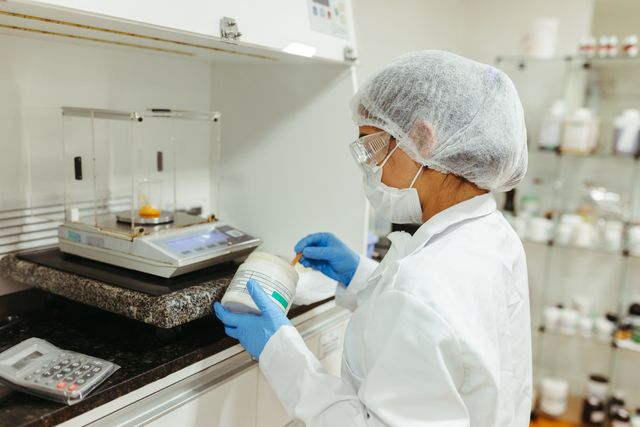

You might see more people picking lactose-free foods now. Lactose intolerance is a problem for many people worldwide. This condition makes eating regular dairy hard for some. β-Galactosidase breaks down lactose in foods. It helps people digest milk and cheese better. Food companies use this enzyme to make special products. These products are made for people with lactose intolerance. New enzyme technology changes how you eat dairy and non-dairy foods.
Key Takeaways
Many people around the world have lactose intolerance. This makes lactose-free products more popular. β-Galactosidase is an important enzyme. It helps break down lactose in dairy foods. This lets people eat dairy without feeling sick. When you shop, look for ‘lactose-free’ labels. These foods are easier to digest. They help you avoid stomach pain. The market for lactose-free products is growing fast. Each year, there are more choices. Some options are plant-based. Lactose-free foods can help your digestion. You can enjoy dairy foods without worry.
Lactose-Free Product Demand
Consumer Trends
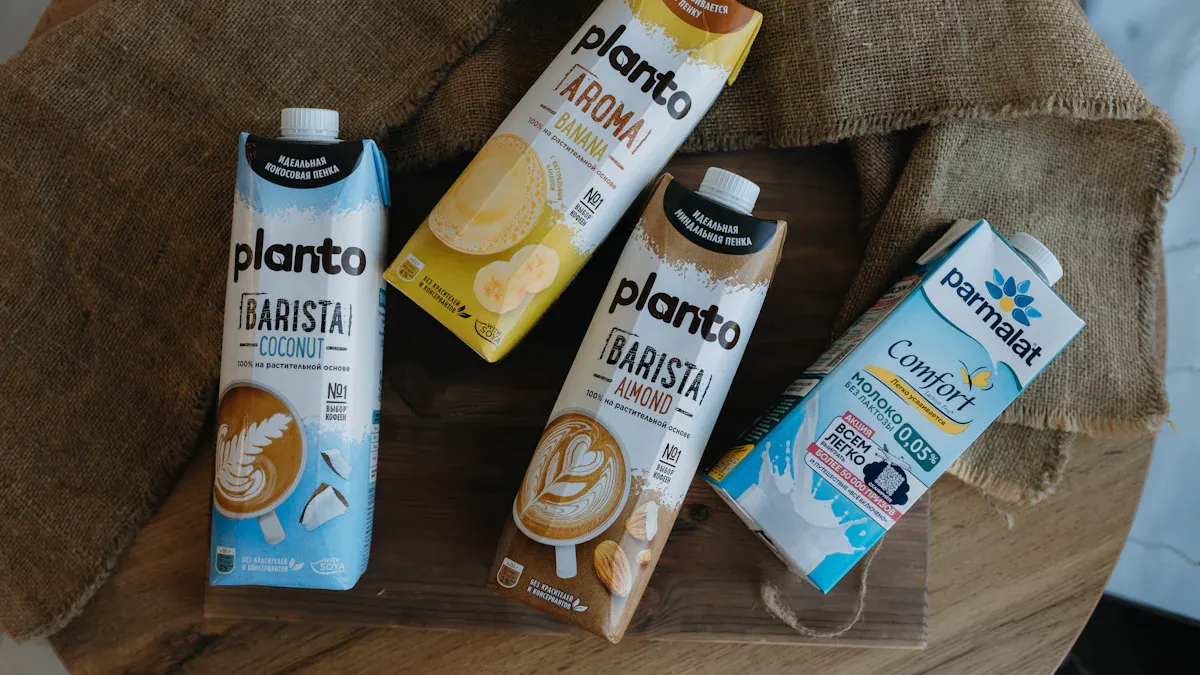
You see lots of lactose-free foods in stores now. Many people want foods that match their lives. Brands sell lactose-free milk, cheese, yogurt, and ice cream. People buy these for many reasons. Some want to stop stomach aches. Others want to try new foods or follow diets.
Tip: Look for “lactose-free” labels when you shop. These foods let you eat dairy without pain.
There are more plant-based choices too. Almond, soy, and oat milks are popular. These drinks give you more options. You can pick what you like best.
Health Awareness
You care about staying healthy. Many people read labels and check ingredients. You want to know what you eat. Lactose-free foods help you avoid bloating and stomach pain. Some lactose-free yogurts have probiotics that help your gut.
Here are some reasons people pick lactose-free foods:
Less stomach pain
Better gut health
New flavors and textures
Doctor’s advice
You make smarter choices when you learn about your food.
Prevalence of Lactose Intolerance
Lactose intolerance affects millions of people. You may know someone who cannot eat lactose. In some places, most adults have this problem. In East Asia, up to 90% of adults are lactose intolerant. In the United States, about 36% of people have it.
Region | % of Adults with Lactose Intolerance |
|---|---|
East Asia | 90% |
United States | 36% |
Northern Europe | 5% |
Lactose intolerance is very common. This makes people want more lactose-free foods. You can find more choices than ever before.
Lactose Intolerance Overview

Definition
Lactose intolerance happens when your body cannot handle lactose well. Lactose is a kind of sugar in milk and dairy foods. Your small intestine makes something called lactase. Lactase helps break down lactose into smaller sugars. If you do not have enough lactase, you cannot digest lactose. You might feel sick after eating or drinking dairy foods.
Note: Lactose intolerance is different from a milk allergy. A milk allergy is about your immune system. Lactose intolerance only affects how you digest food.
Symptoms
You might get symptoms after eating or drinking lactose foods. These signs can show up 30 minutes to 2 hours later. The symptoms can be light or strong. People feel them in different ways.
Common symptoms are:
Stomach pain or cramps
Bloating or a swollen belly
Gas or passing wind
Diarrhea or runny stools
Nausea
If you get these signs a lot, you could have lactose intolerance. You should talk to your doctor for help.
Global Statistics
Lactose intolerance is found in people everywhere. Some groups have it more than others. Your chance depends on your age, family, and where you live.
Here is a table that shows how many adults have lactose intolerance in different places:
Region | % of Adults Affected |
|---|---|
East Asia | 90% |
Africa | 70-80% |
South America | 50-80% |
United States | 36% |
Northern Europe | 5% |
Tip: If you live in East Asia or Africa, you are more likely to have lactose intolerance. In Northern Europe, most people can digest lactose.
You can see lactose intolerance is a problem around the world. Many people need lactose-free foods to feel good.
β-Galactosidase in Food Processing
Enzyme Function
Dairy companies want to make milk and cheese easier to eat. They use β-Galactosidase for this job. This enzyme breaks down lactose, which is a sugar in milk. When you eat dairy, your body needs to split lactose into glucose and galactose. If you do not have enough lactase, you cannot do this by yourself. β-Galactosidase does the splitting before you eat the food.
Here is what happens:
The enzyme looks for lactose in milk.
It breaks lactose into glucose and galactose.
Your body can take in these sugars easily.
Note: If you see “lactose-free” on a label, it means β-Galactosidase was used so you can enjoy dairy without pain.
Stability and Efficiency
You want your food to taste good and last long. β-Galactosidase works best when it stays stable in food making. Scientists check how well this enzyme works at different temperatures and pH levels. Most dairy factories use it at cool temperatures, from 39°F to 98°F. The enzyme also works well in pH from 4.5 to 7.0. This means it can handle yogurt’s acid or milk’s neutral pH.
A study found over 60% of dairy makers use β-Galactosidase now. They pick this enzyme because it keeps working even when things change. You get safe and tasty food every time.
Condition | Range for Best Enzyme Activity |
|---|---|
Temperature | 4°C – 37°C (39°F – 98°F) |
pH Level | 4.5 – 7.0 |
Tip: Stable enzymes help you get the same taste in every carton of lactose-free milk.
Sources
You may wonder where β-Galactosidase comes from. Companies get this enzyme from different places. Some use yeast, like Kluyveromyces lactis. Others use bacteria, such as Bacillus species. Fungi, like Aspergillus oryzae, also make this enzyme. Each source gives the enzyme special features. Yeast enzymes work well in milk. Fungal enzymes are good for acidic foods like yogurt.
Here are common sources:
Yeast (Kluyveromyces lactis)
Bacteria (Bacillus species)
Fungi (Aspergillus oryzae)
Note: Food makers choose the best source for the food they want to make lactose-free.
Production of Lactose-Free Foods
Dairy Applications
Many dairy foods in stores are now safe for people with lactose intolerance. Milk, cheese, yogurt, and ice cream can be made without lactose. Food makers use β-Galactosidase to break down the lactose in these foods. This enzyme turns milk sugar into simple sugars your body can use. You still get the same taste and feel as regular dairy, but you do not get stomach pain.
Here are some dairy foods made with this enzyme:
Lactose-free milk that is sweet and smooth
Yogurt that is easy on your stomach
Cheese that melts and stretches like normal cheese
Ice cream that is creamy and simple to digest
Tip: Try lactose-free dairy if you want to eat your favorite foods without feeling bad.
Many companies make these foods in many flavors and styles. You can find lactose-free choices for almost every dairy food you enjoy.
Non-Dairy Uses
Lactose-free foods are not just dairy. Some non-dairy foods also use this enzyme. For example, some protein shakes and meal drinks have milk in them. Food makers use β-Galactosidase to make these drinks safe for you. Some breads, chocolates, and even baby formulas use this enzyme to take out lactose.
Here is a table with examples of non-dairy foods that can be lactose-free:
Product Type | Example |
|---|---|
Protein Shakes | Ready-to-drink sports shakes |
Baked Goods | Breads and muffins with milk |
Chocolate | Milk chocolate bars |
Infant Formula | Special baby formulas |
You can eat more foods without worrying about lactose. This helps you try more meals and snacks.
Consumer Benefits
Lactose-free foods give you many good things. You can eat dairy without pain or worry. You get more choices at the store. You can eat foods you once could not have. Many people feel better and have more energy when they eat lactose-free foods.
Some main benefits are:
No more stomach aches or bloating after eating dairy
More food choices for meals and snacks
Better digestion and comfort
Enjoying parties and meals with dairy foods
Note: Lactose-free foods help you join family meals, school lunches, and parties.
You do not have to stop eating your favorite foods. With new foods made using β-Galactosidase, you can enjoy dairy and non-dairy treats every day. This change can make your life better and help you feel great.
Market Trends
Product Expansion
You see more lactose-free products in stores every year. Companies notice that you want more choices. They now offer lactose-free milk, cheese, yogurt, and even ice cream. Many brands also create plant-based options, like almond, soy, and oat milk. These products help people who avoid animal foods or have lactose intolerance.
The market for lactose-free dairy keeps growing because more people learn about lactose intolerance.
You find plant-based lactose-free foods that taste like regular dairy.
Online shopping makes it easy for you to buy these products from home.
You can try new foods and flavors that fit your needs. Companies work hard to give you more options that taste good and are easy to digest.
Consumer Awareness
You care about what you eat. You read labels and look for foods that help you feel better. Many people now choose cleaner and more digestible foods. Lactose-free products meet this need. You may pick these foods to avoid stomach pain or just to try something new.
Tip: When you shop, check for labels like “lactose-free” or “plant-based.” These labels help you find foods that match your health goals.
People also talk about their food choices online. Social media and blogs help you learn about new products and share your experiences. This helps more people find out about lactose-free foods.
Regulatory Factors
You want safe and healthy foods. Governments set rules for how companies make and label lactose-free products. These rules make sure you get what you expect. Labels must be clear so you know if a food is truly lactose-free. Some countries have strict standards for testing and labeling. This protects you and helps you trust the products you buy.
Companies follow these rules to keep you safe. You can feel confident when you see official labels on your favorite lactose-free foods.
Industry Challenges
Cost Factors
Lactose-free foods usually cost more than regular dairy. Companies spend more money to make these foods. They must buy β-Galactosidase enzymes, and these can be pricey. Factories also need special machines to add the enzyme. They test each product to make sure it is safe. All these steps make the price higher at the store.
Some reasons for higher prices are:
Buying good enzymes
Doing extra safety tests
Using special machines
Tip: To save money, try store brands or buy in bulk. Some stores give discounts on lactose-free foods.
Enzyme Stability
You want your lactose-free food to taste the same every time. For this, the enzyme must stay strong during making. β-Galactosidase can lose power if it gets too hot or too acidic. Companies work hard to keep the enzyme working from start to finish.
This table shows what can change enzyme strength:
Factor | Effect on Enzyme |
|---|---|
High Heat | Can destroy it |
Low pH (acid) | Can weaken it |
Long storage | May reduce power |
Food makers try different ways to protect the enzyme. They may use cool rooms or add the enzyme at a special time. This helps you get the same taste every time.
Product Quality
You want lactose-free foods to taste good and look nice. Sometimes, using β-Galactosidase changes the taste or feel. The enzyme breaks down lactose into sweeter sugars. This can make milk taste sweeter than usual. Some people like this, but others do not.
Companies try to keep the taste and feel like regular dairy. They check each batch for:
Taste
Texture
How long it stays fresh
Note: If you taste a change, it is from the enzyme. Try different brands to see which one you like best.
Case Studies
Dairy Success Stories
Many brands use β-Galactosidase to make dairy safe. Lactaid is a famous brand in America. They use the enzyme in milk, ice cream, and cottage cheese. Fairlife sells lactose-free milk that is creamy and rich. You might see Green Valley Creamery at the store. They make yogurt and kefir with the same enzyme.
“I can eat ice cream again and not get sick,” says a happy Lactaid customer.
Schools and hospitals now give out lactose-free milk. You get the same nutrition as regular milk. You do not have to worry about stomach pain. These foods help you eat with family and friends.
Market Impact
More people want lactose-free foods every year. You see more choices in stores now. A report said the global market was over $12 billion in 2023. Experts think this number will keep going up. People learn about lactose intolerance and want better foods.
Year | Global Lactose-Free Dairy Market Size |
|---|---|
2020 | $9.5 billion |
2023 | $12 billion |
2027 (projected) | $17 billion |
You help this market grow when you buy these foods. Companies make new recipes and use better technology. β-Galactosidase is important for making these foods. Your choices help change the dairy market.
Future Outlook
Technology Advances
You will see new technology change how companies make lactose-free foods. Scientists work on better forms of β-Galactosidase. These new enzymes work faster and stay strong in more types of food. Some companies use smart machines to add the enzyme at the best time. This helps keep the taste and texture you like.
You might hear about gene editing. This tool helps make enzymes that fit special needs. For example, you could get milk that tastes sweeter or yogurt that stays fresh longer. You will also see better ways to test for lactose. Quick tests help companies make sure foods are safe for you.
Note: New technology means you get more choices and better quality in lactose-free foods.
Market Growth
You will notice more lactose-free products in stores every year. The market grows because more people learn about lactose intolerance. You see new brands and flavors often. Experts say the lactose-free market could reach $17 billion by 2027.
Here is a table that shows how the market grows:
Year | Market Size (USD) |
|---|---|
2020 | $9.5 billion |
2023 | $12 billion |
2027 | $17 billion* |
*Projected
You help this market grow when you choose lactose-free foods. Your choices tell companies what to make next.
Innovation Opportunities
You will find many new ideas in lactose-free foods. Companies look for ways to make products that taste better and cost less. Some brands mix plant-based and dairy-free options. Others add healthy extras, like probiotics or vitamins.
Here are some trends you might see soon:
Snacks and desserts with no lactose
Drinks with added health benefits
Foods for kids and older adults
Tip: Watch for new products in your local store. You might find a new favorite that fits your needs.
You see how β-Galactosidase helps you enjoy dairy without discomfort. This enzyme changes the way you eat and shop. The market for lactose-free products keeps growing. You can look for new foods and better choices every year. Stay curious about science in your food. If you work in the food industry, focus on safe and tasty options. If you care about health, read labels and try new products.
FAQ
What is β-Galactosidase?
β-Galactosidase is an enzyme found in many foods. It helps break down lactose, the sugar in milk. This makes it easier for you to eat dairy. You can enjoy milk and cheese without stomach pain.
Can you eat lactose-free foods if you are not lactose intolerant?
Yes, anyone can eat lactose-free foods. These foods taste almost the same as regular dairy. Some people pick them for easier digestion. Others like to try new flavors.
Are lactose-free products safe for children?
Lactose-free products are safe for kids to eat. They are good for children who cannot digest regular milk. Always read the label for extra sugar or other things.
Do lactose-free foods taste different?
Some lactose-free foods taste a little sweeter than normal. The enzyme turns lactose into simple sugars. You might notice a small change in taste. Most people still like how they taste.
How do you know if a product is truly lactose-free?
Look for a label that says “lactose-free” on the package. You can also read the ingredient list. If you see β-Galactosidase or lactase, it is likely safe for you.