You may ask if yeast extract has gluten. Sometimes it does, but sometimes it does not. Yeast extract from baker’s yeast usually does not have gluten. Yeast extract from barley or wheat can have gluten. People with celiac disease or gluten sensitivity must be careful.
Up to 6% of people have non-celiac gluten sensitivity.
About 15% have some kind of non-celiac gluten intolerance.
Eating yeast extract with gluten can cause health problems for these people. Always look for a gluten-free label to be safe.
Key Takeaways
Yeast extract might have gluten, based on where it comes from. You should always read the label to see if it is gluten-free.
People with celiac disease or gluten problems should not eat yeast extract from barley or wheat. Pick foods that say gluten-free on the package.
Not every kind of yeast is safe. Baker’s yeast and nutritional yeast are mostly gluten-free. Brewer’s yeast can have gluten.
Food can get mixed with gluten during making. Buy foods with a gluten-free seal to be safe.
If you do not know if a food is safe, ask the company or do not eat it. Your health matters most.
Yeast Extract and Gluten
Is Yeast Extract Gluten Free?
You might wonder if yeast extract is always gluten free. The answer depends on where it comes from. Yeast extract is made by breaking open yeast cells with heat or enzymes. You can find yeast extract from baker’s yeast, which is usually safe for gluten-free diets. Sometimes, yeast extract comes from spent brewer’s yeast. This type can have traces of gluten, especially if it comes from barley or wheat.
Yeast extract from baker’s yeast is usually gluten free.
Yeast extract from spent brewer’s yeast may contain gluten from barley.
The gluten content depends on the source and how the yeast is processed.
If you need to avoid gluten, you should always check the label. Some yeast extract products are safe, but others are not.
When Yeast Extract Contains Gluten
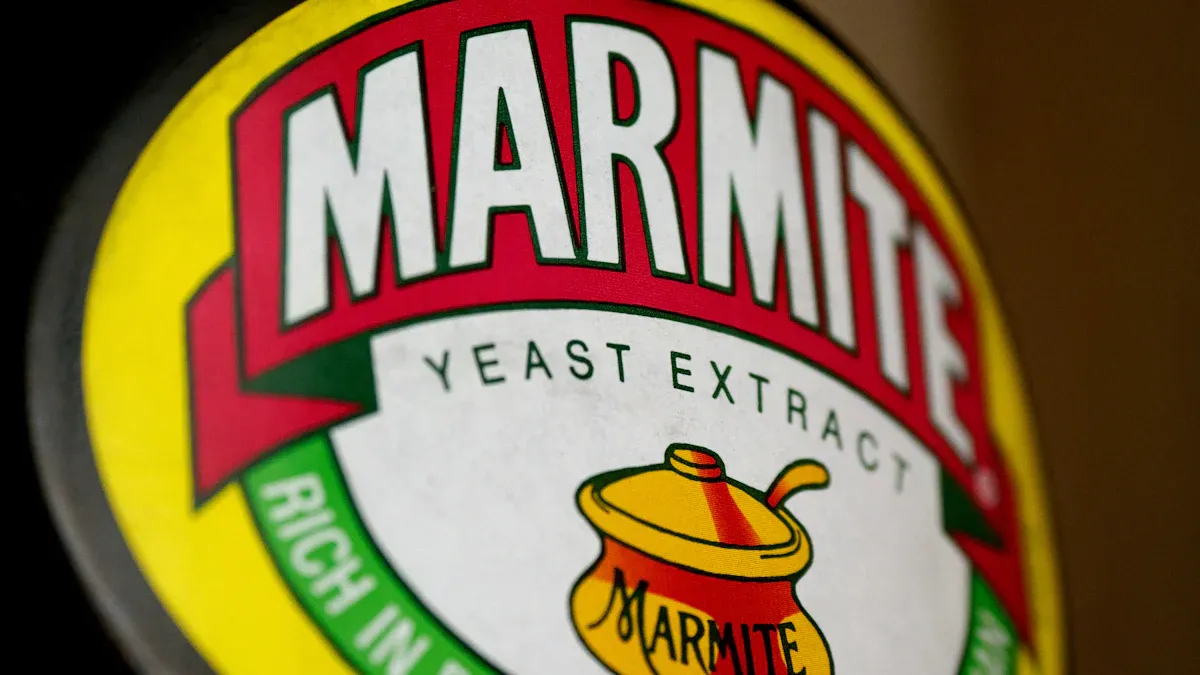
Not all yeast extract is safe for people with celiac disease or gluten sensitivity. Some products use yeast extract made from barley or wheat. For example, Marmite is a yeast extract spread made from barley. Tests show Marmite contains about 30 parts per million (ppm) of gluten. This amount is above the safe level for gluten-free diets, which is 20 ppm.
Tip: If you see yeast extract in the ingredients list, ask yourself, “Where does it come from?” If the label does not say gluten free, it might not be safe.
Here are some common ways yeast extract can contain gluten:
Yeast extract from spent brewer’s yeast can have gluten from barley or wheat.
Some broths and packaged foods use yeast extract from barley.
Yeast spreads may use yeast from wheat, barley, oats, or rye.
Autolyzed yeast extract often contains gluten unless labeled gluten free.
Manufacturers do not always tell you the source of yeast extract. If you are not sure, it is best to avoid the product.
Gluten-Free Labeling
You need to look for gluten-free labeling when you buy products with yeast extract. In the United States and Europe, food laws help protect people who need to avoid gluten. The Commission Implementing Regulation (EU) No 828/2014 sets rules for labeling foods as “gluten-free” or “very-low gluten.” These rules apply to packaged foods and foods served in restaurants.
Foods labeled “gluten-free” must have less than 20 ppm of gluten.
Some yeast extract products test above this level, so they are not safe for gluten-free diets.
Always check for a gluten-free label on yeast extract products.
If the label does not say gluten free, contact the manufacturer to ask about the source.
Note: Many yeast extract products do not list the source of the yeast. If you have celiac disease or gluten sensitivity, choose only products with a gluten-free label.
You can stay safe by reading labels and asking questions. If you are unsure, it is better to skip the product.
Types of Yeast
Yeast Extract vs. Other Yeast
You might see many types of yeast in stores or recipes. Each type has its own gluten status. Let’s break it down so you know what’s safe.
Baker’s Yeast: You can use this for bread and pizza. It’s usually gluten-free. Brands like Bob’s Red Mill and Fleischmann’s say their baker’s yeast is safe for gluten-free diets.
Brewer’s Yeast: This yeast often comes from beer making. It can have gluten because beer uses barley. Some brewer’s yeast is gluten-free, but only if it comes from sugar beets or is labeled gluten-free.
Nutritional Yeast: You might sprinkle this on popcorn or salads. It’s usually gluten-free. Bob’s Red Mill and Bragg confirm their nutritional yeast is safe for people with gluten sensitivity.
Yeast Extract: This type can be tricky. If it comes from brewer’s yeast, it may have gluten. Always check the label before you buy.
Tip: Yeast can grow on gluten-free materials, but brewer’s yeast often has gluten from barley. Always look for a gluten-free label to stay safe.
Safe Yeast Types
You want to know which yeast types are safe for a gluten-free diet. Here’s a quick list:
Baker’s yeast
Active dry yeast
Instant yeast
Autolyzed yeast (only if labeled gluten-free)
Most fresh and dried yeast is naturally gluten-free. You should still check the label. Some dried yeast brands add wheat flour or starch, which means they are not safe.
Here’s a table to help you see the differences:
Type of Yeast | Gluten Content | Notes |
|---|---|---|
Yeast Extract | May contain gluten | Check label. Marmite has over 20 ppm gluten. |
Fresh Yeast | Naturally gluten-free | Watch for cross-contamination in bakeries. |
Dried Yeast | Naturally gluten-free | Some brands add wheat flour. Always check the label. |
Yeast to Avoid
You should avoid yeast types that might have gluten. Brewer’s yeast is not gluten-free unless the label says so. Most brewer’s yeast comes from beer, which uses barley. Yeast extract and autolyzed yeast extract may also have gluten if they come from barley.
Note: Fresh yeast is usually gluten-free, but cross-contamination can happen during food processing. Equipment and the environment can add gluten or even mold. Always check for gluten-free certification and ask questions if you’re not sure.
If you want to stay safe, choose yeast that is labeled gluten-free. Read the ingredient list and look for trusted brands. When in doubt, skip the product.
Reading Labels

Gluten-Free Certification
You want to make sure your food is safe. When you pick up a product with yeast extract, start by looking for a gluten-free label. This label means the product has less than 20 parts per million (ppm) of gluten. That’s the safe level for people who need to avoid gluten. You should also check the allergen listing. If you see wheat, barley, or rye, put the product back on the shelf. These grains always mean gluten is present.
Here’s what to look for on the label:
Gluten-free certification or logo
Allergen listing for wheat, barley, or rye
Ingredients like malt or brewer’s yeast
If you spot any of these, the product is not safe for a gluten-free diet.
Hidden Gluten Risks
Sometimes gluten hides in places you don’t expect. Yeast extract must be listed clearly on the ingredient label. It can’t hide under “natural flavor.” Still, some manufacturers don’t always follow the rules. You might see wheat starch or malt listed, which often means gluten is present. Gluten can show up under different names, like spelt, farro, or durum.
Watch out for these hidden sources:
Wheat and its types (spelt, farro, durum)
Barley and malt
Rye
Wheat starch that isn’t labeled gluten-free
Tip: If you’re not sure about an ingredient, look it up or ask the manufacturer. When in doubt, skip the product.
Cross-Contamination
Cross-contamination can happen during food processing. Even if yeast extract is gluten-free, it might touch equipment that handles wheat or barley. You should look for products with gluten-free certification. This means the company tests for gluten and keeps things separate. If you buy from a bakery or deli, ask how they handle gluten-free foods.
Here’s how you can avoid cross-contamination:
Choose products with a gluten-free label
Buy from trusted brands
Ask questions at restaurants or bakeries
Staying safe means reading labels and asking questions. If you don’t see a gluten-free label, it’s best to avoid yeast extract.
Common Concerns
Misconceptions
You might hear a lot of things about yeast extract and gluten. Some ideas just aren’t true. Let’s clear up a few common myths:
Many people think yeast extract is always gluten-free if the label says so. That’s not always the case. Sometimes, labels can be confusing or incomplete.
Some folks believe all yeast extract comes from the same source. In reality, yeast extract can come from baker’s yeast or spent brewer’s yeast. Brewer’s yeast often contains gluten because it comes from barley.
Tip: Never assume a product is gluten-free just because it has yeast extract. Always check the label and ask questions if you’re not sure.
Yeast Extract vs. Brewer’s Yeast
You might wonder how yeast extract and brewer’s yeast are different. Here’s a simple table to help you see the differences:
Type of Yeast | Gluten Content | Production Method |
|---|---|---|
May contain gluten | Derived from yeast, may include barley | |
Brewer’s yeast | Contains gluten | Byproduct of beer production from barley malt |
Nutritional yeast | Gluten-free | Grown on molasses from sugar beets or cane |
Yeast extract can be safe if it comes from gluten-free sources and gets tested. Brewer’s yeast almost always has gluten because it comes from barley.
What If You’re Unsure
Sometimes, you just don’t know if a product is safe. Here’s what you can do:
Look for a gluten-free certification on the package. This mark means the product has been tested.
Skip products with yeast extract unless the label clearly says they are gluten-free.
Reach out to the brand. Ask if they test for gluten and if they can share results.
Learn the terms. Autolyzed yeast and autolyzed yeast extract can be gluten-free if made from safe sources and tested.
Note: When you’re not sure, it’s better to choose something else. Your health comes first.
You want to stay safe when choosing yeast extract. Always check for gluten-free labels from trusted brands. Pick products with third-party certification like GFCO. If you see yeast extract but no gluten-free claim, skip it. Watch out for hidden gluten in snacks and broths. Here’s a quick look at how labeling laws help you:
Aspect | Details |
|---|---|
Key Requirement | Gluten-containing grains must be listed on the label |
Impact on Yeast Extract | Must say if made from barley, making it easier to avoid gluten |
You can make smart choices and enjoy your food with confidence. 😊
FAQ
Can you eat yeast extract if you have celiac disease?
You should only eat yeast extract if the label says “gluten-free.” Some yeast extracts come from barley or wheat and can have gluten. Always check the packaging before you buy.
Does nutritional yeast have gluten?
Nutritional yeast is usually gluten-free. Most brands grow it on sugar beets or cane, not barley. Still, you should check the label for a gluten-free mark to stay safe.
What foods often contain yeast extract?
You might find yeast extract in soups, broths, snack foods, and spreads like Marmite. It adds flavor. Always read the ingredient list if you need to avoid gluten.
How do you know if yeast extract is safe?
Look for a gluten-free label or certification. If you do not see one, contact the company or skip the product. Your health comes first!