
If you want a more natural umami source for modern food, Yeast Extract often stands out. Today, you see many people looking for richer and deeper flavors in what they eat. This shift comes from several trends:
People now choose more plant-based foods.
You want flavors that feel complex and satisfying.
Many look for ingredients that support a healthier planet.
You make better choices when you know both the science and the practical uses behind these ingredients.
Key Takeaways
Yeast extract gives a strong, natural umami taste. It has nutrients like B vitamins and amino acids. This makes it a healthier pick than MSG.
MSG gives food a quick, strong umami flavor. But it does not have extra nutrients. People use it in snacks and processed foods because it is cheap.
When you shop, find yeast extract in soups, sauces, and plant-based meals. It gives these foods a richer taste. Pick MSG for instant noodles and chips if you want a bold flavor.
Both yeast extract and MSG are safe to eat in normal amounts. But yeast extract is seen as more natural. It also matches clean-label trends.
To boost flavor in a natural way, mix yeast extract with mushrooms or tomatoes. This gives food a deeper taste.
Umami in Modern Food
What Is Umami?
You taste umami when you eat foods with a strong, savory flavor. Umami is one of the five main tastes. The other four are sweet, sour, salty, and bitter. You can find umami in foods like cheese, meat, and soy sauce. Scientists found out about umami more than one hundred years ago. Today, umami is common in many foods you eat. When you eat a tomato or mushroom, you notice a deep flavor. This flavor makes your mouth water. That is called umami.
Umami comes from natural things called glutamates. Your tongue can sense these glutamates and tells your brain about them. Foods with umami taste good and make you feel full. Many chefs use umami to make food taste better. You do not need to use a lot of salt if you use foods with umami.
Tip: To get more umami in your food, add mushrooms, tomatoes, or seaweed. These foods give you a natural savory flavor.
Why Umami Matters
Umami is important because it makes food taste really good. It helps you enjoy meals without needing lots of salt or sugar. When you eat foods with umami, you feel more satisfied. Food companies use umami to make snacks, soups, and sauces taste better.
You can find umami in many foods today. People want healthier choices, so companies use natural umami sources. These sources include:
Mushrooms
Tomatoes
Seaweed extracts
These foods help you get a savory taste even if there is less salt. Umami makes plant-based meals taste better and richer. You can enjoy more flavor without using extra additives. When you pick foods with natural umami, you help your diet and the planet.
Yeast Extract Overview
What Is Yeast Extract?
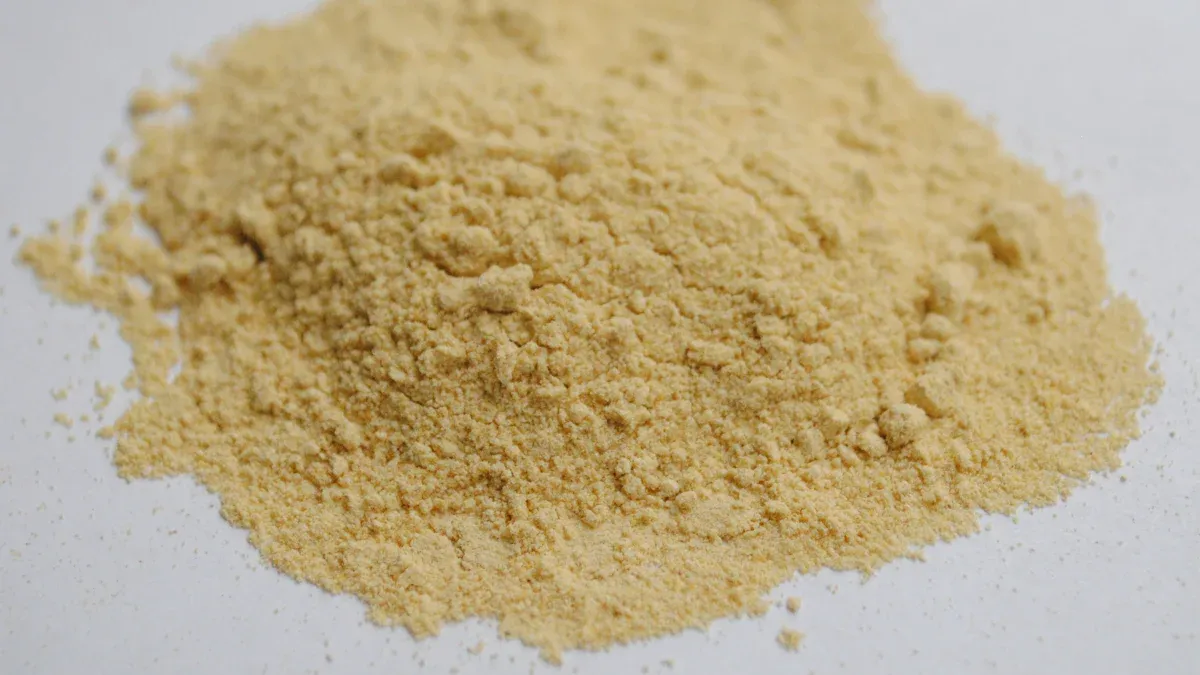
You find yeast extract in many foods today. This ingredient comes from yeast, which is a tiny fungus. Food makers use yeast extract because it gives a strong, meaty umami taste. You see yeast extract in soups, sauces, snacks, and even plant-based burgers. Many people choose yeast extract because it is a natural way to boost flavor. You get a fuller taste that feels rich and savory. Yeast extract works as a natural alternative to MSG, which some people want to avoid.
Yeast extract contains special parts that make food taste better. You get umami amino acids and 5′-nucleotides. These parts help create a deep, satisfying flavor. You also notice that yeast extract can taste bitter if not made right. Food makers use heat to control this taste and bring out more umami.
Tip: If you want a natural ingredient that gives your food a meaty flavor, yeast extract is a smart choice.
How Yeast Extract Is Made
You make yeast extract by breaking down yeast cells. First, you grow yeast in tanks. Then, you use heat and enzymes to open the cells. This process is called hydrolysis. You get a thick paste or powder that holds all the flavor parts. Heat treatment is important. If you keep the temperature below 120°C, you boost the umami taste and mask any bitterness. You also create new aromas that make food smell and taste better.
Yeast extract can taste bitter because of peptides from protein hydrolysis.
Heat treatment can stabilize these bitter peptides.
Controlled heat below 120°C improves umami flavor and masks bitterness.
Proteolytics in yeast extract add to its flavor profile.
Thermal treatment helps create new aromas and a richer taste.
Naturalness and Labeling
You see yeast extract labeled as a natural ingredient. Food companies like yeast extract because it fits clean-label trends. You do not find artificial chemicals in yeast extract. You get a product that comes from yeast and simple processing steps. This makes yeast extract a label-friendly choice for many brands.
Yeast extract is popular around the world. The market keeps growing as more people want natural flavors. Here is a look at the global market for yeast extract:
Year | Market Value (USD) | CAGR (%) |
|---|---|---|
2025 | N/A | |
2030 | $3.84 Billion | 6.9% |
You help your food taste better and meet natural standards when you use yeast extract. You also support a trend toward healthier, more transparent ingredients.
MSG Overview
What Is MSG?
MSG is in many foods you eat today. MSG stands for monosodium glutamate. You find it in snacks, soups, and restaurant meals. MSG gives food a strong, savory flavor. When you eat chips or noodles, you often taste MSG. Food makers use MSG to boost umami and make food taste better. You see MSG listed as a flavor enhancer on packages. MSG is a pure compound that gives a salty, savory taste. MSG does not have extra nutrients, but it makes food taste stronger.
MSG lets you enjoy food with less salt. You get more flavor without adding much sodium.
How MSG Is Made
MSG is made in a special way. Factories use fermentation to make MSG. They start with sugar cane or molasses. Bacteria break down the sugar and make glutamic acid. Then, workers mix this acid with sodium to form MSG crystals. This is not the same as making yeast extract. Yeast extract comes from yeast cells. MSG comes from fermenting sugar.
Here is a table that shows how MSG and yeast extract are made differently:
Aspect | MSG Production | Yeast Extract Production |
|---|---|---|
Main Process | Fermentation of sugar cane or molasses | Natural byproduct of yeast fermentation |
Composition | 100% sodium glutamate | Contains around 5% naturally occurring glutamate |
Additive vs Natural | Food additive, marked with an E number | Natural ingredient, no E number required |
Nutritional Content | High concentration of sodium salt and glutamic acid | Contains carbohydrates, proteins, B-group vitamins, essential amino acids, and organic minerals |
Flavor Profile | Enhances umami taste | Complements and enriches flavors in dishes |
MSG is a pure flavor booster. Yeast extract has more nutrients and a richer taste. MSG is strong, so you only need a little bit.
Labeling and Perception
MSG is labeled as a food additive. You see it called monosodium glutamate or E621. Many people know MSG as a flavor booster. Some people worry about MSG, but scientists say it is safe for most people. MSG is in many packaged foods. Food makers use MSG because it is cheap and easy to add. Some brands do not use MSG and pick yeast extract instead. Yeast extract is seen as more natural, but both make food taste better.
Tip: If you want to skip artificial flavor boosters, pick foods with yeast extract or other natural umami sources.
MSG is known for making food taste stronger. Some people avoid MSG, but it is in many snacks and seasonings. You can choose what you like by reading labels and learning about these ingredients.
Umami Taste Comparison
Flavor Profiles
You notice a big difference when you taste foods with yeast extract and MSG. Yeast extract gives you a deep, rich flavour that feels natural. You get a meaty and rounded umami taste. MSG gives you a strong, salty punch. The flavour is clear and sharp, but it does not have the same depth as yeast extract. You find yeast extract in soups, sauces, and plant-based burgers. MSG is common in chips, instant noodles, and many snacks.
Yeast extract contains natural glutamates. These glutamates work with other parts in yeast extract to build a fuller flavour. MSG has a higher concentration of glutamate, so you taste umami quickly. You might notice that yeast extract makes food taste more complex. MSG gives you a simple, strong umami hit.
Here is a table to help you compare the flavour profiles:
Feature | Yeast Extract | MSG |
|---|---|---|
Umami Strength | Moderate, layered | Strong, direct |
Flavour Complexity | Rich, meaty, rounded | Simple, salty, sharp |
Naturalness | Natural, label-friendly | Synthetic, additive |
Common Uses | Soups, sauces, burgers | Chips, noodles, snacks |
Tip: If you want a natural and complex flavour, choose yeast extract. If you want a strong and simple umami boost, MSG works well.
You see food makers use yeast extract when they want a natural label. MSG is used when cost and strong flavour matter most. Both are popular flavour enhancers, but yeast extract fits clean-label trends better.
Mouthfeel and Complexity
You feel the difference in your mouth when you eat foods with yeast extract or MSG. Yeast extract gives you a smooth, rounded mouthfeel. The flavour spreads across your tongue and lasts longer. You taste layers of umami, saltiness, and even a hint of sweetness. MSG gives you a quick burst of savoury flavour. The mouthfeel is sharp and sometimes dry. MSG does not add much complexity to the food.
Yeast extract contains natural glutamates in lower concentrations than MSG. You get extra amino acids, vitamins, and minerals from yeast extract. These parts help build a richer mouthfeel and more complex flavour. MSG is pure glutamate and sodium. You get a strong umami taste, but not much else.
You notice that yeast extract works well in foods where you want a full-bodied flavour. It helps plant-based foods taste meaty. MSG is best for snacks that need a fast, salty kick. Both are flavour enhancers, but yeast extract gives you more complexity.
Yeast extract: Smooth, layered, lasting flavour
MSG: Sharp, quick, simple flavour
Note: You can use yeast extract to improve mouthfeel and overall quality in processed foods. MSG boosts umami, but does not add extra layers of flavour.
You make better choices when you know how these flavour enhancers work. Yeast extract helps you enjoy natural umami and a richer eating experience. MSG gives you a strong, simple flavour that works in many snacks.
Yeast Extract in Industry
Common Uses
Yeast extract is in lots of foods you eat. Food makers use it to give soups and sauces a rich taste. You find yeast extract in snacks and plant-based burgers. It is also in ready meals and spreads. If you want a meaty flavor but no meat, yeast extract helps. Yeast extract makes flavors deeper in bouillon cubes and instant noodles. You see it in salad dressings and snack bars too. This ingredient gives foods a strong taste and better texture.
Tip: To make your food taste better, check for yeast extract on the label.
Labeling Practices
Yeast extract is often called a natural ingredient on packages. Food companies pick yeast extract because people want simple labels. You want to know what is in your food, and yeast extract helps with that. In the United States, the FDA says yeast extract is safe as a flavor and nutrient. Brands like Lallemand Bio-Ingredients and BioSpringer sell non-GMO and allergen-free yeast extract. More people want clean-label foods, so companies use yeast extract to meet this need.
Here is a table that shows how yeast extract is labeled in big markets:
Aspect | Details |
|---|---|
Regulatory Body | USA Food and Drug Administration (FDA) |
Permitted Use | Yeast extracts as flavoring agents and nutrient enhancers |
Consumer Trends | Growing demand for clean-label products influencing labeling practices |
Market Examples | Companies like Lallemand Bio-Ingredients and BioSpringer offering non-GMO, allergen-free extracts tailored for health-conscious brands |
Benefits for Food Manufacturers
When you buy foods with yeast extract, you help food makers. Yeast extract is a natural choice instead of synthetic additives like MSG. Food makers use yeast extract to make processed foods taste and feel better. Yeast extract is easy to mix and works in many recipes. It boosts flavor without fake chemicals. Yeast extract helps companies make foods that taste good and have simple ingredients. You support better foods when you choose yeast extract.
Note: Yeast extract lets you eat foods with natural taste and clear labels. You help the trend for healthier and more honest ingredients.
Health and Safety
Scientific Consensus
You may wonder if yeast extract and MSG are safe to eat. Major health organizations have studied these ingredients for many years. You can trust their findings. Here is what they say:
The FDA and WHO both agree that MSG is safe for you when you eat it in normal amounts.
Scientists have not found any proof that MSG causes health problems for most people, even those who think they are sensitive to it.
Yeast extract contains glutamate, just like MSG. Your body breaks down glutamate from both sources in the same way. This supports the safety of yeast extract in your diet.
Tip: If you eat foods with yeast extract or MSG, you do not need to worry about health risks when you follow normal serving sizes.
Public Perception
You might hear mixed opinions about MSG and yeast extract. Some people believe MSG causes headaches or other issues. You see stories online or in magazines that make MSG sound scary. Most of these claims do not have strong science behind them. Many people choose yeast extract because it sounds more natural. You see “no MSG” labels on snacks and soups. This makes you feel safer, even though both ingredients are safe.
You notice that yeast extract has a better reputation. People trust it more because it comes from yeast and fits clean-label trends. MSG still faces negative views, even though experts say it is safe.
Ingredient | Public Image | Common Concerns |
|---|---|---|
Yeast Extract | Natural, trusted | Few worries |
MSG | Synthetic, debated | Headaches, allergies |
Regulatory Status
You see clear rules for yeast extract and MSG in the food industry. The FDA allows both ingredients in foods sold in the United States. Food makers must list MSG on labels as “monosodium glutamate” or “E621.” Yeast extract appears as “yeast extract” or “autolyzed yeast extract.” You can check labels to know what you are eating.
Note: You can feel confident when you choose foods with yeast extract or MSG. Both meet safety standards set by health authorities.
Choosing the Best Umami Source
Key Differences
There are many ways to add umami to food. Yeast extract and MSG are two popular choices. Yeast extract comes from yeast cells. MSG is made by fermenting sugar. Yeast extract gives food a rich, meaty taste with layers. MSG gives a strong and simple umami flavor. Yeast extract is found in foods with clean labels. MSG is used in snacks and instant noodles.
Here is a table that shows how they are different:
Feature | Yeast Extract | MSG |
|---|---|---|
Source | Natural yeast cells | Fermented sugar |
Flavour | Rich, layered, meaty | Sharp, salty, simple |
Labeling | Natural, label-friendly | Synthetic, additive |
Nutritional Value | Contains vitamins, amino acids | Pure glutamate and sodium |
Food Industry Use | Clean-label, plant-based | Mass-market snacks |
Flavour Enhancement | Complex, lasting | Quick, strong |
Yeast extract is a natural way to boost flavor. MSG is good for a fast umami taste. Both help make new and tasty foods.
Practical Tips for Consumers
You want to pick the best flavor enhancers when you shop. You check labels for yeast extract or MSG. Yeast extract is best if you want natural ingredients and deep flavor. MSG is good if you want a strong, salty taste in snacks.
Here are some easy tips:
Find yeast extract in soups, sauces, and plant-based meals.
Pick MSG for instant noodles and chips if you want quick umami.
Check ingredient lists for flavor enhancers.
Try yeast extract for a fuller, meaty taste.
Skip MSG if you want clean-label foods.
Tip: Mix yeast extract with mushrooms or tomatoes for more flavor. This helps make food taste better and supports new ideas in cooking.
When you choose foods with natural flavor enhancers, you help the food industry grow. You support brands that use yeast extract for better taste and honest labels.
Considerations for Food Professionals
If you work with food, you want to make flavors better. Use yeast extract for recipes with clean labels. Add MSG for cheaper flavor in snacks. Pick yeast extract for a meaty, layered taste. Choose MSG for a sharp, salty flavor.
Think about these things:
Yeast extract fits clean-label trends and helps new food ideas.
MSG gives strong umami and costs less.
Yeast extract adds vitamins and amino acids to food.
MSG is best for foods that need quick flavor.
Use yeast extract to make plant-based foods taste richer.
Note: You help create new foods when you use yeast extract in recipes. You meet what people want by using natural flavor enhancers and healthier ingredients.
You help shape the future of food by picking the right umami source. You balance taste, cost, and what people want to make foods everyone enjoys.
You can tell yeast extract and MSG are not the same. Yeast extract gives food a natural taste and B vitamins. It also makes food taste rich and full. MSG makes food taste more savory but does not give extra nutrients. Studies say yeast extract has less glutamate than MSG. More foods now use yeast extract because people want simple labels and plant-based choices.
Yeast extract gives both taste and nutrition.
MSG only helps with flavor.
More people want natural ingredients, so yeast extract is used more.
Pick yeast extract if you want a richer taste and natural goodness. Always check labels to find what fits your needs and beliefs.
FAQ
Is yeast extract healthier than MSG?
You get more nutrients from yeast extract. It contains B vitamins and amino acids. MSG only boosts flavor. Both are safe when you eat normal amounts. Yeast extract fits clean-label trends and supports natural eating.
Can you use yeast extract instead of MSG in recipes?
You can swap yeast extract for MSG in most dishes. Yeast extract gives a richer, meaty taste. MSG offers a strong, simple umami flavor. Try yeast extract in soups, sauces, or plant-based meals for better depth.
Does yeast extract contain gluten?
Most yeast extract comes from baker’s yeast, which does not contain gluten. Some brands make gluten-free yeast extract. Always check the label if you need to avoid gluten.
Tip: Look for “gluten-free” on the package to stay safe.
Why do some people avoid MSG?
Some people think MSG causes headaches or allergies. Scientists say MSG is safe for most people. You may see “No MSG” labels because many shoppers prefer natural ingredients.
Ingredient | Common Concern | Scientific View |
|---|---|---|
MSG | Headaches | Safe for most |
Yeast Extract | Few worries | Safe |