
You want to pick the best acidulant for your product. Fumaric acid gives a strong sour and dry taste. It also costs less. Malic acid mixes flavors well. It has a soft, sour taste. Tartaric acid dissolves fast. It gives a sharp, sour flavor.
Fumaric acid: sour, dry taste
Malic acid: sour, soft dry taste
Tartaric acid: sour, dry taste
Pick one based on taste, how it dissolves, and price. This Top Acidulants Compared guide helps you choose.
Key Takeaways
Fumaric acid gives a strong sour taste that lasts long. It costs less than the others. Use it in baked goods and candies for steady flavor.
Malic acid has a smooth sourness. It mixes well with sweet flavors. It works great in fruit drinks and candies.
Tartaric acid dissolves fast and boosts fruit flavors. It is best for grape and lime drinks. It costs the most but works very well.
When picking an acidulant, think about taste, how it dissolves, and price. This helps you choose the best one for your product.
Mixing acidulants can help you get the flavor you want. It also helps keep your food or drink stable.
Top Acidulants Compared

Quick Table
Here is a table that shows the main features of each acidulant. You can look at it to help you pick the best one for your product.
Acidulant | Acidity Strength | Solubility | Taste Profile | Common Uses | Cost | Stability |
|---|---|---|---|---|---|---|
Fumaric Acid | Very strong | Low | Strong tart, persistent sourness | Baked goods, candy | Low | High, but does not dissolve easily |
Malic Acid | Moderate | Moderate | Smooth tartness, blends flavors | Fruit drinks, sweets | Moderate | Less stable, breaks down easily |
Tartaric Acid | Strong | High | Sharp tart, enhances fruit taste | Wine, beverages | High | Very stable, binds with proteins |
Key Differences
There are some big differences between these acidulants. Fumaric acid has a strong tart taste. It stays sour for a long time. It gives more astringency than the others. Fumaric acid is good for foods that need a lasting sour flavor. But it does not dissolve fast in water.
Malic acid has a smooth tartness. The sour taste lasts for a while. You can use malic acid to balance sweet foods. It mixes flavors well. That is why people use it in fruit drinks and candies. Malic acid is not as stable as tartaric acid. It breaks down faster, so it does not last long in some foods.
Tartaric acid has a sharp and strong tart taste. You often see it in wine and grape drinks. Tartaric acid dissolves quickly. It stays stable even when the pH is low. It binds with proteins, which changes the astringency in drinks. Tartaric acid does not break down easily. Malic acid breaks down faster.
Tip: Pick fumaric acid if you want a sour taste that lasts. Choose malic acid for smooth blending and fruit flavors. Tartaric acid is best if you need fast dissolving and strong tartness.
When you compare these acidulants, look at taste, how they dissolve, and how stable they are. These things help you choose the one that works best for you.
Fumaric Acid
Properties
Fumaric acid has very strong acidity. Its sour taste lasts a long time. It makes food taste dry and tart. You only need a little because it works well. Here are some important facts:
Strong acidity (pKa values: 3.02, 4.38 at 25℃)
Low water solubility (0.63 g/100 mL at 25℃)
Sourness that stays dry and lasts
Stays stable in most foods
Costs less than other acidulants
Uses
Fumaric acid is used in lots of foods and drinks. It is good when you want sourness to last or need to control pH with less acid. The table below shows where it is used:
Application Type | Description |
|---|---|
Beverages | Used in sodas, fruit juices, energy drinks, and flavored waters to keep acidity and boost taste. |
Food Products | Works as an acidulant, stabilizer, and flavor booster in processed foods, ready meals, and snacks. |
Convenience Foods | Helps food last longer and taste better in baked goods and jellies. |
You can find fumaric acid in bread and tortillas. It helps control pH and makes dough better. In candies like gummy bears and fruit chews, it keeps the taste sharp and pH steady.
Pros & Cons
Fumaric acid has good points but also some problems.
Pros:
Cheap and works well in small amounts
Sourness lasts a long time
Stops germs and helps keep food fresh
Cons:
Hard to dissolve in water
Tastes stronger than citric acid, so not for every food
Can mess with yeast in baking and change how bread rises
Note: If you put fumaric acid right into baking mixes, it can change yeast and gluten. This might make the final food different.
Best Fit
Pick fumaric acid if you want strong sourness that lasts and want to save money. It is best for:
Baked goods (bread, tortillas)
Drinks (sodas, fruit juices)
Candy (gummy bears, fruit chews)
Processed foods (sauces, dressings)
Fumaric acid is a great choice in the Top Acidulants Compared guide for foods that need sourness to last and stay stable. It is good when you want to use less acidulant and spend less money.
Malic Acid
Properties
Malic acid gives foods a nice sour taste. It mixes flavors together well. Many fruit-flavored foods use malic acid. It dissolves better than fumaric acid. But it does not dissolve as fast as tartaric acid. The sourness depends on how much malic acid you use and the pH. Malic acid tastes different from citric acid, even if you use the same amount. This is because malic acid has a special chemical structure. The sour taste is soft and stays for a while. It goes well with sweet foods.
Uses
Malic acid is in lots of foods and drinks. It helps balance sweet and sour tastes. People use malic acid instead of citric acid sometimes. Here is a table that shows where malic acid is used and how much is needed:
Product Type | Typical Concentration Range |
|---|---|
Carbonated beverages | 0.03%–0.90% |
Powdered juice drinks | N/A |
Jams and jellies | N/A |
Canned fruits and vegetables | N/A |
Confectionery | N/A |
You can find malic acid in soda, juice powders, jams, jellies, canned fruits, vegetables, and candy. It helps cover up bad aftertastes. It also makes colors look the same in foods and drinks.
Pros & Cons
Malic acid has many good points:
Helps food last longer by lowering moisture
Makes things dissolve easier and colors look even
Hides bad aftertastes
There are some problems too:
You need to mix it well with other dry things
Malic acid gives a sour taste to candy, jams, and jellies. It helps keep food fresh and makes it last longer.
Best Fit
Pick malic acid if you want smooth flavors and a nice sour taste. It works best in:
Fruit drinks
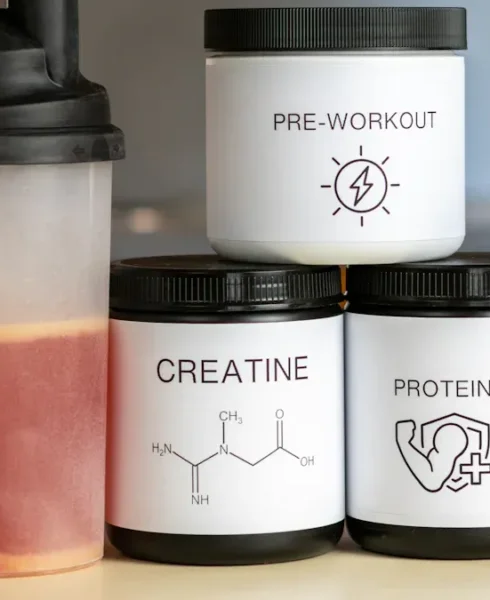
Pre-workout supplements
Candy
Jams and jellies
Malic acid also helps with energy and muscle recovery in supplements. If you want an acidulant for fruit flavors, malic acid is a great choice in the Top Acidulants Compared guide.
Tartaric Acid
Properties
Tartaric acid dissolves very fast in water. It gives a sharp and strong tart taste. This acidulant makes grape and lime flavors better. Its taste is stronger than citric acid. Here are some important facts about tartaric acid:
It dissolves easily in water at 20°C: 139g/100ml for the L form, 18.4g/100ml for the DL form
It has a strong, sharp tart taste
It costs more than most other acidulants
It boosts fruit flavors, especially grape and lime
Tartaric acid’s high solubility helps you use it in many foods and drinks. It dissolves quickly and gives a fast sour taste.
Uses
You can find tartaric acid in lots of foods and drinks. It works as an acidulant, flavor booster, and stabilizer. The table below shows common uses:
Application Type | Examples of Use |
|---|---|
Acidulant | Grape- and lime-flavored drinks, gelatin desserts |
Flavor Enhancement | Makes fruit flavors stronger, especially grape and lime |
Baking | Baking powders, helps baked goods rise |
Confectionery | Hard sour candies, jams, jellies |
Tartaric acid is important in wine making. It keeps wine fresh and stable. You see it in baking powders to help bread and cakes rise. In candy and jams, it gives a strong tart taste that lasts.
Pros & Cons
Tartaric acid has many good points, but there are some problems too.
Advantages | Disadvantages |
|---|---|
Can make tartrate crystals that look odd | |
Keeps wine stable | |
Helps food stay fresh longer | |
Lowers pH and stops bacteria from growing | |
Keeps colors bright |
Tip: Use tartaric acid if you want fruit flavors to stay bright and stable. Be careful because tartrate crystals can show up in some foods.
Best Fit
Pick tartaric acid when you need it to dissolve fast and give a strong tart taste. It works best in:
Grape and lime drinks
Wine and other drinks
Hard sour candies
Jams and jellies
Baking powders
Tartaric acid’s quick dissolving and sharp taste make it a great choice in the Top Acidulants Compared guide for drinks and candy. You can also use it to keep wine stable and colors bright in foods.
Comparison Insights
Taste & Sensory
There are big taste differences between these acidulants. Fumaric acid gives a strong, dry sourness that lasts longer. Malic acid tastes smooth and mixes well with sweet foods. Tartaric acid makes drinks taste sharp and tart, especially grape and lime.
Sensory tests show astringency can make people like foods less. If you use little sugar, sourness and astringency stand out more. This can make food less fun to eat. Too much sugar makes things taste too sweet, even if they are sour. You need to balance sweet and sour for the best taste.
Sucrose Concentration | Observations on Sourness and Astringency | Key Findings |
|---|---|---|
People liked foods less because of astringency | Astringency makes foods less enjoyable | |
Medium (6%) | Too much sweetness made people uncomfortable | Sweetness needs to be balanced for good taste |
High (10%) | Foods stayed too sweet even with sourness | How long flavors last changes how much people like them |
Tip: Pick fumaric acid for a sour taste that lasts. Choose malic acid for smooth mixing. Tartaric acid is best for sharp tartness in fruit drinks.
Performance
You want your acidulant to work well when you make food. Fumaric acid has the fastest acidifying power. It stays stable and helps stop bad bacteria. Malic acid works at a medium speed but breaks down faster. It can make drinks cloudy if bacteria grow. Tartaric acid acidifies quickly but can make crystals if you use too much.
Acid | Acidification Rate | Stability Under Processing Conditions | Notes |
|---|---|---|---|
Fumaric Acid | Fastest | Stays stable, stops LAB growth | Stops malolactic fermentation and fights bacteria. |
Malic Acid | Medium | Less stable, helps LAB grow | Makes foods more sour but can make wine cloudy. |
Tartaric Acid | Fast | Can make tartrate crystals | Used a lot but can make flavors uneven if overused. |
Fumaric acid gives strong acidifying power and keeps food safe.
Malic acid adds freshness but needs care to avoid cloudiness.
Tartaric acid is used in drinks and baking but can make crystals.
Cost & Access
You want to save money and get the acidulant you need. Fumaric acid is the cheapest, costing about $1.10 per kilogram. Malic acid costs more, and tartaric acid is the most expensive.
Fumaric acid: Cheapest, easy to find for most foods.
Malic acid: Costs more, used in drinks and candy.
Tartaric acid: Most expensive, used in wine and special foods.
In North America, you can get all three acidulants easily. The U.S. and Canada have good ways to keep acidulants safe and high-quality. More people want acidulants for special foods now. Suppliers focus on pure acidulants for food and medicine.
Note: If you make foods for the U.S. or Canada, you can get any acidulant. Pick one that fits your budget and product.
Product Suitability
You need to pick the right acidulant for your food. The Top Acidulants Compared guide helps you choose.
Fumaric acid is best for baked goods, tortillas, and candies that need sourness to last.
Malic acid works well in fruit drinks, electrolyte powders, and sour candies. It mixes flavors and adds freshness.
Tartaric acid is good for grape and lime drinks, wine, jams, and baking powders. It dissolves fast and gives a sharp tart taste.
When you choose an acidulant, think about your food type, taste, and how you make it. Acidulants help control pH, improve flavor, and keep food safe. You can use acidulants with cultures to make cheese or yogurt more even. Acidulants also help speed up acid in pickling, canning, and marinating.
Tip: Always check how your acidulant changes taste, texture, and shelf life. Pick the one that fits your food and budget.
Choosing the Right Acidulant
Selecting the right acidulant can change the way your food or drink tastes, looks, and lasts. You need to think about what you are making, the flavor you want, how you process your product, and how much you want to spend. Use this guide to help you decide.
By Product
Different foods and drinks need different acidulants. Here is a quick guide:
Product Type | Best Acidulant Choice | Why It Works Well |
|---|---|---|
Baked Goods | Fumaric Acid | Gives lasting sourness, controls pH |
Fruit-Flavored Drinks | Malic Acid or Tartaric Acid | Blends fruit flavors, dissolves quickly |
Wine | Tartaric Acid | Keeps wine stable, boosts grape flavor |
Candy | Malic Acid or Fumaric Acid | Adds smooth or strong sourness |
Jams & Jellies | Malic Acid or Tartaric Acid | Balances sweet and sour, keeps color |
You can use malic acid in fruit drinks and candies to make fruit flavors taste fresh. Fumaric acid works well in baked goods and candies when you want the sourness to last. Tartaric acid is the top choice for wine and grape drinks because it keeps the flavor sharp and stable.
By Taste
The acidulant you pick changes the final taste of your product. Here is what you need to know:
Fumaric acid gives a strong, dry, and lasting sourness. Use it if you want the sour taste to stay for a long time.
Malic acid has a smooth tartness. It blends well with sweet flavors and makes fruit flavors taste more natural.
Tartaric acid gives a sharp, quick sourness. It works best in grape and lime drinks or when you want a bold tart flavor.
Citric acid is also common in drinks and candy because it gives a sharp, tangy taste. Malic acid makes fruit flavors milder and more balanced. Fumaric acid adds strong acidity, which is good for fruit-flavored drinks that need a punch. You can mix acidulants to get the exact taste you want.
Tip: If you want a mild, blended fruit flavor, choose malic acid. For a bold, sharp taste, pick tartaric acid. If you want the sourness to last, go with fumaric acid.
By Process
How you make your food or drink affects which acidulant you should use. Think about these points:
Solubility: Tartaric acid dissolves the fastest. Use it in drinks or foods where you need quick mixing. Fumaric acid dissolves slowly, so it works better in baked goods or products that do not need fast mixing.
Stability: Fumaric acid stays stable in most foods. It does not break down easily. Malic acid breaks down faster, so it may not last as long in some products.
pH and Temperature:
The pH of your mix matters. Some acids work better at certain pH levels. For example, a pH below 2 helps stop unwanted side products and keeps flavors clean.
Temperature changes how fast acids work. Most acids work best between 25–30°C. Higher temperatures can make unwanted flavors or side products.
Fermentation: If you use fermentation, the acidulant can affect how yeast or bacteria grow. Fumaric acid can slow down yeast, which helps control the rise in bread.
Note: Always check how your acidulant reacts with other ingredients and your process steps. This helps you avoid problems like crystals or off-flavors.
By Budget
Cost matters, especially if you make food in large amounts. Here is a simple guide:
Fumaric acid is the cheapest. It helps you save money and works well in many foods.
Malic acid costs more than fumaric acid but less than tartaric acid. It is a good choice for drinks and candies where taste matters most.
Tartaric acid is the most expensive. Use it when you need its special properties, like in wine or grape drinks.
Citric acid is also popular because it is affordable and works in many foods. It helps lower production costs and is easy to use in big factories.
Tip: If you want to save money, pick fumaric acid or citric acid. If taste is your top goal, malic acid or tartaric acid may be worth the extra cost.
You can use this Top Acidulants Compared guide to match the right acidulant to your needs. Think about your product, the taste you want, your process, and your budget. This way, you get the best results every time.
You can pick the best acidulant by checking taste, how it mixes, and price. Fumaric acid makes food taste very sour. It also helps food stay fresh longer. Malic acid mixes flavors and gives a soft sour taste. Tartaric acid mixes fast and makes fruit flavors stronger. The table below lists how each acidulant is used:
Acid | Key Properties and Applications |
|---|---|
Fumaric Acid | Strong sourness, helps food last, used in dry mixes and jellies |
Malic Acid | Soft sourness, balances sweet, used in drinks and candy |
Citric Acid | Sharp taste, boosts flavor, keeps food fresh |
Think about your food and the taste you want. Try different acidulants to see which one works best for your recipe.
FAQ
What acidulant works best for fruit-flavored drinks?
Malic acid and tartaric acid are good choices. Malic acid mixes fruit flavors well. It gives a smooth sour taste. Tartaric acid dissolves fast. It adds a sharp tart flavor. Both help fruit drinks taste fresh and bright.
Can I mix different acidulants in one product?
Yes, you can mix acidulants together. Mixing lets you change sourness and flavor. It also helps with stability. For example, you can use malic acid and citric acid. This gives a balanced taste. Always test your mix to get the best result.
Why does my candy taste too sour or too astringent?
You may have used too much fumaric acid or tartaric acid. Fumaric acid makes candy very sour for a long time. Tartaric acid gives a sharp tart taste. Try using less or add malic acid. This can make the taste smoother.
Is fumaric acid safe for baking?
Yes, fumaric acid is safe for baking. It helps control pH and adds sourness. Use the right amount in your recipe. Too much can change yeast and dough texture. Always follow the recipe steps.
How do I stop crystals from forming in my drinks?
Tartaric acid can make crystals in drinks. This happens more at low temperatures. Use the right amount and store drinks well. You can mix with other acidulants to lower crystal risk.