
You now see more foods featuring natural alternatives such as citric acid, malic acid, tartaric acid, acetic acid from vinegar, and herbs like rosemary or thyme. Many companies choose these natural alternatives because consumers desire cleaner labels. Last year, 30% of new food and drink products utilized clean label claims. Products with no additives or preservatives accounted for 14%. When brands incorporate clean label options, they often experience higher sales, better profits, and increased prices.
Key Takeaways
Natural alternatives like citric, malic, and tartaric acids are popular. This is because people want clean labels on food. Using natural ingredients can help sell more products. It can also bring in customers who care about health. Different acids taste more or less sour than others. You should change the amount used when you swap them for fumaric acid. Herbs and spices add flavor to food. They also help keep food fresh in a natural way. Always try new ingredients in small amounts first. This helps make sure the food tastes good and is safe before making a lot.
Fumaric Acid in Foods
Uses
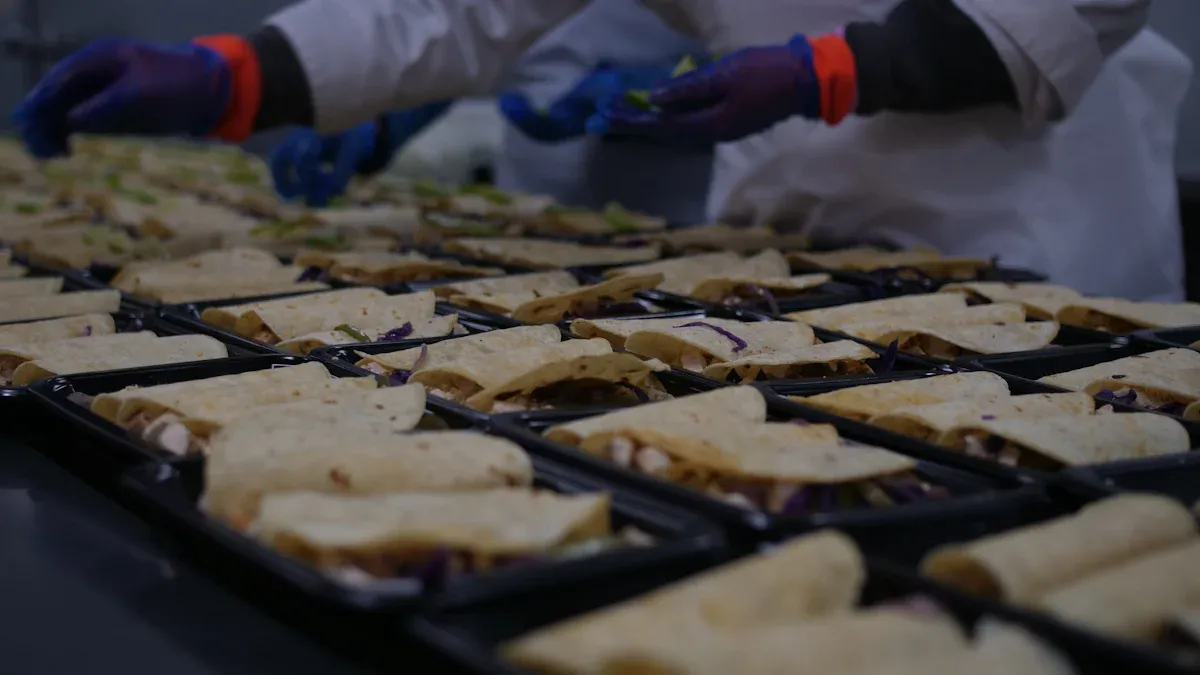
Fumaric acid is found in lots of foods. Companies use it to make food taste sour. It also helps keep food fresh. You can find it in bread, drinks, candy, and meats. Fumaric acid controls how sour food is. This makes food taste good and last longer. You might see it in tortillas, fruit juice, and jello desserts. Some companies use it to cure meats or pickle veggies. Fumaric acid stops bacteria from growing.
Here are ways fumaric acid is used:
It flavors candy and drinks.
It controls sourness in baked goods.
It keeps processed meats fresh.
It helps pickle and cure foods.
It protects food from germs.
Why Replace It
You might ask why companies want Natural Alternatives to fumaric acid. Many people like foods with easy-to-understand ingredients. More shoppers look at labels for words they know. Some brands use natural sources to give people clean-label choices.
Tip: Using natural ingredients can help you get more health-focused customers.
Fumaric acid is safe according to rules. The FDA and EFSA say it is okay in food. You can check the table for more facts:
Aspect | Details |
|---|---|
Regulatory Status | Generally Recognized As Safe (GRAS) by the FDA and approved by EFSA. |
Approved Uses | Flavoring, acidity regulation, curing, pickling, antimicrobial agent. |
Potential Health Concerns | Too much can cause irritation or kidney problems, but normal amounts are safe. |
If you eat a lot of fumaric acid, it can bother your body or kidneys. Normal food amounts are not risky. Still, some people like natural ingredients to feel safe. You can try Natural Alternatives that work like fumaric acid but are not made in a lab.
Criteria for Natural Alternatives
Acidity
When you look for Natural Alternatives to fumaric acid, you need to check how sour each acid tastes. Acidity helps food taste fresh and keeps it safe. Fumaric acid gives a strong sour flavor, so you often need less of it than other acids. If you switch to citric, malic, or tartaric acid, you may need to use more to get the same taste. Here is a table that shows how much you need for different acids in common foods:
Acid Type | Common Foods | Replacement Rate / Notes |
|---|---|---|
Fumaric Acid | Bread, drinks, candy, jams | |
Citric Acid | Jams, desserts | 2 lbs fumaric acid = 3 lbs citric/malic/tartaric acid |
Malic Acid | Candy, drinks | Similar to citric acid, needs higher amounts |
Tartaric Acid | Jellies, wine | Needs higher amounts than fumaric acid |
You can see that fumaric acid gives more sourness per gram. If you use other acids, you need to adjust the amount to match the flavor.
Safety
You want to keep your food safe for everyone. Most Natural Alternatives come from fruits or plants. Citric acid comes from lemons and oranges. Malic acid is found in apples. Tartaric acid comes from grapes. Vinegar gives acetic acid. These acids are safe for most people. You should always check for allergies or sensitivities. Some acids can cause stomach upset if you use too much. You can trust these acids because food safety groups approve them.
Tip: Always test new ingredients in small batches before using them in all your products.
Cost
Cost matters when you choose Natural Alternatives. Fumaric acid is strong, so you use less. If you switch to citric or malic acid, you may need more, which can raise costs. Some acids cost more because they come from fruits or special plants. Vinegar is cheap and easy to find. Herbs and spices can be expensive, but you only need a little for flavor. You should compare prices and how much you need for each acid. This helps you save money and keep your food tasting great.
Natural Alternatives Overview
Citric Acid
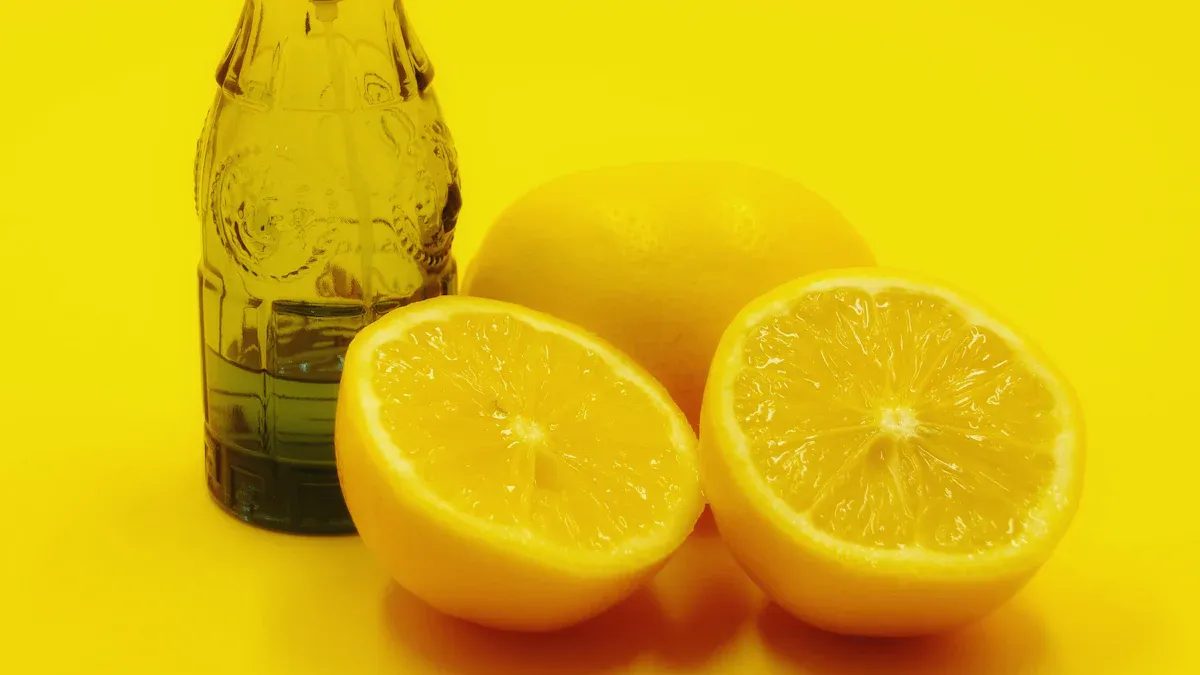
Citric acid is in many fruits like lemons and oranges. Food makers use it to make food sour and keep it fresh. Most citric acid comes from tiny living things that turn sugar into acid. This is called microbial fermentation. The table below shows how citric acid is made:
Production Method | Description |
|---|---|
Microbial Fermentation | 99% of citric acid is made by microbes using special methods. |
Natural Extraction | Taken from citrus fruits like oranges, limes, and lemons. |
Synthetic Chemical Method | Uses enzymes to help make citric acid. |
Submerged Fermentation | Uses fungi like Aspergillus niger with sugar from molasses. |
Surface and Solid-State Fermentation | Uses plant leftovers as food for microbes to make citric acid. |
Citric acid tastes sharp and clean. You find it in drinks, candy, jams, and sauces. Many companies pick citric acid as a main Natural Alternative. It comes from natural sources and fits clean-label trends. It is also used for bio-preservation, which means keeping food safe in a natural way.
Note: Citric acid is liked because it is safe, simple to use, and most people accept it.
Malic Acid
Malic acid gives apples and other fruits their tart taste. You find it in apples, apricots, cherries, and grapes. Food makers get malic acid from fruits or make it in a lab using safe ways. Here are some sources and how malic acid is made:
Natural Sources of Malic Acid | Extraction Methods for Food Use |
|---|---|
Apples | Taken from fruits in the old way |
Apricots | Made using synthetic methods |
Cherries | Made using biological methods |
Malic acid has a strong sour taste. It is more sour than fumaric acid. You can use it in candy, drinks, and fruit snacks to make them taste brighter. Malic acid also helps hide bitter flavors in food. It is often used as a Natural Alternative in foods that need a fruity, tangy taste.
Malic acid is in many fruits and seafood.
It gives a stronger sourness than fumaric acid.
It helps cover up bitter flavors in food.
Tartaric Acid
Tartaric acid is another acid found in fruits. Grapes have the most tartaric acid. You also find it in apples, cherries, papaya, peaches, pears, pineapples, strawberries, mangos, and citrus fruits. Most tartaric acid for food comes from making wine. Makers collect it from grape skins and leftovers after making wine.
Fruits Containing Tartaric Acid |
|---|
Grapes |
Apples |
Cherries |
Papaya |
Peach |
Pear |
Pineapple |
Strawberries |
Mangos |
Citrus Fruits |
Tartaric acid gives food a strong tart taste. It works well in jellies, candies, and drinks. It does not stop germs as well as fumaric acid. But it makes fruit flavors stand out. You can use tartaric acid for a bold, tangy taste and a clean label.
Acid Type | Flavor Enhancement | Shelf-Life Extension |
|---|---|---|
Tartaric Acid | Strong tart taste makes fruit flavors pop | Not as good at stopping germs |
Fumaric Acid | Used in small amounts for taste | Very low moisture absorption keeps food longer |
Acetic Acid (Vinegar)
Acetic acid is the main acid in vinegar. You get vinegar when bacteria turn alcohol into acid. There are two main ways to make vinegar:
Traditional ways use bacteria to slowly change alcohol to acid on top of the liquid.
Submerged culture uses machines with air bubbles to make vinegar faster.
First, yeast turns sugar into alcohol. Then, bacteria change the alcohol into acetic acid. Vinegar gives food a sharp, tangy taste and helps keep it safe from germs. You see vinegar in pickles, sauces, and salad dressings.
Acid Type | Log Reduction (Antimicrobial Effectiveness) |
|---|---|
Acetic Acid | |
Fumaric Acid | 1.96 |
Fumaric acid is better at stopping germs, but vinegar is still a good choice for many foods. Vinegar is natural, easy to find, and fits clean-label needs.
Herbs and Spices
Herbs and spices like rosemary, thyme, and cloves do more than add flavor. They help keep food fresh and safe. Many of these plants have oils that stop germs from growing. Here are some herbs and spices used as Natural Alternatives:
Rosemary
Thyme
Cinnamon
Black pepper
These herbs and spices slow or stop bad bacteria. They also have antioxidants, which help keep food from spoiling. For example, thyme and clove oils help keep meat fresh and stop bad smells. People like the taste of these herbs, so you can use them in many foods.
Evidence Type | Description |
|---|---|
Antioxidant Properties | Wild thyme extract stops fat and protein from breaking down in pork patties. |
Antimicrobial Activity | Thyme and clove oils help keep meat safe and fresh. |
Consumer Acceptance | People enjoy the flavors of thyme and clove in food. |
Tip: Using herbs and spices as preservatives supports clean-label and bio-preservation trends. People want foods with ingredients they know and trust.
Clean-label and bio-preservation trends affect how you pick Natural Alternatives. More people want foods with simple, natural ingredients. Companies now use plant-based acids and herbs to meet these needs. New ways to make acids, like fermentation, help keep food safe and help the environment.
Comparison Table
Effectiveness
You might wonder how well each acid works in food. Some acids make food sour and help stop germs. Fumaric acid is very good at fighting bacteria. It works well on foods like lettuce. It helps stop germs like E. coli and Staphylococcus aureus. If you mix fumaric acid with lactic acid or ferulic acid, it protects food even more. Citric, malic, tartaric, and acetic acids also help keep food safe. But they may not stop all germs as well as fumaric acid. Herbs and spices like thyme and clove can slow down bacteria. Their power depends on the plant and how you use them.
Note: You might need to use more of some Natural Alternatives to get the same sour taste or safety as fumaric acid.
Pros and Cons
Here is a table that shows the good and bad sides of each option:
Additive | Advantages | Disadvantages |
|---|---|---|
Citric Acid | Adds sour flavor, balances taste, makes food look and taste fresh | Can cause unwanted flavors, risk of germs if using juice or peels |
Malic Acid | Makes fruit flavors stronger, improves taste balance | Same risks as citric acid with natural sources |
Tartaric Acid | Helps baked goods, makes fruit flavors pop | Not good for all foods, can give odd flavors |
Acetic Acid | Good preservative, great for pickling, strong flavor | Strong taste may not fit every food |
Herbs/Spices | Natural flavor, may have health benefits | Flavor and quality can change, may add unwanted tastes |
You can use these Natural Alternatives to help make food safer and meet clean-label goals. Each one has good and bad points. You should try them in your recipes to see what works best.
Manufacturer Considerations
Product Type
Think about your food before picking an acid. Some acids work better in certain foods. Citric acid is used in drinks and candy for sour flavor. Tartaric acid is good for baked goods and wine. Malic acid fits fruit snacks and drinks. Lactic acid is common in dairy and bakery foods. The table shows which acid matches each food:
Acidifier | Description |
|---|---|
Citric Acid | Found in citrus fruits, used in drinks, canned fruits, and candy for sour taste. |
Lactic Acid | Found in yogurt and sour cream, used in bakery foods, dressings, and as a preservative. |
Tartaric Acid | Found in grapes and bananas, used in wine and baking. |
Malic Acid | Found in apples and cherries, used in drinks, candy, and fruit snacks for tart flavor. |
Tip: Make small batches first. This helps you see how the acid changes taste and shelf life.
Labeling
You want your label to be simple and clear. People like ingredients they know. If you use lemon juice or vinegar, list them by name. This makes your product stand out. Try not to use chemical names. Natural Alternatives help you reach clean-label goals. You can show plant or fruit sources on your package.
Use words like “lemon juice” or “vinegar.”
Don’t use long chemical names.
Show natural sources to attract health-focused buyers.
Regulations
You must follow food safety and labeling rules. In the US and Europe, agencies have strict standards for acids in food. EFSA asks for more testing and higher purity. EPA wants food makers to lower carbon footprint. Check these rules before you change acids. The table shows some main guidelines:
Regulatory Body | Guidelines |
|---|---|
European Food Safety Authority (EFSA) | Stricter rules for food acids, needing more testing and higher purity. |
Environmental Protection Agency (EPA) | New rules to lower carbon footprint in food making, affecting natural acids. |
Note: Always check the newest rules for your market. This keeps your product safe and legal.
You can pick Natural Alternatives such as citric, malic, tartaric, and acetic acids. Herbs and spices are also good choices for clean-label foods. These options help make food safer. New studies show people want natural additives and easy-to-read labels. Try new ingredients in small amounts first. Always check the rules before you change anything. Watch what customers like and find new ideas in food.
FAQ
What is the best natural alternative to fumaric acid?
You can try citric acid first. Many food makers use it because it comes from fruits and gives a strong sour taste. It works well in drinks, candy, and sauces.
Can you use herbs and spices instead of acids for food preservation?
Yes! Herbs like rosemary and thyme help keep food fresh. They have natural oils that slow down bacteria. You can use them for flavor and safety, but they may not work as well as acids for all foods.
Will switching to natural acids change the taste of your food?
Switching to natural acids can change the taste. Each acid gives a different sourness. You may need to adjust recipes. Always test small batches to find the best flavor.
Are natural alternatives safe for everyone?
Most people can eat natural acids like citric or malic acid. Some people may have allergies or sensitivities. You should always check labels and test new ingredients before using them in all your products.