If you have celiac disease or gluten sensitivity, you might ask if maltodextrin gluten free products are safe for you. Experts think about 2 million people in the United States have celiac disease. Non-celiac gluten sensitivity may affect up to 6% of people.
Look at the table below to see how common these conditions are:
Condition | Estimated Prevalence in U.S. Population |
|---|---|
Celiac Disease | ~1% (about 2 million people) |
Non-Celiac Gluten Sensitivity | 0.6% – 6% |
You should get clear answers about your food. Reading food labels and ingredients helps you choose safe foods each day.
Key Takeaways
Maltodextrin is usually safe for gluten-free diets. It mostly comes from corn, potato, rice, or tapioca. These foods do not have gluten. Even maltodextrin made from wheat is safe. The process removes gluten to very low levels. These levels are allowed by the FDA. Always read food labels carefully. Look for the word ‘wheat’ on the label. Check for a gluten-free label to stay safe. Imported foods may not have clear gluten labeling. Choose trusted brands if you are not sure. You can also contact the manufacturer. Barley malt syrup has gluten and is not safe. Maltodextrin is different and is usually safe for people avoiding gluten.
What Is Maltodextrin?
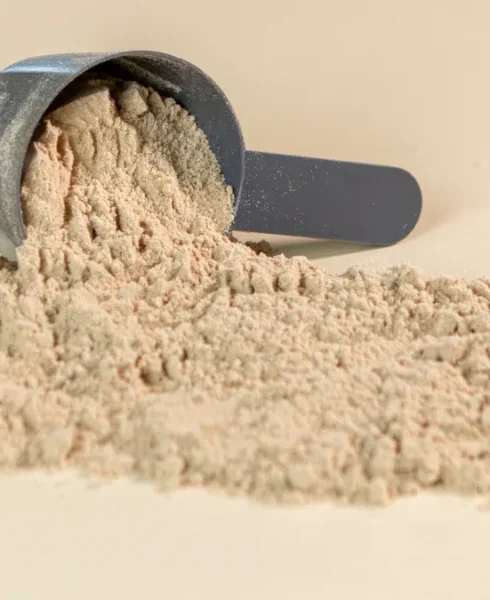
Maltodextrin is a carbohydrate made from starch. It is in many foods because it helps with texture and flavor. It also helps food last longer on shelves. Companies make maltodextrin by breaking down starch from corn, potato, rice, wheat, or tapioca. They use heat, acids, and enzymes to do this. The starch turns into smaller chains of glucose. These chains are called oligosaccharides. They usually have three to twenty glucose units linked together. The end product is a white powder. It dissolves fast in water and does not taste very sweet.
Common Uses
You can find maltodextrin in many foods and drinks. It works as a thickener, filler, or preservative. It also helps foods mix well and stay fresh longer. Here are some foods that use maltodextrin:
Processed snacks like potato chips, crackers, and granola bars
Salad dressings, especially creamy ones like ranch or Caesar
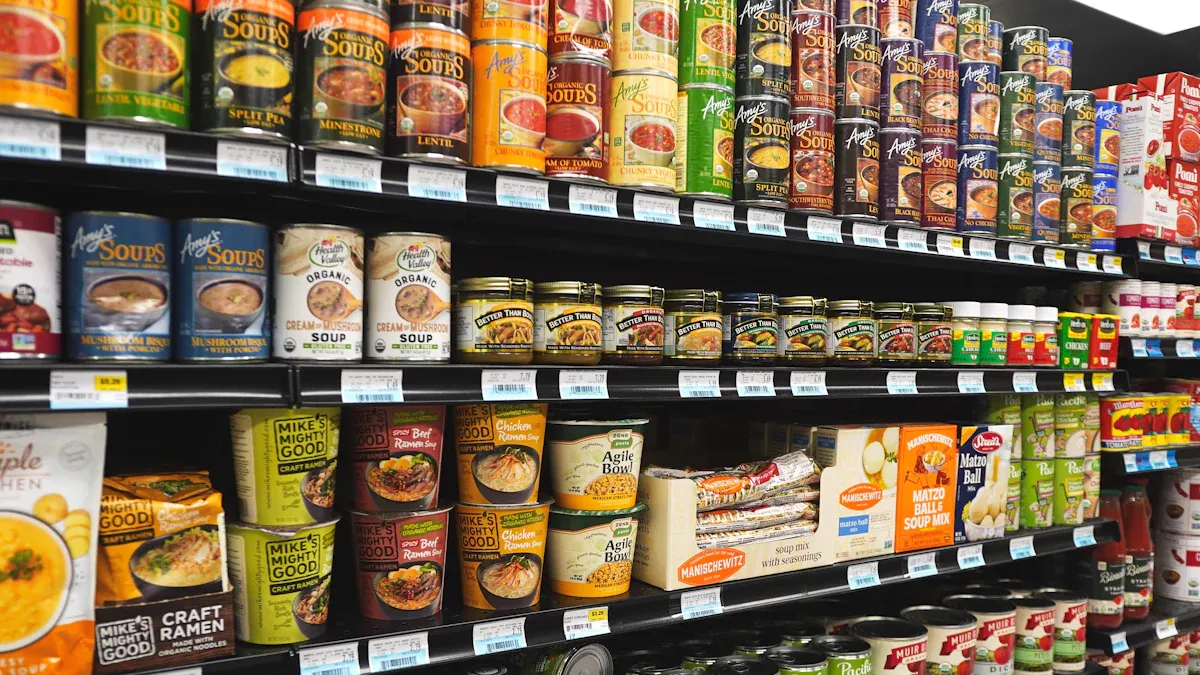
Canned soups such as tomato soup and chicken noodle soup
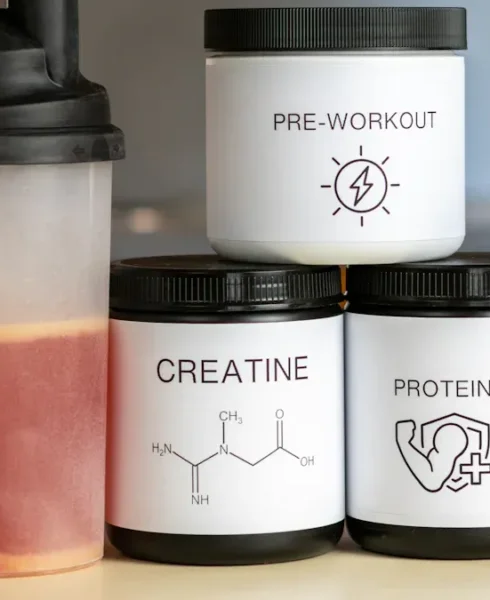
Powdered drink mixes, protein shakes, and meal replacement shakes
Food/Beverage Product Category | Role of Maltodextrin |
|---|---|
Bakery goods | |
Instant soups and sauces | Makes the product thicker and stable |
Protein powders | Adds bulk and helps it dissolve |
Ice cream | Makes the texture smooth |
Sports nutrition products | Gives quick energy |
You will also see maltodextrin in sweets, cereals, condiments, and baby foods. It dissolves quickly and gives energy, so it is used in sports drinks and energy bars.
Why Gluten Is a Concern
If you have celiac disease or gluten sensitivity, you need to avoid gluten. Gluten is a protein found in wheat, barley, and rye. In celiac disease, eating gluten makes your immune system attack your small intestine. This can cause stomach pain, diarrhea, tiredness, and other problems. Gluten sensitivity causes similar symptoms, but it does not hurt your intestine the same way.
Aspect | Explanation |
|---|---|
It harms the small intestine and other parts of the body | |
Like celiac disease but without antibodies or damage | |
Grains to avoid | Wheat, barley, rye, bulgur, farina, semolina flour |
Foods with gluten | Beer, pasta, cookies, cakes, cereals, crackers, salad dressings |
Cross-contamination risks | Shared equipment and kitchen tools |
Hidden gluten sources | Cosmetics, toothpaste, medications |
Naturally gluten-free foods | Meat, fish, eggs, beans, fruits, vegetables, most dairy |
You must stay away from gluten to stay healthy if you have these conditions. This is why you may wonder if maltodextrin is safe for you.
Maltodextrin Gluten Free Status
U.S. Products
You might wonder if maltodextrin gluten free foods in the U.S. are safe. Most maltodextrin here comes from corn, which has no gluten. Sometimes, companies use wheat to make it. But the process takes out gluten proteins. Experts and celiac groups say maltodextrin is usually gluten-free, even if made from wheat. The National Celiac Association and Beyond Celiac both say the process removes gluten. This makes it safe for people with celiac disease or gluten sensitivity.
The Food and Drug Administration (FDA) has strict labeling rules. If maltodextrin comes from wheat protein, the label must say “wheat.” You should check the ingredient list for this word. If you do not see “wheat,” it is not from wheat protein. The FDA lets foods use the gluten-free label if they have less than 20 parts per million (ppm) of gluten. This amount is safe for most people with celiac disease.
Tip: Always read the ingredient list for “wheat” if you have celiac disease or gluten sensitivity. If “wheat” is not listed, you can trust the maltodextrin gluten free status is safe for you.
Here is a table to help you understand FDA rules:
Label Statement | What It Means |
|---|---|
Maltodextrin (corn) | Made from corn, gluten-free |
Maltodextrin (wheat) | Made from wheat, must be labeled |
Gluten-free label | Less than 20 ppm gluten |
No wheat listed | Safe for gluten-free diets |
Most U.S. foods do not have gluten if the label does not mention wheat. You can feel safe picking these foods.
Imported Products
You might see imported foods with maltodextrin on the label. These foods may follow different rules. Some countries do not have clear labels for wheat or gluten. Maltodextrin from wheat is usually gluten-free because the process removes gluten. But labeling laws may not be as strict as in the U.S.
If you buy imported foods, always read the label carefully. Sometimes, the label does not say if the maltodextrin comes from wheat. You may want to contact the company if you are not sure. Picking foods with a gluten-free label can help keep you safe.
Imported foods may use wheat-based maltodextrin without clear labels.
Some countries do not follow the same allergen rules as the FDA.
Gluten-free labels are not always required outside the U.S.
Note: The word “malt” in maltodextrin does not mean it has gluten. Maltodextrin is not the same as barley malt or malt syrup, which do have gluten. You can eat maltodextrin gluten free foods, even if the name sounds like gluten foods.
If you want to be extra safe, pick foods made in the U.S. or those with a gluten-free label. You can also look for maltodextrin made from corn, rice, or potato, which are always gluten-free.
Source and Gluten
Wheat-Based Maltodextrin
Sometimes, you might see maltodextrin made from wheat starch. This can worry people who need to avoid gluten. Wheat-based maltodextrin starts with wheat, which has gluten. But making maltodextrin uses heat, acids, and enzymes. These steps break down the starch and take out gluten proteins. The FDA says wheat-based maltodextrin is usually safe for gluten-free diets. The final product has less than 20 parts per million (ppm) of gluten. This amount is so small that most people with celiac disease or gluten sensitivity do not react.
If you see “wheat” on a label, the company must follow strict rules. The FDA says wheat-based maltodextrin must meet the gluten-free standard before using the label. You can trust maltodextrin gluten free products in the U.S. are safe, even if they come from wheat, as long as the label says “gluten-free.”
Other Sources
Most maltodextrin in foods comes from corn, potato, rice, or tapioca. These sources do not have gluten. You can eat foods with maltodextrin from these starches without worry. Corn maltodextrin is the most common type in the U.S. Potato and rice maltodextrins are also popular, especially for people with allergies. Tapioca maltodextrin dissolves easily and does not have much taste.
Non-Wheat Source | Origin Starch | Key Characteristics |
|---|---|---|
Corn Maltodextrin | Corn starch | Most common maltodextrin type |
Potato Maltodextrin | Potato starch | Used in many different foods |
Tapioca Maltodextrin | Tapioca starch | Mixes well and has a plain flavor |
Maltodextrin from corn, potato, rice, or tapioca is always gluten-free.
The chance of gluten getting into these sources is very low.
FDA-regulated places use strict rules to keep gluten out of non-wheat maltodextrin.
If you want to avoid gluten, pick products with maltodextrin from corn, potato, or rice. You can feel sure these foods are safe for your gluten-free diet.
Safety for Celiac Disease
Label Reading Tips
You must read food labels to keep safe. First, look for a gluten-free label. This label means the food has less than 20 parts per million of gluten. That is safe for most people with celiac disease. But you should still check the ingredient list. Watch for wheat, barley, rye, and malt. These grains have gluten. If you see “wheat” in the allergen statement, the food may not be safe unless it also says gluten-free.
Follow these steps when you check labels:
Look for a gluten-free label, but always check the ingredients too.
Check allergen statements for wheat. Barley and rye are not always listed.
Watch for hidden gluten in things like malt, brewer’s yeast, and oats (unless they are certified gluten-free).
Be careful with words like “modified food starch” or “hydrolyzed vegetable protein.” These can sometimes have gluten.
Pick products with trusted gluten-free certifications.
If you are not sure about an ingredient, contact the company.
Tip: Ingredients can change. Always check labels every time you buy, even if you bought it before.
When to Be Cautious
You should be careful, even with foods labeled as maltodextrin gluten free. Most maltodextrin in the U.S. comes from corn, which does not have gluten. Sometimes, companies use wheat to make maltodextrin, but the process takes out gluten. The National Celiac Association says maltodextrin is safe for people with celiac disease, even if made from wheat, because the gluten is removed.
Imported foods may not follow the same strict rules as the U.S. Some countries do not require clear allergen labels. Cross-contamination can happen in factories that make both gluten and gluten-free foods. If you are very sensitive, you may want to avoid foods with maltodextrin from wheat or only pick trusted brands.
Situation | What You Should Do |
|---|---|
U.S. product, gluten-free label | Safe for celiac disease |
Wheat listed, no gluten-free label | Avoid or contact manufacturer |
Imported product, unclear label | Use caution or avoid |
If you are not sure, contact the company or ask your doctor or dietitian for help.
Exceptions
Rare Cases
You can trust maltodextrin is almost always safe. Even if it comes from wheat, the process takes out gluten. The gluten level is below 20 parts per million (ppm). This meets the FDA rule for gluten-free foods. Experts have not found maltodextrin with too much gluten. You may see maltodextrin in foods and medicines. In the U.S., the FDA says companies must list wheat as an allergen. For medicines, listing gluten is not required. So, you should check medicine ingredients carefully.
Note: Sometimes, cross-contamination or bad processing can happen. But experts say this is very rare. Most problems come from other starches or fillers, not maltodextrin.
Some people feel sick after eating maltodextrin. These problems are not from gluten. They may happen because maltodextrin changes gut bacteria or blood sugar. If you have symptoms, talk to your doctor. You might need to avoid maltodextrin for other reasons.
Maltodextrin is almost always gluten-free, even from wheat.
Rare risks include cross-contamination or individual sensitivity.
Some people react to maltodextrin itself, not gluten.
Barley Malt Syrup vs. Maltodextrin
It is important to know the difference between barley malt syrup and maltodextrin. Barley malt syrup comes from barley. Barley has gluten. The process does not remove gluten. This syrup has a lot of gluten. You should never eat barley malt syrup if you have celiac disease or gluten sensitivity.
Maltodextrin comes from corn, potato, rice, or sometimes wheat. Even if made from wheat, the process removes gluten. This makes maltodextrin safe for most people who need to avoid gluten.
Ingredient | Source Grain | Gluten Content (ppm) | Processing Notes |
|---|---|---|---|
Barley Malt Syrup | Barley | Not processed to remove gluten; contains significant gluten. | |
Maltodextrin | Corn, potato, rice, or wheat | Generally <20 ppm (gluten-free) | Highly processed to remove gluten. |
Tip: Always check labels for barley malt syrup. It is not safe for gluten-free diets. Maltodextrin is usually safe, but watch out for rare risks.
You do not need to worry about maltodextrin gluten free products. They are safe for your diet if you have celiac disease. Groups like the FDA say maltodextrin from corn or tapioca is safe. The way it is made takes out gluten, even from wheat. This means it meets tough safety rules. To keep yourself safe:
Check ingredient labels every time, especially on foods from other countries.
Pick products with a gluten-free label when you can.
Remember: Most people with celiac disease can eat foods with maltodextrin gluten free labels without problems.
FAQ
Is maltodextrin always gluten-free?
Most maltodextrin in the U.S. does not have gluten. The way it is made takes out gluten, even from wheat. You should look at the label for “wheat” or a gluten-free sign to be sure.
Can you eat foods with maltodextrin if you have celiac disease?
Yes, you can eat foods with maltodextrin if the label says gluten-free. The FDA checks these foods very carefully. If you see “wheat” on the label, make sure it also says gluten-free before you eat it.
Does maltodextrin come from barley or rye?
No, companies do not use barley or rye to make maltodextrin. Most maltodextrin comes from corn, potato, rice, or sometimes wheat. Barley malt syrup is not the same and has gluten.
Should you worry about cross-contamination with maltodextrin?
Most foods made in the U.S. follow strong rules to stop cross-contamination. Foods from other countries may not. If you are not sure, pick brands you trust or ask the company for help.
What is the difference between maltodextrin and malt syrup?
Ingredient | Gluten-Free? | Common Source |
|---|---|---|
Maltodextrin | Yes | Corn, wheat |
Malt syrup | No | Barley |
Malt syrup has gluten. Maltodextrin does not have gluten if made the right way.