Manufacturers have big choices when looking at non dairy coffee creamer vs dairy creamer. Sales of dairy-free creamers went up by 32% last year. This shows that many people want plant-based ingredients like almond, coconut, and oat. These options have less cholesterol and less saturated fat. They fit USDA rules and help with heart health. Powdered non-dairy creamers last longer on the shelf. Liquid creamers are getting more popular because they are easy to use.
Manufacturers use clean-label ingredients, get supplies in ways that help the planet, and make many flavors. This helps them keep up with what customers want.
Key Takeaways
Non-dairy creamers use plant oils and proteins. Dairy creamers come from animal milk. Dairy creamers have lactose and dairy proteins.
Non-dairy creamers last longer on shelves. Powdered non-dairy creamers last even longer. Dairy creamers need to be kept cold. Dairy creamers spoil faster.
Nutrition is different for each type. Dairy creamers have cholesterol and saturated fat. Dairy creamers do not have trans fats. Some non-dairy creamers have trans fats. Some non-dairy creamers have added sugars.
Many people want plant-based creamers. They like creamers with simple ingredients. They want fewer calories. This makes non-dairy creamers more popular.
Manufacturers should use clean labels. They should show health benefits. They should care about sustainability. They must label allergens clearly. This helps meet market rules and what people want.
Dairy Creamer
Ingredients
Dairy creamers have many ingredients to make them creamy and tasty. Companies pick these things to make the creamer smooth and easy to mix with coffee. Some main ingredients are:
Vegetable oils like palm, corn, or canola make it taste rich.
Sweeteners such as sugar or high fructose corn syrup make it sweet.
Emulsifiers like sodium stearoyl lactylate help oil and water mix.
Flavorings, both natural and artificial, add different tastes like vanilla.
Stabilizers and preservatives like carrageenan help it last longer.
Milk derivatives such as sodium caseinate keep it creamy.
A regular dairy creamer has more than 80% water. It also has about 6.5% sugar, a little dairy protein, and some natural flavors. These things make the creamer creamy, sweet, and steady.
Processing
Companies use special steps to make dairy creamers safe and the same every time:
They mix dairy things like cream or milk with sugar.
They add powdered things to sugar syrup and milk. They keep the temperature between 30 and 45°C and stir fast to stop foam.
They heat the mix very hot for a few seconds to kill germs.
They blend the mix to make it smooth and even.
They stir it carefully so it stays stable and does not foam.
They put the creamer into containers in a cold place to keep it fresh.
Most dairy creamers use real dairy to make them thick and stable. This means they do not need many extra things added.
Nutrition
Dairy creamers are lighter than heavy cream. They have less fat and fewer calories in each serving. Here is a table that shows what is in 11 ml of dairy creamer:
Nutrient | Amount per Serving (11 ml) |
|---|---|
Calories | |
Total Fat | 1.5 g |
Saturated Fat | 1.5 g |
Cholesterol | 0 mg |
Dairy creamers have almost no cholesterol and a medium amount of fat. They are usually sweeter than regular cream because of the sugar. Many people like them because they are creamy but not as fatty as heavy cream.
Ingredients
Non-dairy coffee creamers use different things to taste creamy. Companies pick hydrogenated vegetable oils like palm, soybean, or coconut oil. These oils help the creamer feel like dairy. Sweeteners such as cane sugar, agave syrup, or artificial ones like sucralose and aspartame make it taste sweet. Flavoring agents like vanilla, hazelnut, and caramel give more choices. Sodium caseinate is a milk protein that makes the creamer smoother. But it means some non-dairy creamers are not good for vegans or people with milk allergies. Stabilizers and emulsifiers like lecithin, mono- and diglycerides, gellan gum, guar gum, and carrageenan keep the mix even and stop it from separating. Some creamers have extra nutrients like vitamin D or calcium to be more like dairy.
Ingredient Category | Examples / Details | Purpose / Notes |
|---|---|---|
Hydrogenated Vegetable Oils | Palm, soybean, coconut oil | Creamy texture; may contain trans fats |
Sweeteners | Cane sugar, agave syrup, sucralose, aspartame | Enhance flavor |
Flavoring Agents | Vanilla, hazelnut, caramel | Add appealing flavors |
Sodium Caseinate | Milk-derived protein | Adds creaminess; not vegan-friendly |
Stabilizers/Emulsifiers | Lecithin, mono- and diglycerides, gellan gum, guar gum, carrageenan | Maintain texture, prevent separation |
Nutritional Additives | Vitamin D, calcium | Fortify creamer |
Processing
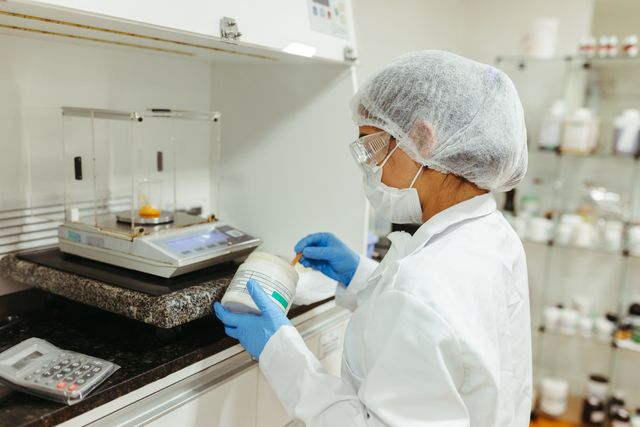
To make non-dairy coffee creamers, companies mix oils, sweeteners, and stabilizers. They do this at certain temperatures to keep the mix even. High-speed mixing stops lumps and makes it smooth. After mixing, the creamer is heated to kill germs and last longer. Then, it is homogenized so the texture stays the same. Last, the creamer goes into airtight containers to stay fresh.
Tip: Mixing well and keeping the right temperature helps stop the creamer from separating and keeps it smooth.
Nutrition
Non-dairy coffee creamers have different nutrition because of their ingredients. Many have extra sugars, especially if they are flavored. Some creamers have hydrogenated oils, which add trans fats. Trans fats are not as healthy as the saturated fats in dairy creamers. Calories are about 15 to 30 for each tablespoon, which is close to dairy half-and-half. Most non-dairy creamers do not have many vitamins or minerals unless they are added.
Nutrient | Non-Dairy Creamer (per tbsp) | Dairy Creamer (per tbsp) |
|---|---|---|
Calories | 15–30 | 20 |
Trans Fats | May contain | None |
Sugars | Often added | Natural lactose |
Vitamins/Minerals | Usually low or artificial | Natural vitamins |
Non-dairy creamers are good for people who cannot have lactose. But companies need to think about the health effects of trans fats and added sugars when making new creamers.
Non Dairy Coffee Creamer vs Dairy Creamer
Ingredients & Processing
Manufacturers notice big differences in what goes into each creamer and how they are made.
Dairy creamers come from animal milk. They have lactose, casein, and whey. These proteins make the creamer creamy and help it foam.
Non-dairy creamers use plants instead of milk. They have vegetable oils like coconut or palm. They also use plant proteins such as pea or oat. Fibers like pectin help copy the creamy feel of dairy.
Some non-dairy creamers for baristas use stabilizers. Calcium carbonate and pectin fiber from fruit stop clumps and curdles in hot drinks.
Non-dairy creamers can be powder or liquid. Powdered or ultra-pasteurized liquids last longer without a fridge.
Clean-label non-dairy creamers skip hydrogenated oils and fake flavors. They use whole plants for people who care about health.
Dairy creamers need to be kept cold. They do not last as long. Their making uses pasteurization and homogenization to keep them safe and even.
Note: Some non-dairy creamers still have milk parts like sodium caseinate. Makers must show this on labels for people with allergies or vegans.
Nutrition & Health
The nutrition in each creamer depends on what is inside.
Creamer Type | Saturated Fat (per 3 TB) | Trans Fat Presence | Key Ingredient Affecting Fat Content | |
|---|---|---|---|---|
Land O Lakes Half & Half (Dairy) | Contains cholesterol | Moderate saturated fat | No trans fats reported | Dairy milk and cream |
Silk Soy Creamer (Non-Dairy) | No cholesterol | 1.5 g saturated fat | Possible trans fats (due to palm oil) | Palm oil |
Trader Joe’s Soy Creamer (Non-Dairy) | No cholesterol | 0 g saturated fat | Likely no trans fats | Canola oil |
Non-dairy creamers do not have cholesterol. Some have more saturated fat if they use coconut or palm oil. Dairy creamers have cholesterol and saturated fat but no trans fats. Non-dairy creamers might have trans fats if they use certain oils.
Health Tip: Trans fats in non-dairy creamers can make LDL cholesterol go up and HDL cholesterol go down. This can make heart disease more likely. Dairy creamers have cholesterol and saturated fat. Eating too much can also raise LDL cholesterol. Picking plant-based creamers with less saturated fat and no trans fats is better for your heart.
Manufacturers should think about these health facts when making new creamers. People want creamers with few extras, low saturated fat, and no trans fats.
Shelf Life & Storage
How long creamers last and how you store them is very different.
Non-dairy creamers last longer than dairy creamers.
Unopened non-dairy creamers can stay good for nine months to a year if kept cool and dark.
After opening, non-dairy liquid creamers need a fridge. Use them in two weeks to a month.
Powdered creamers last the longest. Both dairy and non-dairy powders can last up to two years if stored right.
Dairy creamers spoil faster. They need a fridge before and after opening and do not last as long.
Non-dairy creamers should be sealed tight and kept away from heat and sunlight.
Tip: Makers can sell powdered or ultra-pasteurized non-dairy creamers. These are easy for people and last longer.
Taste & Texture
Taste and texture matter a lot when people pick a creamer.
Dairy creamers taste smooth and mild. They get their rich flavor from dairy fat. The mouthfeel is creamy and soft, which many people like. Non-dairy creamers use vegetable oils and plant proteins to copy this creaminess. Some add sodium caseinate to make the texture better, but this can change vegan claims.
Non-dairy creamers often taste sweeter and less natural than dairy ones. Extra sugars and fake flavors make the taste stronger or less real. Some non-dairy creamers use gums and fibers to make them thick and creamy, even with less fat. Studies show non-dairy creamers can be as thick as dairy creamers. But the mouthfeel may be different because of changes in thickness and smoothness.
Note: Makers need to balance taste, texture, and health claims. If they get it wrong, people may not buy their creamers.
Regulatory & Labeling
Labeling Rules
Manufacturers have to follow strict rules for labels on creamers. The main label must show the product name and how much is inside. This information should be easy to read. Labels need to use the usual name for the food. The side panel must list all ingredients, the maker’s name, and where the company is. Nutrition facts must be on the label and use letters at least 1/16 inch tall. Everything that is needed must be written in English. If another language is used, English must still be there.
If creamers come from another country, the label must say where they are from. This should be close to the distributor’s address. If a creamer copies another food, the label must say “Imitation [food name]” and make it easy to see. Packaging means any item that is ready to sell, even if it is in a closed case.
The clean label movement wants companies to use simple ingredients. Many brands now do not use partially hydrogenated oils because of FDA rules. This makes companies show off natural ingredients and clear labels. Big brands like Nestlé use fewer ingredients and easy-to-read labels to meet rules and what people want.
Tip: Companies should check with the right agency about nutrition label rules before selling new creamers.
Allergen Disclosure
It is very important to tell about allergens in both types of creamers. Dairy creamers often have milk, cream, or lactose. These can cause allergies or problems for some people. Non-dairy creamers might have soy, almond, coconut, or corn. These are also common allergens.
The FDA controls the word “non-dairy,” but lets milk proteins like casein be in these products. Labels must say caseinates and explain, like “caseinate (a milk derivative).” The words “dairy-free” are not controlled and can confuse people. Some “dairy-free” products still have milk proteins or parts.
Manufacturers must list every ingredient, including milk parts, on the label. People with allergies should always check the ingredient list. Warning statements and allergen notes help, but may not keep everyone safe. Companies should use clear words to stop confusion and keep people safe.
Note: Soy, nuts, and corn are common allergens in non-dairy creamers. Fake flavors and preservatives can also bother some people.
Market Trends
Consumer Preferences
The coffee creamer market is changing fast. More people now pick non-dairy creamers instead of dairy ones. This is because people care more about health. Vegan diets are more popular. Many people cannot have lactose. North America is leading this change. People there want almond, oat, soy, and coconut creamers. Oat milk creamers are growing very quickly. Sales went up by 151% in one year. Europe also wants organic and clean-label creamers. Asia-Pacific is growing because cities are getting bigger and new flavors are coming out.
People want creamers that help them reach health goals. They look for less sugar and fewer calories. Clean labels are important to them. Many people like unflavored creamers. These are easy to use in many drinks. Unflavored creamers make up 58.8% of the market in 2024. Plant-based milk sources are very popular now. They hold 71.3% of the market. This shows most people want non-dairy creamers. Supermarkets and hypermarkets are the main places to buy creamers. They give shoppers many choices and are easy to find.
Segment Type | Dominant Category | Market Share / Notes |
|---|---|---|
Flavor | Unflavored | 58.8% share in 2024, preferred for versatility |
Source | Plant-Based Milk | 71.3% share in 2024, includes almond, soy, oat |
Nature | Conventional | 86.9% share in 2024, driven by affordability |
Sales Channel | Supermarkets and Hypermarkets | 48.1% share in 2024, broad reach and convenience |
People now want creamers that are healthy, have simple ingredients, and come in many plant-based types.
Plant-Based & Dietary Needs
Plant-based coffee creamers are good for people with special diets. These creamers do not have dairy, lactose, or animal products. They are good for vegans and people who cannot have lactose. Popular kinds are oat, almond, coconut, soy, and cashew creamers. Each kind tastes and feels different. This gives people lots of choices.
The plant-based creamer market grows about 20% every year. More people want organic and special diet creamers. Demand for these went up by 25%. People who care about health want creamers with fewer calories. They also want less saturated fat and more nutrients. Many plant-based creamers use nuts, grains, or legumes. These help make the creamer feel creamy like dairy. Some creamers add stabilizers or sweeteners. This helps the texture and shelf life.
Plant-based creamers do not have dairy or lactose.
They give a creamy taste for vegans and people who avoid dairy.
Oat milk creamers are special because they are creamy and good for the planet.
The fast growth of plant-based creamers means makers must pay attention to health and diet trends to keep up.
Recommendations
Manufacturers have a lot to think about when picking between non-dairy and dairy coffee creamers. The market changes fast, so they must keep up with what people want, follow rules, and try new ideas. Here are some tips to help them make good choices:
Expand Product Lines: Non-dairy creamers are good for people who cannot have lactose, vegans, and those who like plant-based foods. If companies sell both dairy and non-dairy creamers, they can reach more people and fit many diets.
Prioritize Clean Labels: People want to know what is in their food. Companies should use easy-to-understand ingredients and try to get organic labels. This helps people trust the brand and matches new FDA label rules.
Invest in Innovation: It is hard to make non-dairy creamers taste and feel like dairy. Companies should keep working on new ways to make them better. Using new tech, like AI, can help make creamers that people like more.
Enhance Convenience: Busy people like single-serve packets, pods, and drinks that are ready to go. These are easy to use and can be taken anywhere.
Emphasize Sustainability: People care about the planet. Using packaging that can break down, be recycled, or refilled helps the earth and makes people like the brand more.
Monitor Regulatory Changes: Companies need to know the latest FDA and FTC rules. They should be clear about where ingredients come from, tell the truth about health claims, and list allergens. This keeps the company safe from legal trouble.
Customize for Regional Markets: People in different places like different things. For example, sweet coconut creamers are liked in Southeast Asia. Soy creamers are popular in East Asia.
Leverage Digital Channels: Selling online, using subscriptions, and smart ads help reach young people. These ways also let companies get feedback fast and change products quickly.
Manufacturers who make products that match health trends, care for the planet, and follow the rules will do better than others. Changing fast to what people want and trying new things will help companies stay strong in the coffee creamer market.
Focus Area | Key Action |
|---|---|
Product Portfolio | Sell both dairy and non-dairy creamers |
Labeling | Use simple, clear ingredient lists |
Innovation | Make taste, texture, and use better |
Packaging | Use packaging that is good for the planet |
Market Strategy | Change for local tastes and selling methods |
If companies use these ideas, they can give people what they want now and grow their brands in the future.
Manufacturers have big decisions when looking at non dairy coffee creamer and dairy creamer. They should pay attention to more people wanting plant-based choices. Using simple ingredients and earth-friendly packaging is important. Some main things to do are:
Add more creamers that are lactose-free and vegan.
Pick natural ingredients and show where they come from.
Try new healthy extras and different flavors.
For new products or changing old ones:
Make creamers that help with health.
Choose packaging that is good for the planet and fair to workers.
Watch for new rules and what people want.
Manufacturers who make products that match health, rules, and what people want will have stronger brands and happy customers.
FAQ
What is the main difference between dairy and non-dairy coffee creamers?
Dairy creamers are made from animal milk or cream. Non-dairy creamers use oils and proteins from plants. People who cannot have lactose or eat vegan diets often pick non-dairy creamers.
Do non-dairy creamers always avoid milk allergens?
No, not all non-dairy creamers are free from milk allergens. Many have sodium caseinate, which is a milk protein. Makers must put this on the label. People with milk allergies should read the ingredient list every time.
Which type of creamer has a longer shelf life?
Non-dairy creamers, especially in powder form, last longer than dairy ones. They can stay good for months without a fridge. Dairy creamers go bad faster and must be kept cold.
Are non-dairy creamers healthier than dairy creamers?
Not always. Some non-dairy creamers have trans fats or extra sugar. Dairy creamers have saturated fat and cholesterol. Makers and buyers should check nutrition labels to see which is healthier.
Can manufacturers label a product “dairy-free” if it contains casein?
No, they cannot. If a product has casein or any milk part, it cannot be called “dairy-free.” The FDA says labels must show allergens to keep people safe.