
Synthetic extract flavoring allows you to experience the taste of fruits, spices, or foods through lab-created chemicals. Flavorists use scientific methods to replicate flavors found in nature, but synthetic extract flavoring does not originate from plants or animals. The distinction is shown in the table below:
Type of Flavoring | Definition | Source |
|---|---|---|
Natural Flavoring | Essential oil, oleoresin, essence, or extractive from plant or animal | Comes from spices, fruits, vegetables |
Synthetic Extract Flavoring | Made from synthetic chemicals that mimic natural flavors | Made in a laboratory |
Key Takeaways
Synthetic extract flavoring is made in labs with chemicals. These chemicals copy the taste of natural flavors. It does not come from plants or animals.
These flavorings cost less and last longer than natural ones. They help food taste the same every time you eat it.
Synthetic flavors are in many things like food, drinks, cosmetics, and personal care items.
Synthetic flavors can be safe, but some people like natural flavors more. Some people think natural flavors are better for health. You should check labels to know what is in your food.
More people want natural flavors now. They want products with simple and clear ingredients.
Synthetic Extract Flavoring
What Is It
You find synthetic extract flavoring in lots of foods and products. This flavoring does not come from fruits, spices, or plants. Scientists make it in labs by mixing chemicals that taste and smell like real flavors. You can look at the table below to see how natural and synthetic flavorings are different:
Type | Source of Ingredients | Chemical Composition Description |
|---|---|---|
Natural Flavorings | Taken from things like fruits | Made by getting certain chemicals from natural sources, like essential oils. |
Synthetic Flavorings | Made from chemical ingredients | Made with synthetic chemicals that copy the makeup of natural ingredients. |
Synthetic extract flavoring uses things that do not come from nature. You get flavors like vanilla, strawberry, or green apple, but they are made with lab chemicals. These flavorings cost less money and last longer than natural ones. They can also make new and special tastes that you cannot find in nature.
Here are some common types of synthetic extract flavoring used in food:
Flavor Type | Example Compound |
|---|---|
Artificial Vanilla | Vanillin, Ethylvanillin |
Artificial Strawberry | Ethyl methylphenylglycidate |
Green Apple Aroma | Hexyl acetate |
Tip: Synthetic extract flavoring is not only for food. You also find it in many things you use every day.
How It’s Used
You see synthetic extract flavoring in many places. Food makers use it to make candy, ice cream, and baked goods taste better. You also find it in drinks, sauces, and snacks. These flavorings help food taste the same every time you eat it.
Other industries use synthetic extract flavoring too. You find it in:
Fragrance
Pharmaceutical
Animal Feed
Personal Care
Paint
Cosmetics
Synthetic extract flavoring is popular because it is made only from synthetic ingredients. It does not come from natural things. Companies pick it because it saves money and stays fresh longer. You get flavors that last a long time and do not change. Factories can also make new flavors that do not exist in nature.
You might think about the environment. Many natural ingredients come from things that can grow back, but some synthetic ingredients use things that cannot be replaced. The food industry is trying to be more eco-friendly. People want flavors that are better for the planet and come from nature. Still, synthetic extract flavoring can help by using less farming and shipping, which sometimes lowers pollution.
You see changes in the market too. The amount of synthetic extract flavoring used has gone down in the last ten years. In 2024, synthetic flavors still made up 54% of the market. More people now want natural and clean-label products. You hear about the bad effects of synthetic flavors, so more people want natural choices.
Making Synthetic Extract Flavoring
Chemical Synthesis
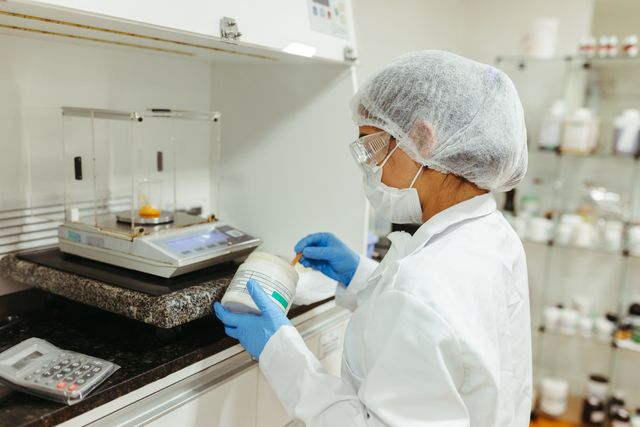
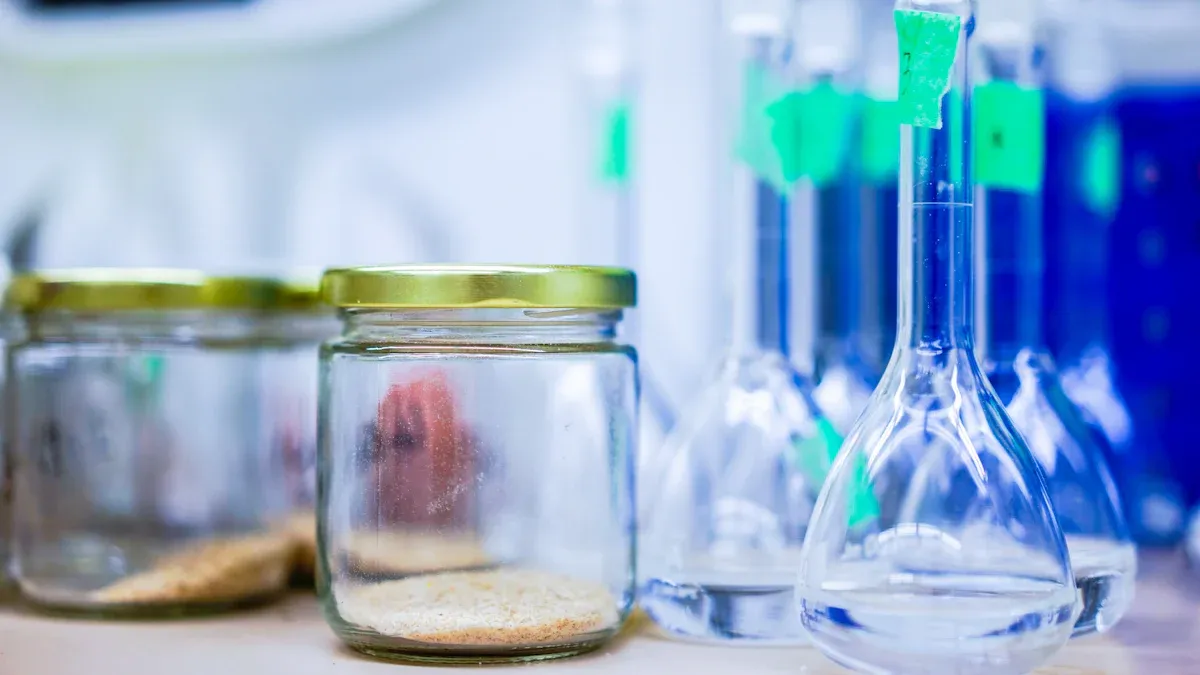
You may wonder how scientists make flavors in foods. The process starts inside a lab. Flavorists use science to copy tastes from natural foods. They do not mix random chemicals. They follow steps to make sure flavors are safe and taste good.
Here is how chemical synthesis usually works:
Selection of Raw Materials: First, you pick starting materials. These can come from petrochemicals or sometimes plants.
Chemical Transformation: Next, you use special tools to change these materials into flavor compounds. This step makes the main taste.
Exclusion of Toxic Reagents: You do not use harmful chemicals. Safety is very important.
Quality Control: You check the product at every step. This makes sure the final flavor is pure and high-quality.
Flavorists do more than mix chemicals. They study natural flavors to learn what makes them special. Here is how they copy and study flavors:
Trend Identification: You look at which flavors are popular now. This helps you choose new flavors to make.
Flavor Analysis: You break down the taste of natural foods. You see what molecules are inside.
Molecular Fingerprinting: You work with labs to map out the structure of these molecules.
Natural Compounds Sourcing: You find natural materials to help mimic the flavor.
Flavor System Creation: You blend different compounds to build a flavor that matches the original.
Production: You make the process bigger so the flavor can be used in many products.
When you use synthetic extract flavoring, you do not get flavors from fruits or spices. You build the flavor using chemistry. This method lets you make flavors that are always the same. You also avoid problems like crop shortages or changes in natural ingredients.
Note: Making flavors in a lab gives you more control. You can control taste, safety, and supply. You can make flavors that are hard to get from nature.
Common Ingredients
You find many chemicals in synthetic extract flavoring. Each one gives a special taste or smell. Here is a table that shows some common ingredients and the flavors they make:
Chemical Ingredient | Flavor Profile |
|---|---|
Ester | Fruity flavor |
Alcohol | Medical or bitter taste |
Pyrazine | Caramel flavor |
Ketone | Caramel flavor |
Terpenoids | Pine or citrus flavor |
Phenolics | Smoky flavor |
Limonene | Orange flavor |
Diacetyl | Butter flavor |
Cinnamic aldehyde | Cinnamon flavor |
Isoamyl acetate | Banana flavor |
Ethyl vanillin | Vanilla flavor |
You see these ingredients in lots of foods and drinks. Esters give candy and soda fruity notes. Diacetyl makes popcorn taste buttery. Limonene gives drinks and sweets a fresh orange scent. Each ingredient helps build the final flavor.
You can see the difference between getting flavors from nature and making them in a lab. When you extract from natural sources, you pull out flavor from real fruits or spices. When you use synthetic methods, you start with basic chemicals and build the flavor step by step. This gives you more choices and helps keep flavors the same every time.
Artificial Vanilla Extract Example

Synthetic Vanillin
When you eat cookies or ice cream, you taste science at work. Most fake vanilla uses synthetic vanillin. This compound copies the main taste in real vanilla extract. You find synthetic vanillin in lots of foods. It is easy to make and tastes almost like real vanilla.
Manufacturers pick artificial vanilla for many reasons:
People want more vanilla than farms can grow.
Bad weather can make prices go up and cause shortages.
Synthetic vanillin costs less and is always ready.
Companies want cheap ways to give you flavor.
Some producers use plant-based vanillin to help the climate.
You see artificial vanilla extract in many products. It helps keep prices low and flavors the same. Imitation vanilla is used in baked goods, candy, and drinks.
Production Process
You might wonder how scientists make synthetic vanillin. The process happens in a lab, not on a farm. There are different ways to make fake vanilla. Most methods start with chemicals from wood or oil.
Here is a simple look at how synthetic vanillin is made:
Some producers use eugenol from clove oil. They change eugenol into isoeugenol, then protect and oxidize it to make vanillin.
The most common way uses guaiacol. In the Riedel process, guaiacol reacts with glyoxylic acid to make vanillylmandelic acid. This compound then turns into vanillin.
Another way uses guaiacol with formaldehyde and oxygen. This makes vanillyl alcohol, which then becomes vanillin.
You get artificial vanilla extract that tastes sweet and familiar. This process lets you enjoy vanilla flavor in many foods. Pure vanilla extract is rare and expensive. Artificial vanilla gives you the same taste every time.
Note: Synthetic vanillin is the main flavor in most fake vanilla products. You can enjoy your favorite treats without worrying about shortages or high prices.
Synthetic vs. Natural
Ingredients
You can tell synthetic and natural flavorings apart by their ingredients. Synthetic flavors use lab-made chemicals. These chemicals copy real food tastes. Natural flavorings come from plants or animals. For example, natural vanilla extract comes from vanilla beans. Artificial vanilla uses vanillin made in a lab. Many foods use artificial vanilla extract. It is cheaper and lasts longer.
Here is a quick comparison:
Flavor Type | Main Source |
|---|---|
Natural Vanilla Extract | Vanilla beans |
Artificial Vanilla | Lab-made vanillin |
Production
There is a big difference in how these flavors are made. To get natural vanilla extract, you soak vanilla beans in alcohol and water. This pulls out the real flavor. Making artificial vanilla is not the same. Scientists use chemical reactions to make vanillin. This vanillin does not come from a plant. You get a vanilla taste, but it is not from beans. Synthetic flavors help you get the same taste every time.
Tip: Synthetic production keeps prices low and supply steady, even if crops fail.
Taste
You may wonder if you can taste the difference. Natural vanilla extract has a rich and complex flavor. It has many small compounds that work together. Artificial vanilla tastes simpler. It gives a strong vanilla note but misses some depth. Many people like both. You find artificial vanilla in cookies, cakes, and ice cream. Pure vanilla extract costs more, but some people think it tastes better.
Safety and Myths
Regulations
You may wonder how experts keep synthetic extract flavoring safe. Groups like the FDA and EFSA check these flavors before you eat them. They look at how flavors were used before. They study reports about health risks. They use new science to find dangers. The GRAS program helps experts decide if a flavor is safe. They use years of research for this.
Here is a table with some substances removed from foods because they caused health problems:
Substance Name | Reason for Removal |
|---|---|
Benzophenone | Found to cause cancer in laboratory animals. |
Ethyl acrylate | Found to cause cancer in laboratory animals. |
Eugenyl methyl ether (methyl eugenol) | Found to cause cancer in laboratory animals. |
Myrcene | Found to cause cancer in laboratory animals. |
Pulegone | Found to cause cancer in laboratory animals. |
Pyridine | Found to cause cancer in laboratory animals. |
[Unnamed synthetic flavor] | No longer used by industry. |
The Delaney Clause says no food additive that causes cancer can be approved.
Health
You may ask if synthetic extract flavoring can hurt your health. Scientists have studied these flavors for many years. Some additives, like sulfites, can make it hard to breathe for people with asthma. Diacetyl, found in some artificial vanilla, can cause lung problems for workers and people.
Using synthetic flavors for a long time can cause:
Allergic reactions, from small rashes to serious anaphylaxis.
Hyperactivity in kids, especially with synthetic colors.
Possible cancer risks and organ damage.
Digestive problems, like bloating or IBS.
Weight gain and insulin resistance.
Changes in your brain and mood.
Most flavors, like artificial vanilla extract and natural vanilla extract, are safe when used the right way.
Misconceptions
Many people think synthetic flavors are always worse than natural vanilla extract or pure vanilla extract. You might think artificial vanilla is made from fake things, but it often gives you a steady and lasting taste. Some people like natural ingredients more, but synthetic flavors can be just as safe.
Here are some common myths:
Synthetic flavors are less safe than natural ones.
All synthetic flavors come from fake sources.
Natural flavors are always better for you.
Food flavors go through strong safety checks. FEMA and other groups collect science data to make sure flavors are safe. New ingredients must pass hard tests before you eat them.
You can tell synthetic and natural extract flavorings apart. Synthetic flavors are cheaper and last longer. They are mostly found in snacks and processed foods. Natural flavors come from plants or animals. People who care about health like natural flavors more.
Flavor Type | Characteristics | Prevalence in Market |
|---|---|---|
Synthetic Flavors | Cheaper, always the same, stay fresh longer | Used most in processed foods |
Natural Flavors | Come from plants or animals | More people want these now |
Experts check safety with special tests and studies. These checks help keep you safe. You can pick flavors by looking at facts and taste. Your choices matter and can change food flavors in the future.
Many people want products with simple, clear labels.
What you buy helps decide what flavors companies use.
FAQ
What is the main difference between synthetic and natural flavoring?
Synthetic flavoring comes from chemicals made in a lab. Natural flavoring comes from plants or animals. They can taste alike, but their sources are different.
Are synthetic extract flavorings safe to eat?
Most synthetic extract flavorings are safe to eat. Experts test them before they go in food. The FDA and other groups check for health problems.
Why do companies use synthetic flavors instead of natural ones?
Companies use synthetic flavors because they cost less. These flavors last longer and taste the same every time. Natural flavors can change with each harvest.
Can you taste the difference between synthetic and natural flavors?
You might taste a difference. Natural flavors often taste richer and more complex. Synthetic flavors have a strong and simple taste. Many people like both kinds.
Do synthetic flavors cause allergies?
Any flavor can cause an allergy, but it does not happen often. Always check food labels if you have allergies. Talk to your doctor if you are worried.