You might wonder, does stevia spike blood sugar? Science provides a clear answer. Pure stevia does not spike blood sugar. Studies show this sweetener is safe for most people, including those with diabetes. Here are some research findings related to whether stevia spikes blood sugar:
Study Reference | Findings |
|---|---|
Effects of stevia on glycemic and lipid profile of type 2 diabetic patients | Diabetic patients who used stevia did not experience a stevia spike blood sugar effect. Their results were similar to those who used sucralose. |
Genus et al. (2007) | Taking 250 mg of stevioside by mouth did not cause a stevia spike blood sugar in healthy people. |
2016 study | Dried stevia leaf powder actually lowered blood sugar in people with diabetes, suggesting it may help rather than cause a stevia spike blood sugar. |
You can feel confident using pure stevia as a sweetener, knowing it does not spike blood sugar.
Key Takeaways
Pure stevia does not make blood sugar go up. This makes it a safe sweetener for people with diabetes.
Stevia has a glycemic index of zero. This means it does not raise blood sugar like table sugar or honey.
Pick products that say ‘pure stevia extract’ on the label. This helps you avoid hidden sugars and fillers that can change blood sugar.
Stevia might help lower blood sugar over time. This is true when used with diabetes medicines.
Talk to your doctor before changing what you eat. This is important if you have diabetes or other health problems.
Stevia Spike Blood Sugar Facts
What Science Says About Stevia
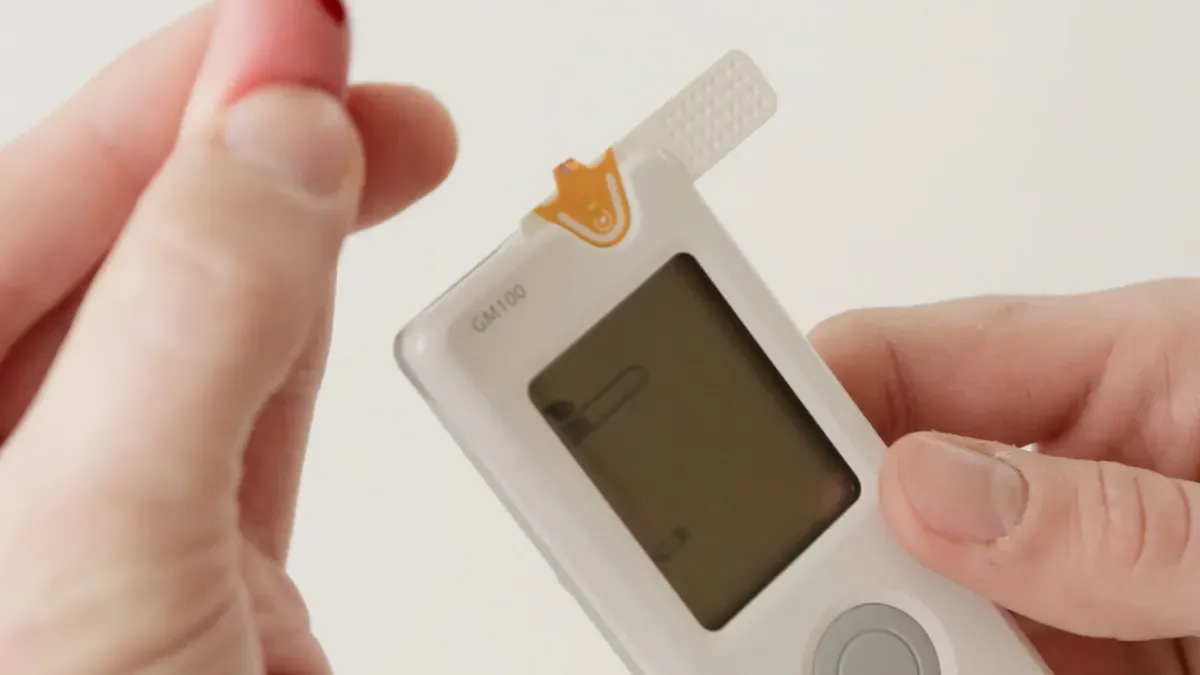
You might ask if stevia will cause a stevia spike blood sugar. Scientists have looked at this question in many ways. Most studies show pure stevia does not raise blood sugar. Some research says it may help lower blood sugar over time. This is true for people with diabetes or those who are overweight.
Here are some key findings from recent studies:
Stevia leaf extract lowered blood glucose in diabetic rats. It worked even better when used with other blood sugar medicines.
People with diabetes used stevia for two months. Their insulin, fasting blood sugar, and cholesterol stayed the same.
Stevia use caused a small drop in blood sugar. This was seen in people with higher body weight, diabetes, or high blood pressure.
Research shows stevia does not cause a spike in blood sugar after meals. Most studies find no big changes in blood sugar after eating stevia compared to other sweeteners.
Tip: To avoid a stevia spike blood sugar, pick pure stevia. Do not use stevia with added sugars or fillers.
Check out how stevia compares to other sweeteners in the table below:
Sweetener | Glycemic Index |
|---|---|
Stevia | 0 |
Table Sugar | 65 |
Honey | 50 – 80 |
Agave Syrup | 15 – 30 |
Stevia is special because its glycemic index is zero. This means it does not raise your blood sugar at all. Table sugar and honey do raise blood sugar.
Steviol Glycosides and Glucose Levels
Steviol glycosides are the main sweet parts in stevia. Your body does not turn them into sugar. So, they do not add to your blood glucose. Studies in adults with type 2 diabetes show steviol glycosides do not hurt blood sugar control. Some research finds stevia can lower blood sugar after meals. This happens more when compared to sugar or artificial sweeteners.
Here is a summary of what scientists found:
Study Type | Findings |
|---|---|
Human studies with type 2 diabetes | No bad effect on glucose control. Some studies showed lower blood sugar after meals. |
Human studies with stevioside supplements | Lower blood sugar after meals compared to sugar and aspartame. Helps lower high blood sugar without changing normal levels. |
You can trust stevia and its steviol glycosides will not cause a stevia spike blood sugar. They may help keep your blood sugar steady. This is good if you have diabetes or want to manage your weight.
Stevia Safety for Blood Sugar
How Stevia Is Metabolized
You might wonder why doctors say stevia is good for people who need to watch their blood sugar. Stevia is a sweetener with no calories. It does not make your blood sugar go up. Stevia comes from a plant’s leaves. It tastes much sweeter than sugar. But it does not add calories or change your glucose levels. When you eat stevia, your body does not use it like sugar. Gut bacteria break down steviol glycosides into steviol. Then your liver turns steviol into steviol glucuronide. Your body gets rid of this in your urine very fast. This whole process does not cause a stevia spike blood sugar.
“Soft drinks sweetened with non-nutritive sweeteners do not increase blood glucose levels, and thus can provide a sweet option for those with diabetes,” said Diane Reader, R.D., CDE, one of the statement authors speaking on behalf of the American Diabetes Association.
You can see that stevia is safe to use every day. Health groups have set a safe amount of stevia you can have each day. Here is a table that shows how much is safe:
Source | ADI (mg/kg body weight/day) | Equivalent (mg/kg body weight/day) |
|---|---|---|
Harmonisation of Terms | 4 mg/kg | 12 mg of high-purity stevia extracts |
Stevia safety | 4 mg/kg | 12 mg of high-purity stevia extracts |
JECFA | 4 mg/kg | 12 mg of rebaudioside A, 10 mg of stevioside |
Insulin and Glucose Homeostasis
Stevia does not make insulin levels go up in healthy people or people with diabetes. You can see this in the table below:
Study Findings | Effect on Blood Glucose | Effect on Insulin Levels | Effect on Body Weight |
|---|---|---|---|
Stevia | Minimal to no effects | Minimal to no effects | Minimal to no effects |
Some studies show stevia may help your body use insulin better. This means it could help your body use sugar in a healthy way. Stevia may help keep your blood sugar under control. It does not cause a stevia spike blood sugar.
Some studies say stevia may help your body respond to insulin. This could help with insulin sensitivity and blood sugar control.
If you have diabetes or want to keep your blood sugar steady, you can feel good about using stevia as your sweetener.
Additives and Precautions

Stevia Blends and Hidden Sugars
Many products in stores say they have “stevia.” Some do not use only pure stevia. Brands sometimes mix stevia with other sweeteners or fillers. These can be things like maltodextrin, dextrose, or even regular sugar. These extra ingredients can make your blood sugar go up. This is not good if you want stevia for blood sugar control.
When you buy stevia, check the ingredient list. Pick products that say “pure stevia extract” or “steviol glycosides” as the sweetener. If you see maltodextrin or dextrose, these can cause a stevia spike blood sugar. Also, look at the serving size. Some blends have more filler than stevia.
Tip: Pick products with the fewest ingredients. Pure stevia gives you sweetness without hidden sugars.
Rules in the United States and Europe help with stevia labels. Here is a table to show you:
Region | Regulatory Body | Key Guidelines |
|---|---|---|
United States | U.S. FDA | Steviol glycosides must be pure. Labels must list all ingredients. |
European Union | EFSA | Steviol glycosides are allowed as food additives (E960a, E960c). Labels must follow strict rules. |
Individual Sensitivities
Most people can use stevia safely. You do not need to worry about allergies or bad reactions. Scientists have studied stevia for many years. They found no reports of allergic reactions in most people. The European Food Safety Authority checked all the research. They found steviol glycosides are very unlikely to cause allergies. Since 2008, there have been no cases of stevia allergies in Europe.
Health Canada also says stevia leaf extracts do not cause allergy problems for most people. If you have a sensitive stomach or a rare reaction, you might feel mild symptoms like bloating. These cases are very rare. If you feel sick after using stevia, talk to your doctor.
Note: Stevia is safe for almost everyone. You can use it and not worry about sugar spikes.
Using Stevia Safely
Choosing Pure Stevia
You want to pick the best stevia for your health. Not every stevia product is the same. Some brands add fillers or sugars. These can make your blood sugar go up. You can follow these steps to choose pure stevia:
Read the ingredient label. Stay away from products with things like erythritol, dextrose, or maltodextrin.
Look for a high percentage of steviol glycosides. Pick products that say 95% or more steviol glycosides.
Check for certifications. Good products often have testing and certifications like NSF, FSSC 22000, ISO, or GMP.
Tip: Pure stevia extract should have only a few ingredients. The label should say stevia or steviol glycosides.
You can also check for lab testing by other companies. Labs use HPLC analysis and certificates of analysis (COA) to check if it is pure. These tests look for glycoside profiles, pesticides, and germs. If you see these checks, you know the product is safe and pure.
Tips for Everyday Use
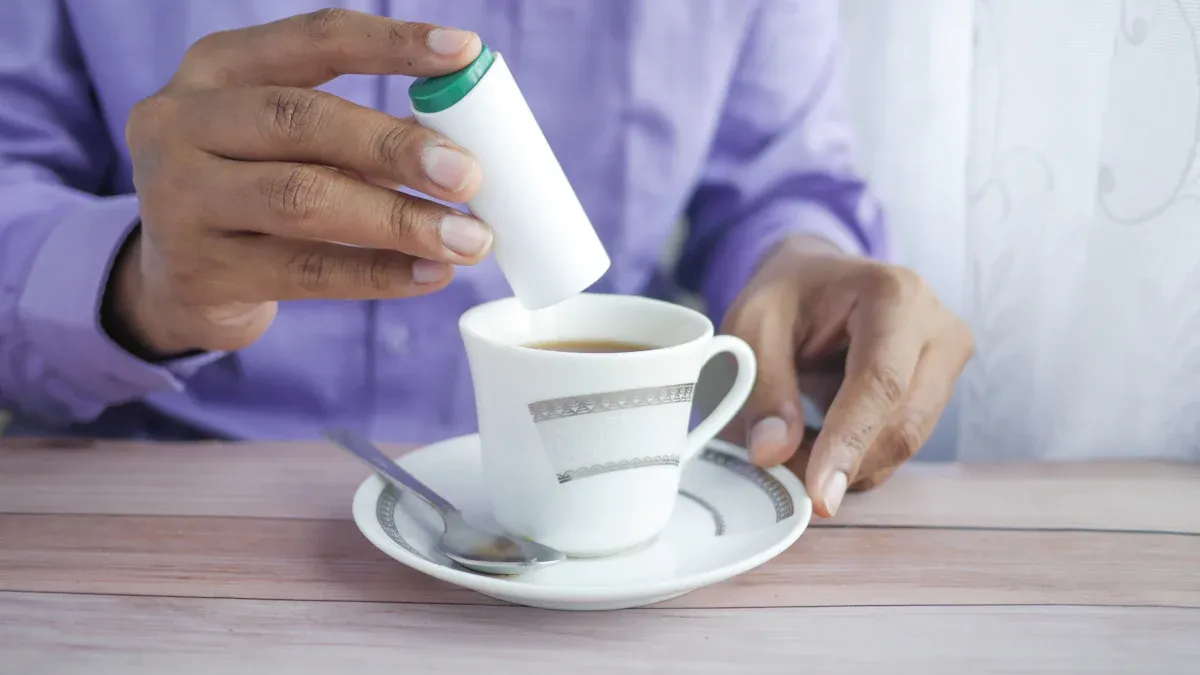
You can use stevia in many ways every day. It works in drinks, baking, and sauces. Here are some tips to help you use stevia safely:
Start with a little bit. Stevia is much sweeter than sugar.
Mix stevia into coffee, tea, or smoothies.
Try stevia in foods that do not need sugar for texture, like yogurt or oatmeal.
Keep stevia in a cool, dry place so it stays fresh.
Long-term studies show purified stevia is safe to use every day. The FDA only approves highly purified steviol glycosides from stevia leaves. Experts have not found any side effects from using pure stevia for a long time. You can see this in the table below:
Evidence Type | Findings | Source Link |
|---|---|---|
Safety Studies | Stevia extract is marked as free of side effects. | |
Regulatory Approval | High-purity stevia extract is approved by the FDA as GRAS. | |
Long-term Use | No documented cases of adverse effects from using pure stevia long-term. |
Note: Scientists are still studying stevia, but right now, pure stevia is a safe way to sweeten your food and drinks.
You can count on pure stevia to sweeten your food safely. Research shows it does not make your blood sugar go up. It might even help lower blood sugar after you eat. Always look at labels to make sure there are no hidden sugars or fillers. Pure stevia is a good choice if you want to control your blood sugar.
For the best results, ask your doctor before you change your diet.
FAQ
Does stevia taste like sugar?
Stevia tastes sweet, but you may notice a slight herbal or licorice aftertaste. Some people like it right away. Others need time to get used to the flavor.
Can you use stevia in baking?
Yes, you can use stevia in baking. You should check the package for tips. Pure stevia is much sweeter than sugar, so you need less.
Is stevia safe for children?
You can give stevia to children. Health experts say it is safe when used in small amounts. Always choose pure stevia with no added sugars.
Will stevia help you lose weight?
Stevia has no calories. If you use it instead of sugar, you may eat fewer calories. This can help you manage your weight.
Can you use stevia if you have diabetes?
Yes, you can use stevia if you have diabetes. It does not raise your blood sugar. Many doctors recommend it as a safe sweetener.