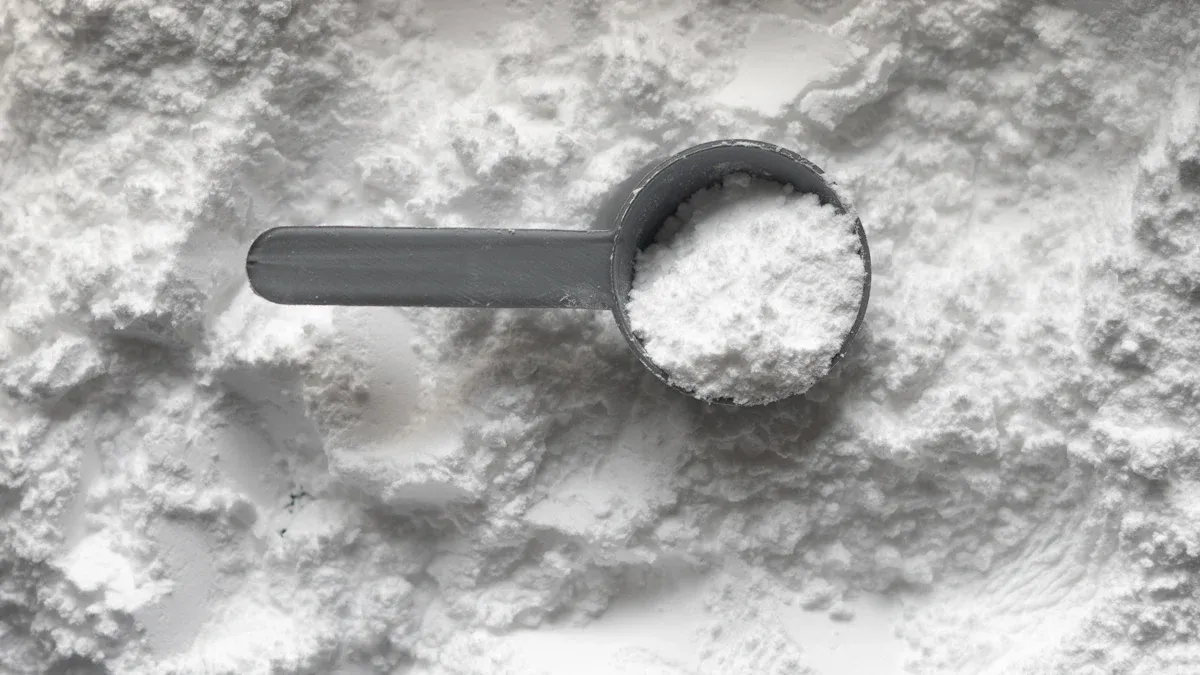
You might ask how is creatine made. Manufacturers use sodium sarcosinate and cyanamide in the process. They heat and press these ingredients in a large container, which results in a liquid. As the liquid cools, it transforms into crystals. Workers then clean the crystals using a centrifuge and dry them with a vacuum. Finally, they grind the creatine into a fine powder, resulting in a supplement that is safe and easy to mix.
Key Takeaways
Manufacturers use sodium sarcosinate and cyanamide to make creatine monohydrate powder. This helps the supplement stay safe and work well.
Purity is very important. Manufacturers do careful tests, like HPLC and microbiological tests, to check the quality of creatine supplements.
Quality control steps, like set procedures and tracking, help keep every batch of creatine the same.
Pick brands that show third-party test results. This helps you know the creatine you buy is pure and safe.
Using good creatine can help your workout and recovery. It makes your fitness routine better.
Raw Materials for Creatine Powder
When you see creatine monohydrate powder, it looks simple. But making it starts with picking the right raw materials. Manufacturers pick special chemicals to make sure the product is pure and works well.
Sodium Sarcosinate
Sodium sarcosinate is a main part of making creatine. You might wonder where it comes from. This compound is a sodium salt made from sarcosine. Sarcosine is an N-methyl derivative of glycine. Glycine is an amino acid that is in your body. Sarcosine helps with choline metabolism. Choline is another important nutrient.
Sodium sarcosinate is a starting material for creatine.
It is an amino acid intermediate that helps build creatine.
Manufacturers make sodium sarcosinate in clean places to keep it pure.
Tip: Sodium sarcosinate is not just any chemical. It is closely linked to amino acids your body uses every day.
You can trust sodium sarcosinate if it is handled the right way. It is important for making the final creatine product.
Cyanamide and Other Chemicals
Cyanamide is another important ingredient for making creatine. You may see it as a white solid. Cyanamide has nitrogen and is used in farming and medicine. In creatine making, it is a key reactant.
Cyanamide gives an important part to the creatine molecule.
It helps form the guanidino group, which makes creatine special.
Manufacturers use cyanamide with sodium sarcosinate in the reaction.
Note: Cyanamide is not the same as cyanide. Cyanamide is safe if used right, but cyanide is very dangerous.
There are other chemicals too, but sodium sarcosinate and cyanamide are the main ones. These raw materials help make a good creatine supplement. Manufacturers pick them because they work well and are safe. This means you get a product you can trust.
How Creatine Is Made
Chemical Synthesis Steps
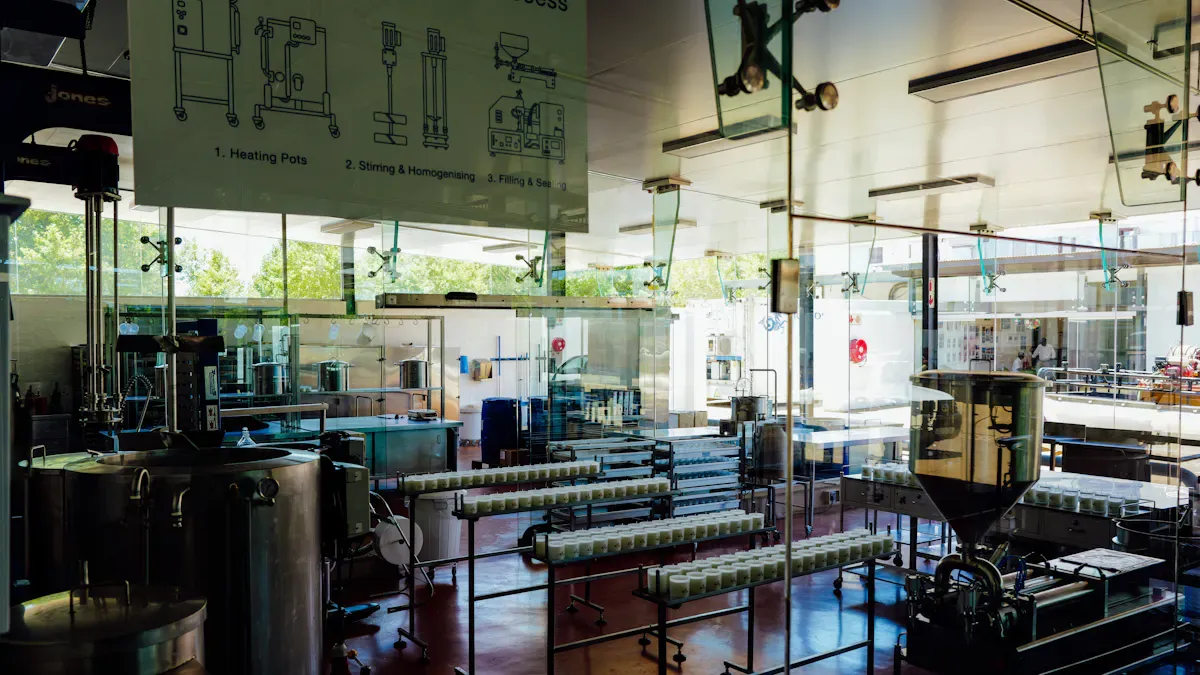
You might wonder how creatine is made in a factory. The process starts with two main ingredients: sodium sarcosinate and cyanamide. These chemicals are important for making creatine monohydrate. Factories use a careful process to make sure the creatine is pure and works well.
Here is what happens:
Workers mix sodium sarcosinate and cyanamide in a big, strong container. They add clean water to help the reaction.
The mixture gets heated to about 50 to 80 degrees Celsius. The pressure is kept steady so everything stays safe and works right.
A special reaction happens during this step. The nitrogen from cyanamide joins with the carboxyl group of sarcosinate. This makes the creatine molecule.
The result is creatine in its free acid form. It is now ready for the next steps.
The factory must watch the temperature and pressure closely. If these change too much, other things like dicyandiamide can form. This can make the creatine powder not as good.
You can see that science and care are used to make creatine. This process is important for making creatine that helps your muscles grow and recover.
Purification and Drying
After the reaction, the process is not finished. The creatine needs to be very pure to work best. The next steps remove things that should not be there and make the product safe.
First, the solution cools down slowly. This helps creatine crystals form the same way each time.
Workers use a centrifuge to spin and separate the solid crystals from the liquid. This step gets rid of many unwanted things.
Next, they filter the mixture. This removes any leftover solid bits or things that do not dissolve.
Sometimes, activated carbon is used to take out colored stuff. This step makes the creatine look better.
Ion exchange chromatography can also be used. It removes ionic things, making the creatine even cleaner.
When the crystals are clean, they need to be dried. Vacuum drying is used a lot because it takes out water without using high heat. This keeps the creatine monohydrate strong and good for your muscles.
Tip: Every cleaning step helps make sure your creatine powder is safe and pure. This is why you can trust good supplements.
Milling into Powder
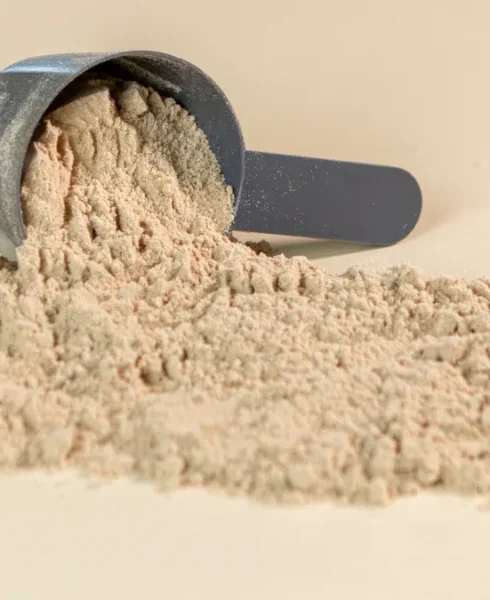
The last step is milling. You want your creatine monohydrate to mix well and be easy to use. Big crystals do not dissolve well, so they are ground into a fine powder.
Milling machines crush the dry crystals into tiny pieces. The goal is to make the powder very fine, about 74 microns.
This fine powder dissolves fast in water. You will not feel any rough bits when you drink it.
Smaller pieces also help your body take in the creatine faster. This helps your muscles grow and recover after you exercise.
The factory checks the powder to make sure it is always the same. You get a product that is easy to use and helps you reach your fitness goals.
Remember: Making creatine powder takes careful steps. Each part of the process—from making the creatine to grinding it—makes sure you get a supplement that helps your muscles.
Now you know how creatine is made, from the first ingredients to the final powder. The process uses science, safety, and quality checks to give you the best creatine monohydrate for your needs.
Quality Control in Creatine Supplements
When you buy creatine supplements, you want them to be safe and pure. Manufacturers use strong quality control steps to make sure the product is good. These steps protect your health and help creatine work as it should.
Purity Testing
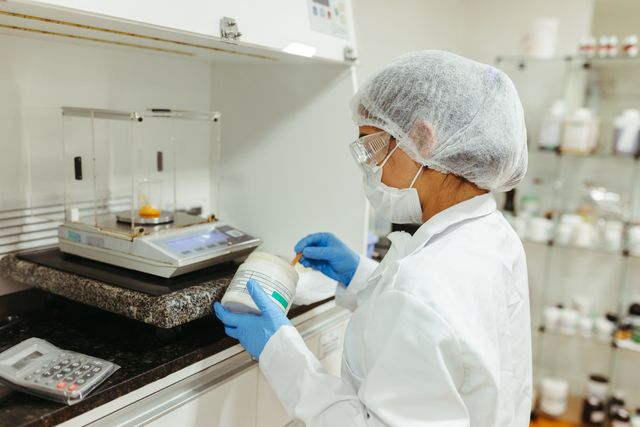
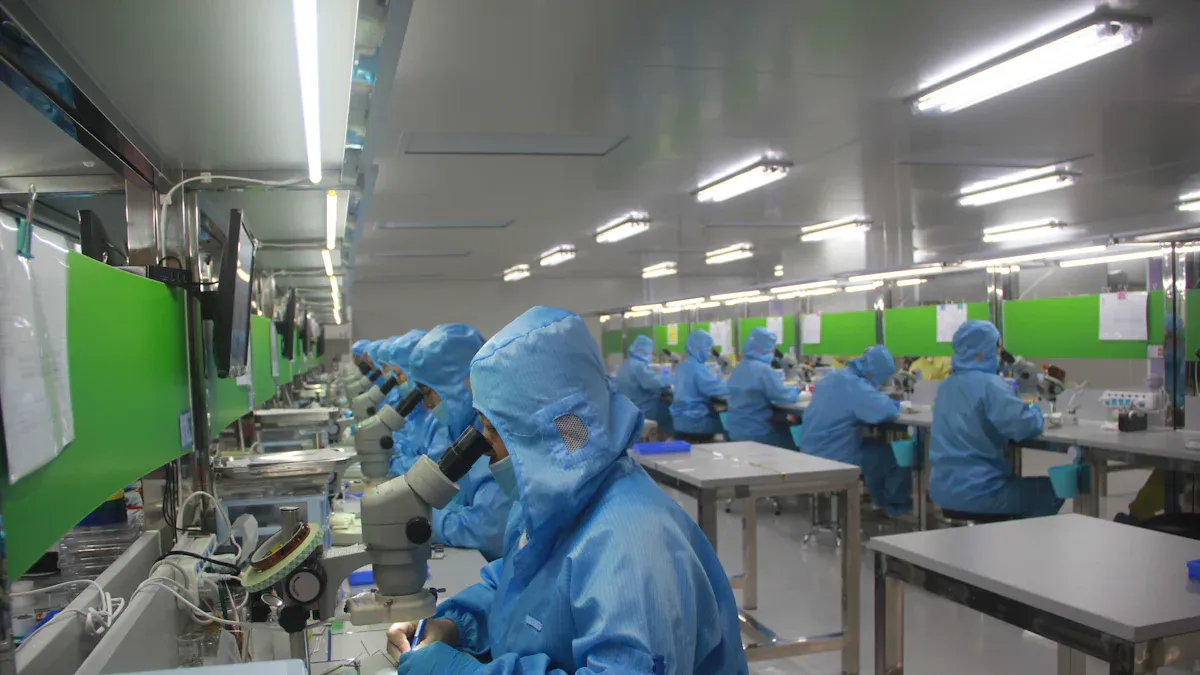
Creatine supplements must meet high purity standards. Manufacturers test every batch before they pack it. They use special machines called High-Performance Liquid Chromatography (HPLC). HPLC checks how much creatine is there and finds any bad stuff. This machine helps find chemicals that should not be in the powder. It also makes sure the creatine is strong enough.
Microbiological testing looks for bad germs like E. coli and Salmonella. This keeps the creatine safe for you to use. Heavy metal testing checks for metals like lead, mercury, cadmium, and arsenic. These tests follow rules from groups like the FDA.
Here is a table that shows common purity tests:
Testing Method | Description |
|---|---|
High-Performance Liquid Chromatography (HPLC) | Measures creatine concentration and detects impurities, ensuring product potency and safety. |
Microbiological Testing | Screens for harmful microorganisms like E. coli and Salmonella, ensuring product safety. |
Heavy Metal Testing | Assesses the presence of heavy metals to adhere to health safety standards. |
Manufacturers want creatine supplements to be 99.9% pure or more. They keep creatinine and other bad things very low. For example, creatinine must be less than 30 mg/kg. You can trust creatine supplements if they pass these tests.
Tip: Always look for purity information on the label. This shows the company cares about quality.
Consistency Checks
You want creatine supplements to work the same way every time you use them. Manufacturers do checks to make sure each batch is just like the last one. They keep the factory clean and follow hygiene rules. Every ingredient is tracked so problems can be fixed fast.
Standard rules guide every step of making creatine. Workers test raw materials to make sure they are pure. They make small test batches before making a lot. They also test during the process to catch mistakes early.
Here is a table that shows how manufacturers keep creatine the same:
Method | Description |
|---|---|
Controlled Environment | Maintains sanitary conditions to prevent contamination, including strict cleaning and hygiene protocols. |
Traceability | Ensures every ingredient can be tracked, allowing for quick resolution of any batch issues. |
Standardized Procedures | Detailed procedures for each manufacturing step minimize errors and ensure uniformity across batches. |
Regular testing throughout production, not just at the end, to ensure quality at every stage. |
You can feel good using creatine supplements because these checks keep them safe and working well. Quality checks make sure you get the same results every time.
Product Safety and Effectiveness
Industry Standards
You want your creatine to be safe and work well. Manufacturers follow strict rules to make sure you get good creatine. These rules say creatine must be at least 99% pure. High purity helps you avoid problems and helps you play sports better.
Manufacturers use GMP to guide every step. GMP stands for good manufacturing practices. These rules cover picking ingredients and packing the powder. Here is how these steps protect you:
Manufacturers check if the creatine matches the label.
They test the powder to keep it pure until it expires.
Each batch has a Certificate of Analysis. This paper shows the creatine’s form, purity, and strength.
Quality systems test all materials before they go into the factory.
Finished products get more tests to make sure the creatine level is right.
You want creatine to be the same every time. These rules help you trust what you buy.
Third-Party Testing
You may wonder how you know your creatine is safe. Trusted brands send their creatine to labs that are not part of the company. Beaconpoint Labs is one example. These labs check for purity, strength, and safety. They use special tools like HPLC to find bad chemicals like dicyandiamide and creatinine. ICP-MS checks for heavy metals like lead, arsenic, mercury, and cadmium.
Here are things labs look for:
Dicyandiamide, which means the creatine was not made well.
Heavy metals, which can come from ingredients or machines.
Creatinine, a byproduct that should be low if the process is good.
Bad additives or contaminants.
You can find brands that show lab test results and certificates. This means they care about your safety. Third-party testing builds trust. You know the creatine helps your fitness and matches the label. Many athletes pick brands with these tests because they want the best.
Tip: High-purity creatine, like what your body makes, helps you train harder and recover faster. You can feel sure when you see proof of third-party testing.
Now you know how creatine monohydrate powder is made. Manufacturers choose very pure materials. They use careful reactions to make the powder. They clean it with special methods. Quality control steps like HPLC testing and heavy metal checks keep it safe. Industry rules and outside certifications help you trust what you buy.
Good creatine comes from picking the right materials and careful making.
Strong testing makes sure it is pure and safe.
Outside certifications show the product follows tough rules.
Pick brands that tell you about purity, follow GMP, and show their certifications. This helps you get creatine that is safe and works well.
FAQ
What is creatine and how does it help you?
Creatine is a compound found in your muscles. Your body uses it for energy during exercise. Taking creatine helps your muscles work harder. Many athletes use it to get stronger and perform better.
Can athletes use creatine safely?
Athletes can use creatine safely by following directions. Creatine helps muscles grow when used the right way. It is important to check for purity and third-party testing before buying creatine.
How do you mix creatine powder?
Mix creatine powder with water or juice. Stir until it fully dissolves. Many athletes put creatine in their shakes. Using creatine every day gives the best results.
Does creatine cause side effects?
Most people do not have side effects from creatine. Some may feel bloated or have an upset stomach. Athletes usually handle creatine well. Drink plenty of water to stay hydrated when using creatine.
Why do athletes prefer creatine monohydrate?
Athletes like creatine monohydrate because it works fast and mixes well. This form gives you pure creatine. Studies show creatine monohydrate helps build muscle and recover faster.