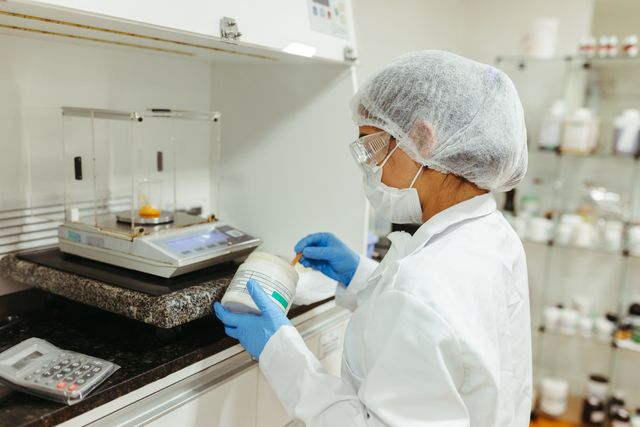
Stevia Spike Blood Sugar Worries End Here Today
Does stevia spike blood sugar? Pure stevia does not raise blood sugar and is safe for diabetes. Learn how to choose the right stevia product.

Does stevia spike blood sugar? Pure stevia does not raise blood sugar and is safe for diabetes. Learn how to choose the right stevia product.
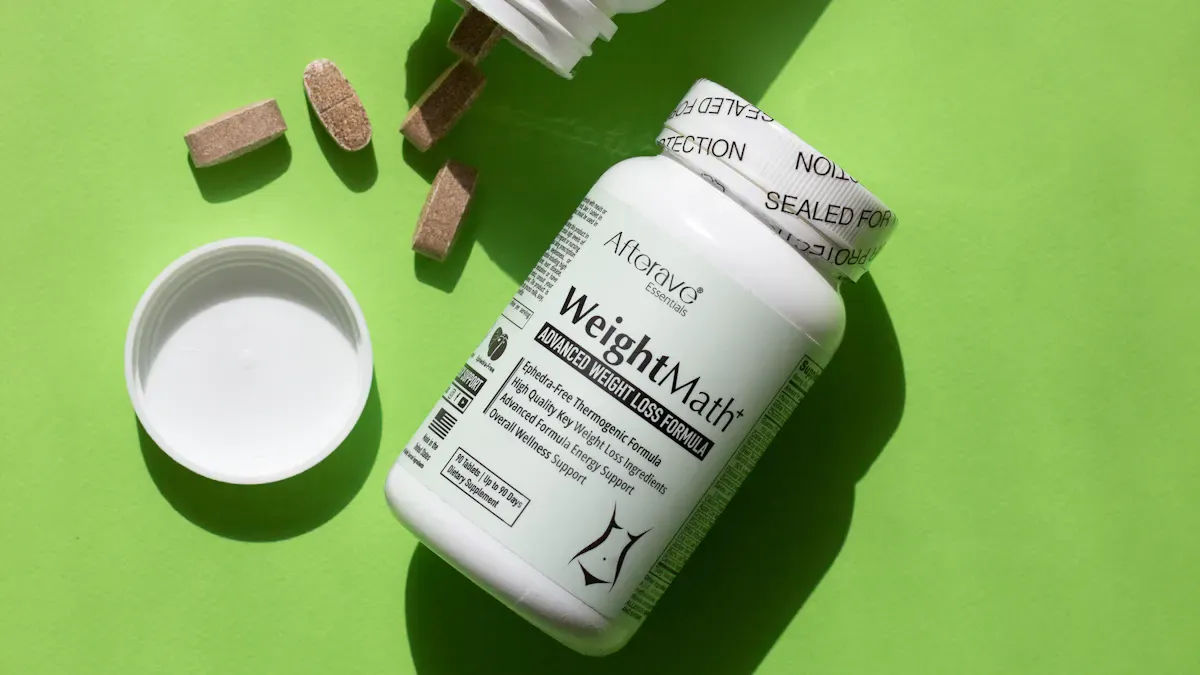
Wondering when to take L-carnitine? Take it 30–60 minutes before workouts for energy, or with meals for fat loss and recovery. Timing boosts results.

Build muscle effectively by increasing calories intake for muscle building, aiming for a 10-20% surplus with balanced protein, carbs, and healthy fats.
Inulin for constipation safely boosts stool frequency and softens stools, supporting regularity with minimal side effects for adults and kids.
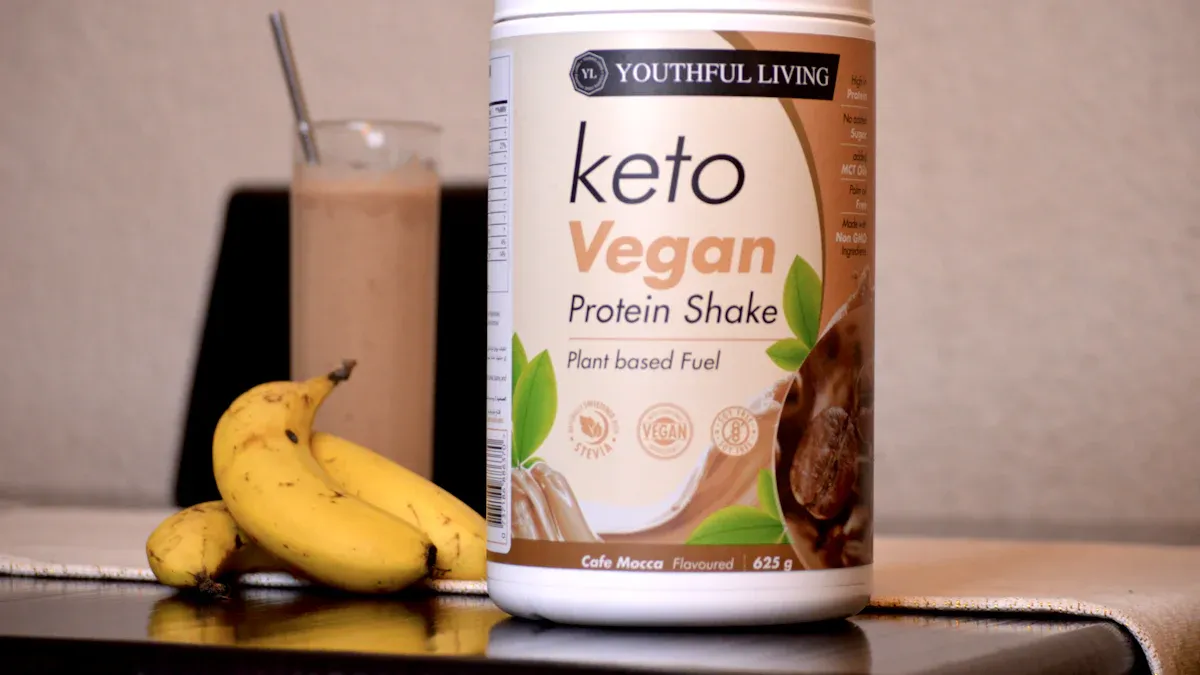
Compare mct powder vs mct oil for energy, digestion, and convenience to see which fits your routine and dietary needs best.
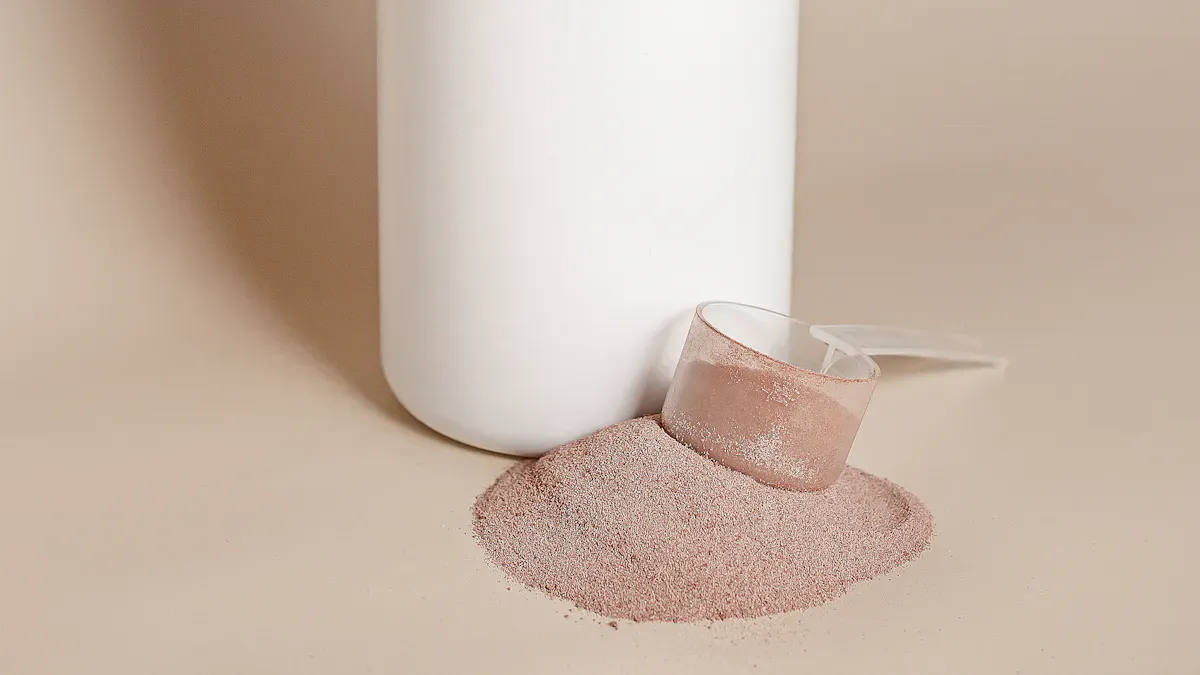
Pea and rice protein powder offers complete amino acids, allergy-friendly nutrition, and eco-friendly benefits, making it a smart protein choice for all.
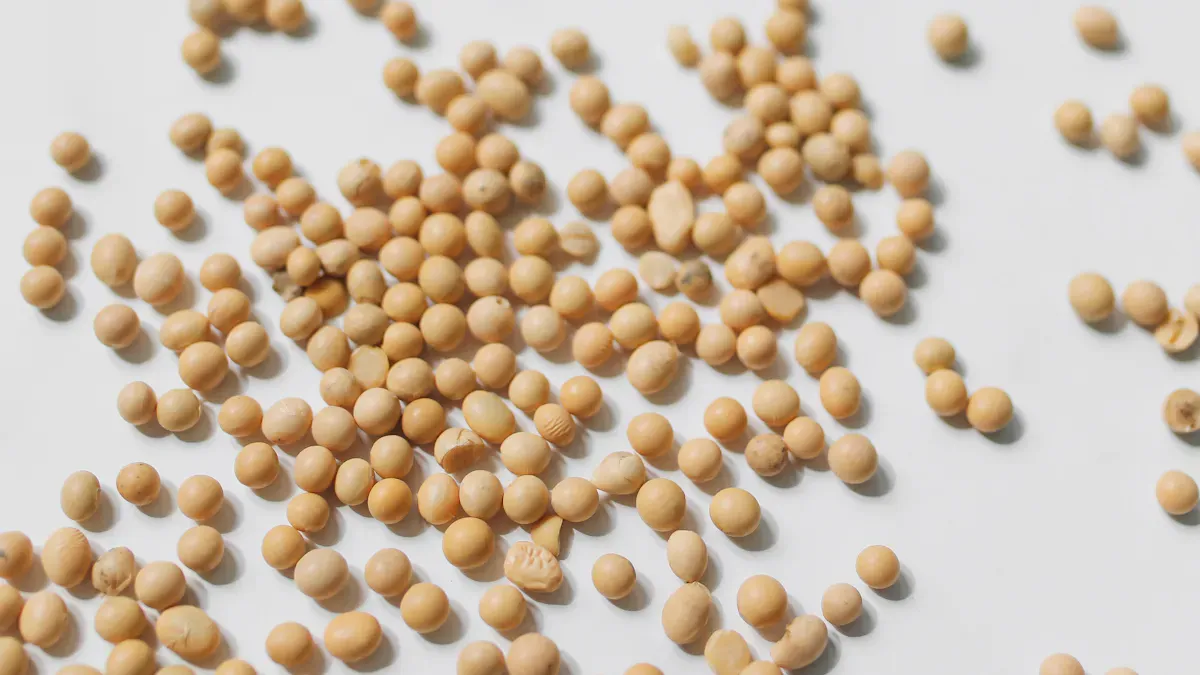
Soy Protein Isolate Lactose-Free contains no lactose, making it safe for those with lactose intolerance or dairy allergies.
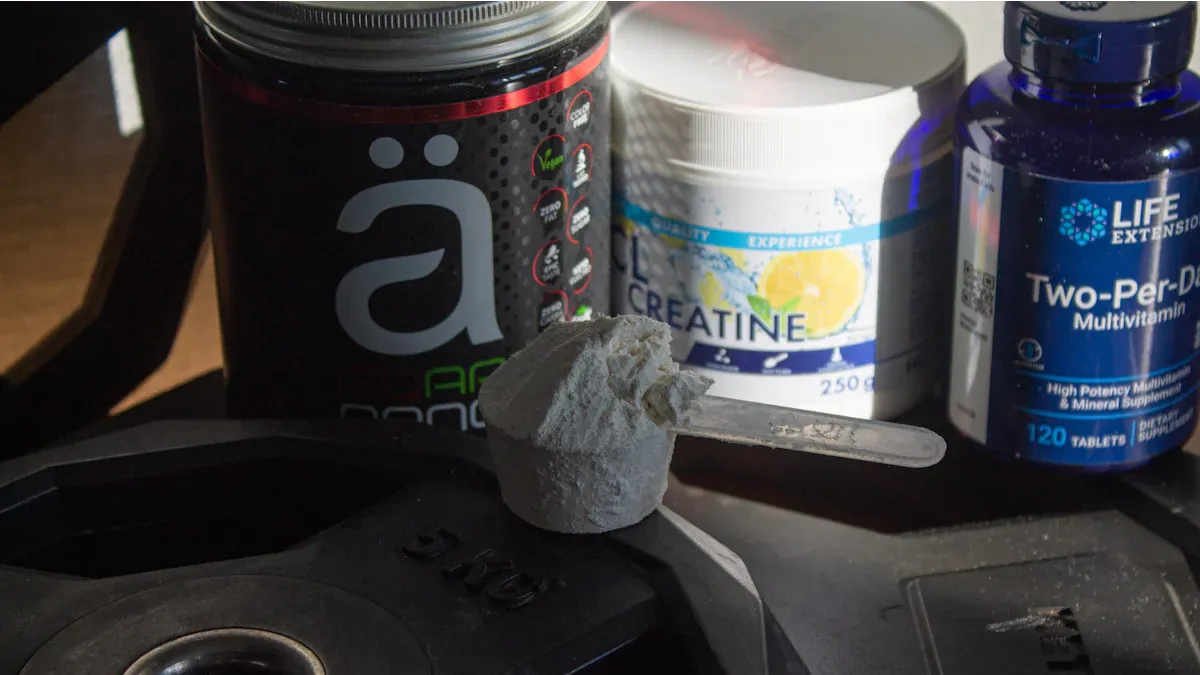
Glutamine vs glutathione: Choose glutamine for gut and muscle support, or glutathione for detox, immunity, and anti-aging based on your health goals.
Tell us the ingredient, application and required quantity. Our team will recommend a suitable product and provide a competitive quotation.