You might see that gluten-free cookies break easily or feel dry. Gluten helps regular dough stretch and keeps it together. If you bake without gluten, you need something to help. Xanthan Gum helps gluten-free treats stay stretchy and firm. It gives you better cookies and cakes.
Key Takeaways
Xanthan gum is very important for gluten-free baking. It acts like gluten and gives baked goods shape and stretch.
You must use the right amount of xanthan gum. Measure it well so your cookies and cakes are not too dry or sticky.
Xanthan gum helps baked goods hold onto water. This makes your treats stay fresh and tasty for more days.
Why Gluten-Free Baking Needs Help
Gluten’s Role in Baking
Gluten acts as the backbone of many baked goods. When you mix flour with water, gluten forms a stretchy network. This network gives dough its ability to stretch and hold its shape. You can think of gluten as a net that traps air bubbles, helping bread rise and stay fluffy.
Gluten forms a network that gives dough its viscoelastic properties. This means your dough can stretch and bounce back.
The gluten network supports dough during fermentation. It holds gases, which makes bread light and airy.
As dough ferments, gluten becomes even more flexible and elastic. This helps your baked goods keep their structure.
Without gluten, you lose this important support system. Your dough may not rise well or hold its shape.
Challenges Without Gluten
When you bake without gluten, you face several challenges. Your dough may feel sticky or fall apart easily. You might notice your bread or cookies turn out dense or crumbly instead of soft and chewy.
Without gluten to trap carbon dioxide, leavening gas escapes rather than inflating the structure. This can lead to deflation before the baking process even begins, making it crucial to find alternative methods to build structure.
The absence of gluten leads to a lack of elasticity and structure in baked goods.
Gluten-free baking needs other ingredients like starches and binders to copy gluten’s properties.
Without gluten, batters can fall apart or become dense and flat.
During mixing, gluten-free doughs feel different and can be hard to handle.
During baking, you must use other methods to create structure, such as adding eggs or starches.
After baking, gluten-free treats are fragile and need time to set.
Gluten-free recipes often use a lot of starch, which can make baked goods go stale quickly. Moisture leaves the product faster, so your treats may dry out or lose their texture. You need special ingredients and techniques to solve these problems and make gluten-free baking a success.
Xanthan Gum Basics
What Is Xanthan Gum
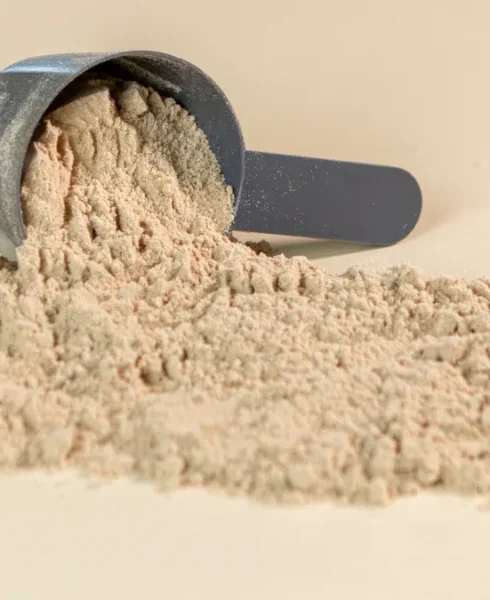
You might wonder why xanthan gum is so helpful in gluten-free baking. It is a polysaccharide, which is a kind of sugar. People make xanthan gum by fermenting bacteria called Xanthomonas campestris. These bacteria usually come from plants like cabbage or broccoli. The finished product is a fine powder you can add to recipes.
Xanthan gum is a hydrocolloid. When you put it in water, it turns into a sticky gel. This gel helps hold doughs and batters together. You can keep xanthan gum for a long time because it does not spoil fast. It may not work as well after a while, but you can still use it for months if you store it dry.
How It Works in Baking
Xanthan gum does many important things in gluten-free baking. You can see its main uses in the table below:
Property | Xanthan Gum | Other Gluten-Replacers |
|---|---|---|
Binding | Varies (e.g., guar gum is also good) | |
Structure | Strong structure-building capabilities | Varies (e.g., psyllium is different) |
Elasticity | Good elasticity | Varies (e.g., chia has different effects) |
Taste | Neutral taste, no gumminess | Varies (some may alter taste) |
Usage | About ¼ teaspoon per cup of flour | Varies (different amounts needed) |
When you mix xanthan gum with liquid, it makes a thick and steady gel. This gel gives dough structure and stretch. It helps baked goods stay together and not fall apart. Xanthan gum copies what gluten does, so your gluten-free treats taste and feel more like regular baked goods.
Xanthan Gum and Texture
Creating Structure and Elasticity
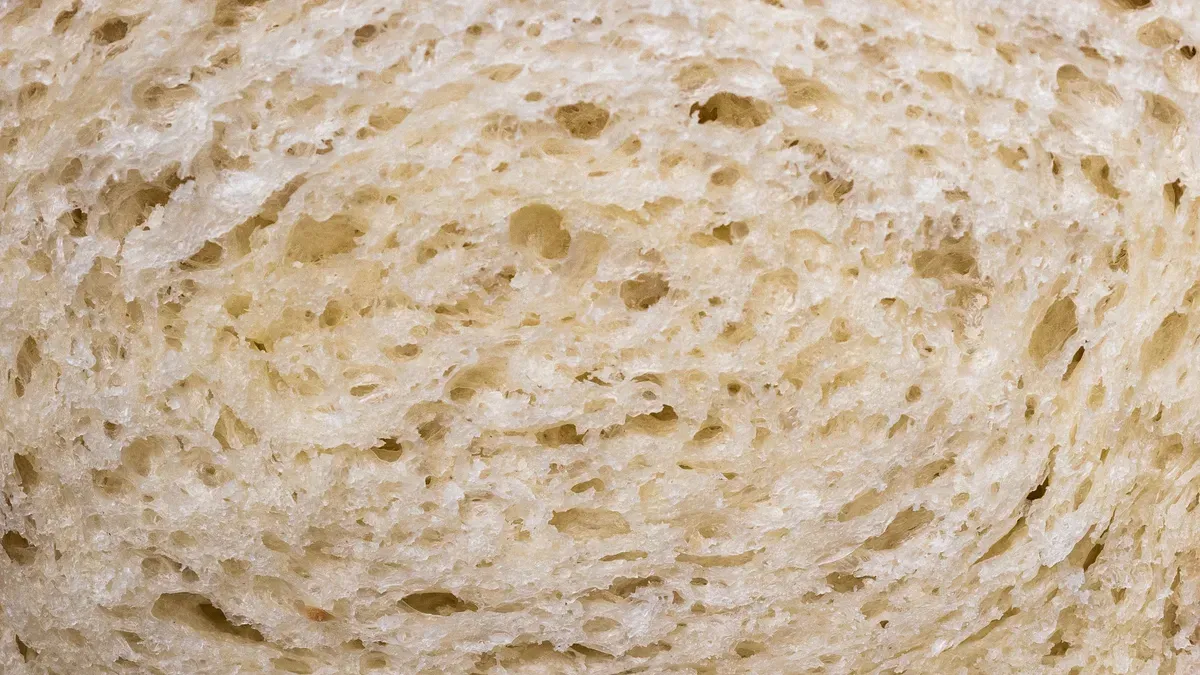
You want your gluten-free bread or cake to feel soft and springy. This is where xanthan gum makes a big difference. When you add it to your dough or batter, it acts like a helper that holds everything together. It forms a sticky gel when mixed with water. This gel gives your dough the stretch and bounce that gluten usually provides.
Scientists say that xanthan gum is one of the best substitutes for gluten. It binds your ingredients and builds a strong structure. You get baked goods that keep their shape and do not taste strange. You also notice that your bread rises better and your cakes turn out softer. Xanthan gum helps trap air bubbles, which makes your treats light and fluffy.
Tip: If you want a cake that does not sink in the middle, make sure you use the right amount of xanthan gum. It helps your batter hold air and rise evenly.
You can see the benefits in many recipes:
Cakes and muffins stay moist and do not fall apart.
Cookies hold their shape and have a chewy bite.
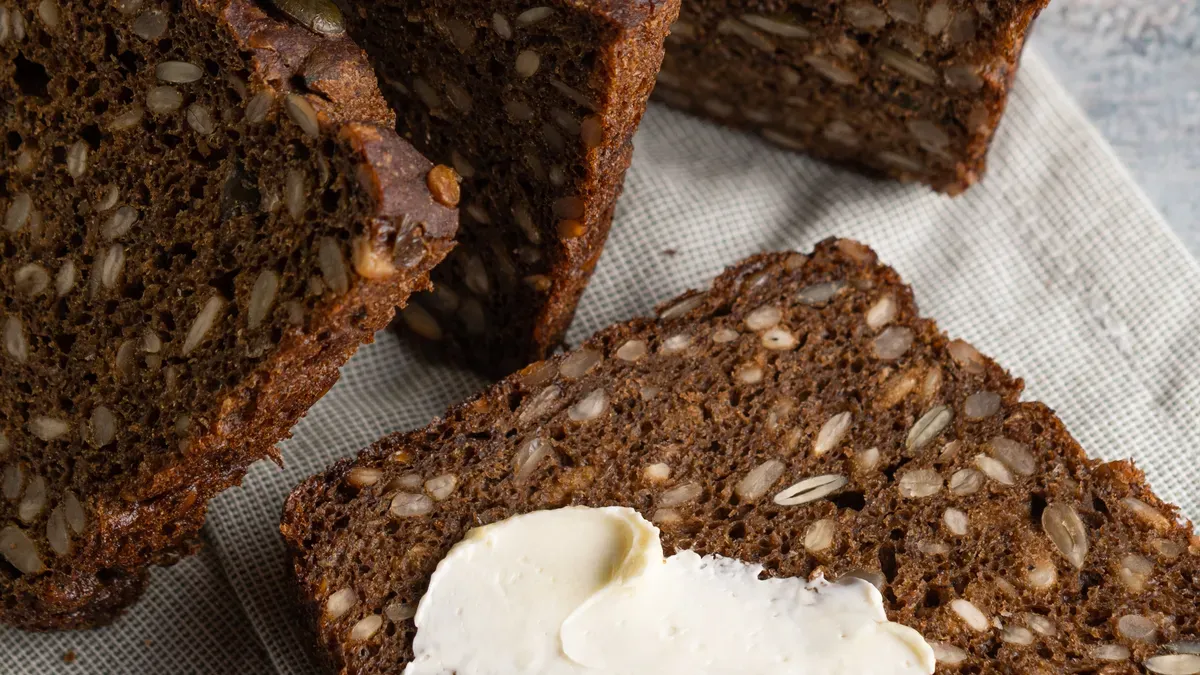
Bread slices do not break when you spread butter.
Preventing Crumbling
Gluten-free baking often leads to crumbly results. You may have tried a cookie that fell apart as soon as you picked it up. Xanthan gum stops this from happening. It quickly absorbs water and forms a thick gel. This gel binds your flour, starches, and other ingredients together.
When you use xanthan gum, your baked goods stay firm and do not crumble. It gives your dough the support it needs. You get slices of bread that do not break and cookies that stay whole. Cakes and biscuits also look better and taste better.
Xanthan gum helps your dough stay moist and soft.
It keeps your baked goods from drying out too fast.
You get treats that last longer and taste fresh.
Note: If you skip xanthan gum, your gluten-free recipes may turn out dry and unstable. Always measure carefully for the best results.
Binding and Consistency
Ingredient Binding
You often see gluten-free doughs fall apart or feel sticky. Xanthan Gum helps you solve this problem. It acts like glue in your recipes. When you add it to your dough, it creates elasticity and stickiness. These qualities are missing in gluten-free flours. Xanthan Gum holds your ingredients together and keeps moisture inside. You get baked goods that stay firm and do not crumble. It builds a strong network in your dough, similar to how glue binds materials. This network gives your bread, cookies, and cakes a better shape and texture.
Tip: Always mix Xanthan Gum well with your dry ingredients. This helps it spread evenly and bind everything together.
Improving Dough and Batter
You want your dough to feel smooth and easy to handle. Xanthan Gum improves the consistency of gluten-free recipes. It makes your dough less crumbly and more stable. You notice your batter holds its shape and does not spread too much. Your baked goods turn out moist and well-formed.
Enhances binding properties, preventing dough from becoming crumbly.
Retains moisture, resulting in a moist and well-formed bake.
Without Xanthan Gum, baked goods may spread more and have a weaker shape.
You see the difference when you bake. Your cookies stay round. Your bread slices hold together. Your cakes rise evenly and do not collapse.
Shelf Life and Freshness
Moisture Retention
You want your gluten-free baked goods to stay soft and fresh. Xanthan Gum helps you keep moisture inside your cakes, breads, and cookies. This means your treats do not dry out as quickly. When you use it, your baked goods hold more water, even after several days. You can see the difference in the numbers below:
Condition | Moisture Content (%) |
|---|---|
After baking (cake crust) | 10.97 to 14.41 |
After 2 days at 25°C (cake crust) | 18.33 to 21.62 |
After baking (cake crumb) | 25.98 to 28.37 |
After 6 days at 25°C (cake crumb) | 24.27 to 27.76 |
These numbers show that baked goods with xanthan gum keep more moisture over time. You get a softer texture and a longer-lasting product. You also avoid the dry, crumbly feeling that can happen with gluten-free recipes.
Xanthan gum locks in moisture, which helps your treats stay fresh.
It prevents your baked goods from drying out and keeps them enjoyable for longer.
Storage Tips
You can make your gluten-free treats last even longer with good storage habits:
Store your baked goods at room temperature in an airtight container if you plan to eat them within one or two days. Keep them away from heat and sunlight.
If you need to keep them longer, freeze them instead of putting them in the fridge. Freezing helps prevent staleness.
Slice large items like bread before freezing. This makes it easier to take out only what you need and keeps the rest fresh.
Wrap your treats well before freezing. Use two layers to protect against freezer burn and moisture loss.
Tip: Good storage and the right ingredients help you enjoy fresh gluten-free baked goods any time.
Using Xanthan Gum Effectively
How Much to Use
You need the right amount of xanthan gum for each recipe. Too little or too much can change the texture of your baked goods. Use this table to guide your measurements:
Baked Good Type | Xanthan Gum Ratio (per cup of flour) |
|---|---|
Cakes | 1/2 teaspoon |
Cookies | 1/4 to 1/2 teaspoon |
The right amount helps your treats stay moist and hold their shape. If you use too little, your cookies or cakes may turn out dry and crumbly. If you use too much, your baked goods can become dense or gummy.
Mixing Tips
You get the best results when you mix xanthan gum with your dry ingredients first. This step helps prevent clumping and spreads the gum evenly through your flour. Always whisk it well before adding liquids. Let your batter rest for a few minutes after mixing. This rest time allows the gum to hydrate, which helps your dough rise and gives a better crumb.
Tip: If your flour blend already has xanthan gum, do not add more. Extra gum can make your baked goods too sticky or heavy.
Common Mistakes
Many bakers make the same errors with xanthan gum. Watch out for these issues:
Measuring incorrectly can ruin the texture.
Mixing xanthan gum with wet ingredients first causes clumps.
Using extra gums or psyllium without a recipe can make your treats gummy.
Not letting the batter rest stops the gum from working well.
Check your recipe and measure carefully. You will get better results and enjoy tastier gluten-free treats.
You get lots of good things when you use Xanthan Gum in gluten-free baking. It makes your treats stretchy and light. It helps hold ingredients together and keeps them moist. You can try different flour mixes and follow recipes to get the best results. Try new recipes and enjoy tasty, fresh gluten-free treats.
FAQ
Can you use xanthan gum in all gluten-free recipes?
You can use xanthan gum in most gluten-free recipes. Some recipes, like pancakes, may not need it. Always check your recipe first.
What can you use instead of xanthan gum?
You can try guar gum, psyllium husk, or chia seeds. Each one works a little differently. Test small batches to see what you like best.
Does xanthan gum change the taste of baked goods?
You will not taste xanthan gum in your baked goods. It has a neutral flavor. Your treats will taste just like the other ingredients.