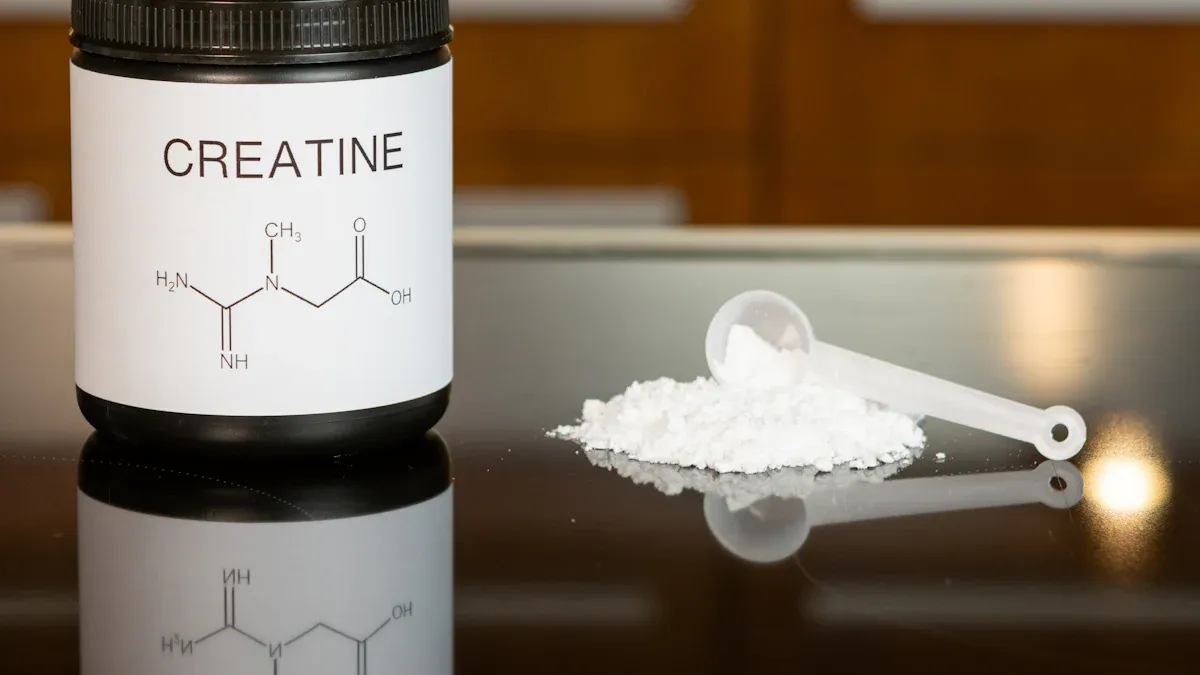
Food-Grade vs Feed-Grade Creatine Monohydrate are not the same. Food-grade creatine monohydrate is safe for people to use, while feed-grade creatine monohydrate is made exclusively for animals. Using the wrong type can lead to serious health issues, including potential kidney damage. There was a report about a young weight lifter who became very ill after using creatine supplements; he experienced kidney failure. Always read the label and choose the right grade for your needs.
Key Takeaways
Food-grade creatine monohydrate is safe for people. Feed-grade is only for animals. Pick the right grade to stay healthy.
Purity is important! Food-grade creatine is 99.5% pure or more. This makes it safe and works well for athletes and people who exercise.
Look at labels for things like GMP and NSF. These show the product is safe and good quality.
Using feed-grade creatine can cause bad health problems. It can hurt your stomach and kidneys. Always check the label before you buy.
Ask a doctor if you do not know which creatine to get. They can help you choose what is best for your health and goals.
Food-Grade vs Feed-Grade Creatine Monohydrate: Key Differences
Food-Grade Creatine Monohydrate Defined
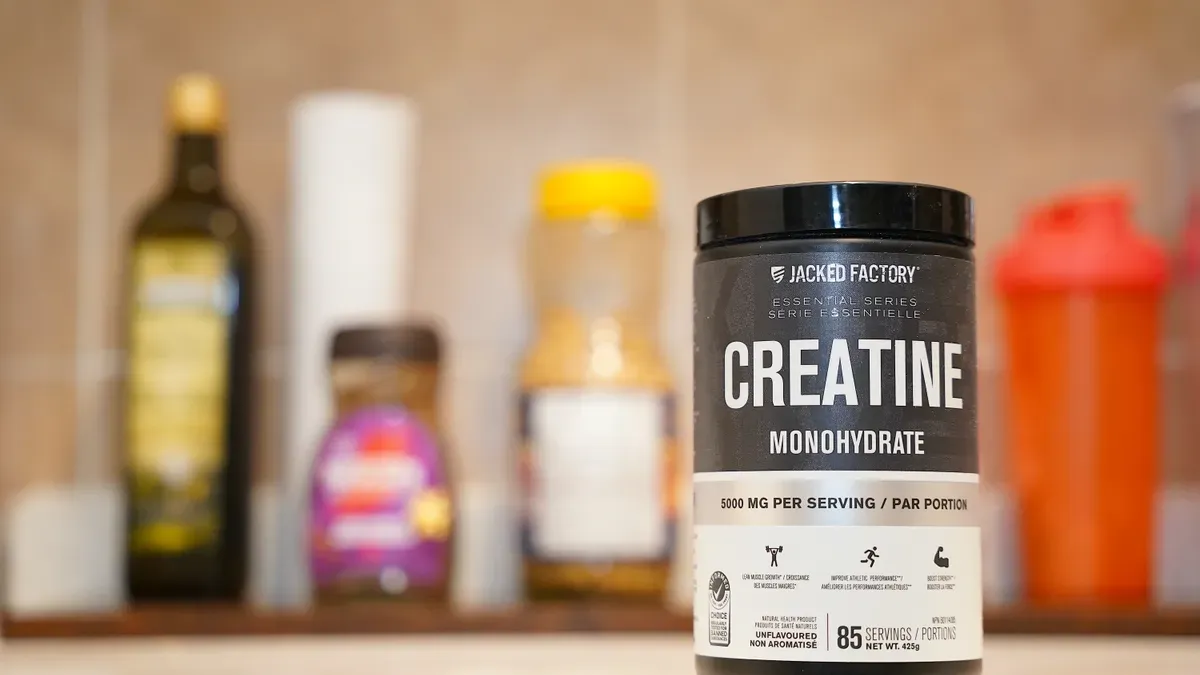
Food-grade creatine monohydrate is safe for people. It follows strict rules from groups like the FDA and EFSA. Companies must keep it clean and make sure it is safe. You can find food-grade creatine in supplements and sports drinks. It has a high purity level, so you get a good product.
Food-grade creatine must follow rules in the US and EU. In the EU, creatine is a food supplement under the Food Supplement Directive (FSD). It must also meet rules for special nutrition needs.
Here is a table showing the official purity levels for food-grade creatine monohydrate:
Purity Level | Description |
|---|---|
99.5% | This is the basic quality for supplements. It meets safety rules from the FDA and EFSA. |
99.99% | This is very pure creatine. It is used in premium products. |
Feed-Grade Creatine Monohydrate Defined
Feed-grade creatine monohydrate is made for animals. You will see it in food for pets or farm animals. Companies do not need to follow strict rules like food-grade. It may have more impurities and is not safe for people. Feed-grade creatine helps animals grow and stay healthy. It is not made for humans.
Common impurities found in feed-grade creatine monohydrate include:
Organic impurities: Dicyandiamide, dihydrotriazine, creatinine
Inorganic impurities: Sodium, chloride, sulfate residues
Heavy metals: Lead, arsenic, mercury, cadmium (trace amounts)
Moisture content: Usually 8-12% in both grades
Main Distinctions
You should know the main differences between food-grade and feed-grade creatine monohydrate. The table below helps you compare:
Feature | Food-Grade Creatine Monohydrate | Feed-Grade Creatine Monohydrate |
|---|---|---|
Intended Use | For people | For animals |
Purity Level | 99.5% or higher | Lower, changes |
Safety Standards | Strict (FDA, EFSA) | Not as strict |
Common Impurities | Very few | Organic, inorganic, heavy metals |
Regulatory Oversight | High | Moderate |
Food-grade creatine is safe for people. Feed-grade creatine is safe for animals.
Food-Grade vs Feed-Grade Creatine Monohydrate are different in purity, safety, and use.
Always check the label and pick the right grade for you.
Tip: Do not use feed-grade creatine for yourself. Only food-grade creatine monohydrate is safe for people.
Manufacturing and Purity Standards
Food-Grade Production and Quality
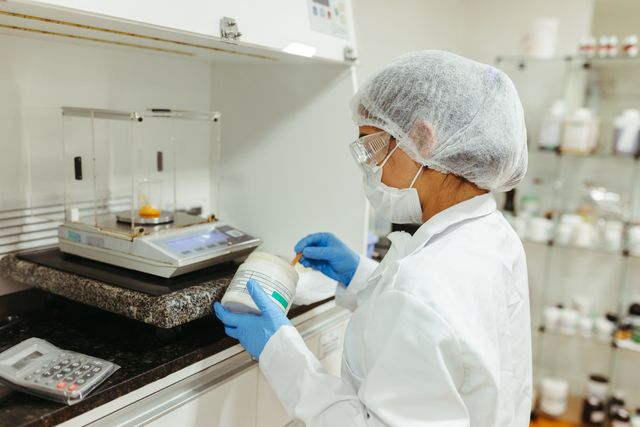
Food-grade creatine monohydrate is made with very strict rules. Workers use cleanrooms that are like medicine factories. They mix sarcosine and cyanamide at the right temperature and pH. This helps stop bad byproducts from forming. The creatine goes through a first crystallization. Then it is cleaned again and again to get rid of impurities. Special filters take out any extra particles or chemicals. The creatine is dried in rooms where the air and temperature are controlled. People check the quality many times during the process, not just at the end. This makes sure the creatine is very pure and safe.
Sarcosine and cyanamide are used to make creatine.
The creatine is cleaned many times to get pure.
Filters take out particles and leftovers.
Cleanrooms help stop contamination.
Quality checks happen all through the process.
Here is a table that shows how quality is checked:
Quality Control Measure | Description |
|---|---|
Additional Purification | Extra cleaning steps take out more bad stuff. |
Third-Party Testing | Outside labs test each batch. |
GMP Facilities | The creatine is made in places with strict rules. |
Consistent Particle Size Distribution | Each batch has the same size particles. |
Multi-Stage Quality Control Testing | Checks happen at many steps. |
Batch-Specific Certificates of Analysis | Papers show how pure each batch is. |
Temperature and pH Control | The right temperature and pH keep creatine stable. |
Cleanroom Conditions | Cleanrooms keep out germs and dirt. |
Microbial Contamination Control | Stops bacteria and germs from getting in. |
Feed-Grade Production and Quality
Feed-grade creatine monohydrate is not made with such strict rules. Companies try to save money and work fast. They may skip some cleaning steps. There are not as many quality checks. Feed-grade creatine has more impurities. The factories may not use cleanrooms. This creatine is okay for animals, but not for people.
Some cleaning steps are skipped.
Quality checks are not as strict.
Cleanrooms are not always used.
There are more impurities.
Impurities and Contaminants
It is important to know about impurities in creatine monohydrate. Food-grade creatine has very few bad things in it. The process takes out organic impurities like dicyandiamide and creatinine. Inorganic stuff and heavy metals are kept very low. Germs are also controlled very well. Feed-grade creatine can have more organic and inorganic impurities. There might be a little heavy metal in it. Both types have about the same moisture, but food-grade is much more pure.
Always pick food-grade creatine monohydrate if you are a person. Food-Grade vs Feed-Grade Creatine Monohydrate are not the same in purity and safety. You keep yourself safe by choosing the right kind.
Regulatory Oversight and Safety
Food-Grade Regulations
It is important to know who checks creatine for people. Food-grade creatine monohydrate must follow rules from big groups. These groups make sure it is safe and clean. Here is a table that shows who checks food-grade creatine in different places:
Regulatory Body | Role |
|---|---|
FSSAI (India) | Changes creatine to a nutraceutical, making rules easier and helping new products. |
FDA (USA) | Makes sure creatine is safe and gives it GRAS status. |
EU Regulations | Has strong rules for food supplements, making things clear and helping new ideas. |
There are strict rules in the United States, Europe, and India. The FDA says creatine is GRAS, so it is safe to use. The EU makes companies follow tough rules for food supplements. In India, FSSAI calls creatine a nutraceutical, so companies must follow special rules.
Feed-Grade Regulations
Feed-grade creatine monohydrate has different rules. Animal feed laws are not as strict as food laws. There are fewer checks for safety and purity. Companies must follow basic rules, but these rules are for animals, not people. You should not use feed-grade creatine because it does not meet people’s safety rules.
Always look at the label before you buy creatine. Only food-grade creatine is safe for people.
Quality Assurance Measures
There are many programs that help keep food-grade creatine safe. These programs test the product and check the factories. Here are some important certifications:
Informed-Sport: Tests products and checks factories often.
Cologne List: Makes sure the product is safe and good quality.
NSF Certified for Sport: Shows the product meets safety rules.
FSSC 22000: Is a well-known food safety certificate.
GRAS status from the FDA: Means the ingredient is safe to use.
These certificates help you trust the product. They show companies care about safety and quality. When you compare Food-Grade vs Feed-Grade Creatine Monohydrate, you see food-grade creatine has more tests and checks.
Applications and Intended Uses
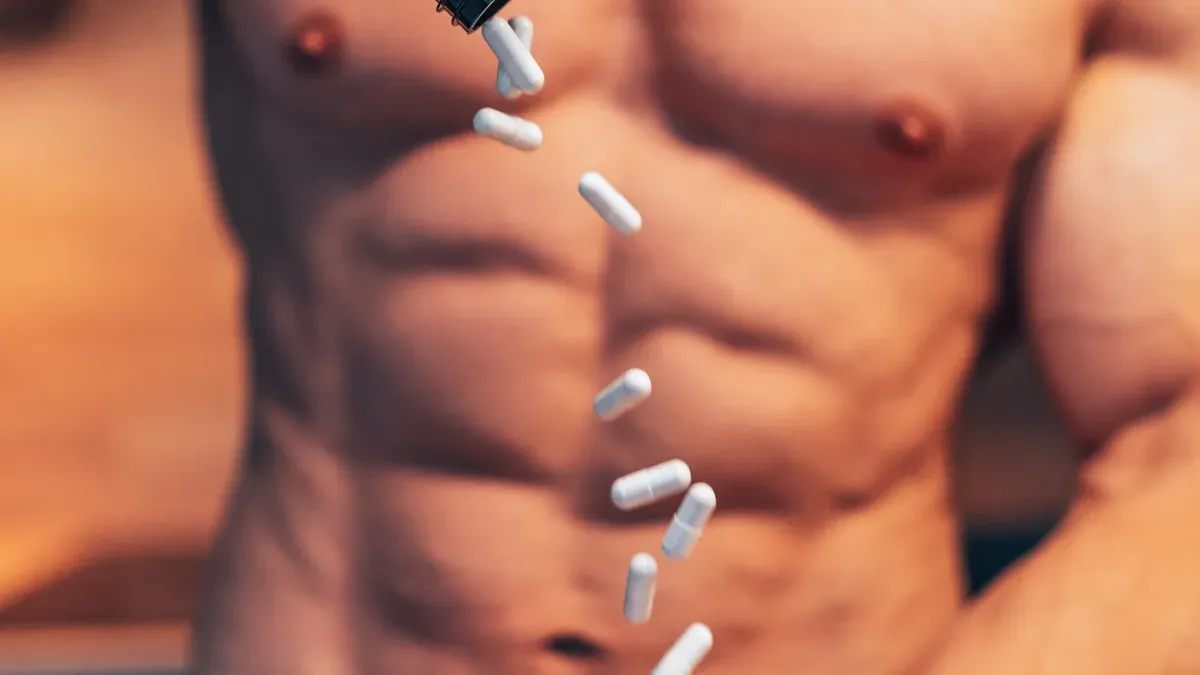
Human Supplementation
Food-grade creatine monohydrate can help you do better in sports. It also helps your body stay healthy. Many athletes and people who like fitness use creatine. They use it because it works well. Here are some ways people use creatine:
Strength training and muscle growth: Creatine helps your muscles get stronger and heal faster.
Endurance sports: It helps you recover and keeps your energy up during hard workouts.
Brain health: Creatine helps your memory and helps you focus.
Support for seniors: Older people use creatine to keep their muscles and stay strong.
Medical research: Doctors study creatine for diseases like Parkinson’s and ALS.
You can find creatine in powders, pre-workout drinks, mass gainers, and pills. Creatine helps your muscles keep energy when you exercise. It also helps your brain and lets you work out longer.
Benefit | Evidence |
|---|---|
Short, high-intensity exercise | Athletes in sports like soccer and fighting see better results. |
Strength performance | You can lift more weight in squats and bench press. |
Muscle mass | Creatine with weight training helps you build muscle. |
Lean body mass | You get more lean body mass if you use creatine and train often. |
Note: Only food-grade creatine monohydrate is safe for people to use.
Animal Nutrition
Feed-grade creatine monohydrate is made for animals. Farmers and pet owners give it to animals to help them grow and stay healthy. You might see feed-grade creatine in food for farm animals or pets. It helps animals like pigs, chickens, and dogs build muscle and have energy. Companies do not use the same strict rules for feed-grade creatine as for food-grade. Animals get benefits from creatine, but people should never use feed-grade creatine.
Risks of Incorrect Use
If you use the wrong kind of creatine, you can get sick. Using feed-grade creatine in human supplements can cause stomach pain, bloating, muscle cramps, or headaches. People with kidney problems have more risk. Taking too much or using creatine with bad stuff in it can make you dehydrated or sick from heat. Some old reports said creatine could hurt your kidneys, but new studies show it is safe for healthy people. You must always pick the right kind and follow the directions.
Tip: Always read the label and choose food-grade creatine for yourself. Food-Grade vs Feed-Grade Creatine Monohydrate are not the same. Using the wrong one can hurt your health.
Choosing the Right Grade
Factors to Consider
You should think about a few things before picking creatine monohydrate. The grade you need depends on your health and goals. Here are some key points:
Purity is important. High-purity creatine (99.99%) is best for vegetarians and older people. These groups get less creatine from food, so they need cleaner supplements.
Standard grade (99.5%) is good for most athletes and people who eat meat. It helps with fitness and muscle growth.
Who you buy for matters. If you buy for seniors or vegetarians, pick higher purity.
Health needs are important. High-purity creatine is better for long-term use and brain health, especially for older adults.
What you want to use it for matters. Standard grade is fine for healthy adults who want better sports performance.
Tip: Always pick the purity level that fits your needs. High-purity creatine is safer for people who need extra care.
Labeling and Certification
You must check the label and look for certifications. These marks show the product meets food-grade standards. The table below lists common certifications and what they mean:
Certification/Label | Description |
|---|---|
GMP | Good Manufacturing Practices make sure the product is clean and labeled right. |
FSSC 22000 | Food safety standard with strong checks and controls. |
Informed-Sport | Tests products for banned substances. |
NSF | Checks product safety and quality. |
Food-grade creatine must be at least 99.5% pure. Third-party testing checks quality, but batches can be different. Always look for these certifications on the package.
Buyer Tips
You can protect yourself by following smart buying steps. Here are some tips:
Look for products that show purity, like “99.9% pure,” not just “pure creatine.”
Check for GMP certification to make sure the product follows quality rules.
Find third-party certifications, such as Informed-Sport or NSF Certified for Sport.
Choose branded ingredients like Creapure or Creavitalis. These brands are clear about what is in their products.
Test solubility. Good creatine mixes well in water.
🛒 Smart buyers always check purity, certification, and brand reputation. You keep your health safe by making careful choices.
You have learned that food-grade creatine monohydrate is made for people. Feed-grade creatine monohydrate is only for animals. It is important to check the label for purity and safety. The FDA checks creatine as a dietary supplement. But not all creatine products are the same. You should pick creatine monohydrate with clear labels. If you are not sure, talk to a dietitian or healthcare worker.
Always read the ingredients label closely.
Pick creatine monohydrate for the best results.
Ask an expert if you have any questions.
FAQ
What happens if you take feed-grade creatine by mistake?
You may feel sick or get stomach pain. Feed-grade creatine can have more impurities. It is not safe for people. Always check the label before you use any supplement.
How can you tell if creatine is food-grade?
Look for these signs:
Purity listed as 99.5% or higher
Certifications like GMP or NSF
Clear label saying “food-grade” or “for human use”
Is food-grade creatine safe for daily use?
You can use food-grade creatine every day if you follow the directions. Studies show it is safe for healthy people. Drink enough water to stay hydrated.
Can animals use food-grade creatine?
Yes, animals can use food-grade creatine. It is very pure and safe. Farmers may choose it for special needs, but it costs more than feed-grade creatine.