
You use creatine monohydrate because it is very popular. It helps your muscles grow and boosts your athletic performance. If you wonder how is creatine monohydrate made, manufacturers mix sodium sarcosinate and cyanamide. They use heat and pressure in a special container. This process explains how creatine monohydrate is created. The steps are purification, filtration, drying, and milling. These steps make creatine into a safe and pure powder you can trust.
Mix sodium sarcosinate and cyanamide in controlled settings.
Clean and filter the creatine crystals.
Dry and grind the creatine monohydrate powder.
Key Takeaways
Creatine monohydrate is made using sodium sarcosinate and cyanamide. These are mixed together with heat and pressure.
Purity is very important. Makers must use high-quality ingredients. They also test the product to make sure it is safe.
The process has steps like cooling, spinning, drying, and grinding. These steps help make a fine and pure powder.
Good packaging keeps creatine safe from water and light. This helps it stay strong and safe to use.
Pick creatine that has third-party certifications. This helps make sure it is good and safe.
Key Ingredients in Creatine Monohydrate
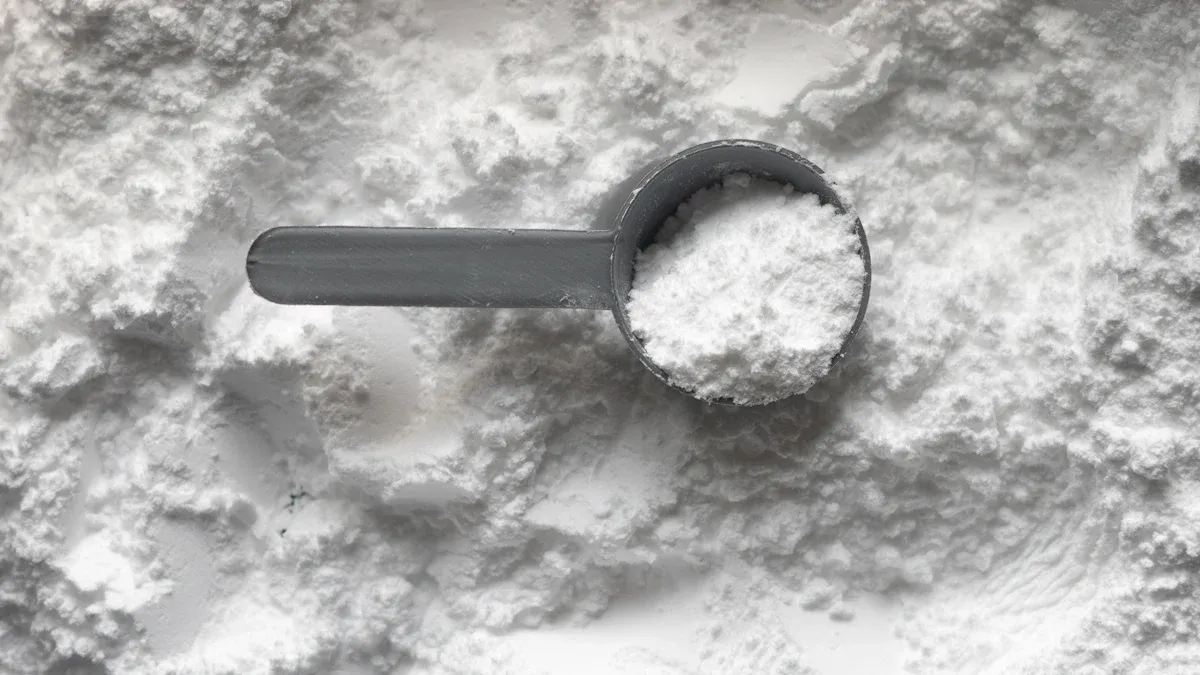
Sodium Sarcosinate
Sodium sarcosinate is the first ingredient used. It helps build the creatine molecule. Sodium sarcosinate comes from sarcosine. Sarcosine is made from glycine, which is an amino acid. This ingredient works as an amino acid intermediate in metabolism. It is safe and used in food and personal care items. Before using sodium sarcosinate, it must be checked for purity. Manufacturers need it to be pharmaceutical-grade to keep creatine safe.
Sodium sarcosinate gives creatine its structure.
It is a sodium salt made from sarcosine and glycine.
It is needed to make creatine.
Only pharmaceutical-grade sodium sarcosinate is used for safety.
Cyanamide
Cyanamide is another important ingredient. It is mixed with sodium sarcosinate to start making creatine. Cyanamide adds the guanidino group to the creatine molecule. Cyanamide is not the same as cyanide. Cyanamide is safe for use in factories. Workers must handle it carefully to stay safe.
Standard of Practice | Description |
|---|---|
Build facilities | Use good engineering and prevent spills. |
Run facilities | Check and fix things to stop leaks and keep people safe. |
Find exposure risks | Take steps to control them. |
Watch facilities | Protect workers and check safety. |
Emergency plans | Be ready if workers are exposed to cyanide. |
Catalyst Compounds
Catalyst compounds help sodium sarcosinate and cyanamide react. They make the reaction faster and help get more pure creatine. The reaction happens with heat and pressure. After the reaction, creatine crystals are separated from other stuff by centrifugation.
Compound | Role in Synthesis |
|---|---|
Sodium Sarcosinate | |
Cyanamide |
Catalysts speed up the reaction and make it better.
Controlled heat and pressure help make pure creatine.
Centrifugation takes out impurities after crystals form.
High-quality ingredients and strict safety rules are important. This makes sure creatine is pure and safe to use.
How Is Creatine Monohydrate Made

Chemical Reaction Process
To make creatine monohydrate, you start with a chemical reaction. Sodium sarcosinate and cyanamide are mixed in a special container. This step is very important in making creatine monohydrate. You must control the heat, pressure, and mixing carefully. The reaction happens between 60 and 80 degrees Celsius. Pressure helps the reaction work better. Stirring keeps everything mixed well. You also check the pH level and change it with acids or bases. Skilled workers watch these settings all the time to get the best creatine.
If you do not control these things, you might get less creatine or make unwanted stuff. Careful checking keeps the process safe and works well.
Here is a table showing what you need to watch during the reaction:
Parameter | Description |
|---|---|
Temperature | Keep it between 60–80°C for the best chemical change. |
pH | Change with acids or bases to get the right speed and purity. |
Time | Let the reaction go long enough to turn all the materials into creatine. |
Formation of Creatine Crystals
After the reaction, you need to make creatine crystals from the liquid. The quality of your starting materials matters a lot here. You cool the liquid slowly, which helps creatine molecules stick together and form crystals. How you cool and stir the mixture changes the size and shape of the crystals. If you cool too fast or do not stir enough, you might get clumps or uneven crystals.
Good starting materials give you pure, steady creatine.
Careful cooling and stirring help make good crystals.
The size and shape of the crystals depend on how you cool and mix.
You want crystals that are not too big or too small. In factories, you often aim for particles between 5 and 200 micrometers. Some companies use special ways like micronization and granulation to get the right size. These steps help stop the crystals from sticking together and make them easier to turn into creatine powder.
Purification and Filtration
Once you have creatine crystals, you need to clean them. You do this by separating the solid crystals from the liquid. First, you cool the solution so more creatine comes out as crystals. Then, you use a centrifuge. This machine spins very fast and pushes the solid creatine away from the liquid impurities.
Here are the main steps:
Cool the liquid to help creatine become crystals.
Spin the mixture in a centrifuge to separate the crystals from the liquid.
Collect the pure creatine crystals for the next step.
This process removes leftover chemicals and makes sure your creatine monohydrate is as pure as possible. You want to avoid any impurities that could affect the safety or strength of the creatine.
Drying and Milling
Now you need to turn the wet creatine crystals into a dry powder. You use vacuum drying for this. You put the crystals in a vacuum chamber, which lowers the boiling point of water. This lets you remove moisture at low temperatures, so you do not harm the creatine. Drying is important because creatine can break down if it gets too hot or stays wet.
Vacuum drying keeps the creatine safe and stops it from turning into creatinine.
Gentle drying protects the quality and power of the creatine monohydrate.
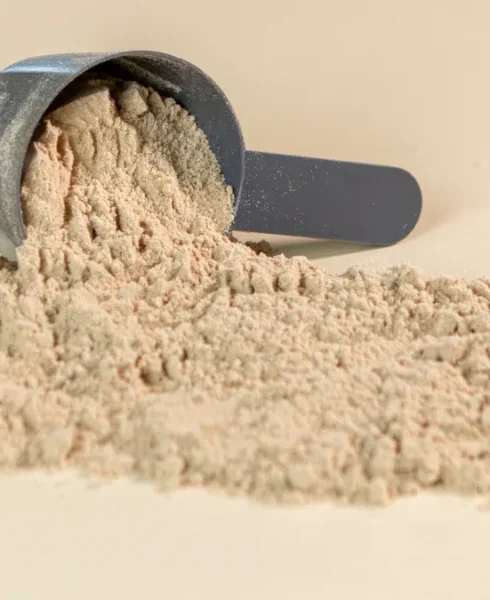
After drying, you mill or micronize the creatine. This means you grind it into a very fine powder. The goal is to get a powder that is easy to mix and measure. Many companies aim for a “200 mesh” size, which means the powder is very fine. Fine creatine powder dissolves better in water and is easier for your body to use. Smaller particles also help stop clumping and make the creatine easier to take.
Studies show that micronized creatine dissolves faster and causes less stomach discomfort.
Packaging
The last step in making creatine monohydrate is packaging. You need to protect the creatine monohydrate from moisture, light, and air. Creatine is hygroscopic, which means it pulls water from the air. If it gets wet, it can break down and lose its strength. You want to use airtight containers, like glass jars or vacuum-sealed bags. Adding silica gel packets helps soak up any moisture that might get in.
Method | Purity Loss Reduction | Notes |
|---|---|---|
Vacuum Sealing | 1.4% | Keeps air out and slows down purity loss. |
Adding Silica Gel | 85% | Greatly reduces moisture and keeps creatine stable. |
Mason Jar Method | Near-zero WVTR | Glass jars block moisture and light, keeping creatine fresh for a long time. |
Always close the container tightly after each use.
Store creatine monohydrate in a cool, dry place.
Clean packaging areas stop contamination.
Picking the right packaging keeps your creatine monohydrate pure and strong until you are ready to use it.
Now you know how creatine monohydrate is made, from the first chemical reaction to the final creatine powder you use every day. Each step matters for purity, safety, and quality.
Quality Control in Creatine Monohydrate Production
Purity Testing
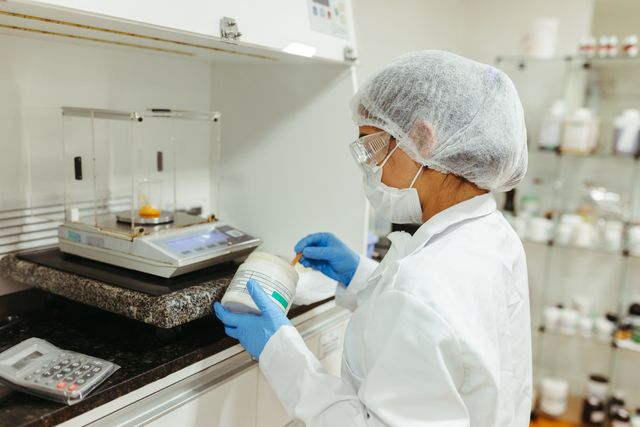
You want your creatine monohydrate to be clean and safe. Companies check every batch with many tests. High-Performance Liquid Chromatography (HPLC) looks at how much creatine is there. It also finds things like creatinine or other unwanted stuff. Microbiological testing checks for bad germs. Heavy metal testing looks for dangerous metals like lead or mercury. These tests help you trust the creatine you buy.
Analytical Method | Purpose |
|---|---|
High-Performance Liquid Chromatography (HPLC) | Measures creatine concentration and identifies contaminants like creatinine and byproducts. |
Microbiological Testing | Screens for harmful microorganisms to ensure consumer safety. |
Heavy Metal Testing | Checks for levels of heavy metals such as lead and mercury to comply with safety standards. |
Companies compare their results to strict rules for purity. For example, Creapure® says their creatine is 99.9% pure. The European Food Safety Authority (EFSA) sets limits for dicyandiamide at 50 mg/kg and dihydrotriazine at 3 mg/kg. These rules help keep you safe.
Parameter | Creapure® Value | EFSA Safety Limit |
|---|---|---|
Purity | 99.9% | N/A |
Dicyandiamide (DCD) | <20 mg/kg | 50 mg/kg |
Dihydrotriazine (DHT) | 0 mg/kg | 3 mg/kg |
Creatinine | Minimal detection | >1% (Generic) |
Heavy Metals | Below detection | N/A |
Safety Standards
You count on safety rules to keep creatine safe. Factories must follow FDA rules from the Dietary Supplement Health and Education Act. They use current Good Manufacturing Practices (cGMPs). These rules mean they check quality, test ingredients, and keep good records. SGS certification means the factory gets checked often. Eniva is a company with SGS Certified GMP. They must always follow these rules. You get safe creatine because of these checks.
Tip: Pick products with GMP or SGS labels. These show the company follows strong safety rules.
Batch Tracking
You want to know where your creatine comes from. Batch tracking lets you see every step for each batch. QR codes on records show where the raw materials started. Each batch gets over 70 checks, like tests for germs and heavy metals. This “farm-to-formula” system helps companies recall products fast if needed. You can trust your creatine because you see the whole process.
Evidence Type | Description |
|---|---|
Batch Tracking System | QR-coded batch records document raw material origins, ensuring full supply chain visibility. |
Quality Control Measures | Each batch undergoes over 70 quality checkpoints, including microbial testing and heavy metal screening. |
Traceability Assurance | The ‘farm-to-formula’ clarity supports rapid recalls if necessary, enhancing consumer trust. |
Note: Batch tracking helps you feel safe. You know your creatine monohydrate is checked and traceable.
You can see that creatine starts with sodium sarcosinate and cyanamide. These are mixed together in a special machine called a reactor. The mixture is heated and pressed, then cooled down to make crystals. Next, the crystals are cleaned, dried, and ground into creatine powder.
Quality checks make sure creatine is safe and pure. High standards help you get good results for your muscles. You should always buy creatine monohydrate from brands you trust. These brands follow strict tests and safety rules. This helps you build muscle and stay healthy with creatine you can count on.
Criteria | Description |
|---|---|
Certificate of Analysis | Find a signed and dated CoA with lab results. |
Third-Party Certifications | Pick products with NSF or Informed-Sport certification. |
Raw Material Traceability | Make sure the company knows where their creatine comes from. |
FAQ
What is creatine monohydrate?
Creatine monohydrate is a supplement. It helps your muscles work harder. This type of creatine mixes well in water. It can make you stronger when you exercise.
How do you store creatine powder?
Keep creatine in a cool and dry spot. Use containers that close tightly to keep out water. Silica gel packets help the powder stay fresh and strong.
Can you mix creatine with other drinks?
You can mix creatine with water or juice. You can also use protein shakes. Stir the drink so the powder dissolves. Do not use hot drinks because heat can break down creatine.
Is creatine safe for daily use?
Creatine is safe if you use the right amount. Most studies say creatine does not hurt you if you follow the directions.
How do you know if creatine is pure?
Check for third-party certifications and batch tracking. Companies test creatine for bad stuff and show lab results. Pick brands you trust.