You can use propylene glycol alginate to make noodles better. This ingredient helps your noodles feel chewy and smooth. When you add it to dough, noodles hold water better and last longer.
Tip: Using propylene glycol alginate makes noodles stronger and helps them stay fresh.
Key Takeaways
Propylene glycol alginate helps noodles feel chewy and smooth. It makes the texture better. Mix the powder with dry flour first. Do this before you add water. This stops clumps from forming. It also spreads the powder evenly. Use 0.2% to 0.5% of your flour weight. This gives the best results. Change the amount for different noodle types. Sodium carbonate makes noodles harder. Sodium chloride makes noodles softer. Pick one based on what you like. Keep propylene glycol alginate in a cool, dry place. This keeps it working well and noodles stay fresh.
Propylene Glycol Alginate in Noodle Production
What Is Propylene Glycol Alginate
You might ask where propylene glycol alginate comes from and why it helps noodles. This ingredient is made from alginic acid, which is found in brown seaweed. Scientists change alginic acid by adding a propylene glycol group to it. This makes propylene glycol alginate better for food use. The molecule has carboxyl and hydroxyl groups. These groups help it mix with water and other things.
Propylene glycol alginate comes from alginic acid, a natural polymer in brown seaweed.
It is an ester with a propylene glycol group, which makes it work better in food.
The molecule has carboxyl and hydroxyl groups, which are important for how it works.
Propylene glycol alginate is in many foods. In noodles, it helps make the texture better and keeps them moist.
Application in Noodle Dough
When making noodle dough, you add propylene glycol alginate while mixing. You usually mix it with dry ingredients before adding water. This helps it spread out evenly. As you knead the dough, it works with wheat flour proteins. The kind of salt you use changes how it works with gluten.
Salt Type | Effect on PGA-Gluten Interaction | Resulting Texture and Digestibility |
|---|---|---|
Helps it work better, makes more cross-links | Noodles are firmer, more stretchy, and starch is harder to digest | |
Sodium Chloride | Makes it work less, creates more holes | Noodles are softer, and starch is digested faster |
Sodium carbonate makes noodles firmer and more stretchy. Sodium chloride makes noodles softer. Propylene glycol alginate lets you control these noodle qualities. If you want chewy noodles, use sodium carbonate with propylene glycol alginate. If you want softer noodles, use sodium chloride.
Tip: Mix propylene glycol alginate with flour before adding water. This helps you get the best noodle texture and stops clumps.
Benefits of Propylene Glycol Alginate
Improved Texture & Chewiness
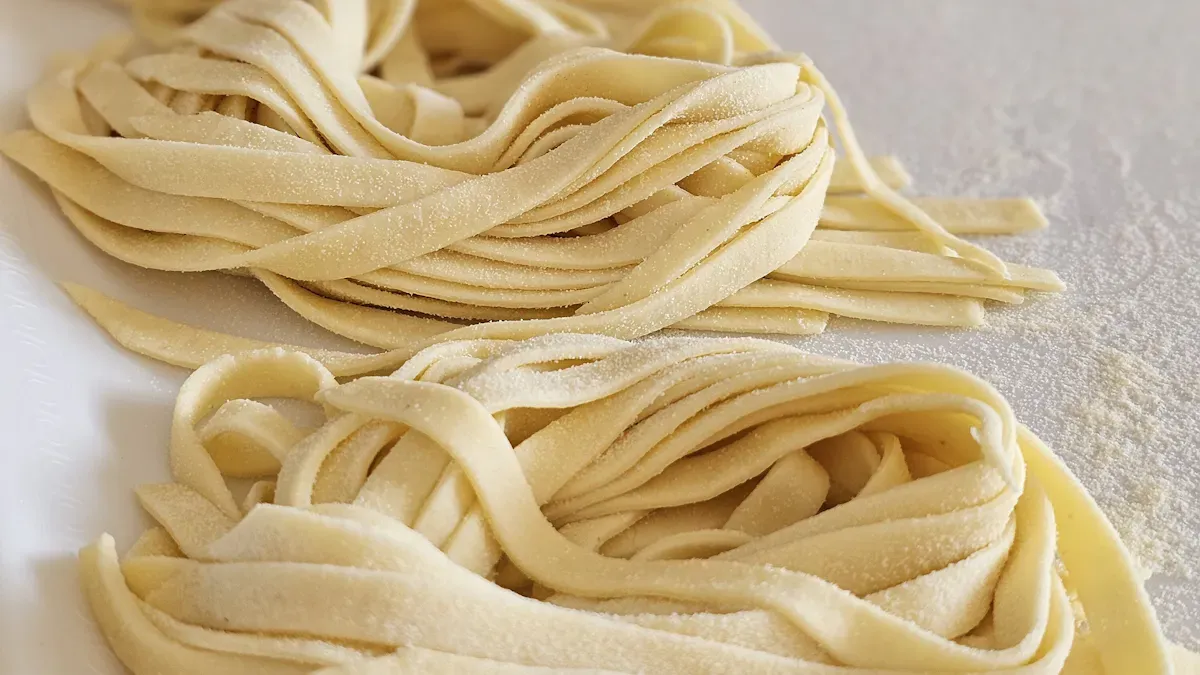
When you use propylene glycol alginate in noodles, you can feel a big change. This ingredient helps noodles become firm and chewy. The noodles do not get too soft or too hard. They stay bouncy and nice to eat. Noodles also keep more water, so they do not dry out fast.
Noodles turn firmer and stretchier.
They keep their shape after cooking.
You get a chewy bite every time.
Tip: If you want noodles that taste fresh and feel good to eat, add propylene glycol alginate to your recipe.
Enhanced Smoothness & Stability
You want noodles to look and feel smooth. Propylene glycol alginate helps by acting as an emulsifier. It works well with other thickeners like xanthan gum and guar gum. These work together to make noodles stable and silky. When you cook noodles, they do not break apart or get sticky.
The noodle surface feels smooth.
The texture stays the same after boiling.
You do not get clumps or sauce separation.
Better Water Retention & Shelf Life
Propylene glycol alginate does more than make noodles taste better. It also helps noodles last longer and stay moist. Studies show this ingredient helps dough take in more water and makes gluten stronger. Noodles cook faster and lose less dry matter in water. They also bounce back to shape after cooking.
Benefit | Description |
|---|---|
Noodles soak up more water, so they are stable and do not break. | |
Gluten Strength | The gluten network gets stronger, so noodles hold together well. |
Cooking Time | Noodles cook faster and lose fewer nutrients. |
Noodle Texture | You get noodles that are hard, chewy, and elastic. |
Sensory Quality | The surface feels smooth and not sticky. |
Note: Propylene glycol alginate gives noodles better firmness and quality than sodium alginate. You get more noodles and a softer inside, so noodles are more fun to eat.
Usage & Incorporation
Hydration & Mixing Steps
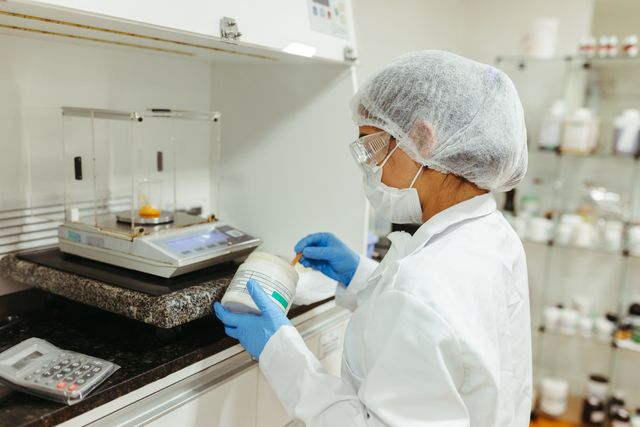
You need to follow the right steps to get the best results when you add propylene glycol alginate to your noodles. Start by measuring the amount you need. Sprinkle the powder over your dry flour. Mix the flour and propylene glycol alginate together before you add water. This step helps the powder spread out and prevents lumps.
Next, add water slowly. Stir the mixture as you pour in the water. You want the powder to dissolve and blend with the flour. Knead the dough until it feels smooth and even. If you use a mixer, set it to a low speed at first. After the dough comes together, you can knead it by hand or with the mixer until it feels elastic.
Tip: Always add propylene glycol alginate to the dry ingredients. This method helps you get a smooth dough and stops clumps from forming.
Dosage Guidelines
You must use the right amount of propylene glycol alginate for the best noodle texture. Too little will not change your noodles. Too much can make them gummy or sticky. Most recipes use 0.2% to 0.5% of the total flour weight. For example, if you use 1,000 grams of flour, you should add 2 to 5 grams of propylene glycol alginate.
Flour Weight (g) | PGA Amount (g) | Resulting Texture |
|---|---|---|
500 | 1–2.5 | Slightly firmer |
1,000 | 2–5 | Chewy and elastic |
2,000 | 4–10 | Very firm and springy |
You can adjust the amount based on the type of noodles you want. For chewy noodles, use the higher end of the range. For softer noodles, use less.
Note: Always weigh your ingredients for accuracy. Small changes can make a big difference in noodle quality.
Tips for Even Distribution
You want every bite of your noodles to feel the same. To do this, you must mix propylene glycol alginate evenly. Here are some tips:
Sift the powder with your flour before mixing.
Use a whisk or fork to blend the dry ingredients.
Add water slowly and stir as you go.
Scrape the sides of your bowl to catch any dry spots.
Knead the dough well to spread the powder throughout.
If you make noodles in large batches, use a mixer for even results. For small batches, mix by hand and check for dry spots.
Callout: Even mixing gives you noodles with the same texture and chewiness every time.
You can see that propylene glycol alginate has many uses in noodles. It helps you control the texture, chewiness, and shelf life of your noodle products. When you follow these steps, you get the best results every time.
Troubleshooting & Tips
Common Mistakes
You might face some problems when you add propylene glycol alginate to noodles. Many people use too much or too little. If you use too much, noodles turn sticky and lose their chewiness. If you use too little, you will not see any change in texture. Sometimes, you forget to mix the powder with flour first. This mistake causes clumps and uneven texture. You may also add water too quickly. When you do this, the powder does not dissolve well.
Measure the powder carefully.
Mix it with flour before adding water.
Add water slowly and stir as you go.
Tip: Always check your dough for dry spots. If you see clumps, knead longer or use a mixer.
Adjusting for Noodle Types
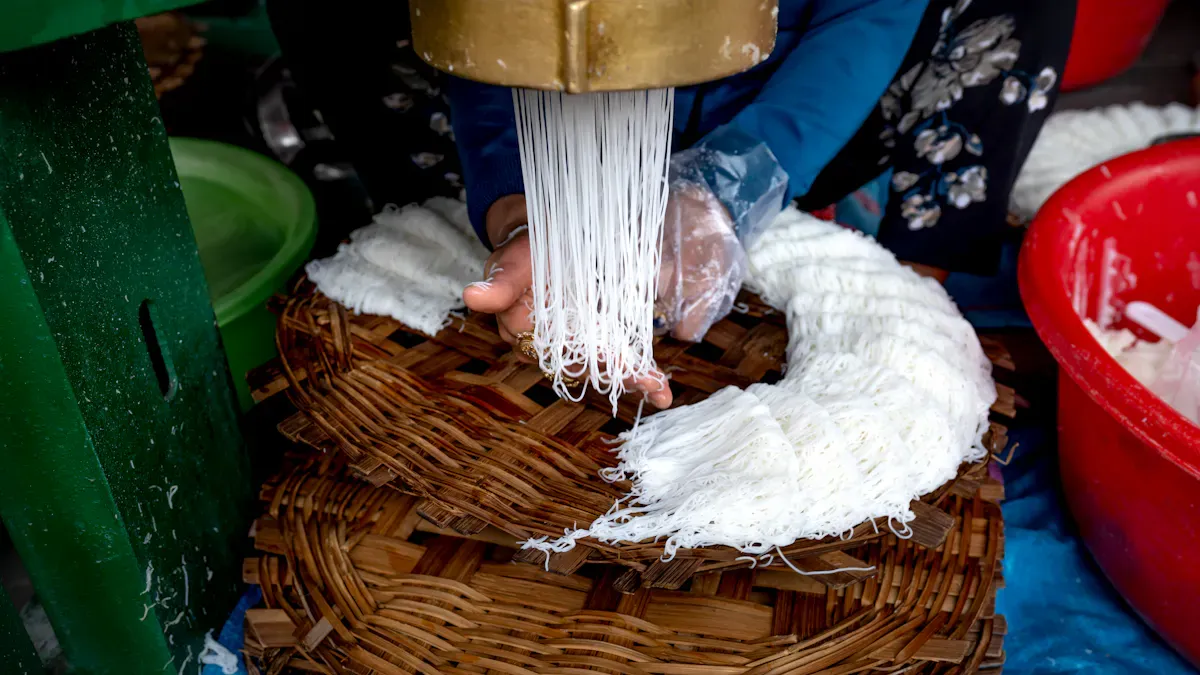
Different noodles need different amounts of propylene glycol alginate. You can change the dosage based on the noodle style. For ramen, you want chewy and firm noodles. Use more powder for this type. For udon, you want soft and thick noodles. Use less powder. If you make rice noodles, you need to test the amount because rice flour acts differently.
Noodle Type | PGA Dosage | Texture Goal |
|---|---|---|
Ramen | High | Chewy, firm |
Udon | Medium | Soft, thick |
Rice Noodles | Low | Smooth, tender |
Note: Try small batches when you change recipes. Adjust the amount until you get the texture you want.
Storage & Handling
You need to store propylene glycol alginate in a dry, cool place. Keep the powder in a sealed container. Moisture makes the powder clump and lose its power. When you handle the powder, use clean, dry tools. If you buy in bulk, check the expiration date. Old powder does not work well. After cooking noodles, store them in airtight containers to keep them fresh.
Store powder away from heat and moisture.
Use dry tools for measuring.
Keep cooked noodles in sealed containers.
Callout: Good storage keeps your noodles chewy and tasty for longer.
You can make your noodles chewier, smoother, and longer-lasting by adding propylene glycol alginate. Start by mixing the powder with your flour, then add water slowly and knead well.
Use 0.2% to 0.5% of your flour weight for best results.
Adjust the amount for different noodle types.
Try propylene glycol alginate in your next batch. Home cooks and professionals both see better texture and shelf life with this simple step.
FAQ
Can you use propylene glycol alginate in homemade noodles?
Yes, you can use it when making noodles at home. Use 0.2% to 0.5% of your flour weight. Mix it with the dry ingredients before you add water. This helps your noodles turn out chewy and smooth.
Is propylene glycol alginate safe to eat?
Propylene glycol alginate is safe to eat. Food safety groups say it is okay in many foods. Always use the right amount for the best results.
Does propylene glycol alginate change the noodle flavor?
No, it does not change how your noodles taste. You will get better texture and chewiness, but the flavor stays the same. Your noodles will taste just like before.
Can you use propylene glycol alginate with other thickeners?
Yes, you can mix it with xanthan gum or guar gum. This makes your noodles smoother and more stable. Try using a little at first to see what works best.