You might wonder if cocoa powder gives you a caffeine boost. It does, but not as much as coffee. Here’s a quick look:
Each tablespoon has about 20 mg of caffeine.
Beverage | Caffeine Content (mg) |
|---|---|
Cocoa Powder | |
Standard Coffee | 95 |
Cocoa powder also has theobromine, a gentler stimulant.
Key Takeaways
Cocoa powder has 12 to 26 mg of caffeine in each tablespoon. This is much less than coffee. Coffee has about 95 mg of caffeine in one cup.
Pick Dutch-processed cocoa powder if you want less caffeine. It usually has less caffeine than natural cocoa powder.
Always look at labels for caffeine and theobromine amounts. This helps you choose the right cocoa powder for what you need.
Caffeine in Cocoa Powder
How Much Caffeine Is in Cocoa Powder
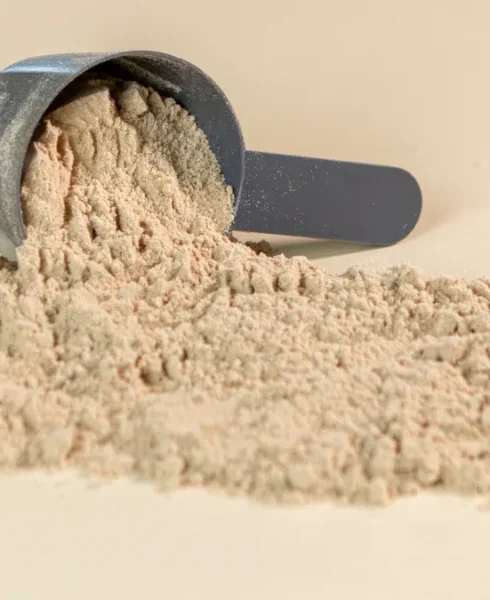
You might be surprised to learn that cocoa powder does have caffeine, but not as much as coffee. If you look at the numbers, 100 grams of cocoa powder contains about 230 milligrams of caffeine. Most people use just a tablespoon at a time, which gives you around 12 to 26 milligrams. That’s a small amount compared to a cup of coffee.
1 tablespoon of cocoa powder: 12–26 mg caffeine
100 grams of cocoa powder: about 230 mg caffeine
If you use sweetened cocoa powder, the caffeine amount stays about the same. You can see that cocoa powder gives you a gentle lift, not a big jolt.
Cocoa Powder vs Coffee and Tea
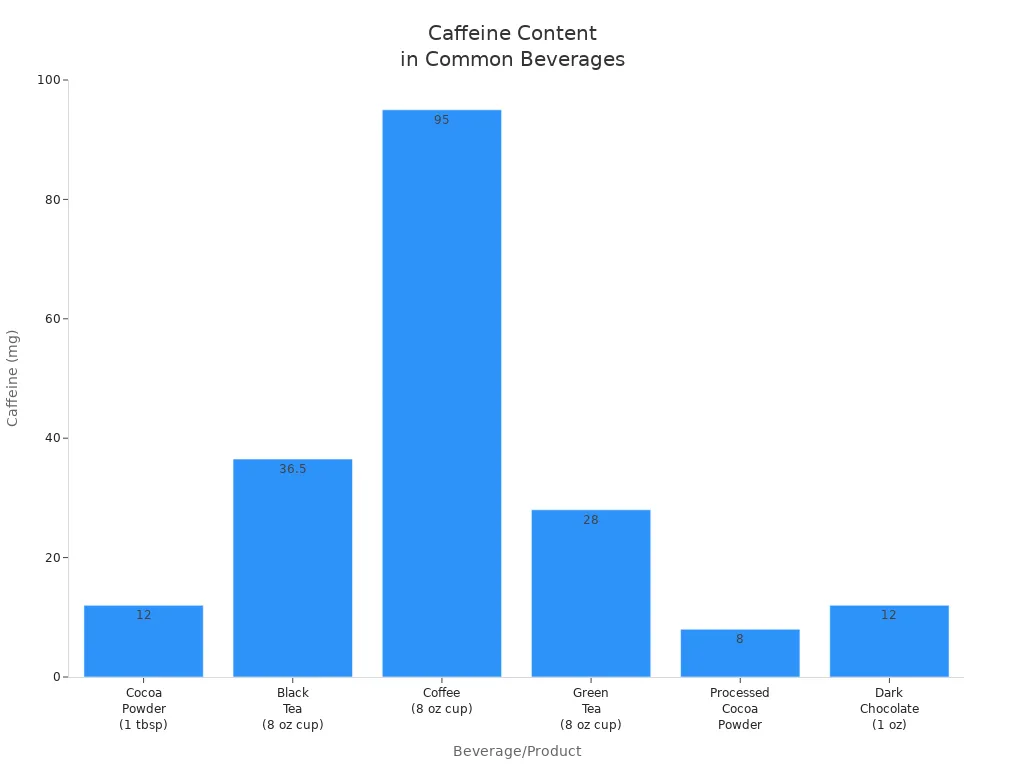
Let’s see how cocoa powder stacks up against other popular drinks. Here’s a quick look:
Beverage | Caffeine Content (mg) |
|---|---|
Cocoa Powder (1 tbsp) | 12 |
Black Tea (8 oz cup) | 25-48 |
Coffee (8 oz cup) | 95 |
Green Tea (8 oz cup) | 28 |
Processed Cocoa Powder | 8 |
Dark Chocolate (1 oz) | 12 |
You can see that coffee has the most caffeine. Black tea and green tea have more than cocoa powder, but less than coffee. Even dark chocolate has caffeine, but not as much as a cup of tea or coffee.
If you want a warm drink with less caffeine, cocoa powder is a good choice.
Types of Cocoa Powder and Caffeine Levels
Not all cocoa powders are the same. The caffeine content can change based on the type and how it’s made.
Cacao Bean Origin: Where the beans come from matters. Beans from Ecuador, Venezuela, and Peru usually have more caffeine. Beans from Ghana, Ivory Coast, and Mexico have less.
Processing and Roasting: Roasting does not change the caffeine much. But if the cocoa powder is alkalized (Dutch-processed), the caffeine drops a lot.
Bean Variety: Some types of beans, like Criollo, have more caffeine than others, like Forastero.
Here’s a table to show the difference between natural and Dutch-processed cocoa powder:
Cocoa Type | Caffeine Content (mg per 100g) |
|---|---|
Natural cocoa (un-dutched) | 230 |
Dutch-processed cocoa (alkali) | 78 |
Raw cacao powder also has about 12 mg of caffeine per tablespoon, which is a bit higher than most processed cocoa powder.
Tip: If you want less caffeine, look for Dutch-processed cocoa powder. It has less caffeine than natural cocoa powder.
The way cocoa powder is made can also change other things, like flavor and color. Alkalization makes the powder darker and milder, but it also lowers the caffeine.
Now you know that cocoa powder can give you a small caffeine boost, but the amount depends on the type you choose.
Health Effects and Practical Tips

Caffeine and Sleep
You may ask if caffeine in cocoa powder affects sleep. Most people do not have trouble sleeping from the small amount in cocoa powder. Studies show different results:
Study | Findings |
|---|---|
Clinical trial on cocoa rich chocolate and sleep quality in menopausal women | Eating 78% dark chocolate every day for eight weeks did not make sleep better. |
Hernandez-Gonzalez et al. | Eating 100 g of milk chocolate at night for two weeks may help set sleep times in older women. |
Okauchi et al. | Mice with sleep problems got better sleep after eating food with 2% cocoa for 30 days. |
Espitia-Bautista et al. | Eating chocolate in the morning may stop sleep problems from working night shifts or traveling. |
Current study | People who ate chocolate with caffeine did not have worse sleep. |
If you are sensitive to caffeine, try eating cocoa earlier in the day.
Theobromine in Cocoa Powder
Cocoa powder has more theobromine than caffeine. Theobromine gives you steady energy that lasts longer. You will not get a fast rush and crash like with caffeine. Theobromine can help you feel calm and happy. Some people notice they can focus better and feel alert without feeling shaky. Theobromine also helps blood flow by making blood vessels wider. This can help your body and mind feel good.
Note: Theobromine does not usually cause sleep problems. It may help your brain feel balanced at night.
Who Should Limit Cocoa Powder
Some people need to be careful with cocoa powder. Kids, pregnant women, and people with certain health issues should watch how much they eat.
Age Group | |
|---|---|
Under 12 years | Not recommended |
4 years and older | Up to 45 mg |
13-18 years | No more than 100 mg |
Sensitive individuals | Start with 50 mg |
Medical Condition | Reason for Limiting Cocoa Powder Consumption |
|---|---|
Severe cardiovascular conditions | Stimulants may cause bad effects for the heart. |
Caffeine sensitivity or intolerance | Symptoms may get worse. |
Taking blood thinners without supervision | Bleeding risk may go up. |
Using MAOI medications | Dangerous reactions may happen. |
Pregnancy without healthcare approval | Risks for the baby may increase. |
If you have any of these health issues, talk to your doctor before eating more cocoa powder.
Choosing Cocoa Powder for Low Caffeine
Want less caffeine? Try these tips:
Look at the ingredient list. Cocoa powder should be first or second.
Pick Dutch-processed or alkalized cocoa. These types usually have less caffeine.
Check the label for caffeine amount. In 2026, products with more than 5 mg per serving must say so.
Choose products with clear safety info, especially if you are sensitive or buying for kids.
Tip: Always check the label for caffeine and theobromine. This helps you pick what is best for you.
You now know cocoa powder has less caffeine than coffee or black tea. Check out this table:
Source | |
|---|---|
Cocoa Powder | 230 mg |
Coffee | 2–95 mg |
Black Tea | 40 mg |
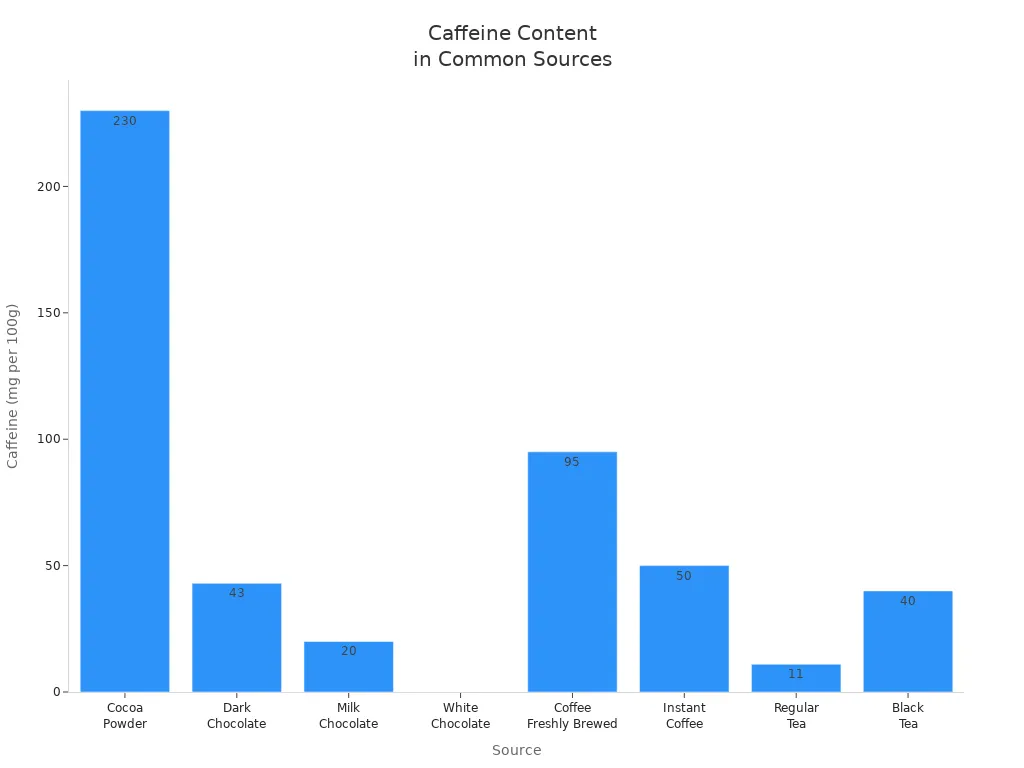
If you’re sensitive, pick Dutch-processed cocoa or milk chocolate. Always check labels for caffeine and theobromine. Theobromine gives you a gentle boost without the jitters.
FAQ
Does cocoa powder have more caffeine than hot chocolate mix?
No, cocoa powder usually has more caffeine. Hot chocolate mix often contains less cocoa and more sugar, so you get less caffeine in your cup.
Can you drink cocoa powder at night?
You can enjoy cocoa powder at night. Most people do not feel wired from the small caffeine amount. If you are sensitive, try it earlier in the day.
Is theobromine safe for kids?
Theobromine is milder than caffeine. Kids can have small amounts, but you should check with your doctor if you have concerns.