You often see fumaric acid in food ingredients. It helps keep food fresh and tasty. Fumaric acid is also called e297. It is a food additive. It gives food a sour taste. It also helps food last longer. Many companies use fumaric in drinks, baked goods, and snacks. This additive helps keep food safe. It stops food from going bad. It also keeps food good to eat. When you see fumaric on a label, it has an important job in your food.
Key Takeaways
Fumaric acid E297 helps keep food fresh and good. It stops food from going bad and controls how sour it tastes. This additive is stronger than citric and malic acids. You need less of it to get the same sour flavor. Fumaric acid is safe to eat, as food safety groups like the FDA and EFSA say. You can find fumaric acid in many foods. It is in sour candies, baked goods, and drinks. Fumaric acid works for many diets. It is good for vegan, halal, kosher, and gluten-free diets.
Fumaric Acid E297 Properties
Chemical Structure
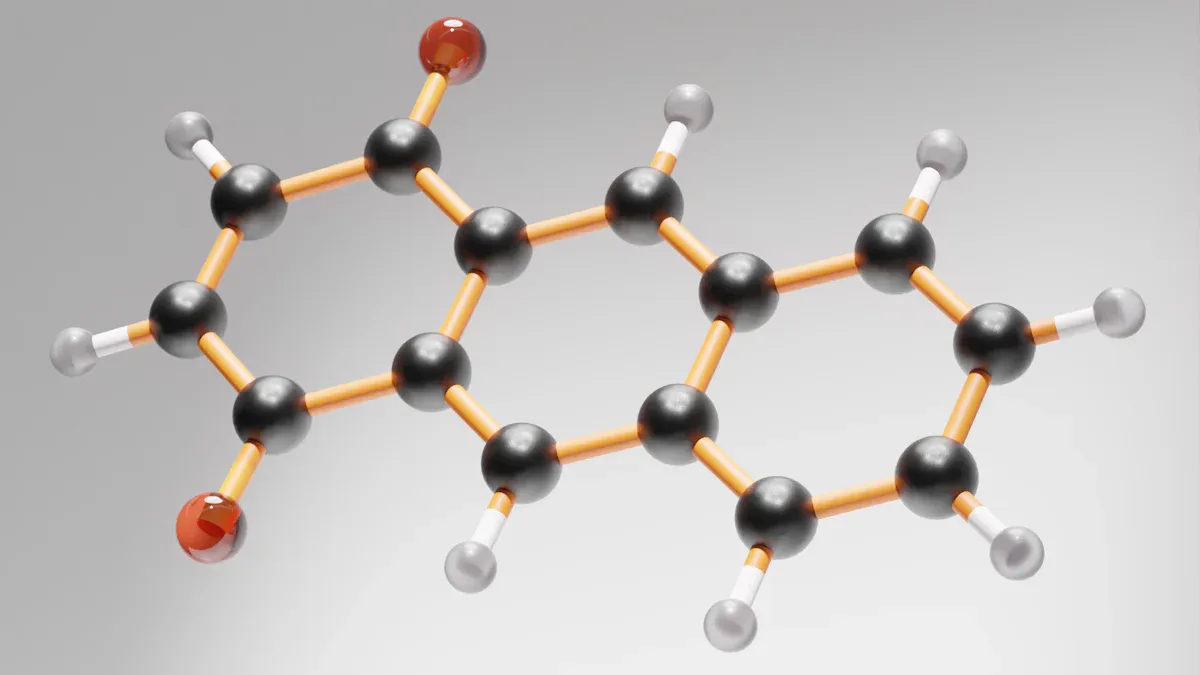
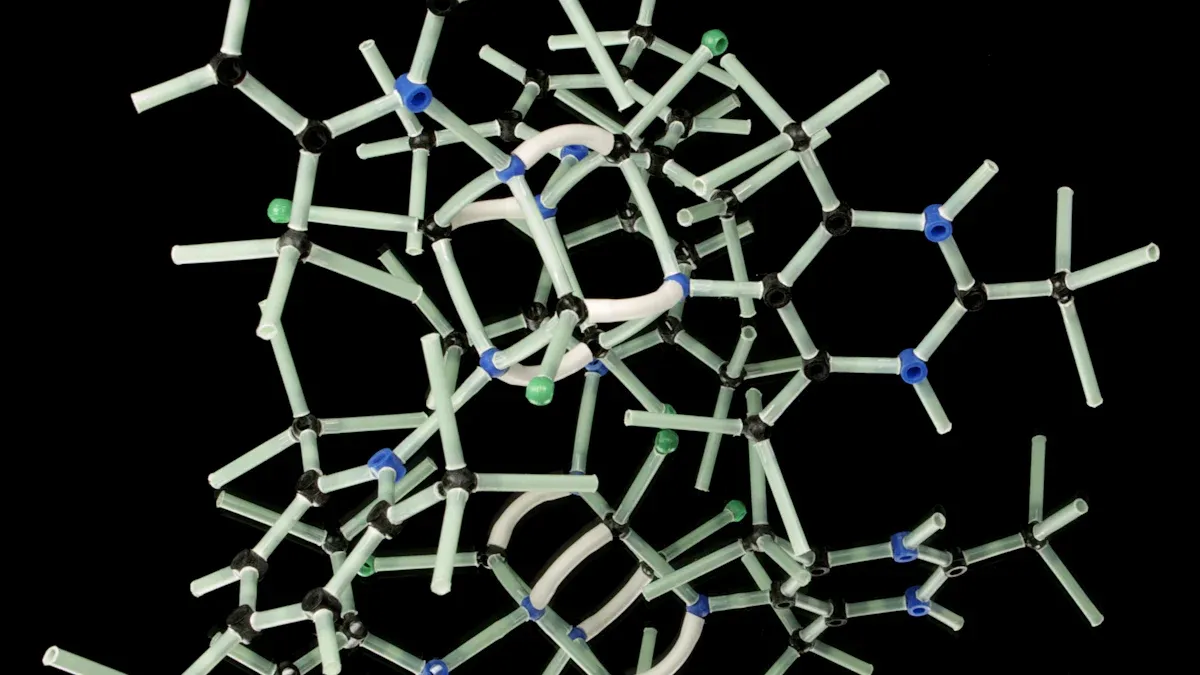
You can find out about fumaric acid by looking at its chemical structure. Fumaric acid has the formula C4H4O4. This means it has four carbon, four hydrogen, and four oxygen atoms. The way it is built helps it work well in food. Fumaric acid is part of a group called acidulants. These are chemicals that make foods taste sour. You can look at the table below to compare fumaric acid with other acidulants:
Acidulant | Chemical Formula | pKa1 | pKa2 |
|---|---|---|---|
Fumaric Acid (E297) | C4H4O4 | 3.03 | 4.44 |
Citric Acid (E330) | C6H8O7 | 3.13 | 4.76 |
Malic Acid (E296) | C4H6O5 | 3.40 | 5.10 |
This table shows that fumaric acid is very acidic. It helps foods taste sharp and fresh.
Natural Occurrence
You might ask where fumaric acid comes from. Fumaric acid is found in some plants and fungi. You can find fumaric in:
Fumitory (Fumaria officinalis)
Bolete mushrooms (Boletus fomentarius var. pseudo-igniarius)
Lichen
Iceland moss
These examples show that fumaric acid is not only made in factories. Nature also makes fumaric in small amounts.
Stability and Compatibility
Fumaric acid is special because it stays stable when heated or in light. You can use it in baked goods and snacks that need to last. Other acids may break down when you cook or store food, but fumaric acid keeps working. This makes e297 a good pick for many foods.
Tip: Fumaric acid works best if you keep it away from strong chemicals. Do not mix it with oxidizers or alkaline materials. The table below shows things that do not mix well with fumaric acid:
Incompatibility Type | Description |
|---|---|
Oxidizers | Incompatible with chlorates, nitrates, peroxides, permanganates, perchlorates, chlorine, bromine, fluorine, etc.; contact may cause fires or explosions. |
Alkaline Materials | Keep away from alkaline materials, strong bases, strong acids, oxoacids, epoxides, sulfuric acid, caustics, ammonia, amines, isocyanates, alkylene oxides, epichlorohydrin. |
Decomposition | Decomposes above 350℃ forming toxic fumes of maleic anhydride. |
You can see that fumaric acid is safe in foods if you use it the right way. Its stability and compatibility make it a good ingredient.
Fumaric Acid Functions
Fumaric acid has many important jobs in your food. It helps control how sour food tastes. It also keeps food fresh and safe to eat. Let’s see how these jobs work in foods you like.
Acidity Regulation
Fumaric acid is used to control how sour food is. It helps set the pH level in foods. This makes sure food tastes good and is safe. Fumaric acid gives a stronger sour taste than citric acid or malic acid. You need less fumaric acid to make food taste sour. This makes it very useful.
Fumaric acid tastes more sour than citric and malic acids.
It is about 1.5 times stronger than citric acid, so you use less.
Fumaric acid does not soak up water, so powders last longer.
Citric acid gives a quick sour taste, but malic acid is smoother and lasts longer.
When you use fumaric acid, it helps keep food at the right pH. This stops food from going bad and keeps the taste sharp. You find this in powdered drinks, candies, and baked snacks. Fumaric acid also helps food feel better and keeps it safe from bad germs.
Flavor Enhancement
Fumaric acid is used to make food taste better. You can taste it in bread, biscuits, and cakes. It makes food taste sour for a longer time. This slow sourness makes food taste balanced and nice. It also helps food feel better in your mouth.
Feature | Description |
|---|---|
Acid Release | Slow release makes food taste better |
Application |
Fumaric acid helps foods taste sharp and sour for longer. You notice this in sour candies and tangy snacks. It works with other ingredients because it is stable. This means you get the same taste every time.
Preservation Role
Fumaric acid helps food last longer. It stops germs from growing by making the pH lower inside them. This keeps food safe and fresh.
Fumaric acid (E297) can stop bad germs from growing. It does this by lowering the pH inside the germs. This makes their enzymes and parts not work right. This helps keep food safe from harmful bacteria, like H2S producers.
You get to eat food that stays fresh longer. Fumaric acid also acts as an antioxidant. This means it stops food from going bad because of air. You find this in baked goods, drinks, and snacks.
Fumaric acid is a preservative that helps food last longer by stopping germs.
It is also an antioxidant, which keeps food from going bad.
You find it in many foods, like baked goods and drinks.
Note: The main jobs of fumaric acid are to control sourness, boost flavor, and keep food fresh. Its stability and pH control make it very useful in food.
E297 Applications

Food Products
Fumaric acid is in many foods you eat. It helps food taste better and last longer. You find it in drinks, baked goods, and candy. Sour candies taste strong because of fumaric acid. Bread and cakes stay fresh for more days. Powdered mixes do not stick together because of it. Fumaric acid keeps powders dry. It also helps cheese and yogurt taste good by balancing acidity.
Here is a table that shows where fumaric acid is used in food:
Food Category | Description |
|---|---|
Beverages | Fruit juices and soft drinks taste tart because of it. |
Baked Goods | It makes dough stronger and keeps bread and cakes fresh. |
Confectionery | Sour candies and gummies have strong flavor and better texture. |
Processed Foods | Sauces and jams taste better and last longer. |
Dry Mixes and Powders | Seasoning powders and instant drinks stay dry and do not clump. |
Dairy Products | Cheese and yogurt taste better and feel smoother. |
Cured Meats | It helps keep processed meats fresh and at the right pH. |
You can see that fumaric acid is used in many types of food. It is an important ingredient in these products.
Pharmaceutical Uses
Fumaric acid is also used in medicine. It helps treat skin and nerve problems. Doctors use fumaric acid esters for psoriasis. Dimethyl fumarate is used for multiple sclerosis. Iron fumarate helps people who need more iron. Some antifungal creams use fumaric acid to fight skin infections.
Here is a table that shows how fumaric acid is used in medicine:
Application | Purpose |
|---|---|
Treatment of Psoriasis | Fumaric acid esters help with symptoms. |
Antifungal Treatments | Fumarate derivatives treat skin infections. |
Nutritional Supplements | Iron fumarate helps with iron-deficiency anemia. |
Multiple Sclerosis Treatments | Dimethyl fumarate treats some forms of MS. |
These uses help many people stay healthy.
Industrial Uses
Fumaric acid is used in factories too. It helps make resins, adhesives, and animal feed. Fumaric acid is used to make paints and plastics. Unsaturated polyester resins use it for strength and heat resistance. Animal feed uses fumaric acid to help animals grow and digest food better. Adhesives use fumaric acid to stick things together well.
Here is a table that shows how fumaric acid is used in industry:
Application Type | Description |
|---|---|
Resins | It helps make coatings, paints, and plastics. |
Unsaturated Polyester Resins | Used for chemical and heat resistance. |
Animal Feed Additive | Helps animals digest food and grow. |
Adhesives | Fumaric acid makes adhesives strong. |
Fumaric acid is useful in many ways outside of food and medicine. These uses show why fumaric acid is important in everyday life.
Tip: Look at product labels to see if fumaric acid or e297 is listed. This helps you know where it is used in food and other things.
Safety and Dietary Suitability
Regulatory Status
You might wonder if fumaric acid is safe to eat. Food safety groups in many countries check additives like fumaric acid before they are used. In Europe, you see fumaric acid called e297. Both the United States and the European Union say fumaric acid is generally recognized as safe. This means experts think it will not hurt you when used in food.
Here is a table that shows the limits for fumaric acid in food:
Region | Maximum Limit |
|---|---|
European Union | 4000 mg/L |
United States | No specific limit |
The European Union has a clear limit for e297. The United States does not have a set limit, but companies must follow safety rules. You can trust that foods with fumaric acid meet strict safety standards.
Health Effects
You may wonder if fumaric acid can cause health problems. Scientists have studied fumaric acid for a long time. They found that fumaric acid does not hurt you when you eat normal amounts in food. Experts call it generally recognized as safe. This label is given to food additives that pass safety checks.
Since Fumaric Acid is known to be safe, there is no set limit on how much you can eat. Still, it is best to ask a doctor before using a lot of Fumaric Acid for a long time.
Fumaric acid helps keep food fresh and safe. It is also used in medicine for psoriasis. Doctors use fumaric acid esters to help people with psoriasis. Dimethyl fumarate is used for psoriasis and multiple sclerosis. You also find fumaric acid in iron pills. Most people do not have problems with fumaric acid in food. If you worry about your health, talk to your doctor.
Dietary Compatibility
You may want to know if fumaric acid fits your diet. Fumaric acid comes from both natural and man-made sources. You find natural fumaric acid in fruits, vegetables, and fungi. Companies also make fumaric acid by changing maleic acid or by fermenting glucose with fungi.
Here is a table that shows where fumaric acid comes from:
Source Type | Examples/Details |
|---|---|
Natural Sources | Fruits (like apples, grapes, berries), vegetables (like tomatoes, carrots), fungi (like Rhizopus), human metabolism (Krebs cycle) |
Synthetic Sources | Changing maleic acid, fermenting glucose with fungi like Rhizopus oryzae |
You can eat foods with fumaric acid if you are vegan, halal, kosher, or gluten-free. Fumaric acid does not come from animals. You see it in many foods for special diets. You can check food labels to make sure foods fit your needs.
Tip: Fumaric acid is safe for most people. You can eat foods with e297 if you have special dietary needs.
You have learned that fumaric acid E297 keeps food fresh and safe. It also makes food taste good. You find it in many foods because it controls sourness. It helps food taste better and stops germs from growing. Food companies use it in dry mixes since it does not soak up water. Look at the table below to see how fumaric acid compares to other acids:
Feature | Other Acidulants | |
|---|---|---|
Hygroscopicity | Non-hygroscopic | Hygroscopic |
pH Stabilization | Yes | Varies |
Antimicrobial Properties | Yes | Varies |
Groups like the FDA and EFSA say fumaric acid is safe in food.
Always check food labels to know what is in your food.
Eating more whole foods helps you avoid extra additives.
Fumaric acid E297 follows strict safety rules. You can trust it in your food.
FAQ
What foods contain fumaric acid E297?
You find fumaric acid E297 in sour candies, fruit drinks, baked goods, and dry mixes. It helps these foods taste tart and stay fresh. You can check the ingredient list for “fumaric acid” or “E297”.
Is fumaric acid E297 safe for you to eat?
You can eat foods with fumaric acid E297. Food safety groups like the FDA and EFSA say it is safe when used in normal amounts. You do not need to worry about harmful effects.
Does fumaric acid E297 fit a vegan or gluten-free diet?
You can eat fumaric acid E297 if you follow a vegan, halal, kosher, or gluten-free diet. It does not come from animals or gluten grains. You see it in many foods for special diets.
Why do companies use fumaric acid instead of other acids?
You see companies use fumaric acid because it gives a strong sour taste and keeps food dry. It works well in powders and baked goods. It also helps food last longer.
Can you taste fumaric acid in food?
You notice a sharp, sour flavor in foods with fumaric acid. It makes candies and drinks taste tangy. The sourness lasts longer than other acids.