You might ask if Calcium Propionate (E282) is safe to eat. Scientists learned that even a little, like 1 gram, can change blood sugar and raise some hormones. These changes mean Calcium Propionate could affect how your body uses food.
If you want to choose food wisely, knowing these facts can help you pick what is good for your health.
Key Takeaways
Calcium Propionate (E282) is safe to eat in normal amounts. Food safety groups like the FDA and EFSA say it is okay. This ingredient helps keep baked goods fresh. It stops mold and bacteria from growing. That is why it is common in bread and pastries. Most people do not have side effects from Calcium Propionate. Some people may get a mild stomach ache if they eat too much. Calcium Propionate is good for vegans and vegetarians. It is made from minerals and acids, not animal products. Always check food labels for ‘E282’ or ‘Calcium Propionate’. This helps you make smart choices about your diet.
Calcium Propionate Safety
Safety Overview
You might wonder if Calcium Propionate is safe to eat. Most experts say it is safe if you do not eat too much. Scientists have checked Calcium Propionate for a long time. They found it does not hurt you when you eat normal amounts in food.
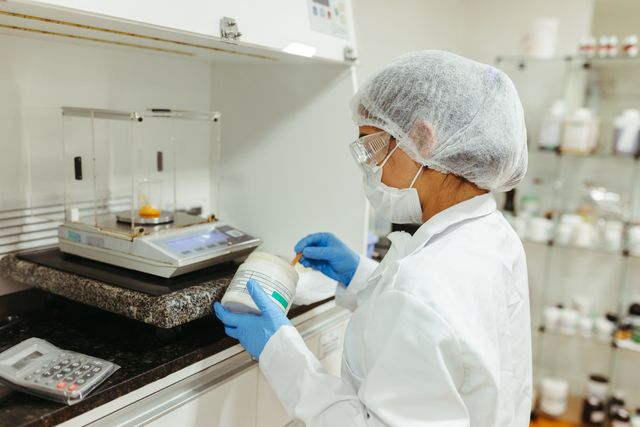
You can trust this ingredient because top food safety groups have checked it. They read many studies and made choices using strong science.
Here is what top groups say about Calcium Propionate:
The U.S. Food and Drug Administration (FDA) calls Calcium Propionate “generally recognized as safe” (GRAS).
These groups used lots of research and found no big health risks if you eat the right amount.
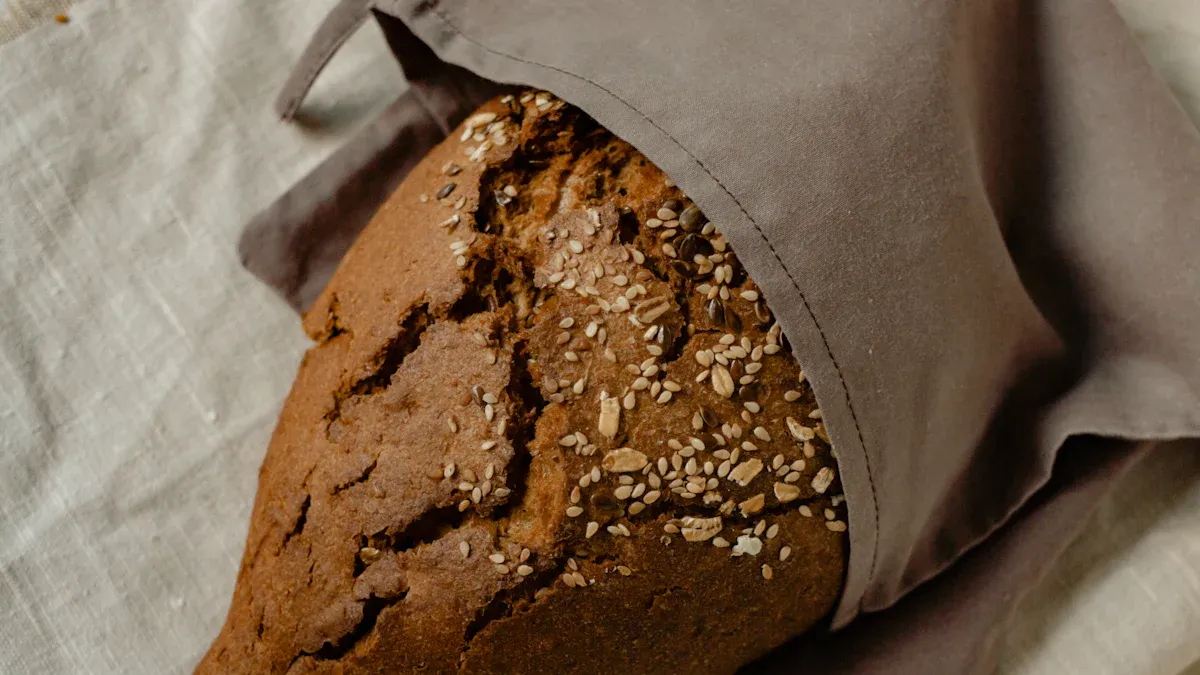
You will see Calcium Propionate in many baked foods like bread and cakes. It keeps these foods fresh by stopping mold. Most people do not feel any side effects when eating foods with this ingredient.
Regulatory Status
Food safety groups around the world made rules for using Calcium Propionate. These rules help keep you safe. Both the FDA and EFSA say this food additive is okay. They let food makers use it, but only up to certain amounts.
You might also see other preservatives in food, like Sodium Propionate. The table below shows how Calcium Propionate and Sodium Propionate are different in safety and how well they work:
Property/Application | Sodium Propionate (E281) | Calcium Propionate (E282) |
|---|---|---|
Chemical Composition | Sodium salt of propionic acid (C₃H₅NaO₂) | Calcium salt of propionic acid (C₆H₁₀CaO₄) |
Solubility | High solubility in water | Less soluble in water |
Suitable for | Chemically leavened baked goods, dairy products, processed meats | Yeast-leavened baked goods, health-focused baked goods |
Functionality in Preservation | Rapid integration in food matrices | Slower release, effective in longer storage times |
Safety Status | Recognized as safe (GRAS) by FDA and EFSA | Recognized as safe (GRAS) by FDA and EFSA |
Both preservatives are seen as safe. Food makers pick Calcium Propionate for some baked foods because it works well with yeast and keeps bread fresh longer.
What Is Calcium Propionate?
Chemical Properties
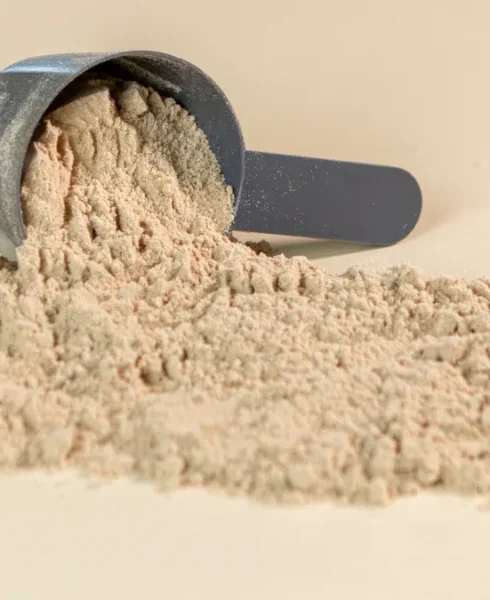
You may see Calcium Propionate listed as E282 on food labels. This compound is a white, odorless powder. It does not taste strong, so it will not change the flavor of your food. You can dissolve it in water, but it does not mix as quickly as some other preservatives. The chemical formula is C6H10CaO4. This means it contains calcium, carbon, hydrogen, and oxygen.
Tip: You can remember that Calcium Propionate is a type of salt made from calcium and propionic acid.
How Made
Manufacturers make Calcium Propionate by mixing calcium hydroxide with propionic acid. This process creates a safe food additive. You will not find it in nature in large amounts, so people make it in factories for food use. The steps look like this:
Mix propionic acid with calcium hydroxide.
Let the reaction form Calcium Propionate.
Dry and grind the product into a fine powder.
This method gives you a pure and stable ingredient for food.
How It Works
You might wonder how this ingredient keeps food fresh. Calcium Propionate stops mold and some bacteria from growing. It works best in baked goods like bread, where it helps prevent spoilage. When you add it to dough, it spreads through the food and protects it during storage.
Benefit | How It Helps You |
|---|---|
Stops mold | Keeps bread fresh longer |
Safe to eat | Used in small amounts |
No strong taste | Does not change flavor |
Note: You can find this additive in many foods because it works well and does not affect taste.
Food Uses
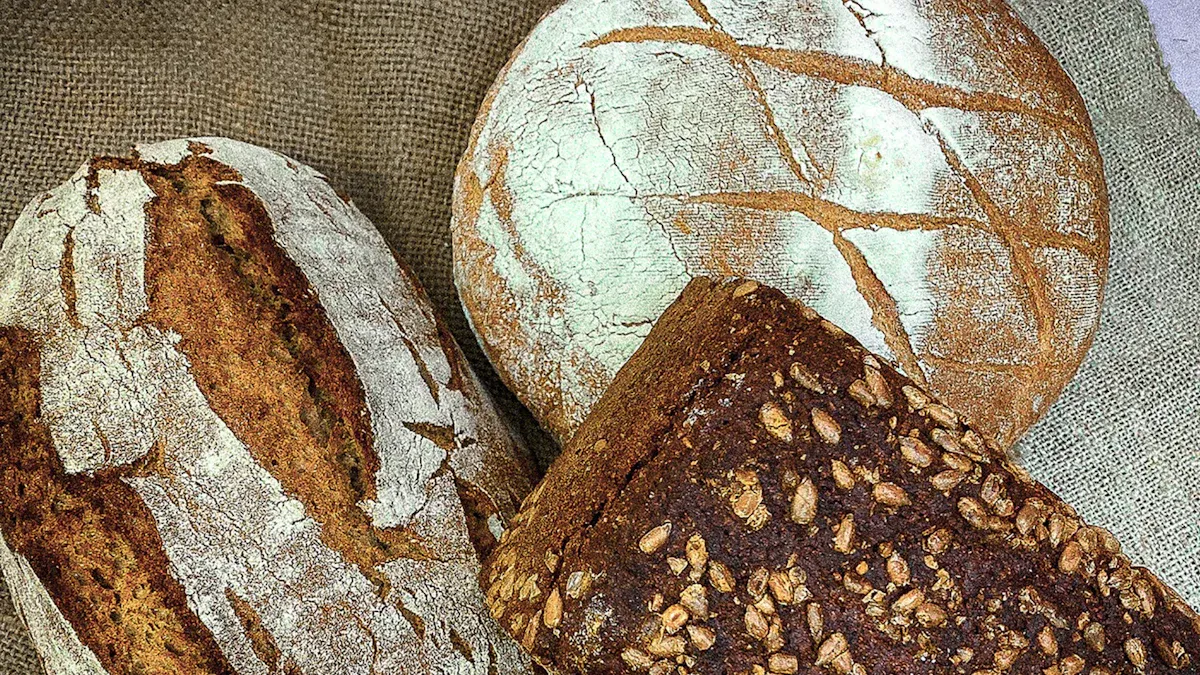
Where Found
You will often see Calcium Propionate in foods you eat every day. Bakeries use it to keep bread and rolls fresh. You can also find it in tortillas, pizza dough, and pastries. This ingredient helps stop mold from growing, so your food stays safe longer.
Here are some common foods where you might find this additive:
Sliced bread and buns
Tortillas and pita bread
Cakes and sweet rolls
Pizza bases
Some processed cheeses
Tip: If you want to know if your food contains this ingredient, check the label for “E282” or “Calcium Propionate.”
Other Applications
You may notice that this ingredient does more than keep bread fresh. Food makers use it in other products to help prevent spoilage. Sometimes, you will see it in dried fruits or processed meats. It can also help keep animal feed safe from mold.
Here is a table to show you where else you might find it:
Product Type | Purpose |
|---|---|
Dried fruits | Stops mold and bacteria |
Processed meats | Extends shelf life |
Animal feed | Keeps feed fresh for animals |
You can see that Calcium Propionate works in many foods and even in products for animals. This makes it a useful tool for keeping food safe and fresh.
Side Effects
Health Risks
You may wonder if eating foods with preservatives can cause problems. Most people do not have side effects from Calcium Propionate. Some people may feel mild stomach upset, like gas or bloating, if they eat a lot. These effects do not happen often. You should know that scientists have not found strong proof that this ingredient causes serious health problems in healthy people.
Note: If you have a sensitive stomach, you might want to watch how your body reacts to foods with this additive.
Children and Sensitivities
Some parents worry about how food additives affect children. A few studies suggest that some children may feel more restless or show mild behavior changes after eating foods with certain preservatives. These effects do not happen to every child. Most children eat foods with Calcium Propionate and do not have any problems. If you notice changes in your child after eating foods with this ingredient, you can talk to your doctor.
Here is a quick list of signs to watch for in sensitive children:
Stomach pain
Headache
Trouble focusing
Feeling more active than usual
Recommended Intake
Food safety groups set limits to keep you safe. You do not need to measure how much you eat each day because normal foods do not have high amounts. If you eat a balanced diet, you will not go over the safe level. People with allergies or special health needs should check food labels and ask a doctor if they have concerns.
Group | Advice |
|---|---|
Healthy adults | Safe in normal food amounts |
Children | Safe, but watch for sensitivities |
Sensitive groups | Ask a doctor if unsure |
Tip: You can keep your diet safe by eating a variety of foods and reading labels.
Dietary Suitability
Vegan and Vegetarian
You might wonder if calcium propionate is okay for vegans or vegetarians. Most companies make calcium propionate from minerals and acids, not animals. So, people who do not eat animal products can have foods with this additive.
Tip: Always read the label. Some foods may have animal ingredients in other parts of the recipe.
Here is a simple chart:
Diet Type | Is Calcium Propionate Suitable? |
|---|---|
Vegan | ✅ Yes |
Vegetarian | ✅ Yes |
If you avoid animal foods, you can pick items with E282.
Allergies
Some people worry about allergies. Calcium propionate does not have nuts, soy, or gluten. Most people do not have problems with this additive. If you are sensitive to propionic acid or its salts, you should not eat foods with E282.
Look for “calcium propionate” or “E282” on food labels.
If you have allergies, ask your doctor before trying new foods.
Note: Most people with allergies can eat foods with calcium propionate without trouble.
Special Groups
Some people need to be extra careful with what they eat. If you are pregnant, breastfeeding, or have health issues, you may ask if calcium propionate is safe. Experts say it is safe for most people, even kids and older adults, when eaten in normal amounts.
Pregnant and breastfeeding women can eat foods with E282.
People with kidney problems should talk to their doctor, as they may need to watch their calcium.
Kids and seniors can eat foods with calcium propionate, but check for sensitivities.
If you have special health needs, always talk to your doctor before changing your diet.
You now know that Calcium Propionate helps keep your food fresh and safe. Food experts around the world say you can eat it in normal amounts without worry. You will find it in many baked goods and other foods. If you have special health needs, talk to your doctor before making changes. You can feel confident that this ingredient is safe for most people.
FAQ
Is calcium propionate natural or artificial?
You find calcium propionate in some foods naturally, like Swiss cheese. Most of the time, food makers use a version made in factories. This helps keep food fresh and safe for you to eat.
Does calcium propionate change the taste of food?
You will not notice a strong taste from calcium propionate. It does not add flavor or smell to your food. Bakers use it because it keeps bread fresh without changing how it tastes.
Can you eat calcium propionate every day?
You can eat foods with calcium propionate every day if you stay within normal amounts. Food safety groups say it is safe for daily use. If you have special health needs, ask your doctor.
Is calcium propionate safe for children?
Most children can eat foods with calcium propionate safely. Some children may feel mild stomach upset or act more active. If you notice changes, talk to your doctor for advice.
How do you know if a food contains calcium propionate?
Look for “calcium propionate” or “E282” on the ingredient list.
You can also check for it in foods like bread, cakes, and tortillas. Reading labels helps you make smart choices.