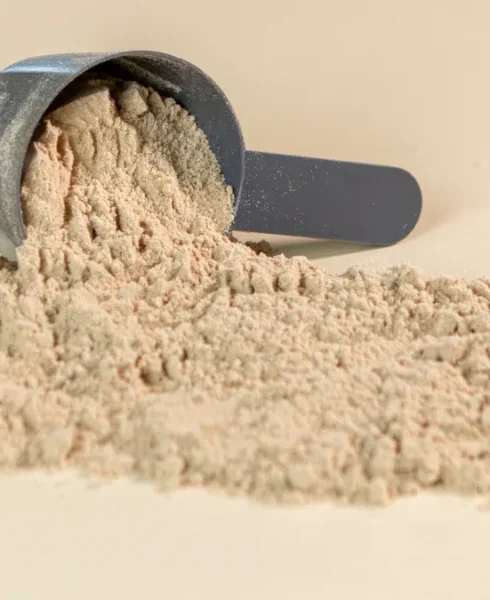

You can find lactisole in roasted Colombian coffee beans. This compound, known as 2-(4-methoxyphenoxy)-propionic acid, acts as a powerful sweetness inhibitor. When you eat foods that contain lactisole, your sense of taste does not pick up as much sweetness. Food makers use lactisole as a flavoring agent. The FDA lists it as GRAS, which means it is safe for you to eat in foods.
Key Takeaways
Lactisole is a safe compound found in roasted coffee beans. It blocks sweetness by working on the sweet taste receptor on your tongue.
It attaches to the T1R3 part of the sweet receptor. This stops signals that tell your brain about sweetness. It does not change how you taste other things.
Food makers use lactisole to make foods less sweet. They use it in jams, drinks, and candies. This helps other flavors stand out without lowering the sugar.
Lactisole works well in humans and some primates only. This is because their sweet taste receptors are different from animals like mice.
Groups like the FDA say lactisole is safe to use in foods. This makes it a trusted way to control sweetness in many products.
Lactisole Overview
Chemical Nature
Lactisole is a special compound with a long chemical name. It is called 2-(4-methoxyphenoxy) propionic acid. You can see it as a white or pale cream solid. This form is the sodium salt, so it mixes well with water and propylene glycol. Lactisole has a chiral structure. That means it has two forms that look like mirror images. The S enantiomer blocks sweetness the best. Most products use both forms mixed together.
Here is a table that lists some key facts about lactisole:
Property | Description |
|---|---|
Chemical Structure | Sodium salt of 2-(4-methoxyphenoxy)propionic acid; a double ether of hydroquinone |
Chirality | Chiral molecule with S enantiomer primarily responsible for sweetness inhibition; commercial form is racemic mixture |
Molecular Formula | C10H11O4Na |
Molar Mass | 218.188 g/mol |
Physical Appearance | White to pale cream crystalline solid |
Melting Point | 190 °C |
Solubility | Soluble in water and propylene glycol; slightly soluble in fat; miscible in ethanol at room temperature |
Mechanism of Action | Binds to a specific pocket in the transmembrane domain of human sweet taste receptor T1R3, enabling suppression of sweet taste perception |
Functional Effect | At 100–150 ppm, significantly reduces perception of sweetness from sugars and artificial sweeteners |
Lactisole has a similar chemical base as some other compounds. These include phenoxy-herbicides and fibrates. This shared structure links it to other sweetness blockers. But only lactisole works this way in foods.
Sweetness Inhibitory Property
Lactisole is known for blocking sweetness in your mouth. When you eat something sweet, your T1R3 receptor sends signals to your brain. Lactisole attaches to a special spot on this receptor. This stops the receptor from working, so you taste less sweetness.
You only need a little lactisole to notice its effect. Studies show that even 0.5 to 1 mM can make things taste less sweet. This means you can use lactisole in foods without changing other flavors. At 100–150 ppm, it lowers sweetness from both sugars and artificial sweeteners.
Lactisole works best in humans and some primates. It does not work in rodents because their sweet taste receptor is different.
Lactisole can block the sweetness of many things, like D-glucose and heavy water (D2O).
In lab tests, lactisole stops the sweet taste receptor from sending signals. This proves it is strong at blocking sweetness.
Tip: If you want to make food less sweet without adding bad flavors, lactisole can help. Its special way of working makes it useful for food scientists.
Lactisole is different from other sweetness blockers. It acts right on the sweet taste receptor. This makes it work well and only on sweetness. You can use lactisole to control sweetness in many foods. It helps balance flavors without hiding them.
Sweet Taste Receptor Mechanism

Blocking T1R3 Subunit
You taste sweetness when special molecules touch your sweet taste receptor. This receptor is called T1R2/T1R3 and sits on your tongue. Lactisole targets a certain part called the T1R3 subunit. When you eat food with lactisole, it sticks to a pocket in T1R3’s transmembrane area. This stops the sweet receptor from sending signals to your brain. You end up tasting less sweetness.
Scientists have looked closely at how lactisole blocks sweetness. They did many experiments to see how lactisole connects to T1R3:
Heterologous expression studies found that only the human T1R3 subunit reacts to lactisole, not the mouse one.
Mouse and human chimeric receptor tests showed that just a few amino acids in the transmembrane region make the difference.
Alanine substitution mutagenesis found four important spots in the transmembrane area needed for lactisole to work.
Structural modeling guessed that lactisole fits into a pocket made by these key spots.
These results show why lactisole is so good at blocking sweetness. The way it works is very exact. You only need a little bit of lactisole to change how you taste sweet things. This makes it helpful for food scientists who want to control flavor.
Note: Lactisole’s way of blocking sweetness does not change salty, sour, or bitter tastes. It only changes how you taste sweetness.
Human Specificity
Lactisole works mainly in humans and some primates. It does not block sweetness in rodents like mice or rats. This is because the sweet taste receptor is built differently in each species. The human taste type 1 receptor has special amino acids that let lactisole stick well. Rodents have different amino acids, so lactisole cannot attach as easily.
Researchers used different ways to prove this:
Functional tests in HEK293T cells showed that the human sweet taste receptor is sensitive to lactisole, but the rat one is not.
The rat receptor reacts less to sweeteners like saccharin, showing more differences.
Mutational analysis found two amino acids—valine 738 and lysine 735—in the fifth transmembrane area of the rat receptor. These make the rat receptor less sensitive to lactisole.
When scientists swapped these rat amino acids for the human ones, the rat receptor became sensitive to lactisole.
Chimeric receptor tests proved that only human and primate receptors are fully blocked by lactisole.
You can see these differences in the table below:
Evidence Type | Description | Support for Species Specificity of Lactisole |
|---|---|---|
Mutational Evidence | Valine 738 and lysine 735 in rat TAS1R3 identified as critical residues mediating insensitivity to lactisole. | These substitutions in the fifth transmembrane domain reduce lactisole binding and explain why rodents are less sensitive. |
Show lactisole binds strongly to human TAS1R3 TMD but weakly to mouse TAS1R3 TMD. | Explains why lactisole inhibits human sweet taste receptors at low concentrations but only weakly inhibits mouse receptors at high concentrations. | |
Functional Assays | HEK293 cells expressing mouse sweet taste receptors show only partial inhibition by lactisole at high concentrations, whereas human receptors are fully inhibited at low concentrations. | Confirms the computational predictions and residue importance in species-specific lactisole sensitivity. |
Docking Studies | Reveal the allosteric modulator binding pocket in the TAS1R3 TMD differs between species due to residue composition. | Structural basis for altered ligand binding and receptor activation/inactivation dynamics underlying species specificity. |
The reason lactisole works only in humans comes from these small but important changes in the sweet taste receptor. If you use lactisole in food, it will work for people but not for pets or lab animals. This special feature helps scientists learn how taste works in humans and why some compounds only change our sense of sweetness.
Uses in Food

Sweetness Modifier
Lactisole is used in foods to control sweetness. It helps balance flavors in foods with lots of sugar. When you add lactisole to jams or jellies, it makes them taste less sweet. This lets the real fruit flavors come out more. The sugar amount stays the same, but your taste buds sense less sweetness.
Lactisole blocks the sweet taste receptor called T1R3. This makes it helpful for food makers who want to change how their products taste. It can help other flavors, like tart or bitter, stand out. This is good for foods where too much sweetness is not wanted or when you want to taste other ingredients.
Tip: Lactisole can hide the taste of artificial sweeteners. It also helps balance strong sugary flavors. This makes it a useful tool for food makers.
Common Applications
Lactisole is found in many processed foods. Its main job is to lower sweetness and make foods taste better. Here are some foods that use lactisole:
Jellies and jams
Preserved fruits
Soft drinks
Fruit juices
Candy
Chocolate
Cake
Candy
Beverages
Food makers mix lactisole with powders or liquids so it spreads well. They usually use about 80 parts per million in foods. You might notice these foods taste less sweet, but the flavors seem more balanced and real.
Lactisole does not change the nutrition in your food. It only changes how sweet things taste. Studies show that if you eat foods with lactisole and sugar, you may feel less full and might eat more later. This is because lactisole changes how your body senses sweetness, not because it changes the food’s nutrients.
Safety and Regulation
Consumption Limits
You might wonder how much lactisole you can safely eat. Food experts have studied this compound to make sure it does not harm you. Most foods use only a small amount, usually less than 150 parts per million (ppm). This level blocks sweetness but does not change other flavors. Scientists have tested higher amounts in studies, but you will not find those levels in regular foods.
If you eat foods with lactisole, you do not need to worry about your health. The body breaks it down and removes it quickly. You will not build up this compound in your system. Some people may notice a change in how they taste sweet foods, but there are no reports of serious side effects.
Note: Always check food labels if you have allergies or special dietary needs. Most people can enjoy foods with lactisole without any problems.
Regulatory Approval
Food safety groups around the world have looked at lactisole. The U.S. Food and Drug Administration (FDA) lists it as “Generally Recognized As Safe” (GRAS). This means you can eat it in foods without worry. The European Food Safety Authority (EFSA) also allows its use in many products.
Here is a quick look at how different places approve lactisole:
Region | Approval Status | Typical Use Level |
|---|---|---|
USA | GRAS | Up to 150 ppm |
Europe | Approved | Up to 150 ppm |
Australia | Approved | Up to 150 ppm |
You will see lactisole in foods like jams, jellies, and drinks. Food makers use it to control sweetness and improve taste. If you follow normal eating habits, you will stay well within safe limits.
Comparison to Other Sweetness Inhibitors
Unique Features
Lactisole is different from other sweetness blockers for a few reasons. It stops the T1R3 part of your sweet taste receptor from working. This makes you taste less sweetness from both sugar and artificial sweeteners. You only need a little bit, about 100 to 150 parts per million, to notice the change in food. Lactisole does not change how you taste bitter, sour, or salty things. It only lowers sweetness.
Food makers use lactisole in many products because it is safe. The FDA and EFSA say it is okay to use in foods. Other sweetness blockers do not have this approval. Lactisole can even make water taste sweet after you eat it, which is rare for other blockers.
Here is a table that shows how lactisole is different from other sweetness blockers:
Feature | Lactisole | Other Sweetness Inhibitors |
|---|---|---|
Binding Site on Sweet Taste Receptor | Binds to T1R3 transmembrane domain | Often bind to other parts or less defined sites |
Sweetness Suppression Spectrum | Broad (sugars, proteins, artificial sweeteners) | Varies, often less broad |
Sensory Effect | Does not affect bitterness, sourness, or saltiness | May affect other tastes |
Regulatory Status | Approved and widely used | Rarely approved or used |
Effectiveness | Less potent than gymnemic acid, but effective at food-safe levels | Potency varies |
Note: Lactisole is special because it works well and is safe. That is why it is the best choice for lowering sweetness in foods you eat every day.
Alternatives
You might wonder if there are other ways to block sweetness. Some natural blockers come from plants, but they are not used much in foods. They are also not approved like lactisole.
Gymnemic acid comes from the Gymnema sylvestre plant. It is stronger than lactisole and blocks sweetness well, but you will not find it in most foods.
Ziziphin comes from the Chinese jujube plant. It can lower sweetness too, but it is not allowed in foods.
Hodulcin is another plant blocker, but it is very rare and not used in foods.
These plant blockers can stop sweetness, but only lactisole is trusted and approved for food. If you want to change sweetness in recipes or products, lactisole is still the best choice.
Lactisole is found in roasted coffee beans. It stops you from tasting sweetness by working on taste receptors on your tongue. Scientists use lactisole to help balance how sweet foods taste. This makes other flavors stand out more. You can find lactisole in things like jams and drinks. Food experts trust lactisole because it is safe. Big food safety groups say it is okay to use.
Food makers use lactisole to lower sweetness but keep sugar’s other jobs.
Lactisole helps make foods taste less sweet but keeps their real flavor.
FAQ
What foods contain lactisole?
You can find lactisole in jams, jellies, fruit preserves, soft drinks, and some candies. Food makers add it to balance sweetness and highlight other flavors.
Is lactisole safe for you to eat?
Yes, lactisole is safe for you. The FDA and EFSA both approve it for use in foods. You will not find any reports of serious side effects.
Can lactisole change the taste of all sweeteners?
Lactisole blocks the sweetness of many sugars and artificial sweeteners. You will notice less sweetness from sucrose, glucose, and even aspartame when lactisole is present.
Does lactisole affect other tastes like salty or sour?
No, lactisole only blocks sweetness. You will still taste salty, sour, and bitter flavors the same way as before.
Can you use lactisole at home?
You will not find lactisole in stores for home use. Food companies use it in factories. If you want to try it, you need to look for foods that list it as an ingredient.