
Many foods and cosmetics use sodium benzoate to keep them fresh. Some people want other choices because of health worries. Rules are changing, and more people want natural ingredients. Potassium sorbate, rosemary extract, nisin, natamycin, vinegar, and plant essential oils are natural options for food. Phenoxyethanol, caprylyl glycol, and ethylhexylglycerin are good choices for cosmetics. Sustainable alternatives use natural ingredients and help the planet. These choices help companies keep food safe and support sustainability.
Key Takeaways
-
Sodium benzoate can cause health problems like allergies and cancer. This makes people look for safer preservatives. – Natural options like potassium sorbate, rosemary extract, and essential oils help keep food fresh. These choices also match what people want for clean labels. – Cosmetic brands use preservatives like phenoxyethanol and caprylyl glycol. These are safe and work well without using parabens. – Using more than one preservative gives better protection. But companies must test them with other ingredients and follow the rules. – Picking green and natural preservatives is good for health and the planet. They can cost more and need careful mixing.
Why Replace Sodium Benzoate
Health and Safety
Many people worry about sodium benzoate in foods and cosmetics. Studies show it can cause health problems. The table below lists some main risks:
|
Health Concern |
Description |
Source/Type of Evidence |
|---|---|---|
|
Benzene formation |
It can turn into benzene, which causes cancer. This happens with vitamin C, heat, or light. |
FDA, EPA, scientific studies |
|
Inflammation |
It may start inflammation and could help cancer grow. |
Animal studies |
|
Oxidative stress |
It makes more free radicals that hurt cells. |
Test-tube studies |
|
ADHD |
It is linked to ADHD symptoms in kids and students. |
Human observational studies |
|
Appetite control |
It lowers leptin, which might change appetite. |
In vitro study |
|
Allergic reactions |
Some people get itchy, swollen, or have other symptoms. |
Clinical reports |
|
Side effects |
Some people feel sick, throw up, or have stomach pain. |
WHO report |
|
Carnitine depletion |
Large amounts can lower carnitine, which helps with energy. |
Clinical studies |
|
Regulatory safety |
FDA and WHO set limits, and most uses stay under these. |
Regulatory guidelines |
|
Long-term cancer risk |
There are no long-term studies on cancer risk from low benzene levels. |
Scientific reviews |
These facts make companies want safer choices for foods and cosmetics.
Regulations
Rules in the EU, US, and Asia let people use sodium benzoate in food. But they set strict limits. The FDA says sodium benzoate is safe and allows up to 0.1% in most foods. The EU and Asian countries have their own rules. All rules try to keep people safe. Some groups give extra advice to stop benzene from forming. This is important when sodium benzoate mixes with vitamin C. Companies must follow these rules and change for each market. They also deal with labeling and shipping problems. More people care about health and the planet. So, some companies look for new ways to be green and follow the rules.
Consumer Trends
People’s choices have changed a lot in ten years. Now, many want foods and cosmetics with natural preservatives. They do not want synthetic ones like sodium benzoate. This change comes from learning about health and the environment. People also want simple labels. About 65% of people like natural and organic cosmetics. Companies use more plant-based preservatives, even if they cost more or work differently. Stores and brands show off products that help the planet. The market for natural preservatives keeps growing in food and skincare. This shows people care about their health and the earth.
Food Preservation Alternatives
Potassium Sorbate
Potassium sorbate is a very common food preservative. People use it in bread, dairy, and drinks. It stops microbes by messing up their cell walls. Potassium sorbate works with sorbic acid and sorbate ions. It does not work well if the pH is above 7. This is because there is less acid to fight germs. Potassium sorbate is better at stopping molds and yeasts than bacteria. Some bacteria can survive or break down sorbates. Over time, potassium sorbate can change and cause problems. This might make food not last as long. If used right, it keeps food safe and fresh.
|
Mechanism Aspect |
Description |
|---|---|
|
Works best at low pH; undissociated acid enters microbial cells. |
|
|
Cellular Entry |
Acid molecules move through cell membranes and release protons inside cells. |
|
Cellular Effects |
Acidification stops respiration and growth; alters membrane and proteins. |
|
Enzyme Inhibition |
Blocks enzymes, especially those with sulphydryl groups. |
|
Energy Stress |
Causes microbes to use more energy, slowing growth. |
|
Microbial Spectrum |
More effective against molds and yeasts. |
|
DNA Interaction |
Binds to DNA, possibly helping kill microbes. |
|
Protein Binding |
Can change proteins, which matters for safety. |
|
Stability & Usage |
Depends on pH, amount, and type of microbe. |
Nisin and Natamycin
Nisin and natamycin are natural preservatives for dairy foods. Nisin fights bacteria like Listeria and Staphylococcus aureus. It helps keep cheese and yogurt safe. Nisin works best in sour foods. It does not work as well if the food is not sour or has lots of fat. New ways like encapsulation help nisin last longer. Natamycin protects cheese from molds and yeasts. Both help food last longer and stop spoilage.
|
Aspect |
Benefits of Nisin in Food Preservation |
Limitations of Nisin in Food Preservation |
|---|---|---|
|
Antimicrobial |
Loses strength at neutral pH and with fats or minerals. |
|
|
Application |
Controls foodborne germs in cheese and yogurt. |
Environmental factors can lower activity. |
|
Advanced Strategies |
Encapsulation and packaging boost stability and effectiveness. |
N/A |
|
Natamycin |
Protects cheese from molds and yeasts. |
N/A |
Rosemary Extract
Rosemary extract is a natural way to keep food fresh. It has things like α-pinene, 1,8-cineole, and borneol. These help fight germs and fungi. More rosemary extract means bigger areas where germs cannot grow. In yogurt, it lowers germs, yeast, and mold. It also makes food taste and feel better. Rosemary extract helps oils last longer. It keeps food safe and tasty. Too much can change taste, so food makers use just enough.
Tip: Rosemary extract helps food last longer and taste better.
Vinegar and Cultured Dextrose
Vinegar is a natural preservative from plants. It stops germs and fits clean-label needs. Vinegar keeps food fresh by stopping germs from growing. It also gives health benefits like antioxidants. Sodium benzoate is a man-made preservative that breaks down germ cell walls. Both keep food fresh, but vinegar is more natural. Cultured dextrose is made by fermenting sugars. It stops spoilage and works well in natural foods.
Plant Essential Oils
Plant essential oils are natural ways to keep food safe. They come from herbs like oregano, thyme, and clove. These oils break down germ cell walls and kill germs. Essential oils help meat and cheese last longer. They are safe and people like natural foods. But they can have strong smells and change food color. Sometimes, they react with other food parts. Food makers use encapsulation to protect the oils. Encapsulated oils work well in cheese and do not change taste.
-
Essential oils help food last longer and stay safe.
-
The FDA says they are generally safe (GRAS).
-
Encapsulation keeps their good effects without changing taste.
Zinc Benzoate
Zinc benzoate is a man-made food preservative. It mixes zinc with benzoic acid. It fights germs, molds, and yeasts. Zinc benzoate works best in sour foods like jams and fruit drinks. It helps keep food safe and fresh. Some people do not like it because it is not natural. It may not fit clean-label needs.
Citric Acid and Chestnut Flowers
Citric acid and chestnut flowers are natural food preservatives. Citric acid comes from citrus fruits. It lowers pH and stops germs from growing. It also stops food from turning brown. Chestnut flowers help stop germs and keep food fresh. Both add taste and color to food. They are safer than man-made preservatives and do not cause allergies. Sometimes, it is hard to get enough chestnut flowers. How well they work can change depending on where they come from.
|
Aspect |
Benefits |
Drawbacks |
|---|---|---|
|
Origin |
Natural preservatives from plants |
Harder to find and source than synthetic preservatives |
|
Preservation Action |
Stop microbes and browning |
Effectiveness can vary due to natural source differences |
|
Health & Safety |
Safer, fewer health risks |
N/A |
|
Additional Benefits |
Add nutrition, flavor, and color; help reduce food waste |
N/A |
|
Usage & Effectiveness |
Prevent spoilage and extend freshness |
N/A |
Food makers have many choices besides sodium benzoate. They pick based on food type, shelf life, and what people want. Natural options like rosemary extract, vinegar, and essential oils are popular. Man-made ones like potassium sorbate and zinc benzoate work well too. Each choice has good and bad points. Companies must choose the best way to keep food safe.
Cosmetic Preservation Alternatives
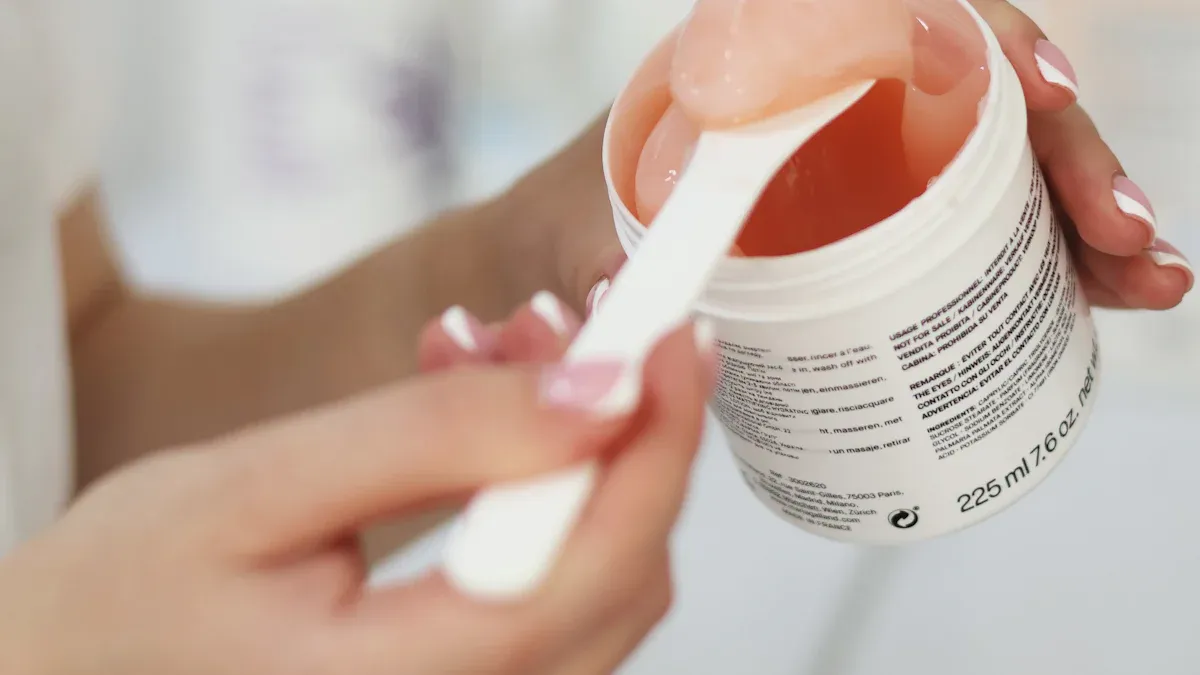
Cosmetic products must be protected from germs and going bad. Many brands want to use something other than sodium benzoate and parabens. These new choices help keep products safe. They also meet what people want, like paraben free and natural options. The next parts talk about the most common alternatives. They explain their good points and how they help keep cosmetics safe.
Phenoxyethanol
Phenoxyethanol is a very popular choice instead of parabens in cosmetics. It works well in creams, lotions, and makeup. Studies show phenoxyethanol is safe for all ages, even kids, if used up to 1%. It does not build up in the skin. It almost never causes skin problems. Bad effects only happen at much higher amounts than in cosmetics. Phenoxyethanol does not cause cancer or mess with hormones. Most people can use it without problems. That makes it a good choice for keeping cosmetics safe. Many brands use phenoxyethanol as a main part of their paraben free products.
Note: Phenoxyethanol protects against many germs and is gentle on skin. This makes it a top pick for alternative preservatives.
Caprylyl Glycol
Caprylyl glycol does more than one job. It helps stop germs and also makes skin feel soft. This ingredient fights bacteria, yeast, and molds. It works in both leave-on and rinse-off products. Caprylyl glycol is often mixed with other alternatives to make them work better. It can lower the need for more of other preservatives. The table below shows how caprylyl glycol and sodium benzoate compare:
|
Attribute |
Caprylyl Glycol |
Sodium Benzoate |
|---|---|---|
|
Antimicrobial Spectrum |
Effective against bacteria, yeast, and molds |
Effective mainly against yeasts and molds |
|
Usage Concentration Range |
0.2% – 1.0% |
0.1% – 0.8% |
|
Product Compatibility |
Suitable for leave-on and rinse-off products; hydrating and skin-conditioning properties |
Compatible with various cosmetic formulations; suitable for water-based and pH-adjusted products |
|
Role in Preservation |
Often used as part of a preservative system; multifunctional with skin benefits |
Traditional organic acid salt preservative with well-established safety and regulatory profile |
|
Spectrum Coverage |
Broader antimicrobial coverage including bacteria |
Narrower spectrum focused on yeasts and molds |
|
Formulation Considerations |
Can reduce levels of other preservatives due to multifunctionality |
pH and formulation compatibility important for efficacy |
-
Preservatives work best when used together for full protection.
-
Caprylyl glycol can lower the amount of other preservatives needed.
-
Things like pH, ingredients, and packaging affect how well preservatives work.
Caprylyl glycol is one of the best choices for brands that want to avoid parabens.
Ethylhexylglycerin
Ethylhexylglycerin is another common choice in paraben free products. It is a weak preservative and also helps skin feel soft. Many sunscreens, face creams, and shampoos use ethylhexylglycerin. It is often mixed with phenoxyethanol to work better. Ethylhexylglycerin helps keep products fresh and gentle on skin. But it can cause allergies in some people. Sensitive people might get skin rashes or irritation. Some experts say people with sensitive skin should avoid it.
|
Concern Category |
Evidence Summary |
Source(s) |
|---|---|---|
|
Human case studies show allergic contact dermatitis; low-risk but relevant sensitizer in hypoallergenic cosmetics |
Human case reports, CIR review |
|
|
Irritation (skin, eyes, lungs) |
Possible eye irritant; animal studies show skin, eye, respiratory irritation at low to moderate doses |
EU GHS Hazard Codes, CIR review |
|
Ecotoxicology |
Wildlife and environmental toxicity concerns |
EU GHS Hazard Codes |
|
Organ System Toxicity |
Limited evidence of eye toxicity; animal studies indicate liver effects at low doses |
EU GHS Hazard Codes, CIR review |
-
Ethylhexylglycerin is a weak preservative and helps skin feel soft.
-
It works with phenoxyethanol to keep products safe.
-
Some people may get rashes or skin problems from it.
Ethylhexylglycerin is still a popular choice for those who want to avoid parabens, but people should check if their skin is sensitive.
Benzyl Alcohol and Dehydroacetic Acid
Benzyl alcohol and dehydroacetic acid work well together as preservatives. Benzyl alcohol comes from plants and smells mild. Dehydroacetic acid is made in a lab. Together, they fight bacteria, yeast, and molds. Many natural and organic brands use this mix instead of parabens. These ingredients work in creams, lotions, and hair products. They do not change how the product feels or smells. Most people can use them without problems, but some may get mild irritation. This mix fits clean-label needs and supports natural trends.
Spectrastat G2 Natural MB
Spectrastat G2 Natural MB is a mix of glyceryl caprylate, caprylhydroxamic acid, and glycerin. This blend fights germs and fungi well. It passes safety tests in cosmetics without using parabens. Spectrastat G2 Natural MB works at neutral pH, where some others do not. It has no biocides or old-style preservatives, so it is great for paraben free products. Brands use it in creams, lotions, and even in products with surfactants. Its natural ingredients and many uses make it a top pick for natural alternatives.
Tip: Spectrastat G2 Natural MB helps brands make clean-label products and works in many types of cosmetics.
Liquid Germall Plus
Liquid Germall Plus is a strong preservative. It stops bacteria, yeast, and molds. It works at low amounts, usually between 0.1% and 0.5%. It keeps products safe and fresh for a long time. Liquid Germall Plus works with many ingredients, like proteins and surfactants. It is used in creams, lotions, shampoos, and conditioners. The blend has propylene glycol, diazolidinyl urea, and iodopropynyl butylcarbamate. These are all used at safe levels set by the US, EU, and Canada. Liquid Germall Plus keeps products good and lowers the chance of skin problems because it is used in small amounts.
-
Liquid Germall Plus stops germs in cosmetics and skincare, making them last longer and stay safe.
-
It is used in shampoos and scalp treatments to protect important ingredients.
-
It helps makers feel sure their products will not spoil.
-
It works with almost all cosmetic ingredients, even proteins and surfactants.
-
It works well in many pH levels, so less pH testing is needed.
Liquid Germall Plus is one of the most trusted choices for keeping cosmetics safe.
Surfactants
Surfactants help clean and mix things in cosmetics. Some surfactants can also fight germs a little. They help other preservatives work better and keep products fresh. Surfactants work best when used with other alternatives. They cannot replace parabens or sodium benzoate by themselves. Many brands use surfactants in shampoos, cleansers, and body washes. Surfactants help spread other preservatives evenly in the product. This teamwork makes cosmetics safer and last longer.
Note: Surfactants help other preservatives work better and keep cosmetics safe.
Cosmetic brands now have many choices besides sodium benzoate and parabens. These new preservatives help meet the need for safer, paraben free, and natural products. Each option has its own good points and fits different products. Brands should pick the best ones based on safety, how well they work, and what people want.
Sustainable Natural Alternatives
Natural Alternatives to Chemical Preservatives
Sustainability affects how companies pick preservatives for food and cosmetics. Many brands now use natural options instead of chemical ones. This helps the environment. These choices often come from plants and essential oils like tea, cinnamon, and thyme. These natural things fight germs and help products stay fresh. They do this without using man-made chemicals. The cosmetics industry is changing because people worry about health and new rules.
Researchers made new things like Natural Deep Eutectic Solvents (NaDES). NaDES help natural ingredients mix better and last longer in green products. They also make natural preservatives work better and stay strong. Companies use ingredients that do more than one job, like emollients and surfactants. These can also fight germs. This helps the planet by using fewer extra chemicals.
Market studies show more research and patents for green alternatives. This means people really care about the environment and safety.
Clean Label Options
Clean label choices are about being honest and helping the planet. These ingredients are non-GMO and often organic. They help brands make healthy products that people want. Things like native starches, citrus fibers, and natural emulsifiers help food last longer. They also keep products stable in many types of foods, even frozen ones.
Clean label preservatives come from plants, animals, and microbes. Some examples are bacteriocins, glycocins, and phytochemicals. Most of these are still being tested, but they look good for the planet. Clean label ingredients also help with special diets like vegan, paleo, and keto. They can lower fats and oils, making foods healthier and better for the earth.
|
Clean Label Ingredient |
Source |
Sustainability Benefit |
|---|---|---|
|
Native Starch |
Plants |
Biodegradable, renewable |
|
Citrus Fiber |
Citrus Fruits |
Supports biodegradability |
|
Bio-preservatives |
Plants/Microbes |
Eco-friendly, sustainable |
Sustainable choices and raw materials help companies make products that are good for people and the earth. These options break down better and help protect the environment.
Comparing Alternatives
Safety
Safety is the most important thing when picking alternatives. Many sustainable preservatives do not cause many allergies. Phenoxyethanol almost never causes skin problems, but you must use the right amount. Patch tests show it can cause allergies at 1%. Glycols like caprylyl glycol and decylene glycol cause fewer allergies than propylene glycol. Propylene glycol is often checked in allergy tests. Organic acids such as p-anisic acid work best when the pH is below 5.5. They are often mixed with alcohols to make them safer and stronger. Parabens are still used a lot, but some places limit them because of health worries. Sustainable choices help lower risks for people who are sensitive, like babies.
Effectiveness
How well these alternatives fight germs depends on many things. Phenoxyethanol and organic acids kill bacteria and fungi well, especially in paraben free products. Glycols break germ cell walls and are strong at stopping germs. Caprylyl glycol works in many products but can change how stable they are. Food preservatives like potassium sorbate and nisin stop molds and bacteria. Rosemary extract and essential oils also help food last longer. How well they work changes with pH, heat, and water. Companies often mix different alternatives to get better results.
-
Using more than one alternative works best.
-
Things like pH and other ingredients change how well they stop germs.
Formulation Impact
Formulation impact means how these choices change texture, stability, and shelf life. Glycols help keep cosmetics smooth and hold water. Caprylyl glycol can change stability, so some brands use decylene glycol instead. Essential oils can change how food looks or tastes, so encapsulation helps control this. Parabens mix into most products easily, but sustainable choices sometimes need special care. Companies must test how each one works with other ingredients.
Tip: Sustainable choices can make products last longer and feel better, but they may need extra testing.
Regulatory Status
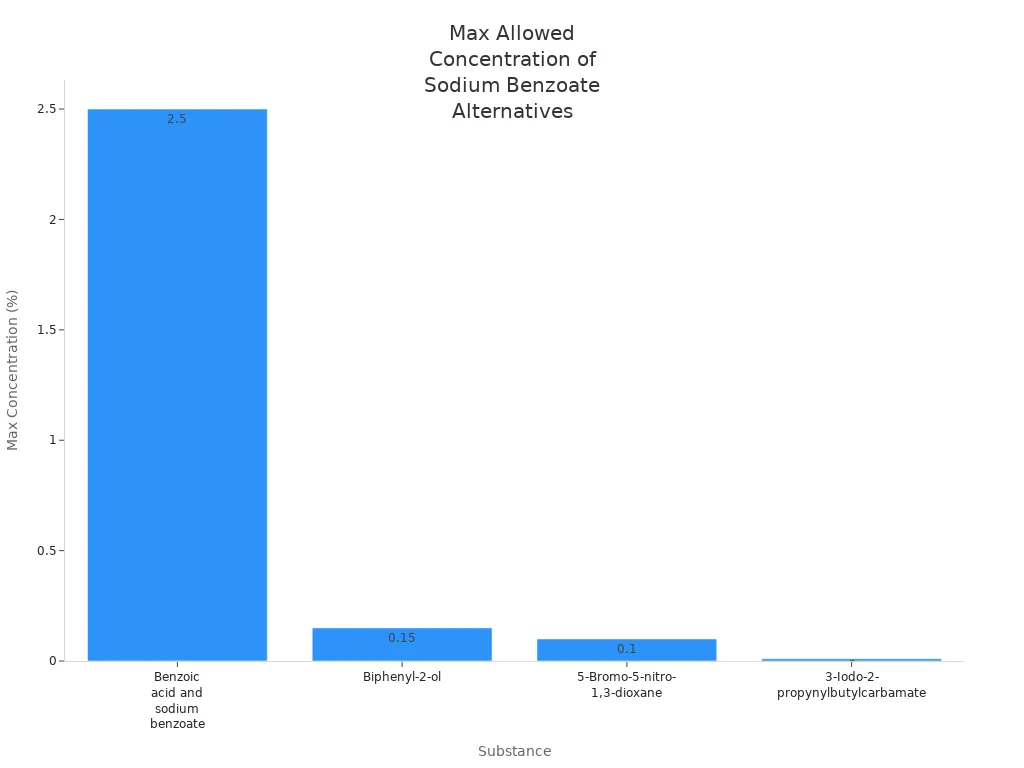
Rules for these alternatives are different in each place. Europe has strict rules for parabens. Germany only allows up to 0.4% for some parabens. Belgium and Denmark let you use up to 1% for some parabens. Asia has many different rules, and Japan limits some parabens in certain products. The US has rules but not as many details. Sodium benzoate and benzoic acid can be used up to 2.5% in rinse-off products. Other preservatives like biphenyl-2-ol and 3-iodo-2-propynylbutylcarbamate have their own limits.
|
Substance |
Product Type |
Maximum Concentration / Restrictions |
Additional Conditions |
|---|---|---|---|
|
Benzoic acid and sodium benzoate |
Rinse-off products |
Up to 2.5% (as acid) |
None |
|
Biphenyl-2-ol |
Leave-on products |
Up to 0.15% (as phenol) |
None |
|
5-Bromo-5-nitro-1,3-dioxane |
Rinse-off products |
Up to 0.1%, avoid nitrosamine formation |
None |
|
3-Iodo-2-propynylbutylcarbamate |
Leave-on products |
Up to 0.01%, not for body lotion or cream |
Not for children under 3 years |
Cost and Availability
Cost and how easy it is to get these alternatives matter a lot. Parabens are cheap and easy to find. Sustainable options like rosemary extract or nisin can cost more. Essential oils and natural acids are sometimes hard to get. Sustainable preservatives help the environment but can make products cost more. Companies must think about price, how green the product is, and how well it works when they choose.
Sustainable choices help brands make eco-friendly products, even if they cost more.
Summary Table
|
Alternative |
Safety |
Effectiveness |
Formulation Impact |
Regulatory Status |
Cost & Availability |
|---|---|---|---|---|---|
|
Parabens |
Widely used, some restrictions |
High, broad spectrum |
Easy to formulate |
Strict limits in EU/Asia |
Low cost, widely available |
|
Phenoxyethanol |
Low allergenic, needs control |
High, broad spectrum |
Stable, gentle |
Allowed up to 1% |
Moderate cost |
|
Caprylyl Glycol |
Few allergies, stable |
Strong, broad spectrum |
May affect stability |
Allowed in most regions |
Moderate cost |
|
Essential Oils |
Safe, may irritate some |
Moderate, variable |
May change taste/color |
Generally recognized as safe |
Higher cost, limited supply |
|
Sustainable acids |
Safe, low risk |
Good, pH dependent |
May need special handling |
Allowed, some limits |
Moderate to high cost |
|
Nisin/Natamycin |
Safe, natural |
Good for food |
Stable in dairy |
Allowed in food |
Higher cost |
Choosing the Right Alternative
Application Needs
Picking the best preservative depends on what the product is for. Food and cosmetic makers must think about if it is a cream, gel, or liquid. Each kind needs a different preservative to work well. Parabens are good in creams and lotions because they stop bacteria and fungi. Some products need preservatives that work in many pH levels. Phenoxyethanol works in both sour and neutral products. Sodium benzoate works best in sour foods. Makers must check if the preservative stays strong and stops bacteria, molds, and yeasts. They also have to follow rules from the FDA and EU. Some places have strict rules for parabens, so companies must check local laws. Safety is important too. Some preservatives can cause allergies or skin problems. Companies should try to use sustainable options that meet standards like COSMOS or Ecocert. Price matters as well. Parabens are cheap, but green choices can cost more. More people want natural and green ingredients. Brands must balance safety, price, and how well it works.
Labeling and Consumer Acceptance
People read labels and want safe, natural ingredients. Parabens worry some people, so brands use other options to make buyers happy. Green preservatives help brands show they care about health and the planet. Products with clean labels and natural stamps get more buyers. Some people avoid parabens because of allergy or hormone worries. Brands need to explain why green preservatives are good and show their products are safe. Clear labels help people trust the brand. Companies should talk about green choices and not use confusing words. Parabens are still in many products, but more brands use green and natural options now. People will buy products if they are safe, clear, and work well.
Tip: Brands that use green preservatives and clear labels get more trust and loyal buyers.
Ingredient Compatibility
How well a preservative mixes with other ingredients is important. Parabens mix well and do not change taste or feel. Some green options, like potassium sorbate, do not change taste, so they are good for food. Natamycin does not change flavor or look, which helps people like the product. The pH of the product matters. Vinegar works best in sour foods, so makers must test if it fits. Testing makes sure the preservative keeps the product fresh. Companies should work with suppliers to test how green preservatives mix with other things. Parabens are easy to use, but green choices may need more testing. Brands must make sure the preservative does not change how the product looks, tastes, or lasts.
-
Mixing ingredients well helps keep products safe and nice.
-
Testing and help from suppliers are important for using green preservatives.
There are many safe choices instead of sodium benzoate for food and cosmetics. Potassium sorbate, rosemary extract, and essential oils are natural options. Phenoxyethanol and caprylyl glycol are good for cosmetics. Parabens are still used a lot, but some places have rules against them. Parabens work in many products, but people worry about safety. New rules make brands look for other options. Parabens mix well with other things, but some people do not want them. When picking a preservative, experts say to:
-
Pick preservatives that keep products safe until they expire.
-
Use more than one preservative for better germ protection.
-
Think about the chemical structure and how it mixes with other things.
-
Make sure it is safe for sensitive products, since parabens do not fit every use.
-
Look at local rules, because some places limit parabens.
-
Check for germ risks from raw materials and how things are made.
-
Test how pH and other ingredients change how strong the preservative is.
-
Do real-life tests to see if the preservative works well.
-
Be ready for new rules and fewer approved choices.
-
Try preservative-free ways if possible, but use strict controls.
Brands need to think about how well it works, safety, and what people want. Talking to experts helps brands pick the best preservative for each product.
FAQ
What is the safest alternative to sodium benzoate in food?
Many experts say potassium sorbate is very safe. It works in bread, cheese, and drinks. Most people do not get allergies from it. Food makers like it because it keeps food fresh. It also follows safety rules.
Can natural preservatives replace sodium benzoate in cosmetics?
Natural preservatives like rosemary extract and essential oils can be used instead of sodium benzoate. They help stop germs and fit clean-label needs. Some brands put them in creams and lotions. Each product gets tested to make sure they work well.
Tip: Always check if your skin is sensitive before using natural preservatives.
Do sodium benzoate alternatives change the taste or smell of products?
Some alternatives, like essential oils, can change taste or smell. Rosemary extract can add flavor to food. Food makers use encapsulation to hide strong smells. Most synthetic options do not change taste or smell.
|
Alternative |
Taste Impact |
Smell Impact |
|---|---|---|
|
Essential Oils |
Yes |
Yes |
|
Potassium Sorbate |
No |
No |
|
Rosemary Extract |
Yes |
Yes |
Are sodium benzoate alternatives more expensive?
Natural and eco-friendly preservatives usually cost more than sodium benzoate. Essential oils and nisin are more expensive. Parabens and synthetic acids are cheaper. Brands try to balance price, safety, and what people want.
Note: Eco-friendly choices can make products cost more, but they help health and the planet.