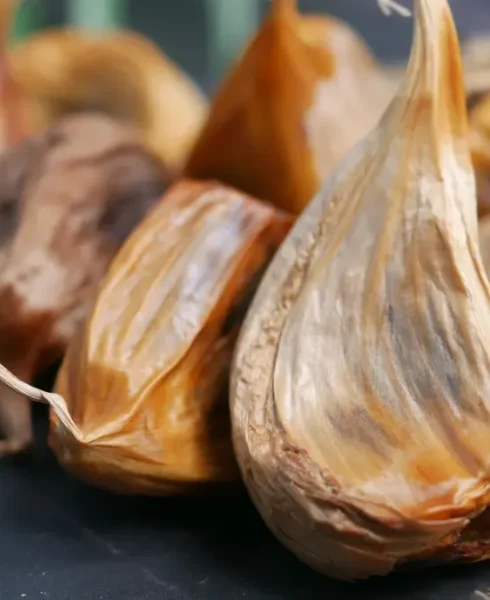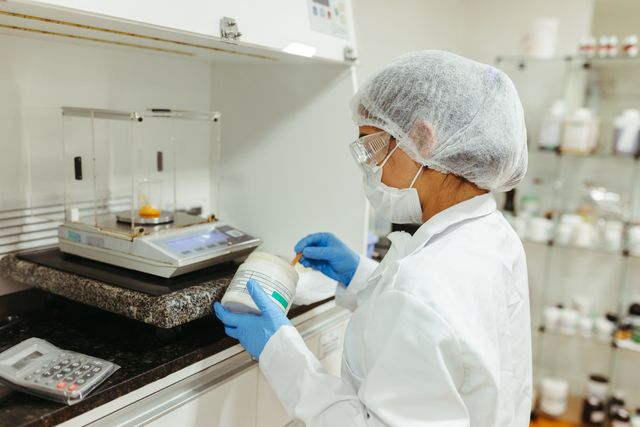

Gelatin, a protein derived from animal collagen, is commonly used to thicken food. When gelatin used to thicken food cools down, it forms a soft gel. While some people believe gelatin can replace gluten in baking, this is not accurate. Gelatin does not provide the stretch or structure that gluten does in dough. Instead, gelatin used to thicken food is effective in making soups and sauces thicker but does not contribute to the chewiness of bread. You can find gelatin in desserts, gravies, and certain dairy products. Its ability to make food appear clear and feel smooth makes gelatin an essential ingredient in both home kitchens and large food manufacturing.
Key Takeaways
Gelatin is a protein from animal collagen. It thickens food by making a soft gel when it cools.
It works best if you soak it in cold water first. Then you heat it and let it set at cool temperatures.
Gelatin helps foods feel smooth and creamy. It keeps sauces and desserts stable and moist.
Many people use gelatin at home and in the food industry. It is found in yogurt, desserts, and sauces.
People who do not eat animal products can use plant-based thickeners. Agar or pectin are good alternatives.
What Is Gelatin?
Source and Composition
Gelatin comes from animals. Manufacturers get it by using collagen from skin, bones, and tissues. Most gelatin is made from cows and pigs. The table below shows where gelatin comes from and how much is used:
Animal Source | Description | Market Share / Growth Insights |
|---|---|---|
Bovine (Cattle) | Gelatin mostly comes from cow skin. It has the biggest share in the world, especially in Europe (35-40%). | It leads the market and is worth $2.66 billion in 2024. Athletes and people who work out like it best. |
Swine (Pig) | Gelatin mostly comes from pig skin (Type A gelatin). | This type is growing fast because it stores well and is wanted in food. |
Others (Bones, Caprine, etc.) | Some gelatin comes from bones or other animals. | These have a smaller share. Goat skin gelatin is used in special cases. |
Gelatin is a special kind of protein. It is made by breaking down collagen. This is called partial hydrolysis. This process makes collagen able to dissolve in hot water. When it cools, it turns into a gel. Gelatin has amino acids like glycine, proline, and hydroxyproline. These make up about half of it. It also has alanine, arginine, aspartic acid, and glutamic acid in smaller amounts. Dry gelatin is almost all protein. But it does not have every amino acid your body needs.
Key Properties
Gelatin has some cool features.
It helps thicken liquids by making a network.
When you mix gelatin with hot water and cool it, it forms a network. This network traps water and makes food thick and smooth.
Gelatin makes weak hydrogen bonds. These bonds hold the network together. They melt at low heat, so gelatin gels can be melted and set again by changing the temperature.
How strong and thick the gel is depends on how much gelatin you use, the pH, and the temperature.
Tip: Gelatin does not change the taste or color, so you can use it in sweet or salty foods.
Gelatin’s special structure makes it great for thickening and keeping foods stable. You eat foods with gelatin almost every day.
Gelatin Used to Thicken Food
Thickening Mechanism
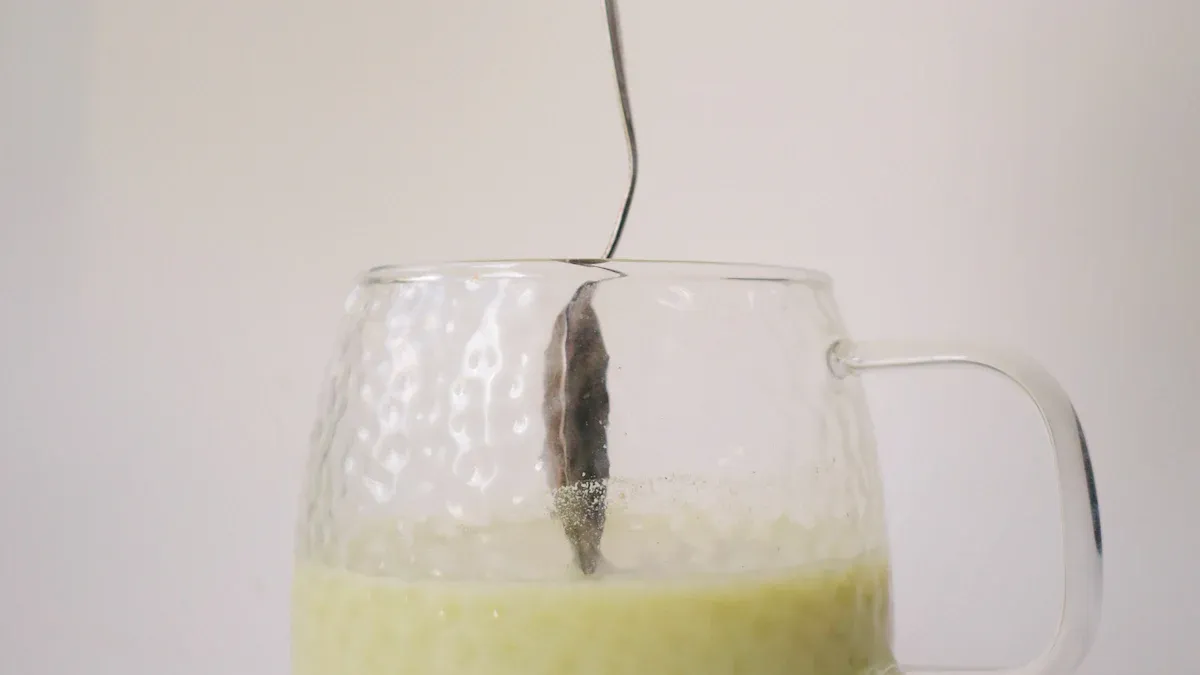
When you use gelatin to thicken food, you first hydrate it. You sprinkle dry gelatin on cold water and let it sit. This lets the gelatin soak up water and get bigger. Then, you heat the mix slowly. The gelatin melts in hot water and makes a clear liquid. If you skip soaking or get it too hot, it will not thicken well.
Aspect | Explanation |
|---|---|
Gelatin melts in hot water and makes a clear liquid. When it cools, it turns into a gel. This makes foods like mousses, creams, and jellies feel nice and smooth. | |
Viscosity | How thick gelatin gets depends on heat and how much you use. Heating makes it thinner and easier to mix. This changes how well it thickens. |
Higher Bloom values and bigger molecules make stronger gels. This helps gelatin thicken foods better. | |
pH and Moisture Content | Gelatin works best near pH 7.0. Water and pH change how well it melts and thickens. |
Molecular Structure | Soaking changes gelatin’s shape. It forms triple helix shapes that trap water and make gels. This is important for thickening. |
Processing Conditions | Soak gelatin right and do not overheat it. This keeps the gel strong and helps it thicken food well. |
You can use gelatin in sweet or salty foods. In desserts like jellies and mousses, gelatin makes them firm but soft. In savory foods, you add gelatin to sauces and gravies to make them thick and shiny. Gelatin works best if you use the right amount and keep it at the right temperature. If you use too little, the gel is weak. If you use more, the molecules join together and trap water. This makes a strong gel. The pH matters too. Gelatin gels are strongest between pH 4.0 and 10. If the pH is outside this range, the gel is weak.
Thermo-Reversible Nature
Gelatin has a special feature called thermo-reversibility. When you cool gelatin below 40 °C, the molecules twist into coils and stick to water. This makes a gel. If you heat it above room temperature, the gel melts and turns back to liquid. You can do this over and over. This is good for recipes that need to be shaped or melted again, like molded desserts or glazes.
You must watch the temperature when using gelatin. Gelatin sets best between room and fridge temperatures (0-10 °C). If it gets too warm, it melts and loses its shape. For example, gelatin desserts stay firm in the fridge but get soft in a warm room. You can use this to make layered desserts or change how thick sauces are.
Tip: Always chill gelatin mixes after melting them. This helps them set well. If you skip this, your food may be runny or uneven.
Smooth Mouthfeel
Gelatin makes foods feel smooth and creamy. When you add gelatin, less water leaks out of the gel. This keeps desserts and sauces moist and nice. Gelatin makes foods thicker and more slippery, so they feel rich. You notice this in mousses, yogurts, and creamy desserts.
Hydrocolloid | Effects on Texture and Mouthfeel | Sensory Attributes Improved | Negative Sensory Effects |
|---|---|---|---|
Gelatin | Stops water from leaking; makes gels strong and smooth | Makes foods thick, smooth, and creamy; feels like full-fat yogurt | No bad effects |
Xanthan Gum | Makes foods firmer and thicker | Makes foods firmer and thicker | Can feel chalky or lumpy |
Carrageenan | Makes foods firmer and thicker | Makes foods firmer and thicker | Can feel chalky or lumpy |
Modified Starch | Makes foods a bit thicker and smoother | Makes foods a little thicker and smoother | No big change in texture |
Foods with gelatin feel special when you eat them. The gel melts in your mouth and spreads flavors fast. Studies show more gelatin makes foods taste and feel better, like in yogurt. Gelatin melts and helps flavors reach your taste buds, so desserts taste sweeter. Other thickeners can feel chalky or lumpy, but gelatin does not. You always get a clean, nice feel.
Note: Gelatin’s smooth feel and flavor release make it popular with cooks who want tasty, good-looking foods.
Applications in Modern Food Production
Industrial Uses
Big food companies use gelatin in many products. Gelatin helps keep foods thick and smooth. It works as a stabilizer, emulsifier, and texturizer. Yogurt uses gelatin to stay smooth and not separate. Cream cheese and whipped toppings use gelatin to hold air and water. This makes them creamy and easy to spread. Gelatin binds water and can replace some fat. Foods taste rich even with less fat. The food industry uses gelatin in baked goods, dairy, meat, and desserts. North America and Europe use the most gelatin. The market keeps getting bigger.
Product Type | Gelatin’s Role |
|---|---|
Yogurt | Stops liquid from separating, keeps texture smooth |
Cream Cheese | Helps make foams, makes it easy to spread |
Reduced-Fat Foods | Holds water, makes food feel like it has fat |
Note: Gelatin is hard to replace because it thickens, stabilizes, and makes foods feel nice.
Home Cooking
You can use gelatin at home for sweet and savory foods. Desserts like panna cotta and fruit jellies need gelatin. You can add gelatin to sauces or gravies to make them thicker. First, soak gelatin in cold water so it blooms. Next, dissolve it in warm liquid, but do not boil it. Chill your dish for a few hours so it sets. You can buy gelatin as powder, sheets, or granules. Most people use powdered gelatin at home. This makes food smooth and even.
Examples of Foods
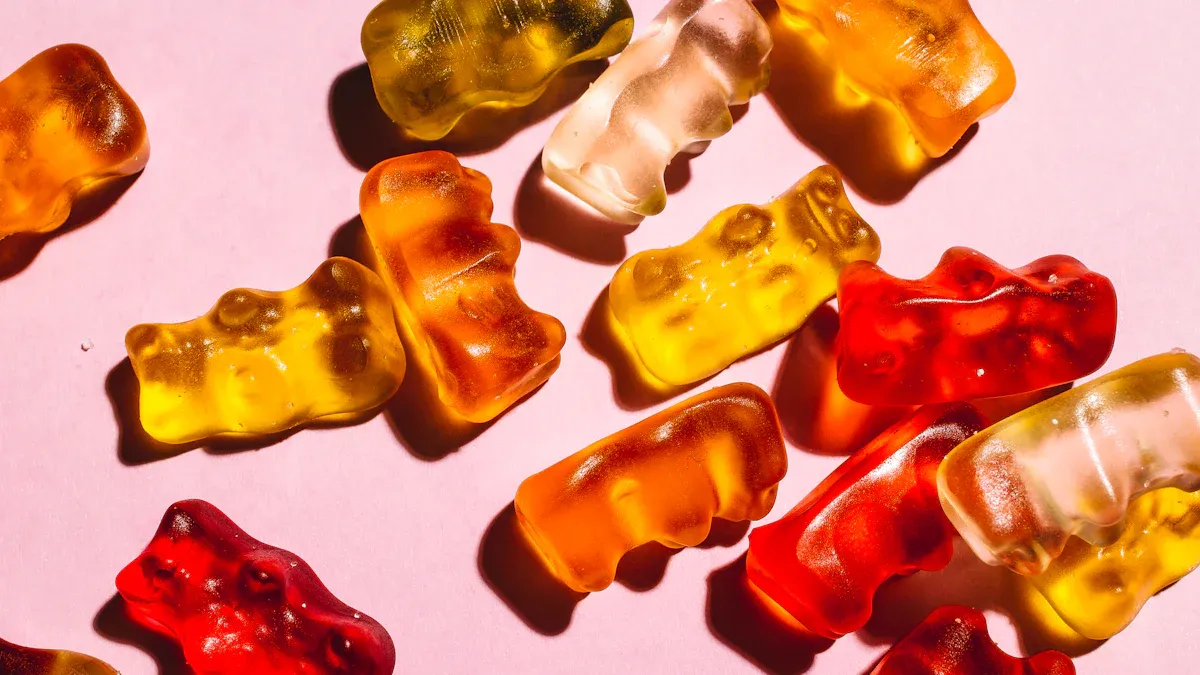
Gelatin gives many foods their special texture. Marshmallows and mousses are good examples. When you whip air into these foods, gelatin traps the air. This keeps the foam stable. Gelatin lowers water’s surface tension, so foam forms and stays. In marshmallows, gelatin stops sugar from turning into crystals. This keeps them soft and chewy. You find gelatin in gummies, yogurt, desserts, and some meat products. These foods stay creamy, fluffy, or firm because of gelatin.
Tip: Use gelatin if you want fluffy desserts or thick sauces at home.
Comparing Thickening Agents
Gelatin vs. Plant-Based Options
Gelatin and plant-based thickeners work in different ways. Gelatin makes a soft gel that feels stretchy and melts in your mouth. It sets fast and can be very strong, with Bloom values from 50 to 280. Agar and pectin are plant-based thickeners. They make gels that are harder and melt at higher temperatures. Agar gels are stiff and break easily. They melt at about 90 °C. Pectin gels are softer but still melt hotter than gelatin. Plant-based thickeners take longer to set. Their texture stays firm even when heated.
Plant-based thickeners are mostly made of carbohydrates and fiber. They do not have fat and are good for vegans. Agar has minerals like iron, calcium, and iodine. Tapioca gives you B vitamins and minerals. Gelatin is animal protein. It does not have fiber or many vitamins.
Nutrient / Property | Gelatin (Animal-derived) | Plant-based Thickeners (Gums, Starches) |
|---|---|---|
Protein | Little to no protein | |
Carbohydrates | 0 grams | Primarily complex carbohydrates |
Fiber | 0 grams | Often rich in fiber |
Vegan-friendly | No | Yes |
Vitamins & Minerals | No significant vitamins or minerals | Contains vitamins and minerals |
Tip: Choose plant-based thickeners if you want vegan food or care about the planet.
Gelatin vs. Other Animal-Based Thickeners
Gelatin and collagen peptides are both animal-based thickeners. Gelatin comes from collagen that is partly broken down. It forms gels when it cools. This makes it good for thickening soups, sauces, and desserts. Collagen peptides dissolve in hot or cold liquids. They do not make gels. You use collagen peptides more for supplements, not for thickening food. Both have similar protein and health benefits. Only gelatin gives you the gel texture needed for many recipes.
Aspect | Gelatin | Collagen Peptides |
|---|---|---|
Gel Formation | Yes | No |
Culinary Application | Cooking, desserts | Supplements |
Solubility | Hot liquids only | Hot and cold liquids |
Advantages and Limitations
Gelatin is special because it makes stretchy gels that melt at low heat. Foods like mousse and panna cotta feel smooth and taste good because of gelatin. Gelatin helps your joints and skin too. You must use gelatin carefully. It needs cool temperatures to set. It is sensitive to heat. If you do not use the right amount or temperature, you get weak gels or lumps. Gelatin is not vegan. It comes from animals, which can hurt the environment.
Advantages of Gelatin:
Stretchy, melts in your mouth
Sets quickly
Keeps shape and texture
Good for joints, skin, and digestion
Limitations of Gelatin:
Not for vegans or vegetarians
Sensitive to heat and pH
Can make weak gels
Note: Pick your thickener based on your recipe, diet, and what matters to you. Plant-based thickeners are better for the planet. Gelatin gives foods special textures and health benefits.
Dietary Considerations
Restrictions and Alternatives
Some people cannot eat gelatin for different reasons. Gelatin comes from animals like pigs, cows, and fish. If you are vegan or vegetarian, you do not eat gelatin. This is because it is not made from plants. People who follow Halal or Kosher diets also need to check the source. Halal and Kosher rules do not allow pig products. Bovine gelatin must come from animals killed in a special way. This makes it Halal or Kosher. It can be hard to tell where gelatin comes from. Beef and pork gelatin look and work the same. This makes it tricky to follow food rules. Some food labels do not say what animal was used. This can confuse people.
Many people want clear labels to make safe choices. Some companies use plant-based or lab-made options now. But labels are still not always clear.
If you cannot eat gelatin, you have other choices. The table below shows some popular options and what they are good for:
Alternative | Source | Best Uses | Key Notes |
|---|---|---|---|
Agar Agar | Seaweed | Vegan jellies, panna cotta | Sets firm, 100% vegan, can be tricky to use |
Pectin | Fruits | Jams, jellies, fruit preserves | Needs sugar and acid, great for sweet dishes |
Carrageenan | Seaweed | Dairy-free milks, soft gels | Soft to firm gels, used in vegan ice creams |
Xanthan Gum | Fermented sugars | Sauces, dressings, ice cream stabilizer | Thickens, does not gel, gluten-free |
Guar Gum | Guar beans | Cold sauces, vegan whipped cream | Thickens without heat, prevents clumping |
Cornstarch | Corn | Custards, puddings, pie fillings | Thickens with heat, easy to use |
Tapioca Starch | Cassava root | Fruit fillings, clear desserts | Gluten-free, glossy gel, needs heating |
Arrowroot | Arrowroot plant | Delicate sauces, fruit fillings | Clear, glossy gel, easy to digest |
Choosing the Right Thickener
Pick a thickener that fits your diet and recipe. If you need a vegan or vegetarian choice, use plant-based thickeners. Agar agar, pectin, or carrageenan are good picks. For Halal or Kosher diets, look for clear labels or certified products. Some companies test their gelatin to make sure it meets these rules.
Think about how you want your food to feel and taste. Agar agar makes a firm gel. Xanthan gum gives a creamy feel. Pectin is best for sweet, fruity foods. Cornstarch and tapioca starch are easy for puddings and sauces. You might need to try a few thickeners to find what you like.
Tip: Always check ingredient labels. If you have allergies or strict food rules, look for clear certifications.
Now, there are more choices for people with special diets. You can find gluten-free, low-fat, and plant-based thickeners in stores. As more people care about food texture and safety, you have more options than before.
Gelatin used to thicken food is special. It makes foods smooth and creamy. You can use it in many ways. The table below shows how gelatin compares to other thickeners in dairy foods:
Thickener | Gelling Ability | Mouthfeel & Texture | Typical Dairy Applications |
|---|---|---|---|
Gelatin | Thermoreversible, elastic gels | Smooth, creamy, mouth-coating | Yogurts, puddings, mousses |
Carrageenan | Strong, brittle gels | Slightly firm, can feel brittle | Flavored milk, processed cheese |
Agar | Firm, non-elastic gels | Brittle, gel-like mouthfeel | Plant-based dairy, puddings |
Pectin | Needs sugar/acid for gelling | Soft, smooth gel | Yogurt fruit preps, milk drinks |
Guar Gum | Thickens but doesn’t gel | Sometimes sticky or slimy | Yogurt, ice cream, milkshakes |
Pick a thickener that fits your recipe and diet. Some people want plant-based choices. Others need special thickeners for their health. New ways to make thickeners are coming out. Fish gelatin is also used for some diets. 🥛
FAQ
What is the best way to dissolve gelatin?
You should sprinkle gelatin over cold water and let it sit for a few minutes. This step is called blooming. After blooming, heat the mixture gently. Stir until the gelatin dissolves completely. Do not boil it.
Can you use gelatin in hot foods?
Yes, you can add gelatin to hot foods. Gelatin melts at low temperatures. If you add it to very hot liquids, let the food cool before serving. High heat can weaken the gel.
Is gelatin safe for people with allergies?
Gelatin does not contain gluten, dairy, or nuts. Most people with food allergies can eat it. If you have a rare allergy to animal proteins, check the label or ask your doctor.
How do you know if a food contains gelatin?
Check the ingredient list on the package. Look for words like “gelatin,” “hydrolyzed collagen,” or “gelling agent.” Some foods, like marshmallows or gummy candies, almost always use gelatin.
What can you use instead of gelatin for vegan recipes?
You can use agar agar, pectin, or carrageenan. These plant-based thickeners work well in many recipes. Each one gives a different texture. Try a few to see which you like best.