
The cellulase enzyme is set to benefit five major industries in 2025: biofuel, textile, food & beverage, paper & pulp, and animal feed. Among these, the biofuel industry relies most heavily on the cellulase enzyme. The paper & pulp sector is also experiencing rapid growth. The global cellulase enzyme market could reach USD 7.76 billion, driven by its applications in bioethanol production and textile finishing. Using the cellulase enzyme helps industries achieve better results, reduce waste, and develop innovative enzyme designs. As demand rises, the cellulase enzyme market is expanding, offering new opportunities for sustainable solutions and advanced machinery. North America currently leads the market, while the Asia Pacific region is seeing fast growth due to increased research and higher factory demand.
Key Takeaways
-
Cellulase enzyme breaks down tough plant fibers into simple sugars. This helps biofuel, textile, food, paper, and animal feed industries work better. It also helps them be more eco-friendly.
-
In biofuel, cellulase changes plant waste into clean energy. This lowers pollution. It also saves water and energy compared to using chemicals.
-
Textile makers use cellulase to make fabrics softer and brighter. It also makes them less fuzzy. They use fewer harsh chemicals and less water.
-
Food and drink companies use cellulase to get more juice. It helps improve flavors and makes drinks clearer. This supports natural and clean-label products.
-
Cellulase helps farmers and factories recycle plant leftovers into useful things. It makes soil healthier and helps animals eat better. It also cuts down on waste.
Biofuel Industry

Cellulase Enzyme in Biomass Conversion
Cellulase is very important in the biofuel industry. It helps break down cellulose in plant material. This action releases sugars that can be used to make bioethanol. The cellulase enzyme system has exoglucanase, endoglucanase, and β-glucosidase. These enzymes work together to turn cellulose into simple sugars. Scientists use special tools to see how cellulase works with plant material. They use Scanning Electron Microscopy and X-ray Diffraction for this. These studies show that cellulase can break down even tough cellulose fibers. The National Renewable Energy Laboratory found that CelA cellulase works well on many types of cellulose. This makes it useful for many industries.
Bioethanol Production
Making bioethanol needs cellulose to be turned into sugars. Cellulase breaks down cellulose, and then yeast changes the sugars into ethanol. This process uses farm leftovers and plants that are not food. This helps second-generation biofuels grow. Reports from Grand View Research and SNS Insider say cellulase has about 28% of the biofuel enzyme market. This is close to protease but more than lipase. The cellulase market is growing because it helps turn plant waste into fuel. The industry likes cellulase because it makes waste into something useful. That is why it is a top pick for making biofuel.
Sustainability Benefits
Using cellulase in biofuel production helps the environment. Life-cycle studies show that making cellulase at ethanol plants can lower greenhouse gas emissions. This way, the carbon footprint is smaller than buying enzymes from other places. Studies also say cellulase uses less water and energy than chemicals. The industry gets better energy returns and helps the environment. As the cellulase market grows, new enzyme improvements and more renewable energy will help even more. Cellulase helps make biofuels greener and more efficient.
Textile Industry
Cellulase in Fabric Processing
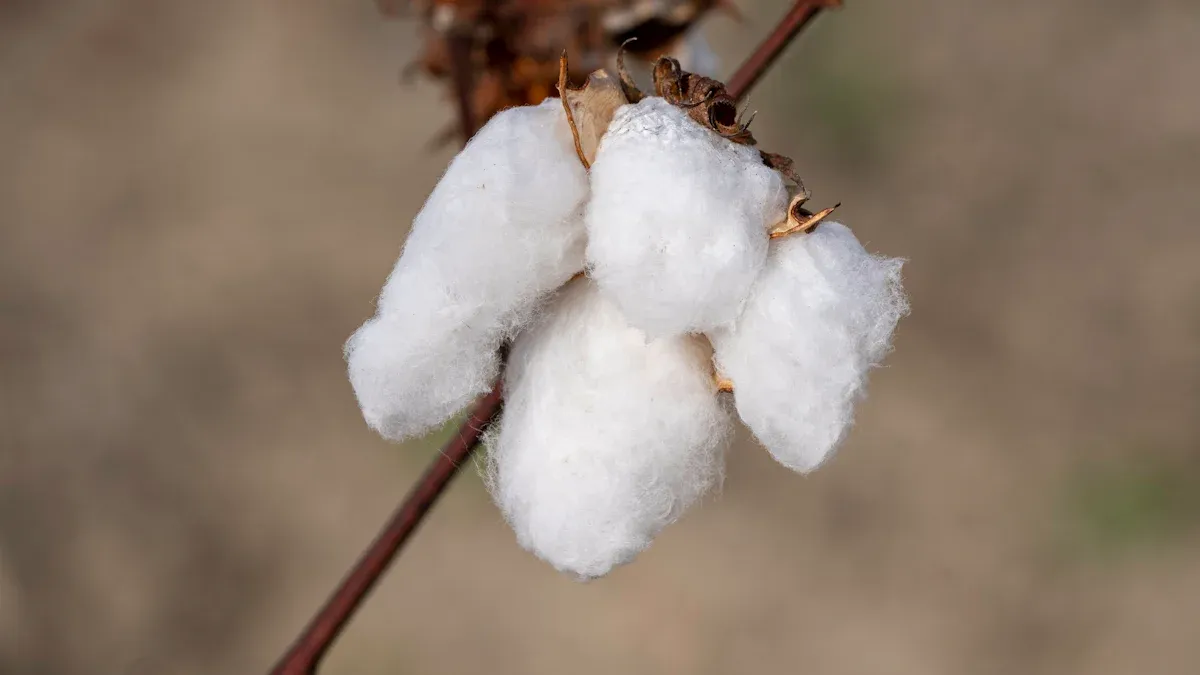
The textile industry uses cellulase to make fabric better and faster. Cellulase breaks down cellulose micro-fibrils. This removes loose fibers and makes fabric less fuzzy. It helps stop pilling and makes fabric smoother. The enzyme works best at pH 4.5–6 and 50–60 °C. Cellulase from sugarcane bagasse waste works as well as store-bought enzymes. This shows it can be used in factories. Textile makers get brighter colors and softer fabric. Cellulase from Streptomyces species helps fabric soak up more water. This makes clothes more comfortable to wear. These uses help the textile industry use fewer harsh chemicals, less water, and less energy.
The global textile enzymes market could reach USD 457.1 million in 2025 and USD 705.6 million by 2032, growing at 6.4% each year. Asia-Pacific has over 35% of the market, led by growing textile businesses in Vietnam, Bangladesh, India, and China.
|
Aspect |
Details |
|---|---|
|
Global Textile Enzymes Market Size (2025) |
USD 457.1 million |
|
Projected Market Size (2032) |
USD 705.6 million |
|
CAGR (2025-2032) |
6.4% |
|
Asia-Pacific Revenue Share (2025) |
Over 35% |
|
Leading Regions in Adoption |
Asia-Pacific, North America, Europe |
Bio-polishing and Denim Finishing
Cellulase is important for bio-polishing and denim finishing. The enzyme breaks down microfibrils and fuzz on fabrics. This makes fibers weak so they can be rubbed off. The result is smoother fabric and less pilling. Neutral and endoglucanase-rich cellulases take away extra dye and make fabric softer. Acid cellulases focus on removing microfibrils. Alkaline cellulases make fabric softer and brighter. Enzyme bio-polishing lowers fabric weight and strength in a safe way. This gives better control and quality. More than 80% of denim finishers now use cellulases or mix them with stones. This shows that the industry likes using enzyme methods that are better for the planet.
Eco-Friendly Alternatives
Cellulase enzyme gives the textile industry greener ways to process fabric. Factories use enzyme mixes made from farm leftovers like corn cobs. This is cheap and good for the earth. Enzyme treatments make fabric lighter, dry faster, and look whiter. Cellulase-based steps clean fabric by taking out dirt and other stuff. These uses mean less need for strong chemicals, water, and energy. Cellulase also helps recycle old fabric by breaking down cellulose into sugars. These sugars can be used to make clean energy. The cellulase market is growing as the industry wants greener choices and better results.
Food & Beverage Industry
Juice Extraction with Cellulase
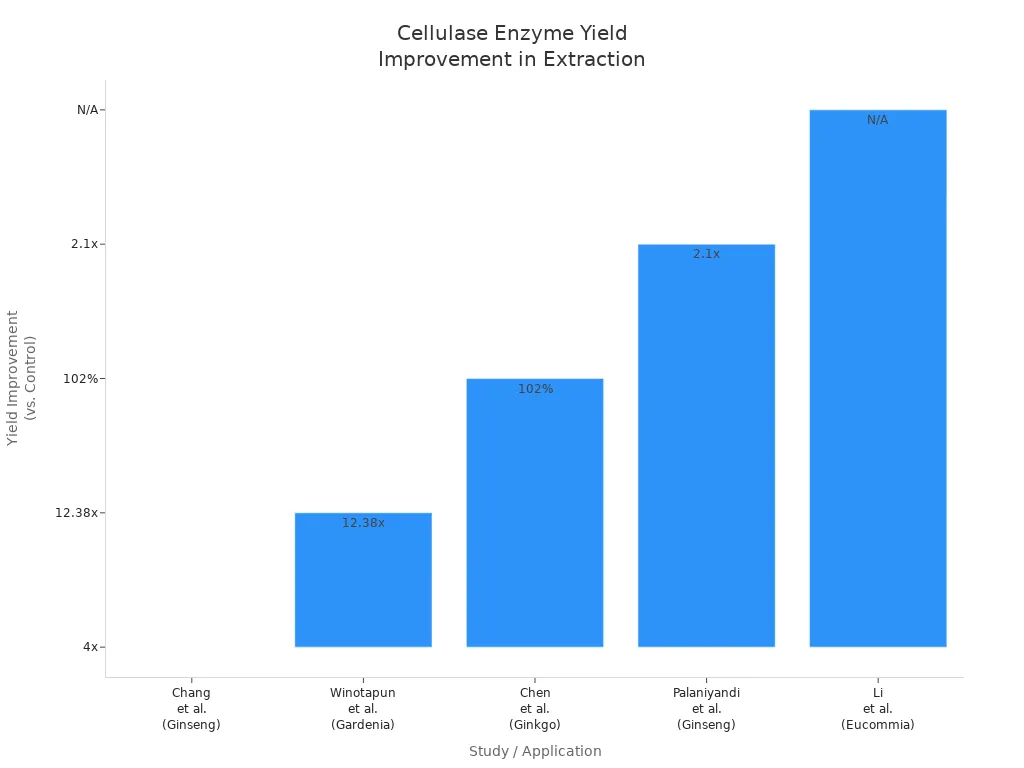
Cellulase is very important in the food industry, especially for juice. Producers use cellulase to break plant cell walls. This helps get more juice from fruits and vegetables. The process gives more juice and makes it clearer. Many studies show cellulase helps get more out of plants. For example, Chang et al. found four times more ginsenoside Rg3 from ginseng with cellulase. Winotapun et al. saw twelve times more genipin from gardenia fruit. Chen et al. got 31% more flavonoids from ginkgo leaves using cellulase. These results show cellulase works better than old methods.
|
Study / Application |
Enzyme & Conditions |
Extraction Target |
Result / Yield Improvement |
|---|---|---|---|
|
Chang et al. (Ginseng) |
Cellulase-12T (3.67%), 72 h |
20(S)-ginsenoside Rg3 |
4x increase compared to commercial extract |
|
Winotapun et al. (Gardenia fruit) |
Cellulase 10 mg/mL, pH 4, 24 h, 50 °C |
Genipin |
12.38x higher than non-enzyme methods |
|
Chen et al. (Ginkgo leaves) |
Penicillium decumbens cellulase |
Flavonoids |
31% higher than pre-optimized, 102% higher than enzyme-free |
Brewing Applications
Cellulase helps in many brewing jobs in food. Brewers use cellulase to break plant fibers in grains. This lets out sugars that yeast uses to make alcohol. Cellulase also helps filter drinks and makes beer less cloudy. The enzyme makes drinks clearer and helps make more product. Brewers like cellulase because it works with natural things. It also fits clean-label trends. The food industry likes these benefits. They help make drinks taste better and look nicer.
Texture and Flavor Enhancement
Cellulase makes food texture and flavor better. Makers add cellulase to break tough plant fibers. This makes food softer and easier to eat. It also helps flavors mix well. New enzyme technology lets makers use cellulase in many foods. Genetically changed microorganisms make cellulase stronger and more active. This gives better results. Research shows cellulase helps make healthier and better foods. The food industry keeps working on enzyme engineering. They want to give people better products.
The global cellulase market in food and drinks was about $1.2 billion in 2023. It may grow to $2.5 billion by 2032. One report says the market could be $500 million in 2025. This is because people want natural and clean-label foods. Another study puts the food and drink share at about $95 million in 2025. These numbers show strong growth. They also show cellulase is important in food industry work.
Tip: Producers who use cellulase in food processing can get more product, better quality, and greener results.
Paper & Pulp Industry
Fiber Modification
Cellulase is important for changing paper fibers. Studies show cellulase breaks down cellulose microfibrils. This changes how fibers handle water and paper strength. Endo-glucanase in cellulase targets certain fiber spots. This lets workers change paper without losing much strength. The industry uses this to make special paper. Workers dry paper sheets after using the enzyme. This stops more breakdown and keeps paper strong. Cellulase works well with hemicellulases too. These enzymes together make fibers bend easier and help remove water. Factories save 6% to 30% energy during refining. Short cellulase treatments change fiber properties but not their shape. If not careful, cellulase can make paper weak and hold more water. Using enzyme mixes and strength aids helps balance fiber bonds and water removal. These uses help the paper industry change fibers in a greener way.
Deinking and Recycling
Cellulase helps take ink off recycled paper. Studies show it breaks cellulose molecules. This weakens fiber bonds so ink comes off easier. Enzyme deinking works well for laser-printed paper. It does not work as well for newspapers. When used with xylanases, cellulase removes more ink. It also makes flotation deinking better. The enzyme makes pulp brighter and helps separate fibers. It does this by removing fibrils. This makes ink particles easier to get out. Factories must use the right amount of cellulase. Too much can make recycled paper weak. How well cellulase works depends on surfactant type, pH, and enzyme mix. Non-ionic and cationic surfactants help the enzyme work better. Both acidic and neutral pH are good for deinking. Enzyme deinking often works better than using dead enzymes. But sometimes chemical deinking removes more ink. Cellulase helps recycling work better and gives higher paper quality if used right.
Tip: Using the right amount of cellulase and treatment time keeps recycled paper strong and bright.
Paper Quality Improvement
Cellulase makes paper better by helping pulp refining. The enzyme helps lower the energy needed to refine pulp. Factories save about 16% to 17% energy for each ton of pulp. This also cuts carbon dioxide by about 2 kg per ton. Cellulase helps get the right pulp freeness with less energy. The table below shows how these improvements are measured:
|
Aspect |
Description / Metric |
|---|---|
|
Role of cellulase enzyme |
Processing aid in pulp refining |
|
Energy savings |
16%–17% reduction in refining energy (kWh/tonne) |
|
Environmental impact |
2 kg CO2 emissions avoided per tonne of pulp |
|
Paper quality improvement |
Optimized fiber properties and pulp freeness |
|
Measurement metrics |
Refining energy, CO2 emissions, pulp freeness |
|
Additional notes |
Lower carbon footprint; negligible enzyme production emissions |
Using cellulase in paper factories saves energy and helps the environment. These changes make making paper greener and more efficient.
Animal Feed Industry
Digestibility Enhancement
Cellulase helps animals digest their food better. Farmers add cellulase to animal feed. This enzyme breaks down cellulose in plants. When cellulose breaks down, it releases glucose. Animals use glucose for energy. Studies with broiler chickens show good results. Chickens get more nutrients and grow faster with cellulase. Research with Tan sheep shows more fiber-degrading fungi in the rumen. These fungi help break down tough fibers. This makes nutrients easier for animals to use. Lambs and dairy calves fed cellulase keep more nitrogen. They also grow better. Cellulase helps break down dry matter and fiber. This lets animals use their food more efficiently.
Nutritional Value
Cellulase makes animal feed more nutritious. The enzyme breaks down plant fibers that are hard to digest. This helps animals get more nutrients from their food. Feed conversion gets better, and animals stay healthier. The table below shows how cellulase helps different animals:
|
Animal Segment |
How Cellulase Improves Nutritional Value |
Measurable Outcomes |
|---|---|---|
|
Ruminants (cattle, sheep, goats) |
Breaks down cellulose for better fiber digestibility |
Higher milk and meat yields, improved feed efficiency, reduced methane emissions |
|
Aquatic Animals (fish, shrimp) |
Helps digest plant-based feed ingredients |
More nutrients available, better growth rates, improved feed conversion |
|
Poultry |
Increases digestibility of high-fiber ingredients |
Greater weight gain, better feed conversion, healthier flocks |
|
Swine |
Breaks down fibrous grains and by-products |
Better nutrient absorption, improved growth, lower feed costs |
Cellulase helps animals get more energy and nutrients. Farmers see animals grow faster and produce more.
Sustainable Feed Production
Cellulase helps make animal feed in a greener way. The enzyme turns plant material into simple sugars. This makes feed easier to digest and more nutritious. Farmers use cellulase to treat silage and grain feed. This removes things that are bad for animals. These steps help animals stay healthy and use feed better. Microbial cellulase is popular because it works well and is easy to make. Plant-based cellulase is getting more attention for organic feed. There is a lot of plant material in the world, so cellulase is a good choice. New ways to make enzymes lower costs and help more farmers use cellulase. Using cellulase with other enzymes, like β-glucanases, gives even better results. Cellulase helps farmers use more plant materials, waste less, and protect the environment.
Tip: Adding cellulase to animal feed helps farmers get better growth, higher yields, and greener production.
Wastewater & Biomass Processing
Cellulase in Wastewater Treatment
Many wastewater plants use cellulase to help clean water. This enzyme breaks down cellulose in sewage and factory waste. Workers put cellulase into tanks at the plant. The enzyme works fast to break up plant fibers and other waste. This makes the water cleaner and cuts down on pollution. Cellulase also helps make less sludge that needs to be thrown away. Plants save money and energy by using enzymes instead of only chemicals. More places want cellulase because of strict rules and the need for better water.
|
Aspect |
Details |
|---|---|
|
Global Cellulase Market Size |
|
|
Projected Market Size |
USD 4.18 billion by 2033 |
|
CAGR (2025-2033) |
6.8% |
|
Wastewater Treatment Application |
Cellulase degrades organic matter, improving treatment efficiency and reducing pollution |
|
Market Drivers |
Rising demand for biofuels, environmental regulations, and wastewater treatment needs |
Tip: Using cellulase in wastewater treatment helps towns keep water clean and protect nature.
Biomass Residue Management
Cellulase is important for handling leftover plant material from farms and factories. The enzyme breaks down these leftovers into sugars. These sugars can be used to make biofuel and biogas. One study found that recycling cellulase during bioethanol production from paper sludge made the enzyme work better and cost less. Workers got back 88% of the enzyme’s power after breaking down the sludge. They only needed half as much new enzyme for each new batch. This way, they made over three times more glucose and ethanol. The process also turned up to 81% of solid waste into useful things.
Scientists made a new strain of Trichoderma afroharzianum that gives more cellulase. This strain breaks down tough plant leftovers like cornstalks and bamboo faster than old strains. The new enzyme mix has more cellobiohydrolase II, which helps break down plant material even more. Factories can use these better enzyme mixes to handle waste and make valuable products from leftovers.
|
Aspect |
Details |
|---|---|
|
Market Segment |
Enzyme preparations for energy (including cellulase for biomass conversion) |
|
Market Size (2025) |
|
|
CAGR (2025-2033) |
4.9% |
|
Key Applications |
Biofuel and biogas production via lignocellulosic biomass conversion |
|
Application Role |
Cellulase breaks down biomass into fermentable sugars for bioethanol and biogas production |
|
Market Drivers |
Demand for sustainable energy, government policies, environmental benefits |
Cellulase helps turn waste into energy and other useful things. This makes factories cleaner and means less trash goes to landfills.
Detergent & Laundry Care
Stain Removal
Cellulase is important in today’s laundry detergents. Many top brands add this enzyme to their special products. Cellulase helps get rid of stains like ink and mud. It does this by breaking down cellulose particles on clothes. The enzyme works in both liquid and powder detergents. Studies show cellulase from Bacillus pumilus VLC7 makes cleaning better. After 30 minutes, it starts to remove fuzz and stains. After 120 minutes, clothes look much cleaner and brighter. Cellulase also helps take out indigo dye from cotton. This helps with recycling and eco-friendly bleaching.
|
Aspect |
Summary |
|---|---|
|
Enzyme Activity |
Works better in laundry detergents than without it |
|
Stability |
|
|
Stain Removal |
Breaks down dirt, ink, and mud |
|
Dye Removal |
Takes out indigo dye from cotton, helps with bleaching |
|
Fabric Care Benefits |
Lowers fuzz, stops dullness, makes clothes brighter and softer |
Big detergent brands use cellulase with other enzymes. These mixes clean well and care for fabric. People in Asia Pacific, North America, and Europe like detergents with cellulase. They want better stain removal and fabric protection.
Fabric Care
Cellulase helps clothes stay new-looking. The enzyme breaks tiny fibers on cotton and mixed fabrics. This stops pilling and keeps fabric soft. It also keeps colors bright and fresh. Cleaning cellulases work on soft parts of cellulose. They help remove dirt and stop it from coming back. This makes clothes cleaner without hurting the fabric. Enzymes like Whitezyme polish the fiber surface and open spaces between yarns. This helps remove dirt and stains more easily. Cellulase is safe for nature and works at lower wash temperatures. This saves energy and keeps fabric from wearing out.
-
Cellulase is popular where people want clothes to last longer.
-
Makers add cellulase to enzyme mixes for better cleaning.
-
More people want eco-friendly detergents, so the market is growing.
Tip: Using detergents with cellulase helps clothes last longer and look nicer after every wash. 🧺
Agriculture & Soil Health
Plant Residue Breakdown
Farmers often have leftover plant material after harvest. Cellulase enzymes help break down this tough plant matter. These enzymes cut cellulose into simple sugars. Soil microbes use these sugars for food. Microbial cellulases from fungi and bacteria work in many soils. They stay strong even when temperature or pH changes. This helps clear fields and puts nutrients back in the soil.
|
Aspect |
Explanation / Benefit |
|---|---|
|
Cellulase enzymes break down cellulose into simple sugars like glucose. |
|
|
Breakdown process |
Involves pretreatment, enzymatic saccharification, and fermentation. |
|
Microbial cellulase advantages |
High stability, thermal tolerance, and cost-effective cellulase production. |
|
Commercial use |
Used for over 30 years in industries such as biofuels and textiles. |
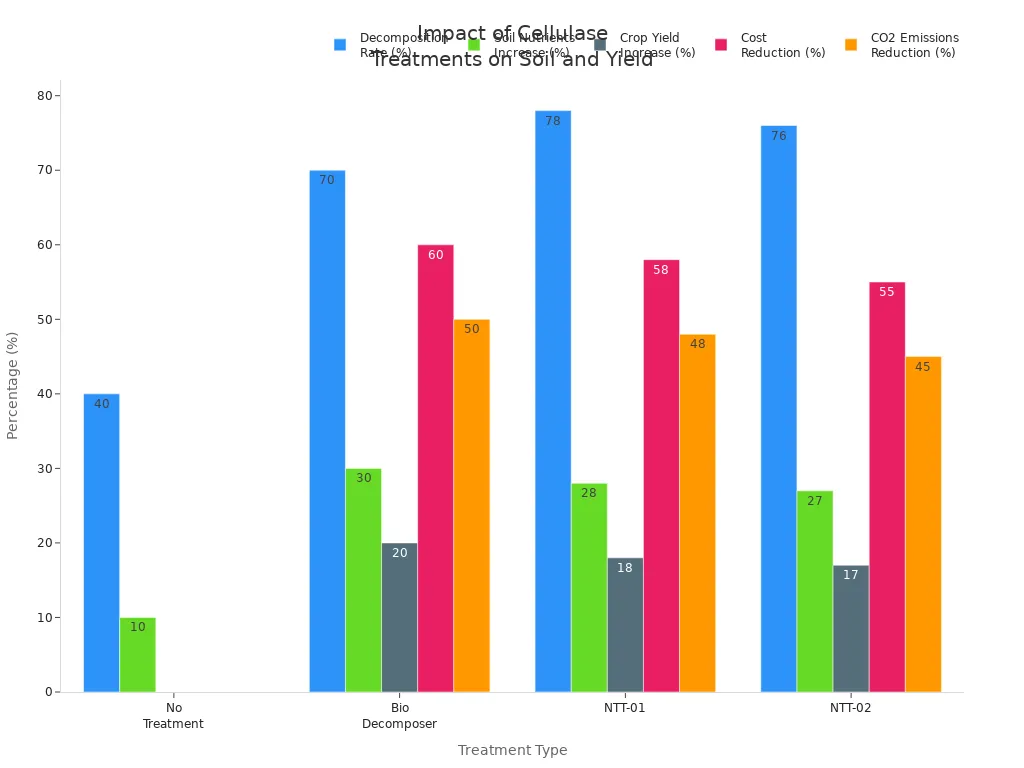
Studies show cellulase-based bio decomposers work fast. Rice straw treated with these enzymes breaks down almost twice as quickly. This method gives more nutrients to the soil. Crop yields can go up by 20%. Farmers can save up to 60% on growing costs. They also see fewer greenhouse gases because they do not burn plant leftovers.
Soil Nutrient Cycling
Cellulase activity is important for soil nutrient cycling. When plant leftovers break down, nutrients return to the soil. Microbial enzymes like cellulase help release these nutrients. This makes them ready for the next crop. No-tillage and crop rotation can boost cellulase activity. Long studies show more enzyme activity means better soil and more nutrients. Farmers see healthier plants and bigger harvests.
Composting with cellulase helps recycle plant waste into fertilizer. It keeps waste out of landfills and lowers methane gas. This helps keep soil healthy and supports green farming.
Many producers use farm waste to make cellulase. This turns trash into something useful. It helps soil and the environment at the same time.
Cellulase market growth affects many industries today. The cellulase market gives new chances for being green and working better. Companies notice new ideas in enzymes, recycling, and eco-friendly ways. The cellulase market gets bigger as more businesses use these enzymes. Experts think there will be more research and new uses soon. The cellulase market share goes up every time it is used in a new way. These changes give more chances for growth and help the cellulase market get bigger. The size of the cellulase market shows strong need and what is coming next.
The cellulase market keeps changing, giving lots of chances to people who watch new trends.
FAQ
What does cellulase do in factories?
Cellulase breaks down cellulose into sugars. Factories use these sugars to make things like biofuel and juice. This helps companies save energy and cut down on waste.
Is cellulase okay for food and animal feed?
Yes. Makers use cellulase that follows safety rules. Scientists check these enzymes so they do not hurt people or animals.
How does cellulase help nature?
Cellulase turns plant waste into useful things. It also means factories use fewer strong chemicals. This helps keep soil, water, and air clean.
Can cellulase be used with other enzymes?
Yes. Many factories mix cellulase with enzymes like xylanase or protease. These mixes help make better paper, animal feed, and biofuel.