
You might wonder what microcrystalline cellulose is and why it is found in so many products. When you examine food or medicine labels, you may see “what is microcrystalline cellulose” listed. This ingredient is included in foods to prevent ingredients from sticking together. It also enhances the texture of food and helps maintain the stability of mixtures. In the pharmaceutical industry, microcrystalline cellulose plays a crucial role in the production of tablets, ensuring they break down properly. The table below outlines some of its main applications:
Application Area | Functionality |
|---|---|
Pharmaceuticals | |
Food Products | Anti-caking, texture modification, stabilization |
You can trust microcrystalline cellulose because experts affirm that it is safe and beneficial. Many people are curious about its advantages and disadvantages, so it is wise to learn more about this valuable ingredient.
Key Takeaways
Microcrystalline cellulose is safe to use. You can find it in many foods and medicines. It helps make food feel better and stay fresh.
In food, it stops things from sticking together. It makes food taste smoother. It adds fiber but does not add calories. You can find it in sauces, baked goods, and snacks.
In medicine, microcrystalline cellulose holds tablets together. It helps tablets break apart the right way. This helps your body absorb the medicine well.
Experts say microcrystalline cellulose is safe to eat. The FDA agrees it is safe. It is called ‘Generally Recognized As Safe’ (GRAS).
If you have allergies or stomach problems, talk to your doctor first. Ask before using products with microcrystalline cellulose.
What Is Microcrystalline Cellulose?
Definition and Source
You might notice microcrystalline cellulose on many labels. It comes from plant fibers found in nature. Most of the time, it is made by cleaning wood pulp. Sometimes, companies use cotton linters or sugarcane leftovers. Wood pulp is used most because it has a lot of cellulose. Both softwood and hardwood pulp give the alpha cellulose needed for good microcrystalline cellulose.
Microcrystalline cellulose looks like a white powder that flows easily. It does not have any taste or smell at all. You can find it in lots of foods and medicines. It is inert, so it does not react with other things. This makes it safe for people to eat. It also has a lot of crystals and very small particles. These things make it different from other cellulose types. It is renewable and works well with living things, so it is useful in many areas.
Tip: If you wonder why microcrystalline cellulose is used so much, remember its special structure and where it comes from make it safe and helpful.
Chemical Structure
Microcrystalline cellulose has a unique chemical structure. It is a polymer, which means it is made of repeating parts. Each part is called an anhydroglucose unit. These units join together in long chains with oxygen bonds. The chemical formula is (C6H10O5)n, but sometimes it is written as (C12H20O10)n.
Here is a simple table to show its chemical properties:
Property | Value |
|---|---|
Molecular Formula | (C12H20O10)n |
Molecular Weight | 324.28 |
Structure | Long chains of anhydroglucose units joined by oxygen linkages |
Microcrystalline cellulose is special because it has a lot of crystals. This means its molecules are packed tightly, so it is strong and stable. Its tiny particle size helps it mix well in food and medicine. These features make microcrystalline cellulose a great choice for many products you use every day.
You can see that microcrystalline cellulose is not just a filler. Its source, structure, and features all help make it important in both food and medicine.
Microcrystalline Cellulose Properties
Physical and Chemical Traits
Microcrystalline cellulose looks like a white, soft powder. It has no taste or smell. This makes it easy to use in many things. It does not react with other ingredients. It is safe and does not harm you. It keeps food and medicine stable and safe.
Microcrystalline cellulose does not mix with active parts or food pieces.
It is used as an excipient, filler, binder, and stabilizer in many items.
In food, it helps stop clumping, mixes things, and changes texture.
In medicine, it works as a binder, filler, disintegrant, lubricant, glidant, adsorbent, and anti-adherent.
It also sticks well to surfaces in the body. Microcrystalline cellulose has a large surface area. This helps it attach to body parts. It can make hydrogen bonds with mucin in your body. This helps medicine stay in place longer and work better.
Scientists use a test called vertical detachment strength to see how well it sticks.
This test checks how much force is needed to pull it off a surface.
The results show how strong and helpful its sticking power is.
Functional Roles
Microcrystalline cellulose does many jobs in food and medicine. It helps keep products fresh and stable. It does not react with water or air. This helps food and medicine last longer. Your medicine stays strong because of this.
Here is a table that shows how microcrystalline cellulose helps in different things:
Application | Role | Benefit |
|---|---|---|
Food Products | Texturizer | Gives a smooth and even feel in your mouth. |
Food Products | Stability and Texture | Makes food steady and the same each time. |
Pharmaceutical | Binder and Diluent | Makes tablets stronger and harder to break. |
Pharmaceutical | Binder and Diluent | Changes the size and shape of medicine. |
You get health benefits because it adds fiber to food. In tablets, it holds everything together. It also helps tablets break apart fast. This lets your body use the medicine quickly. Microcrystalline cellulose keeps food and medicine safe, steady, and useful for you.
Uses in Food
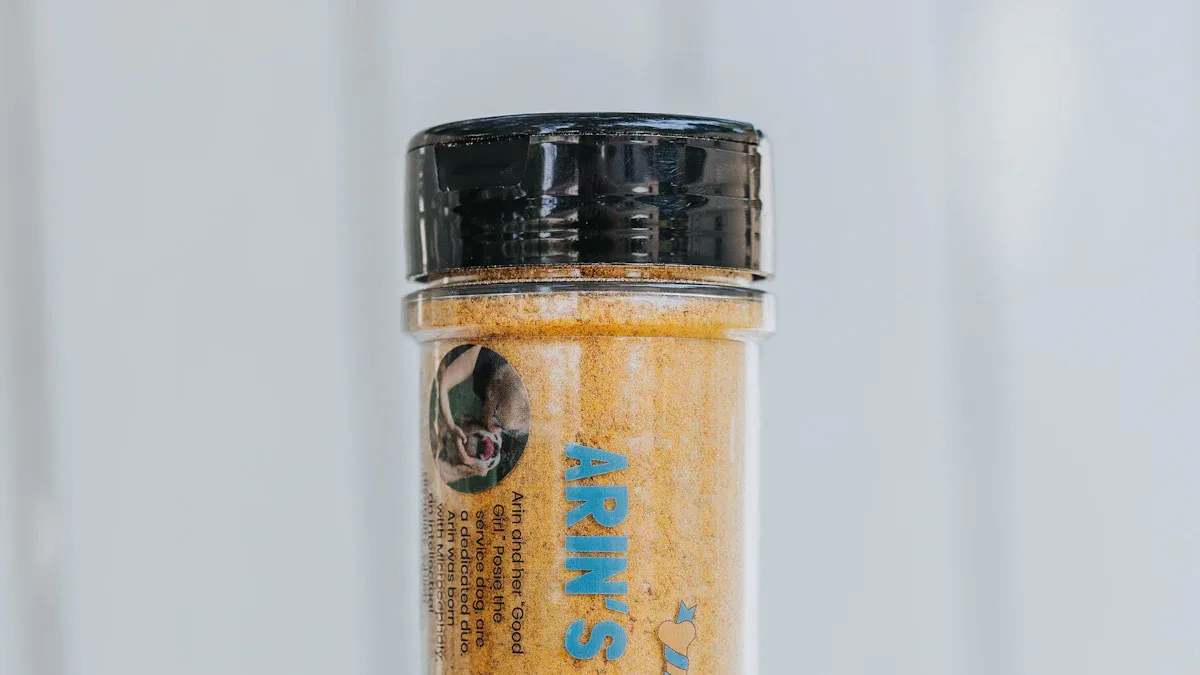
Food Additive Functions
You see mcc in many foods because it works well as a food additive. It helps you enjoy better texture and taste in your meals. Here are some main roles mcc plays in food:
Acts as a texturizer to give foods a smooth and creamy feel.
Serves as an anti-caking agent to keep powders from clumping.
Works as a fat substitute in low-calorie and diet-friendly foods.
Functions as an emulsifier to help mix oil and water in sauces and dressings.
Adds bulk and fiber to foods without extra calories.
Helps keep drinks and sauces mixed by acting as a suspension aid.
Mcc also helps stabilize emulsions and foams. You find it in foods that need to stay smooth and even, like salad dressings or whipped toppings. As a food additive, mcc supports the structure of baked goods and keeps them soft.
Benefits for Food Products
Mcc brings many benefits to the foods you eat every day. It improves the texture and mouthfeel of processed foods. When you eat a sauce or dressing, mcc helps create a creamy and smooth texture. In baked goods, it adds volume and keeps them moist. Mcc also helps gluten-free products hold together better.
You find mcc in many types of foods. Here is a table showing where you might see it:
Food Category | How MCC Helps |
|---|---|
Bakery Products | Improves texture and lowers calories |
Dairy Alternatives | Adds bulk and keeps products stable |
Beverages | Keeps drinks smooth and mixed |
Nutritional Supplements | Makes tablets and powders easier to use |
Snacks | Adds volume and texture without extra calories |
Processed Meats | Keeps meat moist and improves bite |
Confectioneries | Adds creaminess and chewiness |
Ready-to-Eat Meals | Keeps meal parts stable and tasty |
You can spot mcc in many popular foods. Some examples include:
Dairy products
Condiments and sauces
Prepared meals
Canned soups and broths
Snack foods
Nutritional supplements
Dietary fiber supplements
Processed meats
Desserts and puddings
Low-fat or low-calorie products
Gluten-free products
Drinks
Note: Mcc helps make your food taste better and last longer. It also supports a healthy gut by adding fiber.
Microcrystalline Cellulose in Medicine

Pharmaceutical Applications
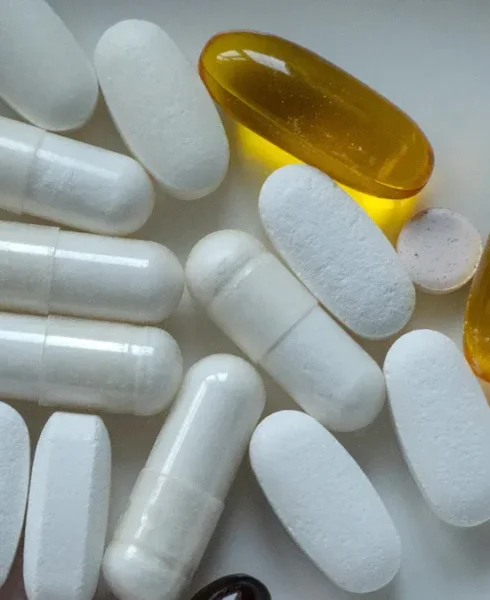
You find mcc in almost every medicine you use. It is a common excipient in drugs. Mcc helps tablets and capsules work better. It acts as a binder and filler in tablets. This means it holds tablets together. It also gives them the right size and shape. Mcc fills capsules so each one has the same amount of medicine.
Mcc keeps tablets strong as a binder.
It makes sure each tablet or capsule has the right amount.
Mcc helps tablets break apart quickly in your body.
It is used in controlled-release systems to control how fast medicine comes out.
Here is a table that shows how mcc helps medicine:
Evidence Description | Explanation |
|---|---|
Mcc keeps tablets stable because it does not react with other chemicals. | This helps tablets stay strong and work well for a long time. |
Mcc can be pressed tightly, so tablets do not break easily. | Tablets stay whole until they need to break apart in your body. |
Mcc stops moisture from getting inside tablets. | This keeps tablets safe from breaking down or growing germs. |
Mcc has tiny holes that help water get in fast. | This lets tablets break apart quickly when you take them. |
Role in Drug Delivery
Mcc is important for drug delivery systems. When you take medicine, you want it to work fast and last long enough. Mcc helps with both things. In controlled-release tablets, mcc forms a gel layer. This slows down how fast medicine leaves the tablet. People with long-term illnesses need this because medicine stays in their body longer. Mcc also helps tablets break apart quickly in your mouth. This is good for people who have trouble swallowing.
A study looked at how mcc crystallinity affects water absorption and the breakdown of acetylsalicylic acid (ASA) in tablets. When mcc has less crystallinity, water gets in faster and tablets absorb more moisture. This makes ASA break down faster. So, controlling mcc crystallinity is important for making sure medicine works well.
Mcc is also used to make small pellets for controlled-release medicines. These pellets help medicine spread out in your body over time. Mcc makes sure your medicine is safe, stable, and works as it should.
Safety and Regulations
Regulatory Status
You might wonder if microcrystalline cellulose is safe. Many experts have checked this ingredient. The FDA says microcrystalline cellulose is safe for food and medicine. It is called “Generally Recognized As Safe” (GRAS). This means you can trust it in foods and medicines.
Other countries also allow microcrystalline cellulose. The EFSA and WHO have studied its safety. These groups say microcrystalline cellulose does not hurt you if used right. You see it in products everywhere because it passes strict safety rules.
Agency | Approval Status | Notes |
|---|---|---|
FDA (USA) | GRAS | Safe for food and medicine |
EFSA (Europe) | Approved | Used in food and pharmaceuticals |
WHO | Safe | No toxic effects reported |
Note: You can feel sure about microcrystalline cellulose. Big health groups agree it is safe.
Safety Profile and Concerns
You may wonder about side effects or risks. Most people do fine with microcrystalline cellulose. Studies show even high amounts do not cause big problems. Long studies in people show no major side effects. Some research says microcrystalline cellulose helps your gut. It can increase good bacteria like Bifidobacterium and Lactobacillus.
Some people may have mild effects if they eat too much. You might notice:
More trips to the bathroom
Gas or bloating
Stomach pain
Constipation
Diarrhea or tummy aches
Rarely, you may see allergic reactions. These can be:
Swelling
Feeling very dizzy
Trouble breathing
You may hear about other symptoms like headaches or tiredness. Sometimes people forget things or feel weak. These happen when your body cannot take in nutrients well. Eating lots of microcrystalline cellulose can cause these problems. Most people do not get these issues with normal use.
Some people think microcrystalline cellulose is unsafe. They worry because it comes from wood pulp. Experts say microcrystalline cellulose is clean and safe for food. It is not fake or harmful. Its structure is like the cellulose in fruits and grains. No proof links microcrystalline cellulose to cancer. Health groups say it is not toxic.
Tip: If you have allergies or stomach problems, ask your doctor before using microcrystalline cellulose.
You now know microcrystalline cellulose comes from plants. It helps food and medicine work better. Its structure makes products stable and smooth. Groups like the FDA and EMA check if it is safe. They make sure it is good for people to use.
Regulatory Body | Role in Safety Assurance |
|---|---|
FDA | Checks safety and how it works with the body |
EMA | Makes rules for quality and safety |
Microcrystalline cellulose is found in many things you use. If you worry about your health, ask your doctor for advice.
FAQ
What is the main purpose of microcrystalline cellulose in food?
This ingredient helps food stay fresh and stable. It makes food smoother and stops it from clumping. Many companies use it to make food easier to eat.
Can you digest microcrystalline cellulose?
Your body cannot break down this ingredient. It goes through your body as fiber. It does not give you energy, but it helps your digestion.
Is microcrystalline cellulose safe for children?
Experts say it is safe for everyone, even kids. It does not hurt you when used in normal amounts.
Does microcrystalline cellulose cause allergies?
Most people do not get allergies from this ingredient. Sometimes, people may feel itchy or have a stomach ache. If you feel sick, talk to your doctor.
Can you avoid microcrystalline cellulose in your diet?
You can avoid it by checking labels on food and medicine. Pick products that do not have this ingredient if you want to skip it.