
Tannic acid comes from plants and is a polyphenolic compound. Many plants have tannic acid. Its chemistry has a formula called C76H52O46. The structure has tannic units joined to a glucose center. Tannic acid is a strong antioxidant. It also works as an astringent. These features help tannic acid stick to proteins and metals. Scientists study tannic acid and tannins. The properties of tannic acid can change health, food, and industry.
Key Takeaways
Tannic acid is a natural substance found in plants. It works as a strong antioxidant and astringent.
It sticks to proteins and metals very well. This helps with food flavor, medicine, and other uses. It is used in leather tanning and cleaning water.
Tannic acid keeps cells safe by lowering bad molecules. It also helps reduce swelling and fights germs.
Many foods have tannic acid, like tea, wine, grapes, and berries. It gives these foods a dry or puckery taste.
Be careful when using tannic acid products. Too much can upset your stomach or irritate your skin. It can also make it harder for your body to take in iron.
Chemical Properties of Tannic Acid

Structure and Formula
Tannic acid has a very detailed structure. Scientists call it a polyphenol. Its formula is C76H52O46. The molecule is big and has a glucose center. Many gallic acid units are attached to this center. These units connect to glucose with ester bonds. This setup lets tannic acid be a hydrolyzable tannin. Each molecule has lots of phenolic groups. These groups make tannic acid a strong antioxidant. The way tannic acid is built helps it stick to proteins and metals.
Tannic acid is not like other tannins because of its special structure. It has many hydroxyl groups that help it react with other things.
Solubility and Acidity
Tannic acid mixes well with water. Because of this, it can blend into many liquids. Pure tannic acid looks yellow or light brown. It does not have a strong smell. It melts at about 218°C. Its density is about 1.6 g/cm³. Tannic acid has a pKa of around 6. This means it is a little acidic. The phenolic hydroxyl groups let go of hydrogen ions. This is what gives tannic acid its acidity. These groups also help it work as an antioxidant. Tannic acid can stop oxidative molecules. This helps protect cells from harm.
Property | Value |
|---|---|
Molecular Formula | C76H52O46 |
Molecular Weight | ~1701 g/mol |
Color | Yellow to light brown |
Odor | Odorless |
Melting Point | ~218°C |
Density | ~1.6 g/cm³ |
Solubility in Water | High |
pKa | ~6 |
Key Behaviors
Tannic acid has some important actions. It is a strong antioxidant. This means it can help stop oxidative stress in living things. The phenolic groups give away electrons. This helps block bad reactions. Tannic acid is also an astringent. It can make tissues tighten up. This happens because it sticks to proteins. People can taste this in foods with tannins. Tannic acid can also stick to metal ions. This is useful for cleaning water and in factories. The chemical features of tannic acid make it helpful in many areas.
Tannic acid is special because it works as both an antioxidant and an astringent. These jobs come from its unique structure and chemistry.
How Tannic Acid Works
Biological Mechanisms
Tannic acid works with living cells in many ways. This compound can dissolve in water. It is a polyphenol. It acts as a strong antioxidant. It also helps lower swelling and stops cell death. Scientists learned tannic acid protects the body’s own antioxidant systems. These include superoxide dismutase and catalase. These systems fight bad molecules called reactive oxygen species. Tannic acid lowers these molecules. This helps reduce stress in cells.
Tannic acid also helps stop cells from dying. It controls proteins in the mitochondria. The mitochondria is the cell’s energy center. Tannic acid controls the release of cytochrome c and other proteins. These proteins can start cell death. Tannic acid raises Bcl-2, a protein that keeps cells safe. It lowers Bax and Bad, which help cause cell death. This balance keeps cells healthy.
Researchers found tannic acid can block the NF-κB pathway. This pathway controls swelling and cell death. By blocking it, tannic acid lowers swelling and protects cells. In studies with heart cells and toxins, tannic acid lowered damage, swelling, and cell death. These actions show tannic acid is very useful in medicine.
Key actions of tannic acid in cells:
Protects antioxidant systems
Reduces reactive oxygen species
Prevents mitochondrial cell death
Balances cell survival and death proteins
Blocks inflammation pathways
Protein and Metal Binding
Tannic acid sticks to proteins and metals easily. This happens because it has many phenolic groups. When tannic acid meets proteins, it makes strong bonds. These bonds change the shape of proteins. Foods with tannic acid taste dry or puckery. This is called the astringent effect.
Tannic acid also sticks to metal ions like iron and copper. This helps remove metals from water and other liquids. Factories use tannic acid to clean water and treat waste. In the body, tannic acid can stick to metals and may help control their levels. This action also helps stop germs. By sticking to proteins and metals in bacteria, tannic acid can stop them from growing.
Tannic acid’s protein and metal binding make it helpful in food, medicine, and industry. These actions also help explain its germ-fighting and astringent effects.
Antioxidant and Astringent Effects
Tannic acid is a strong antioxidant. It gives away electrons from its phenolic groups. This stops bad reactions in cells. By blocking these reactions, tannic acid keeps cells safe. Many scientists study tannic acid for this reason.
Tannic acid also acts as an astringent. It tightens tissues by sticking to proteins on cell surfaces. People notice this when they eat foods with lots of tannins, like unripe fruit or strong tea. The astringent effect can help stop bleeding and calm sore tissues. Tannic acid’s antioxidant and anti-swelling actions work together to protect the body.
Tannic acid also fights germs well. It can stop bacteria, fungi, and viruses from growing. This makes it good for treating wounds and keeping food fresh. The mix of antioxidant, germ-fighting, and anti-swelling actions makes tannic acid useful in many areas.
Effect | How Tannic Acid Works | Benefit |
|---|---|---|
Antioxidant | Stops oxidative reactions | Protects cells |
Astringent | Binds to proteins, tightens tissues | Reduces bleeding, soothes skin |
Antimicrobial | Disrupts microbes | Fights infection, preserves |
Anti-inflammatory | Blocks inflammation pathways | Lowers swelling, protects |
Tannic acid’s special structure lets it work as an antioxidant, an astringent, and a germ-fighter. These effects help explain why it is used in health, food, and industry.
Sources and Uses
Natural Sources
Tannic acid is found in many plants. Oak and chestnut trees have a lot of it. Sumac leaves also have high amounts. Grapes, tea leaves, and some berries contain tannic acid too. People can get it from the bark, wood, or fruit of these plants. Tannic acid helps plants fight bugs and sickness. It works as a green antimicrobial agent. This means it stops bad microbes from hurting plants. Farmers and food makers take tannic acid from plants for many uses.
Industrial and Medical Uses
Industries use tannic acid in many ways.
Leather makers use it to tan leather. This makes leather tough and bendy.
Textile factories use tannic acid to help dyes stick to cloth. It also helps make dyeing better for the planet.
Food and drink companies add tannic acid to wine, beer, and juice. It makes drinks clear and helps the taste.
Drug companies use tannic acid as an astringent and antiseptic. Doctors use it to help heal wounds and stop bleeding.
Water plants use tannic acid to clean water. It helps remove dirt and other things from water.
Woodworkers use tannic acid in stains and glue. It makes wood look nice and helps pieces stick together.
The world market for tannic acid was about USD 3.24 billion in 2024. Experts think it will grow to USD 5.70 billion by 2034. Asia Pacific is the biggest market. North America and Europe also use a lot. The market grows because people want natural products. New drug uses and better ways to get tannic acid also help.
Everyday Products
People use tannic acid in many things every day.
Foods like tea, wine, and juice have tannic acid. It gives them a dry or puckery taste.
Some food packages use tannic acid to stop germs.
Some mouthwashes and skin creams have tannic acid. It helps tighten skin and fight germs.
Some water filters use tannic acid to clean water.
Food makers use tannic acid to keep food fresh and safe.
Scientists study how tannic acid links with polymers. This helps make new food packages and medical items.
Tannic acid is important for food safety, health, and industry. People use it to flavor and keep food fresh. It also fights germs and helps make better materials.
Product Type | Uses of Tannic Acid |
|---|---|
Food & Beverage | Clarifying, flavoring, preserving |
Leather Goods | Tanning agent |
Textiles | Dye fixing (mordant) |
Pharmaceuticals | Astringent, antiseptic, hemostatic |
Water Treatment | Coagulant, flocculant |
Woodworking | Stain, adhesive |
Health Effects and Risks
Benefits
Tannic acid gives many health and skincare benefits. Scientists found it can lower swelling and fight cancer. It helps protect cells from getting hurt. Tannic acid keeps brain cells healthy. It can slow the growth of bad cells like cancer cells. Some medicines use tannic acid for its special actions. People use it to treat cold sores. Doctors say tannic acid helps cold sores heal faster and hurt less.
Tannic acid helps health and skin by fighting germs, lowering swelling, and keeping cells safe.
Main benefits of tannic acid:
Lowers swelling (anti-inflammatory)
Slows cancer cell growth (anticancer, antiproliferative)
Protects brain cells (neuroprotective)
Helps cold sores heal
Supports healthy skin
Side Effects
Tannic acid can cause problems if you use too much. Some people get stomach pain or feel sick. Others may get red or itchy skin from products with tannic acid. Using a lot can upset your stomach or make you throw up. People with sensitive skin should test products first. Doctors say tannic acid can make it harder to absorb iron. This can cause low iron in your blood. Kids and pregnant women should be careful with tannic acid.
Possible Side Effect | Description |
|---|---|
Stomach upset | Nausea, vomiting |
Skin irritation | Redness, itching |
Low iron absorption | Risk of anemia |
Safety
Doctors say tannic acid is safe in small amounts. Most medicines and skin products have only a little. Always follow the directions on the label. People with allergies or health issues should ask a doctor first. Scientists are still learning about its safety over time. Do not eat a lot of tannic acid from food or supplements. Using tannic acid for health or skin works best when you are careful.
Tip: Always talk to a doctor before using new tannic acid products, especially for kids or people with health problems.
Tannic acid comes from plants and is a polyphenol. It has a special structure and is a strong antioxidant. Tannic acid can stick to proteins and metals. This is why it is used in many ways. People and factories use tannic acid, but you should not use too much.
Tannic acid can make it harder for your body to take in minerals. This could hurt your bones if you eat too much.
It can also help your body get rid of harmful metals. This helps keep you safe.
If you have questions about health or work uses, ask a doctor or expert.
FAQ
What foods contain tannic acid?
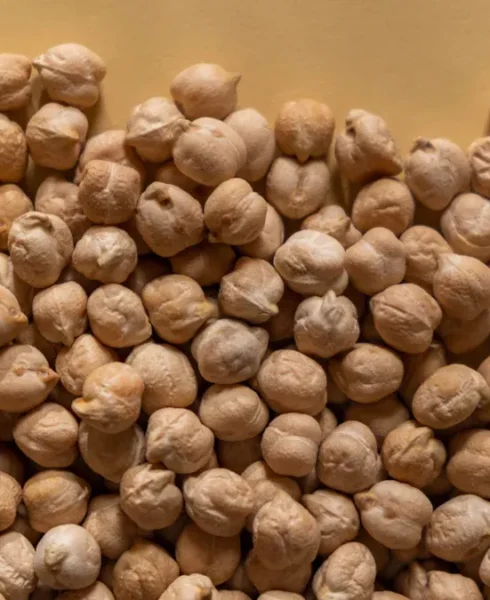
Tannic acid is in tea, wine, grapes, and berries. You can also find it in nuts and some beans. Unripe fruits and some tree bark have tannic acid too. When you eat these foods, your mouth may feel dry or puckery.
Is tannic acid safe for children?
Doctors say eating a little tannic acid in food is safe for most kids. Taking a lot or using supplements can cause problems. Parents should talk to a doctor before giving tannic acid products to kids.
Can tannic acid help with skin problems?
Tannic acid can help calm small skin problems. Some creams use it to help rashes or stop bleeding. People with sensitive skin should try a small spot first.
Does tannic acid interact with medicines?
Tannic acid can make it harder for your body to use some medicines or minerals like iron. If you take medicine, ask a doctor before using tannic acid products.
How does tannic acid affect the taste of food?
Tannic acid makes food taste dry or puckery. This feeling is called astringency. You notice it in strong tea, red wine, and some fruits. Many people taste it right away.