
You may ask which source of mono and di glycerides is best for your food. Most experts say plant-based sources are better for your health, morals, and the planet. In 2024, plant-based choices made up 59.5% of the market. Both plant and animal sources make mono- and diglycerides with the same chemical structure. But the source can change what you eat and what you believe. Always read the label because these fats can come from many places.
Key Takeaways
Pick plant-based mono and diglycerides for better health. They are also better for the environment. – Always check food labels to find out where mono and diglycerides come from. This is very important if you have allergies. – Plant-based choices are good for vegans and vegetarians. Animal-based ones are not good for them. – Know that some mono and diglycerides might be tied to health problems. These problems can include heart disease and cancer. – Help the planet by choosing products with eco-friendly labels. This supports good and safe practices.
Mono and Di Glycerides: Health
Nutritional Value
Mono- and diglycerides are made by mixing glycerol with fatty acids. These fats can come from plants or animals. Their chemical structure does not change based on the source. You can find mono and di glycerides in many foods like margarine and baked goods. They help mix things like oil and water that do not blend well.
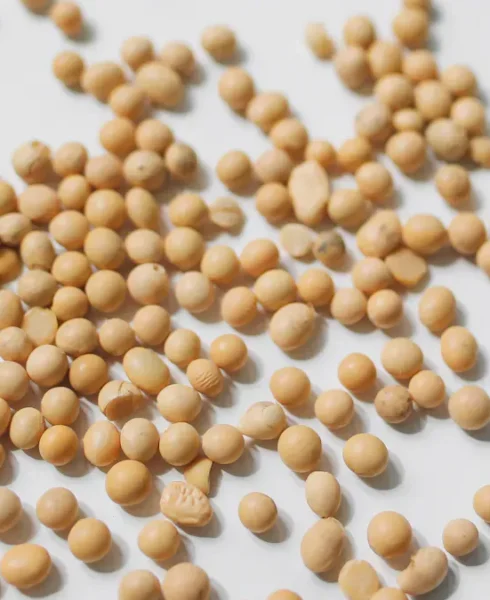
Mono- and diglycerides are made from vegetable oils like soybean, canola, sunflower, or palm oil.
Animal sources use fats from cows and pigs.
They are made using transesterification or direct esterification.
Mono- and diglycerides do not give you much nutrition. They add a little fat but no vitamins, minerals, or protein. Most companies use these fats to make food last longer and feel better, not to make it healthier.
Ingredient | Composition | Functional Properties | Common Applications |
|---|---|---|---|
Monoglycerides | One fatty acid chain | Baked goods, dairy products, spreads | |
Diglycerides | Two fatty acid chains | Enhance texture and mouthfeel | Ice cream, whipped toppings |
Allergen Risks
Mono- and diglycerides are safe for most people. They do not have gluten, so they are okay for gluten-free diets. Some foods use soy-based mono- and diglycerides. If you are allergic to soy, you might react to these. Soy has over 15 proteins that can cause allergies. People with soy allergies may have IgE antibodies that react to these proteins. Always check labels for allergens.
Mono- and diglycerides from soybeans can cause allergies in some people.
Soy is a common food allergen.
Some soy proteins, like Gly m 5 or Gly m 6, can cause strong reactions.
You should always read ingredient lists if you are allergic to soy or animal fats.
Health Effects
Mono- and diglycerides are in many processed foods. They help make foods smooth and stable. New studies show that eating a lot of these fats may be bad for your health. Some research links them to higher risks of cancer, like breast and prostate cancer.
Health Effect | Association | Study Reference |
|---|---|---|
Cancer Risk | Higher intakes of mono- and diglycerides associated with overall, breast, and prostate cancer risk | NutriNet-Santé cohort |
Eating more processed foods with mono and di glycerides can also raise your risk for heart disease. Some types, like lactic and citric acid esters of mono- and diglycerides, are linked to heart problems. You should eat fewer processed foods with added fats to stay healthy.
Eating more mono- and diglycerides of fatty acids (E471 and E472) is linked to higher risks of heart disease.
Lactic ester of mono- and diglycerides (E472b) is linked to heart and brain blood vessel disease.
Citric acid ester of mono- and diglycerides (E472c) is also linked to more heart problems.
Tip: You can make better choices by reading labels and picking foods with less added fat.
Mono- and Diglycerides: Dietary Needs

Vegan and Vegetarian
Some people want to know if mono- and diglycerides are okay for vegans or vegetarians. These food additives can come from plants or animals. If you pick plant-based products, you avoid animal ingredients. Most big diet groups say plant-based mono- and diglycerides are good for vegans and vegetarians. But you cannot always know the source from the ingredient list. Some companies use beef or pork fat to make these additives. Animal-based mono- and diglycerides are not vegan. You should look for labels that say “100% plant-based” or “vegetable mono- and diglycerides” to be sure.
Tip: If you are vegan or vegetarian, check for “vegetable” or “plant-based” on the label. If you are not sure, ask the company for details.
Common sources of mono- and diglycerides:
Vegetable oils like soybean, canola, sunflower, or palm
Animal fats such as beef or pork
The source is important. If you want to avoid animal products, always check where these ingredients come from.
Religious Restrictions
Mono- and diglycerides are also important for people with religious food rules. If you follow halal or kosher diets, you need to know the source. Mono- and diglycerides from plants are halal. If they come from animals, they may not be halal. Look for products that say “100% vegetable mono- and diglycerides” to be safe.
For kosher diets, these additives are sensitive. Mono- and diglycerides might come from animal fat or be made on machines that use animal fat. This makes them tricky for kosher rules. Only buy products with trusted kosher certification. This helps you follow kosher laws and avoid mix-ups.
Checklist for religious dietary needs:
Pick “vegetable mono- and diglycerides” for halal.
Choose foods with trusted kosher certification.
Stay away from foods with unknown sources if you keep halal or kosher.
Note: Many processed foods have mono- and diglycerides. Always look for kosher or halal symbols on the package.
Allergy Concerns
Mono- and diglycerides can be a problem for people with allergies. The source changes the allergy risk. If you are allergic to soy or palm, you may react to mono- and diglycerides from these oils. Some people with soy allergies react to even tiny amounts. Always read labels and look for allergy warnings.
Food makers must follow rules to keep allergens safe. They check labels, change recipes, and teach workers about allergens. They also clean well to stop cross-contact. You can stay safe by reading ingredient lists and checking for allergy notes.
Allergen Source | Risk Level | What You Should Do |
|---|---|---|
Soy | High | Avoid soy-based mono- and diglycerides |
Palm | Moderate | Check for palm oil if allergic |
Animal fats | Low | Check if you have animal fat allergies |
Alert: If you have food allergies, always check the label for mono and di glycerides and ask the company about their source.
Ethical and Environmental Impact

Animal Welfare
Some people care about animal welfare when picking mono- and diglycerides. If you choose fats from animals, you support raising animals for food. This means you help the livestock industry. Many worry about how animals are treated. You can avoid these worries by picking plant-based mono- and diglycerides. Plant-based choices do not use animals. This helps lower animal suffering.
If you want to help animals, pick plant-based mono- and diglycerides.
Sustainability
You can help the earth by picking sustainable fats. Food companies now try to protect nature when making mono- and diglycerides. Many use plant oils that can be grown again and again. They also use eco-friendly ways to make these fats. Some brands get special labels to show they care about the planet. You see more products with these labels in stores. These steps help you pick foods that are better for the earth.
Many brands work on getting sustainable mono- and diglycerides.
Eco-friendly ways use plant oils that grow back.
Labels and certifications help you find cleaner foods.
New bio-based methods make foods healthier and clearer.
Brands that show they care about the earth get more buyers.
Environmental Footprint
You can look at land and water use to compare plant-based and animal-based mono and di glycerides. Making them from animals uses much more land and water than using plants. Here is a simple table to show the difference:
Aspect | Animal-Based Production | Plant-Based Production |
|---|---|---|
Land Use | 13% of land use | |
Water Use | 100 times more water | Less water required |
Contribution to Soil Erosion | 90% of cropland losing soil | N/A |
Palm oil is a common plant source for mono- and diglycerides. Making palm oil can hurt the environment. It causes forests to be cut down and animals to lose their homes. It also adds more carbon to the air. Palm oil farms often replace rainforests and peatlands. These places store carbon and give homes to animals. Animal fats come from raising animals, so their impact may be different. You should think about these facts when you pick what to buy.
Practical Considerations
Availability
Mono- and diglycerides are in many foods everywhere. Most of these come from plants. In 2024, plant-based types made up 59.5% of the world market. More people want these because they are better for the earth and allergies. You can find them in food and personal care items.
Plant-based mono- and diglycerides are easier to buy than animal ones.
Companies pick plant sources to help vegans and people with allergies.
More people want plant-based choices every year.
Where you live changes what you see in stores. The table below shows how things are different in Asia Pacific:
Region | Source Type | Key Trends |
|---|---|---|
Asia Pacific | Plant-based | Many people want healthy, vegan, and non-GMO products. |
Animal-based | Still used a lot in old-style foods. | |
More people want clean-label and earth-friendly foods. | ||
People eat more processed foods, so they need more emulsifiers. | ||
Diets are changing because more people live in cities and have more money. | ||
People in places like Japan want natural ingredients. |
Labeling
You need to read labels to know where mono- and diglycerides come from. Some countries have rules to help you. For example:
In China, food labels must show allergens. They use bold or underlined words near the ingredient list.
In the EU, companies must say where the main ingredient is from if it is not the same as the product’s origin. This helps you know more about where things come from.
Most labels do not say if mono- and diglycerides are from plants or animals. Rules often stop companies from giving more details about the ingredients. You may only see what the law says they must show.
Tip: If you do not want animal fats, look for “vegetable mono- and diglycerides” or ask the company for more information.
Cost
The price of mono- and diglycerides changes when raw materials cost more. Plant-based ones use vegetable oils, and their prices can go up and down a lot. This makes foods with these emulsifiers cost more or less. Fancy, organic, or non-GMO types cost even more because their ingredients change in price a lot. Small food companies may have trouble paying for these when prices rise.
When vegetable oil prices change, plant-based mono- and diglycerides cost more.
Fancy and organic products are more expensive.
Price changes can make these emulsifiers hard to buy in some places.
You should think about price, labels, and how easy they are to find when picking foods with mono- and diglycerides.
You make a better choice when you pick plant-based mono- and diglycerides. These sources support your health, fit more diets, and help the planet. You should always check food labels and know where E471 appears in foods.
Read labels carefully to spot plant-based options.
Think about your health and any allergies.
Choose whole, unprocessed foods when you can.
Ask a dietitian if you have questions about your diet.
Making informed choices helps you eat better and live well.
FAQ
Can you tell if mono- and diglycerides are plant-based by reading the label?
Most labels do not show the source. Look for words like “vegetable” or “plant-based.” If you do not see these, ask the company for more information.
Are mono- and diglycerides safe for people with food allergies?
Mono- and diglycerides are safe for most people. If you have a soy or palm allergy, check the label. Some foods use soy or palm oil to make these ingredients.
Do mono- and diglycerides affect vegan or vegetarian diets?
You need to know the source. Plant-based mono- and diglycerides work for vegan and vegetarian diets. Animal-based ones do not. Look for “vegetable” or “plant-based” on the package.
Why do food companies use mono- and diglycerides?
Food makers use mono- and diglycerides to mix oil and water. These ingredients help foods stay fresh and smooth. You can find them in bread, ice cream, and snacks.
Is palm oil in mono- and diglycerides bad for the environment?
Palm oil can hurt rainforests and animals. You help nature by picking products with certified sustainable palm oil or other plant oils.
Tip: Always read labels and ask questions to make smart choices about what you eat.