L-Lysine is an essential amino acid needed to build proteins, maintain tissues, and meet basic nutritional requirements. Your body cannot make it, so dietary supply matters.
Food, supplements, fortified products, and animal-feed formulas provide lysine in different forms and amounts. For ingredient buyers, its nutritional role is only part of the assessment; grade, lysine content, processing conditions, and intended use also determine suitability. Start with what the amino acid does, then match the source and specification to your application.
What Is L-Lysine, and Why Is It Essential?
L-lysine is one of the nine essential amino acids humans must obtain through their diet. Proteins contain linked amino acids, and lysine is one of the components required to build those proteins.
An amino acid the body needs
The “L” identifies the molecular form used in human protein synthesis. Food proteins release lysine and other amino acids during digestion, which the body absorbs and uses according to its needs.
An adequate supply depends on both food quantity and protein quality. A diet can provide enough total protein while supplying an uneven balance of essential amino acids, particularly when food choices are restricted.
The scientific review Lysine: Sources, Metabolism, Physiological Importance describes lysine’s classification and nutritional functions. Its essential status establishes a dietary requirement; it does not mean everyone needs a separate supplement.
The amino acid and its hydrochloride salt
L-lysine hydrochloride, also written as L-lysine HCl, is a salt form commonly selected for ingredient applications. It offers a stable, practical form for storage, handling, and incorporation into suitable formulations.
Our L-lysine hydrochloride ingredient is fermentation-derived and supplied as a white to slightly yellowish crystalline powder. Its CAS number is 657-27-2.
The hydrochloride portion contributes to the ingredient’s total mass. Ingredient weight and delivered lysine weight are therefore different figures, an important distinction when calculating an inclusion level or comparing quotations.
A product name alone does not establish its suitability for human food, supplements, or feed. Those applications require the appropriate grade and supporting specification.
How L-Lysine Helps the Body Use Protein and Support Tissue
L-lysine supports normal protein production as part of a complete amino acid supply. Its contribution depends on adequate energy, other essential amino acids, and the wider nutritional conditions needed for tissue maintenance.
Protein synthesis and tissue repair
Muscle, skin, enzymes, and many other body proteins contain lysine. The body continually breaks down and rebuilds proteins, so dietary amino acids support ongoing maintenance as well as growth and repair.
If lysine is limiting, adding more of another amino acid cannot fully replace it. Protein quality therefore depends on the balance of essential amino acids, not simply the protein number on a nutrition panel.
A review of lysine nutrition and growth discusses its importance during childhood and adolescence. That nutritional role should remain separate from claims that supplements increase growth or accelerate recovery in adequately nourished people.
Meeting a requirement and demonstrating an added benefit are different questions. A recovery claim needs evidence for the population, amount, and outcome being described.
Collagen formation and calcium use
Lysine residues participate in collagen structure and the cross-links that help stabilize connective tissue. Collagen production also requires other amino acids and supporting nutrients, including vitamin C.
Providing lysine alone does not establish that a product improves skin appearance, joint comfort, or wound healing. Those outcomes require their own evidence.
Lysine has also been studied for effects on calcium absorption and retention. These findings do not establish a routine benefit for everyone or justify claims that lysine supplements prevent bone disease.
For food and supplement formulations, describe the established nutritional function accurately. Keep broader skeletal or collagen-related claims within the evidence and labeling rules that apply to the finished product.
Which Foods Provide L-Lysine?
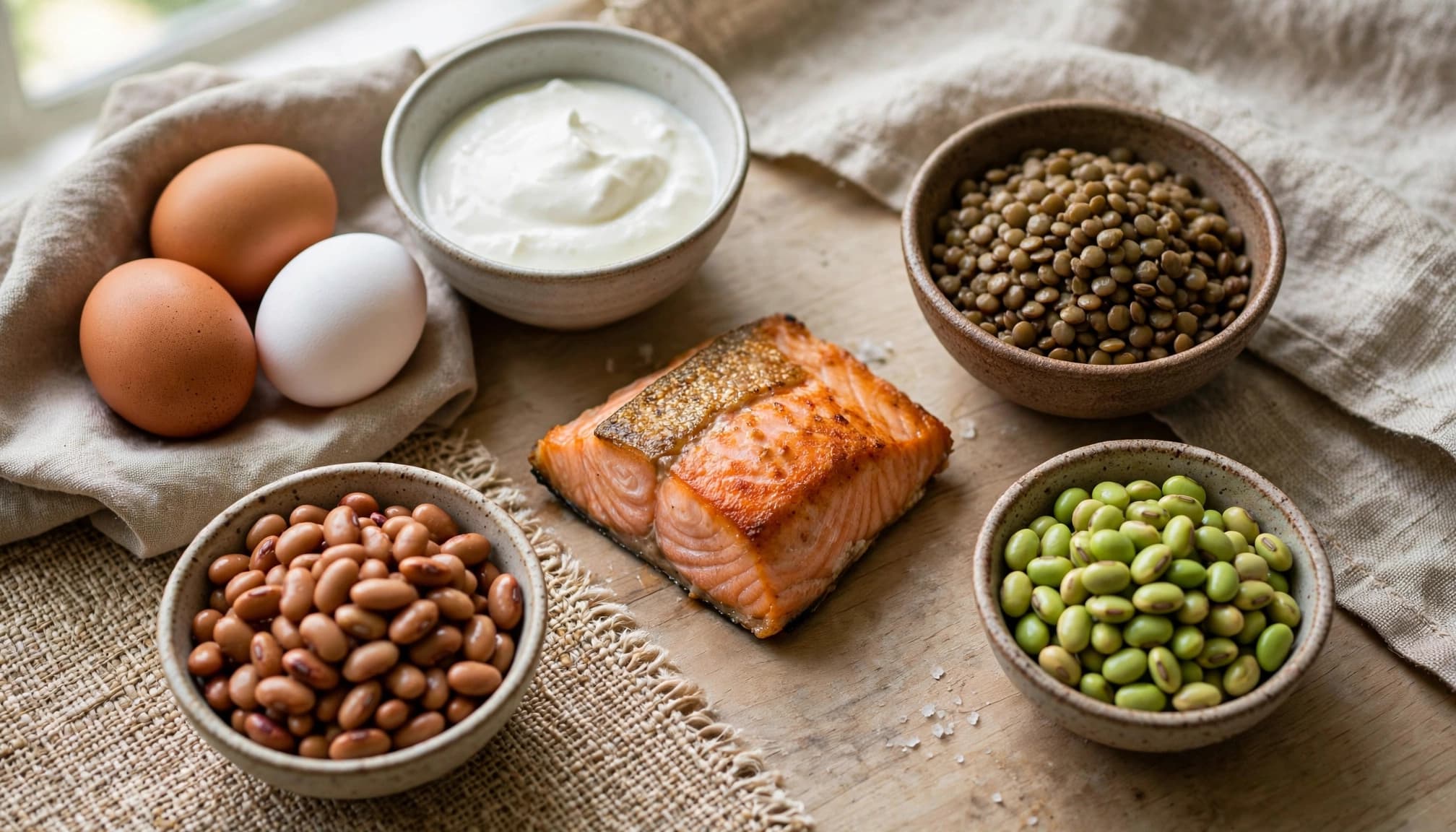
Meat, fish, eggs, dairy products, soy foods, beans, and lentils provide lysine. A varied diet can meet requirements without relying on a single food or an isolated amino acid product.
Animal foods provide practical sources
Beef, chicken, pork, salmon, and tuna contribute lysine alongside other essential amino acids. Eggs, milk, yogurt, and cheese offer additional options for people who include these foods.
Portion size affects the amount supplied. A small quantity used for flavoring contributes less protein and lysine than a substantial serving of the same food.
Research on food sources of protein and amino acids illustrates how different food groups contribute to amino acid intake. Population-level contributions reflect eating patterns, so they should not be treated as a ranking of individual foods by concentration.
Plant foods require attention to balance
Tofu, tempeh, edamame, beans, chickpeas, and lentils are useful plant-based lysine sources. Soy and pea proteins can also contribute lysine in formulated foods.
Some cereal proteins contain less lysine relative to nutritional requirements. Wheat gluten, including seitan, is a clear example of a concentrated protein source with a comparatively limited lysine profile.
Combining legumes with grains across the day’s meals can improve the overall amino acid balance. Foods do not need identical amino acid profiles to contribute to an adequate diet.
For product development, evaluate the actual protein ingredients and their proportions. A plant-based claim does not establish protein quality, and the presence of all essential amino acids does not establish adequate amounts of each.
Use composition data and appropriate digestibility information when assessing whether lysine fortification addresses a nutritional gap.
How L-Lysine Is Used in Supplements, Foods, and Animal Feed
L-lysine appears in supplement tablets, capsules, powders, fortified foods, and feed premixes. Each application has different nutritional targets, processing conditions, and regulatory requirements. A single inclusion rate cannot cover them all.
L-Lysine and L-Lysine HCl in ingredient formulations
L-lysine HCl is used in supplements and food fortification, including suitable cereal, flour, and plant-based protein products. Its stability and handling characteristics make it practical for controlled ingredient addition.
Our product information gives an indicative available L-lysine range of about 78% to 83%, depending on purity and specification. Use the product-specific lysine declaration and assay basis when calculating formulation levels.
A percentage expressed as hydrochloride purity is not automatically the same as a percentage expressed as lysine. Compare quotations on the same analytical basis before assessing cost per unit of delivered lysine.
Ingredient stability also differs from stability in the finished food. Evaluate the complete formula under its actual processing and storage conditions.
Why animal-feed formulas add lysine
Feed-grade lysine helps meet amino acid requirements in poultry, swine, aquaculture, and ruminant nutrition. Correcting a lysine shortfall can support protein synthesis and improve feed efficiency within a balanced diet.
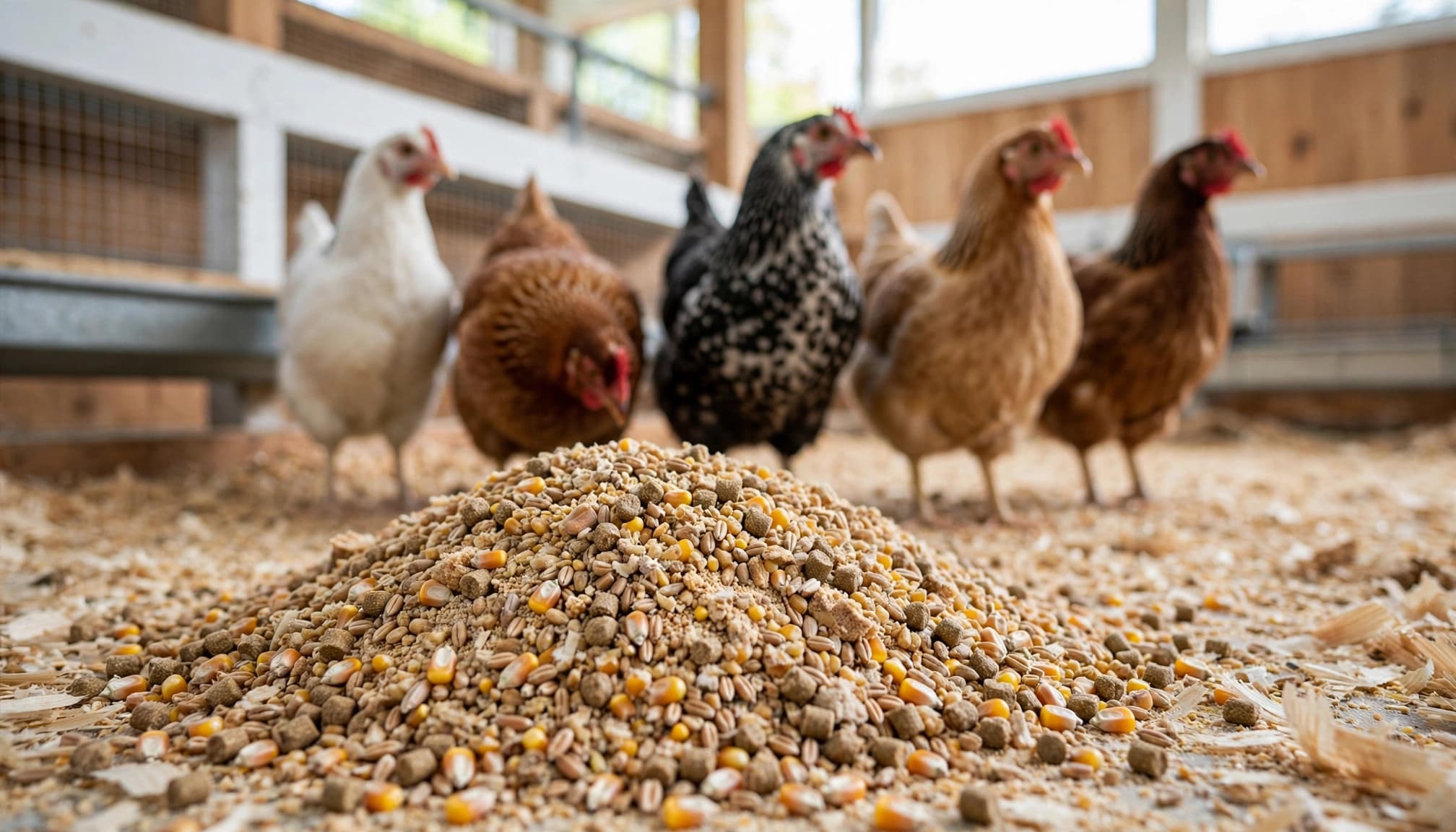
Formulation levels depend on species, growth stage, feed ingredients, and digestible amino acid targets. Our discussion of lysine and methionine in poultry feed addresses their use together.
Ruminant diets need additional consideration because rumen microbes can break down unprotected amino acids. Protected forms may be appropriate where the nutritional target requires delivery beyond the rumen.
Excess lysine cannot compensate for shortages of other amino acids, energy, or minerals.
What to Know Before Taking or Formulating L-Lysine
Dietary intake, supplement use, and commercial formulation require different decisions. Ordinary food choices concern the overall diet; supplements require personal safety assessment; manufactured products require defined specifications and permitted uses. Keep those decisions separate.
Supplements need a personal assessment
A varied diet containing adequate protein often supplies enough lysine. Before adding a supplement, identify whether the purpose is correcting dietary inadequacy or pursuing a separate health outcome.
Follow the product directions rather than transferring an amount used in a study to your own routine. Research amounts, participant characteristics, and treatment periods may differ from your circumstances.
Seek advice from a qualified health professional if you are pregnant, breastfeeding, managing a medical condition, or taking medicines. Kidney disease and other conditions affecting protein or amino acid handling deserve particular attention.
Higher supplemental intake can cause gastrointestinal discomfort, including nausea, abdominal pain, or diarrhea. More lysine does not automatically provide greater benefit.
Commercial formulas need a defined specification
Food-grade and feed-grade materials are not interchangeable purchasing choices. Suitability depends on identity, purity, contaminant limits, microbiological requirements, intended use, and local regulations.
Use the technical specification and batch certificate of analysis to establish the calculation basis. Distinguish lysine content, hydrochloride assay, moisture, and whether results are reported on a dry basis or as supplied.
Processing can also affect nutritional availability. Lysine can react with reducing sugars during heating, so an incoming ingredient assay does not establish how much remains nutritionally available after processing.
Evaluate mixing uniformity, sensory effects, and finished-product stability in a controlled trial. Compare the trial with a control under the same conditions.
Our team can support application-focused product matching, samples, and documentation. Share your finished product, process, target market, and required specification to define a suitable starting point.
Choose the Form Around the Application
L-lysine is an essential amino acid supplied by familiar foods and used in supplements, food fortification, and animal nutrition. Its value depends on whether it addresses a defined dietary or formulation requirement.
Choose food sources around overall nutritional balance. For commercial products, choose the grade and form around delivered lysine, processing conditions, and permitted use rather than ingredient name alone.
A sound starting point is a defined application and a clear specification. Balanced formulation and controlled evaluation provide a stronger basis for decisions than broad benefit claims or a universal dosage.