You often see isoascorbic acid and sodium d-isoascorbate on food labels. These are important antioxidants. They help keep food fresh. They also stop food from going bad. Isoascorbic acid looks like vitamin c. But it does not work like vitamin c in your body. You find it used as a preservative in many meat and fish products. This helps food stay colorful. It also helps food stay safe to eat.
Isoascorbic acid is in almost 5,000 meat products in Europe. It helps keep the color stable. It also makes food last longer.
Food makers use sodium d-isoascorbate and other organic acids. They spray or dip fish with these to stop bacteria.
You rely on these uses to have fresh and safe food every day.
Key Takeaways
Isoascorbic acid is an important antioxidant. It helps food stay fresh and safe. It stops food from going bad.
People use it in more than 5,000 meat products in Europe. It helps meat keep its color. It also makes meat last longer.
Food makers add isoascorbic acid to stop bad compounds. This makes processed meats safer for people.
Erythorbic acid is a type of isoascorbic acid. It helps cured meats keep their color. It makes them look bright.
Isoascorbic acid and sodium ascorbate are safe to eat. Groups like the FDA say they are safe.
Isoascorbic Acid Overview
Chemical Properties
Isoascorbic acid is special because of its structure. It is part of the ascorbate family, which has many antioxidants. Isoascorbic acid looks like ascorbic acid but is a little different. It does not have the C(2)-OH group. The C(3)-OH group is arranged in a new way. Scientists use light tests to see this change. These differences change how isoascorbic acid works in food.
When you read a label and see sodium ascorbate or sodium isoascorbate, these are salt forms. Food makers pick sodium ascorbate because it mixes well with water. This helps it blend into foods like ham and sausage. You also find sodium ascorbate in snacks and drinks. It is a strong antioxidant. It stops fats and colors from breaking down.
Isoascorbic acid and sodium ascorbate both help food stay fresh. They slow down spoilage. You can see this in many meat products. Adding sodium ascorbate helps meat keep its red color. It also stops bad compounds from forming.
How factories make isoascorbic acid is important. There are two main ways to make it. You can see the differences in this table:
Method | Type | Advantages | Disadvantages |
|---|---|---|---|
Enzymatic synthesis | Biocatalytic | High catalytic efficiency, mild conditions, inherent selectivity | Limited availability of enzymes |
Chemical synthesis | Traditional | Established methods, potentially higher yields | Corrosive catalysts, side-products, high energy consumption |
Sodium ascorbate is often made by these methods. Each way has good and bad points. Enzymatic synthesis uses special proteins to make the process faster. Chemical synthesis uses strong chemicals and can make more product. But it can also make unwanted byproducts.
Isoascorbic vs. Ascorbic Acid
Isoascorbic acid and ascorbic acid look almost the same. But they do not work the same in your body or in food. Ascorbic acid is vitamin C, which your body needs. Isoascorbic acid is not vitamin C, but it still helps keep food safe.
The main difference is in their structure. Ascorbic acid has both the C(2)-OH and C(3)-OH groups. These groups help it work as vitamin C. Isoascorbic acid does not have the C(2)-OH group. Because of this, your body cannot use it as vitamin C. Still, both isoascorbic acid and sodium ascorbate protect food from spoiling.
You see ascorbate and sodium ascorbate in many foods. Food makers started using ascorbic acid in the early 1900s. Scientists found L-ascorbic acid in 1928. By 1933, factories could make a lot of it. Later, they learned how to make D-isoascorbic acid. Now, sodium ascorbate and sodium isoascorbate are in many foods as preservatives.
You can find sodium ascorbate in cured meats, fish, and some drinks. It helps keep food colorful and fresh. Isoascorbic acid and sodium ascorbate both stop bad changes in food. They block reactions that cause spoilage.
Note: Isoascorbic acid and sodium ascorbate are not vitamin C. But they are important for keeping food safe and tasty.
You can trust ascorbate and sodium ascorbate to help food last longer. They also lower the chance of bad compounds forming during processing. When you pick foods with sodium ascorbate, you get products that stay fresh and look good.
Uses in Food
Antioxidant Role
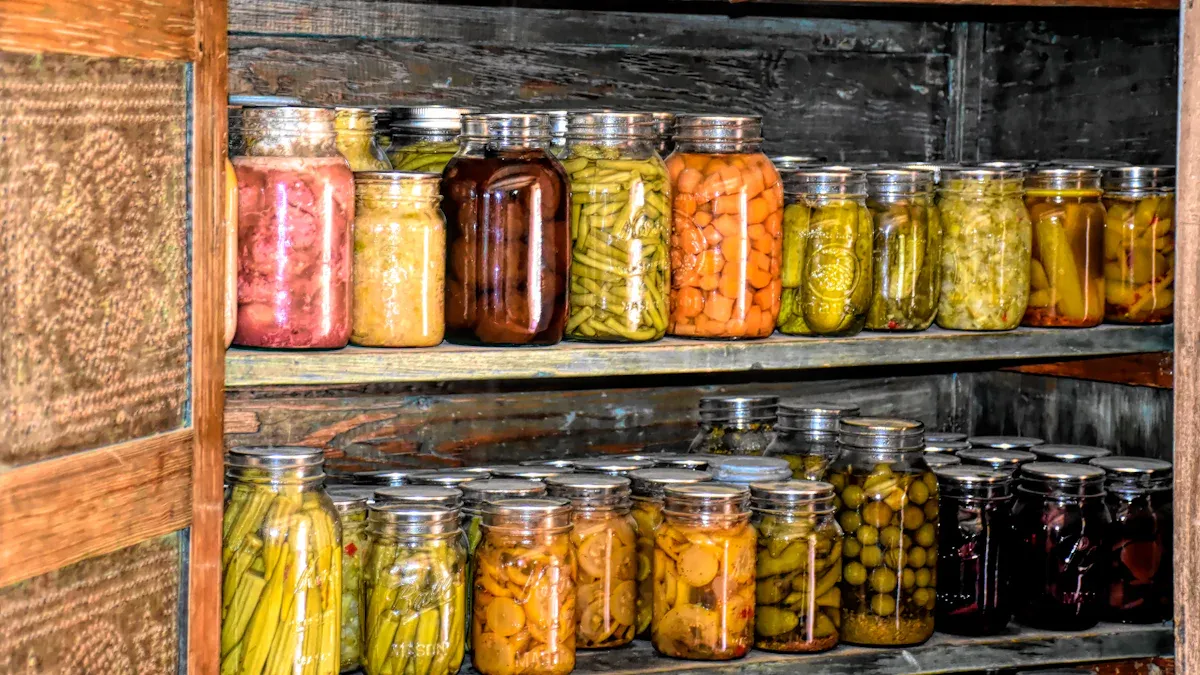
Erythorbic acid is used in many foods. Its main job is to stop oxidation. This helps food stay fresh and safe. When you add erythorbic acid, it acts as an antioxidant. It blocks reactions that break down fats and colors. This is very important in meat and preserved meats.
Food makers put erythorbic acid in cured meats and drinks. They also use it in other foods. The table below shows how it is used and how much is added:
Food Category | Application | Typical Concentration |
|---|---|---|
Cured Meats | Antioxidant to prevent color fading | |
Beverages | Stability enhancement, especially in soft drinks | N/A |
Erythorbic acid helps sausage, ham, and other meats last longer. It also keeps the taste and texture good. Studies show erythorbic acid works well as an antioxidant. For example, Rojas and Brewer (2007) found ascorbic acid stops fat from breaking down in beef patties. Zhang et al. (2016) showed ascorbic acid keeps pork sausage from going bad. These uses help your food stay fresh for more time.
Tip: Keep foods with erythorbic acid away from light and air. High heat and long storage can make it work less well.
Erythorbic acid does not like light or air.
Heat and time can make it weaker.
Store products in cool places and keep out light.
Color Retention
You want your meats to look bright and fresh. Erythorbic acid helps keep the color in cured meats. It acts as a stabilizer for color. When you add erythorbic acid, it works as a reducing agent. This keeps the pink color in ham and sausage. Erythorbic acid helps make nitric oxide myoglobin, which keeps color. It also lowers metmyoglobin, so color does not fade.
Other additives, like nitrites, can turn brown if they oxidize. Erythorbic acid is better because it keeps color stable as an antioxidant. You see this in many meat products. For example, Ferrentino and Scampicchio (2015) found ascorbic acid keeps apple puree colorful. Vermeulen et al. (2006) showed ascorbic acid keeps fruit juice bright and tasty.
Processed Meat Safety
You want your food to be safe. Erythorbic acid helps make processed meats safer. One big use is to lower the risk of harmful compounds, like nitrosamines. Nitrosamines can form when nitrites react with proteins in meat. Erythorbic acid blocks this from happening.
The table below shows how erythorbic acid helps lower nitrosamines in meats:
Study Reference | Findings |
|---|---|
Fiddler et al. [1978] | Inhibitors like ascorbic acid decrease nitrosamine levels. |
Li et al. [2012] | Ascorbic acid reduces NDMA formation. |
Marriott et al. [1981] | Ascorbic acid lowers VNA levels. |
Mejborn et al. [2019] | Ascorbic acid helps reduce nitrosamine formation. |
Rywotycki [2002] | Ascorbic acid works well in processed meats. |
Erythorbic acid is used in sausage, ham, and other meats. It helps keep these foods safe for you. Food makers use erythorbic acid to meet safety rules and protect your health.
Note: Erythorbic acid is used in many foods. You find it in cured meats, drinks, and more. It helps keep food fresh, colorful, and safe.
Safety and Regulations
Regulatory Status
You can feel safe eating erythorbic acid in food. Groups like the FDA and EFSA say it is okay to use. They check food ingredients before stores sell them. Erythorbic acid works as an antioxidant in drinks and meats. It helps food stay fresh and keeps colors bright. It also makes meats and drinks last longer.
Scientists have looked at erythorbic acid for a long time. They study if it can harm your health. The table below shows what they found in different tests:
Study Type | Findings |
|---|---|
2-year oral carcinogenesis bioassay | |
Genotoxicity | Some genotoxicity was seen with certain enzymes or metals. |
Clinical Studies | No bad effects in people with skin burns or radiation. |
Skin Sensitization | 5% Ascorbic Acid did not cause skin problems in tests. |
Antioxidant Properties | Ascorbic Acid stops nitrosamine from forming in tests. |
These studies show erythorbic acid does not cause cancer or skin issues. It is a strong antioxidant. This helps protect your food and health. Food makers add erythorbic acid to boost vitamins and keep food good longer.
Dietary Considerations
You might wonder if erythorbic acid fits your diet. Food makers put it in drinks and meats. You can eat foods with erythorbic acid if you are vegan, vegetarian, or gluten-free. The table below shows how it fits these diets:
Classification | Details |
|---|---|
Vegan | Yes |
Vegetarian | Yes |
Gluten Content | Not present |
You do not need to worry about gluten or animal products. Erythorbic acid is safe for most people. Some people may get side effects if they eat too much. The table below lists possible side effects:
Side Effect | Description |
|---|---|
Gastrointestinal issues | |
Renal issues | Kidney stones can happen if you eat a lot. |
Nervous system effects | Dizziness, tiredness, headache, and migraines can happen. |
Allergic reactions | Rare; may include rashes, itching, hives, or severe reactions. |
Tip: You can avoid side effects by following serving sizes on labels. Most people do not have problems with normal amounts of erythorbic acid.
Erythorbic acid helps keep food safe, colorful, and fresh. It makes food last longer and keeps vitamins stable. You get these benefits when you choose foods with erythorbic acid.
Isoascorbic acid helps keep your food fresh and safe. It is in many meats and drinks. It keeps the color, taste, and nutrients from changing. Food makers use it because it is a strong antioxidant. It is also safe to use.
Benefit | Description |
|---|---|
Stops oxidation, so food stays good longer. | |
Improved Quality | Keeps taste, color, and nutrition strong. |
Less Food Waste | Longer shelf life means less food gets thrown away. |
You see more foods with isoascorbic acid now. People want foods with simple, natural ingredients. Isoascorbic acid fights oxidation well. It also works with other antioxidants. This is why food makers like to use it.
FAQ
What foods contain isoascorbic acid?
Isoascorbic acid is in cured meats and sausages. You also find it in smoked fish and some drinks. Food makers add it to help keep food fresh and colorful. Always check the ingredient list for erythorbic acid or sodium erythorbate.
Is isoascorbic acid safe for you to eat?
Yes, it is safe to eat foods with isoascorbic acid. The FDA and EFSA say it is okay to use. Scientists have checked it for safety. You should follow the serving size on the label.
Does isoascorbic acid cause allergies?
Most people do not get allergies from isoascorbic acid. Rarely, someone might get a rash or itchy skin. If you see these signs, stop eating the food and tell your doctor.
Is isoascorbic acid vegan and gluten-free?
Isoascorbic acid is vegan and gluten-free. It does not come from animals or wheat. You can eat it if you are vegan or gluten-free.
How do you spot isoascorbic acid on food labels?
Look for names like “erythorbic acid” or “isoascorbic acid” on the label. You might also see “sodium erythorbate,” E315, or E316. These all mean the same thing.