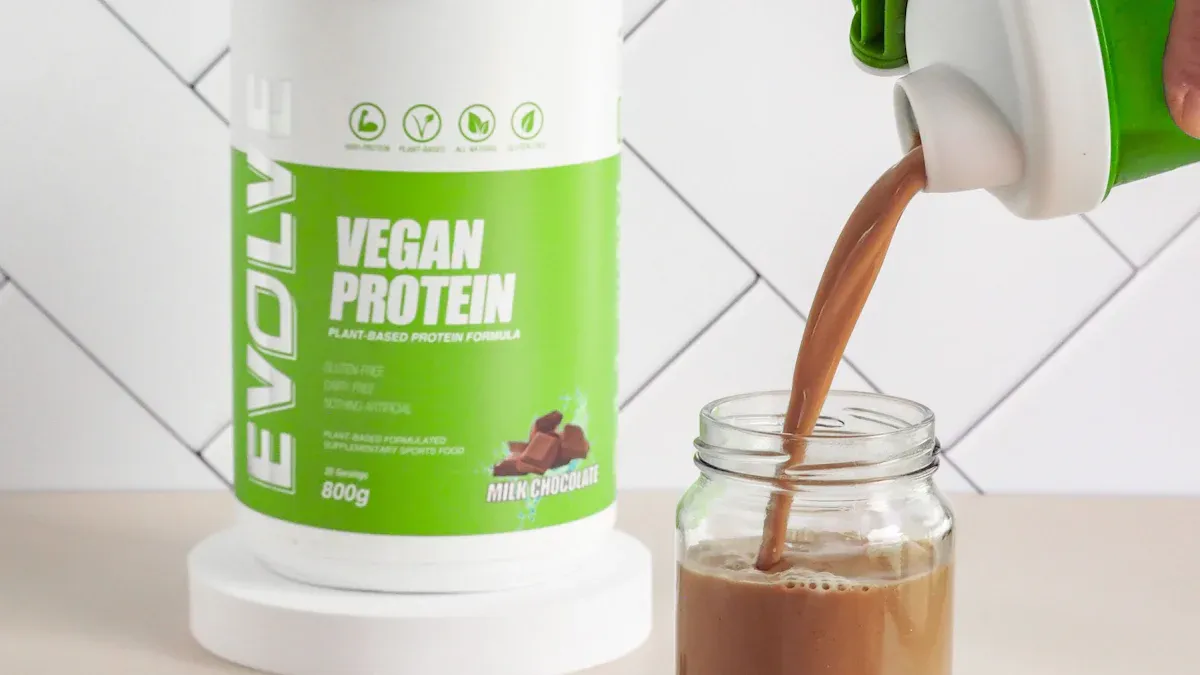
Is Pea Protein Isolate Enough for All Essential Amino Acids
Pea protein isolate contains all nine essential amino acids, but methionine is lower. Combine with other proteins for a balanced amino acid profile.
Pea protein isolate contains all nine essential amino acids, but methionine is lower. Combine with other proteins for a balanced amino acid profile.
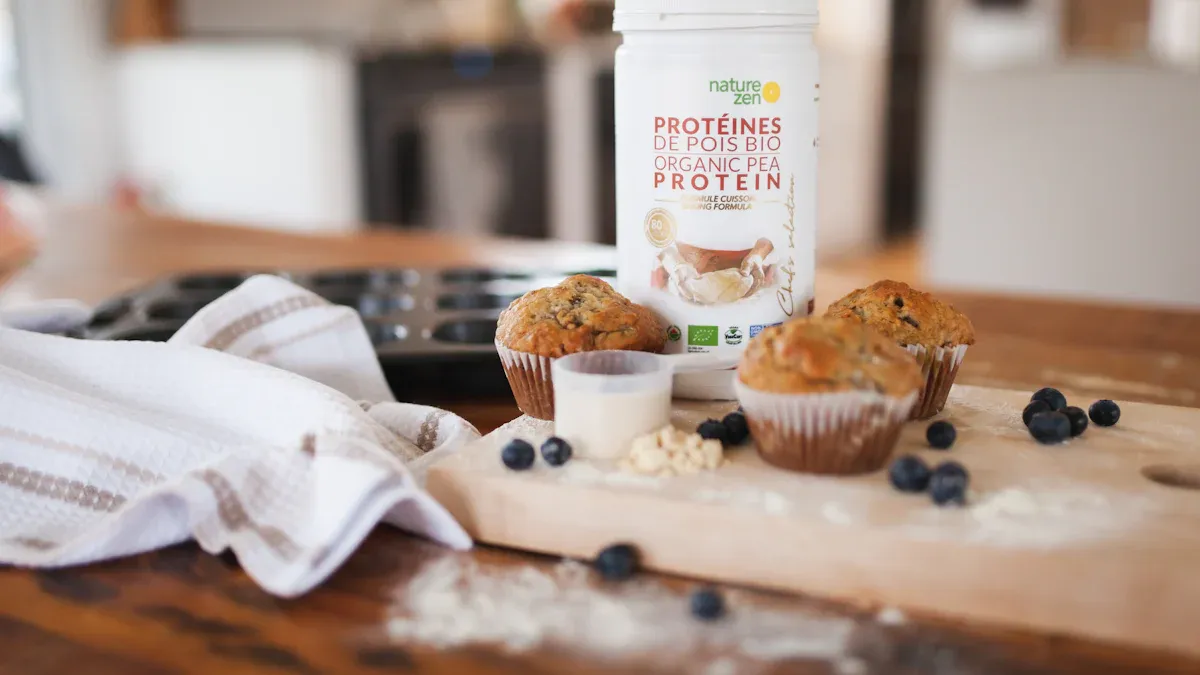
Compare pea protein vs whey protein for muscle gain, digestion, dietary needs, and cost to find the best option for your health goals.
Pea protein vs soy protein: Compare nutrition, allergies, muscle support, and eco-friendliness to choose the best plant protein for your diet.
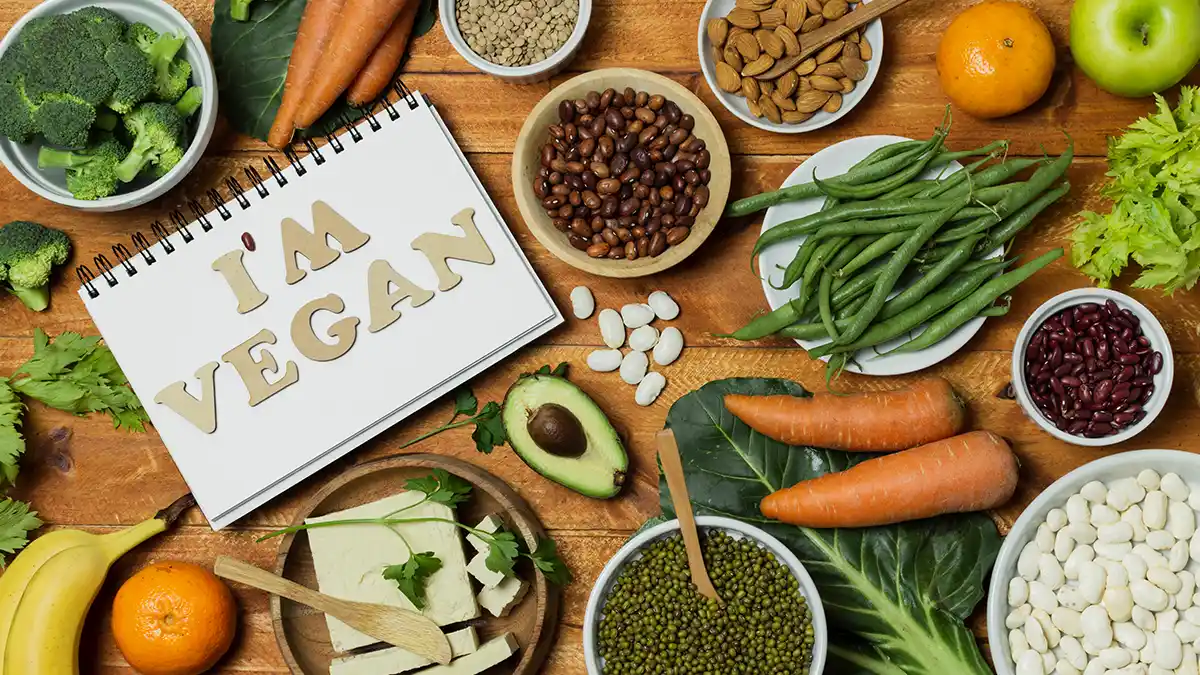
Pea protein isolate is low FODMAP in servings up to 20g, but check labels for added high FODMAP ingredients to avoid digestive symptoms.

Agglomerated instant coffee forms larger granules for quick dissolving, smooth taste, and convenience, making it ideal for busy lifestyles.
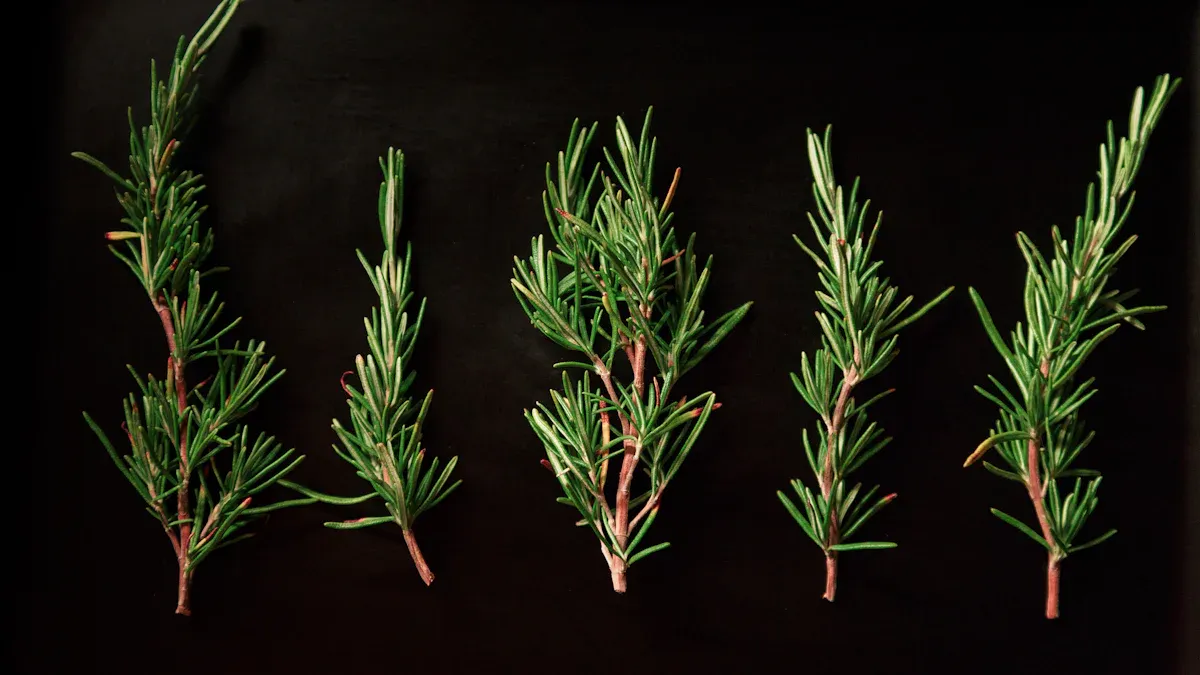
Compare Natural Antioxidants: Vitamin E, tea polyphenols, rosemary extract, and hydroxytyrosol for potency, health benefits, safety, and best uses.
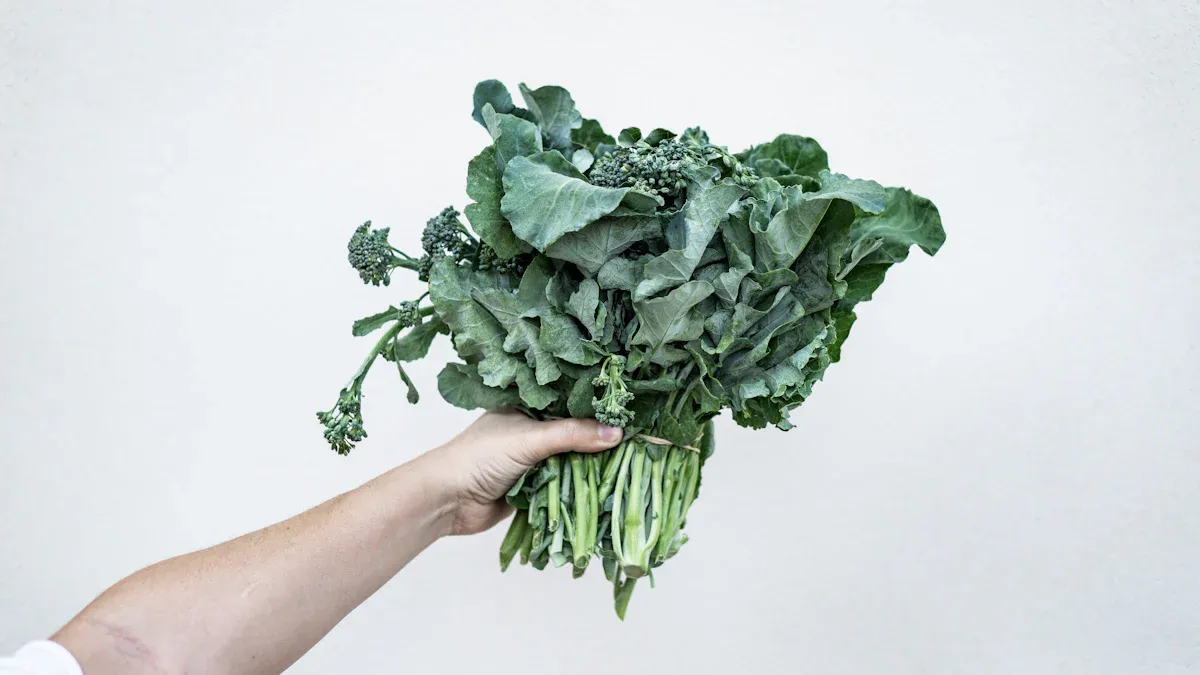
The global shift toward natural antioxidants in 2025 drives cleaner labels, healthier choices, and sustainable growth across food, beauty, and pharma.

Hydroxytyrosol supports youthful skin by boosting collagen, reducing wrinkles, and protecting against aging with powerful antioxidant effects.
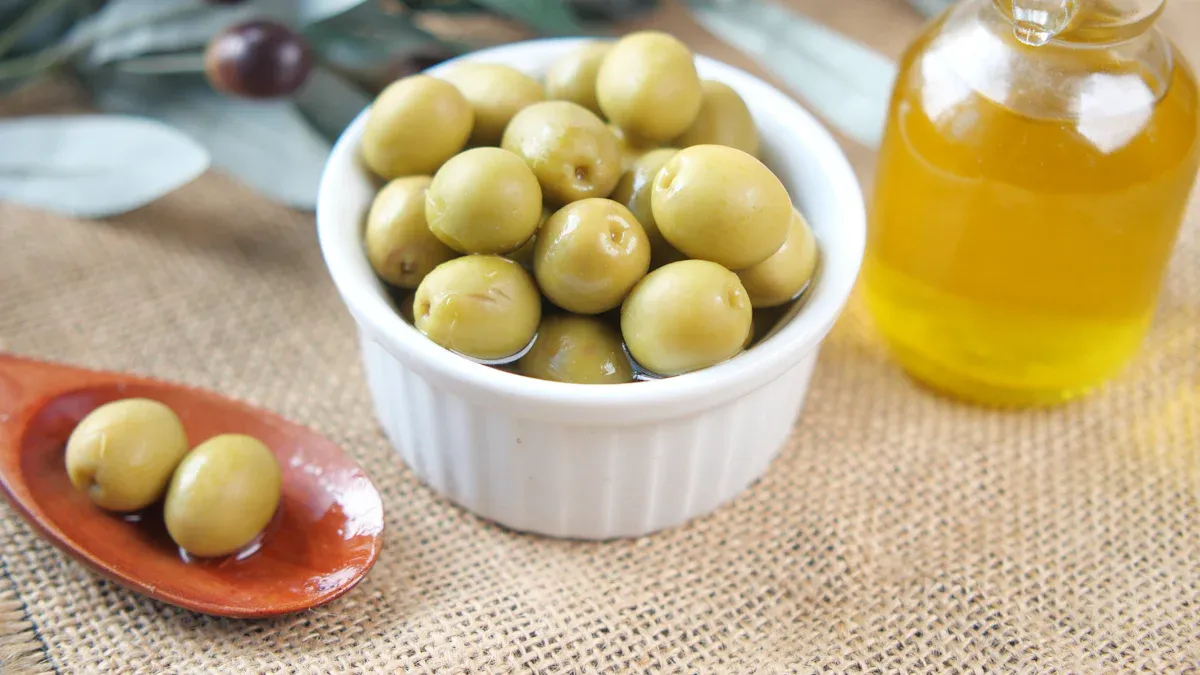
Find the top 10 foods rich in hydroxytyrosol, including olive oil, olives, and more, to boost your antioxidant intake and support overall health.