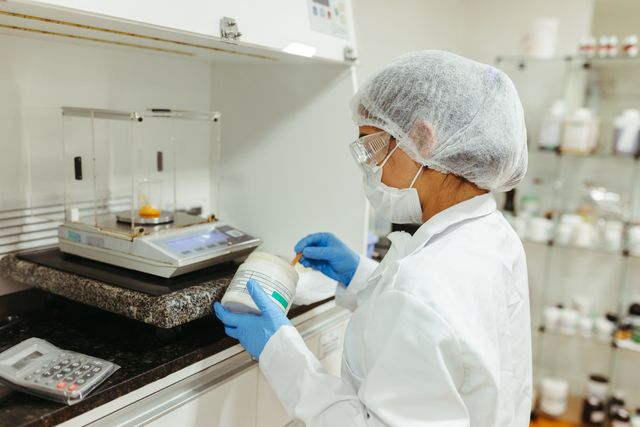
How Malic Acid and Citric Acid Differ in Food Applications
Malic Acid gives foods a smooth, lasting tartness, while citric acid offers a sharp, quick sourness. Compare their roles in flavor and food applications.

Malic Acid gives foods a smooth, lasting tartness, while citric acid offers a sharp, quick sourness. Compare their roles in flavor and food applications.

Malic acid, found in apples and other fruits, adds tart flavor to foods and supports energy, oral, and skin health with safe, natural benefits.

Ethylparaben is used in cosmetics and pharmaceuticals as a preservative to prevent bacteria and fungi growth, helping products stay safe and last longer.

Sodium dehydroacetate is a food additive that preserves freshness by inhibiting bacteria, mold, and yeast without altering taste or color.

Monoglycerides are lipids with one fatty acid linked to glycerol, giving them unique chemical structure and emulsifying properties in food products.
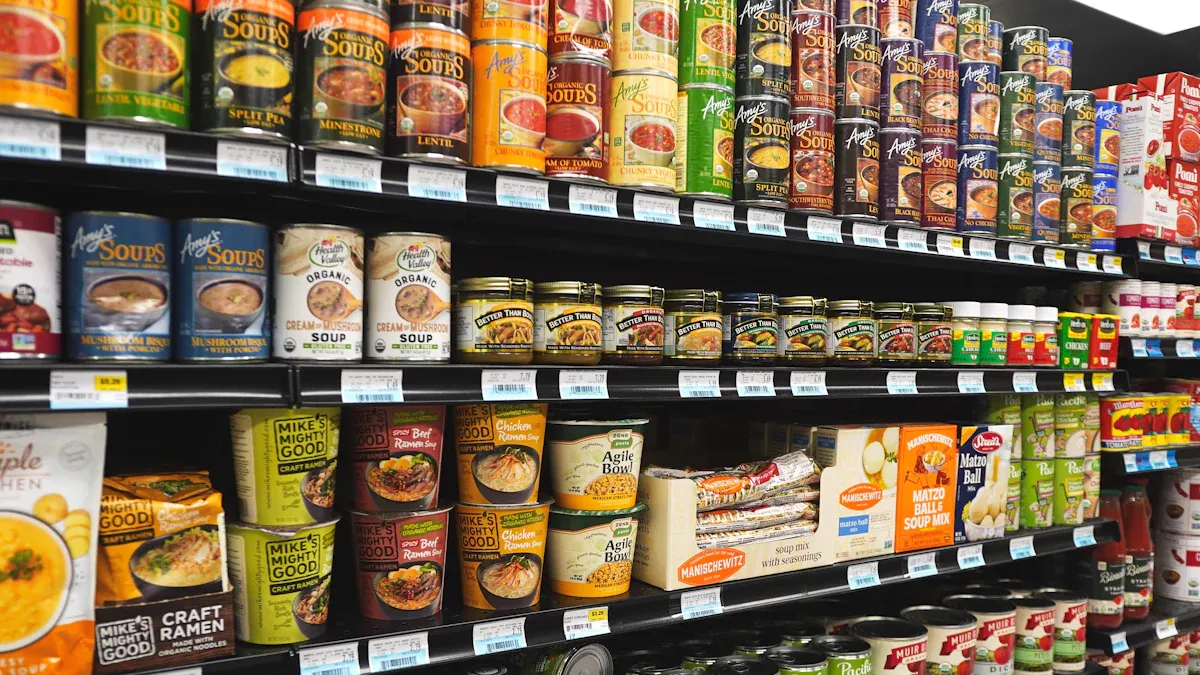
Maltodextrin is generally gluten free and safe for celiac disease, even if made from wheat. Learn how to check labels for gluten-free maltodextrin.
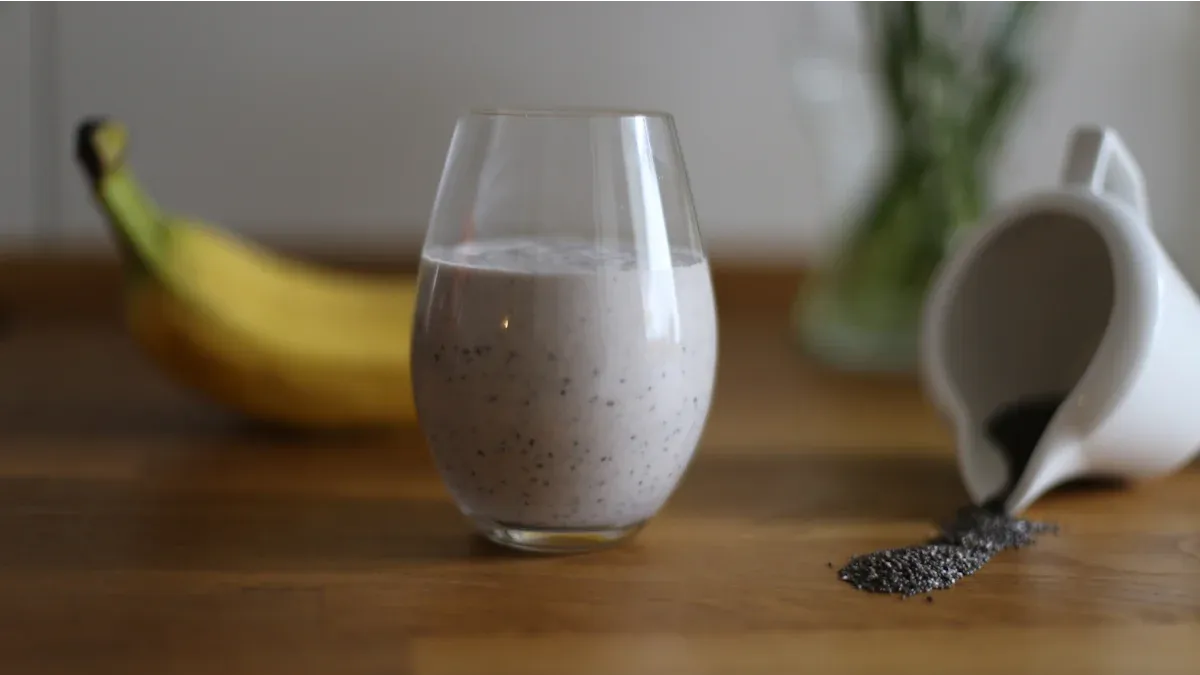
Find the healthiest xanthan gum substitute for gluten-free, vegan, or allergy-friendly baking. Compare natural options for better nutrition and texture.

Ethyl vanillin is 3-4 times stronger than vanillin, offering a sweeter, longer-lasting vanilla flavor for foods, chocolates, and fragrances.
Tell us the ingredient, application and required quantity. Our team will recommend a suitable product and provide a competitive quotation.