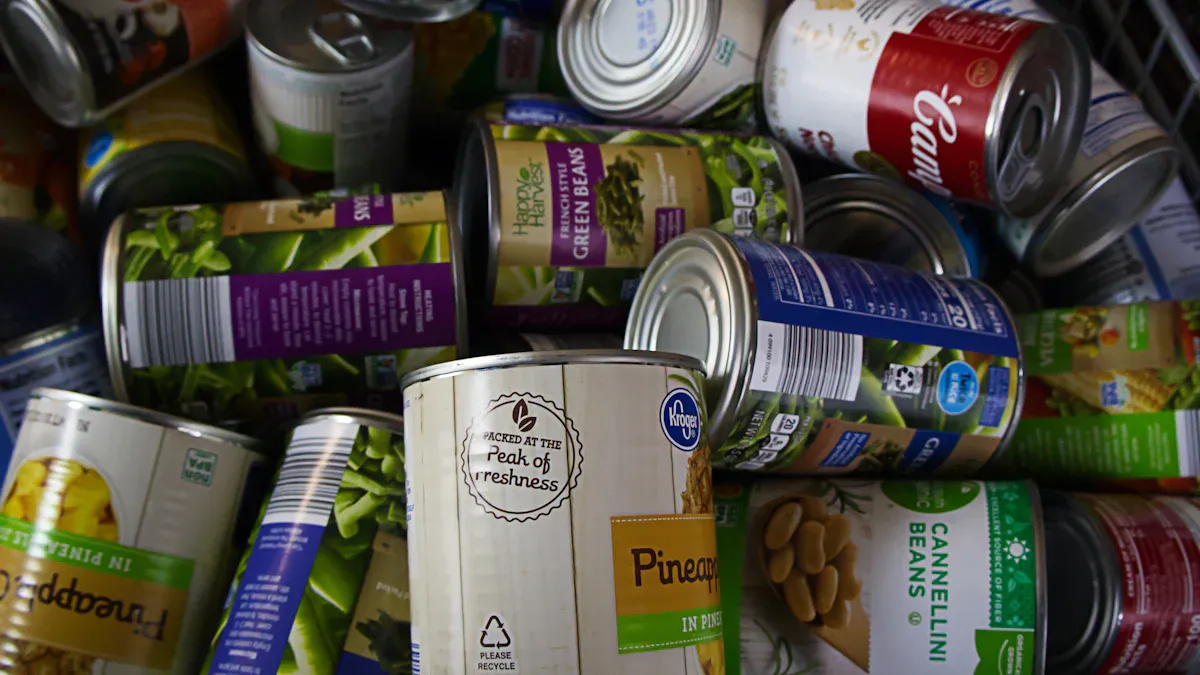
3 Big Benefits and 3 Risks of TBHQ in 2025
TBHQ offers longer shelf life and better flavor but may pose health risks. Find out the top 3 benefits and 3 risks of tbhq in foods for 2025.

TBHQ offers longer shelf life and better flavor but may pose health risks. Find out the top 3 benefits and 3 risks of tbhq in foods for 2025.
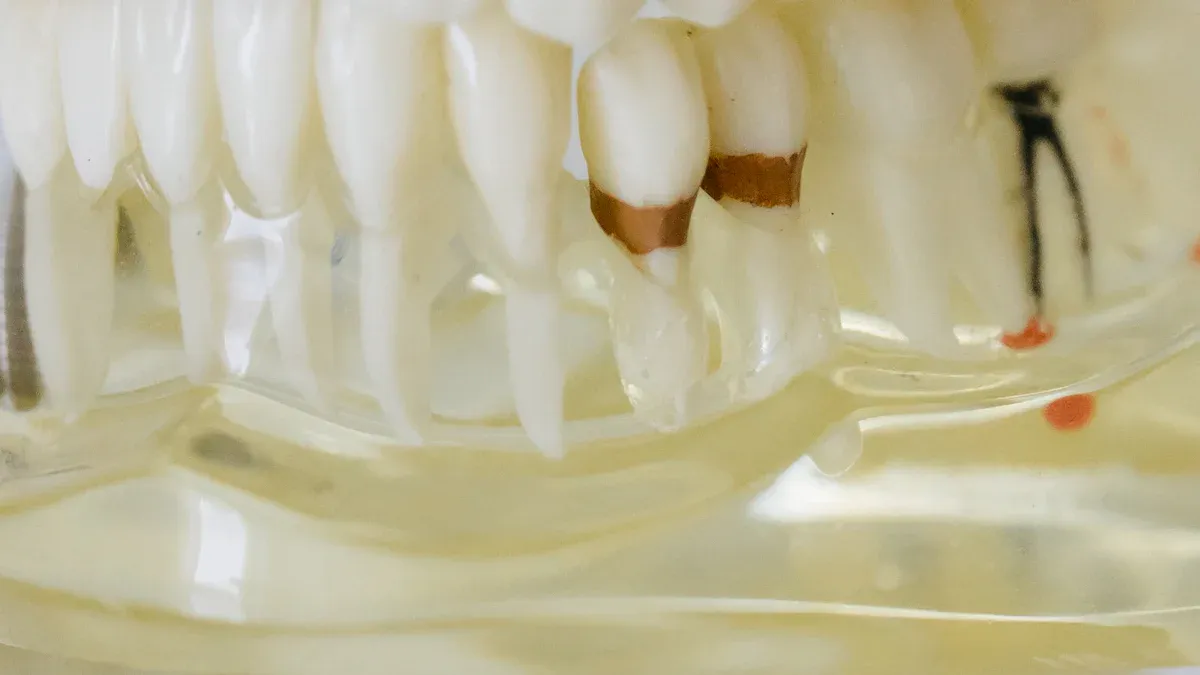
Is sucralose bad for teeth? Sucralose does not cause cavities, but acidic foods with sucralose may still weaken enamel. Check labels for acids.

Sucralose can cause headaches in sensitive people, especially migraine sufferers, though most tolerate it well. Find out if sucralose cause headaches.

Sucralose break fast? Pure sucralose rarely breaks a fast, but blends with fillers may spike insulin and impact ketosis for some people.

Sucralose offers a sugar-like sweetness with minimal aftertaste, while stevia can taste bitter in coffee. See which sweetener best suits your taste.
Malic Acid drives cellular metabolism, energy production, and redox balance, supporting vital biological functions in plants, animals, and microbes.
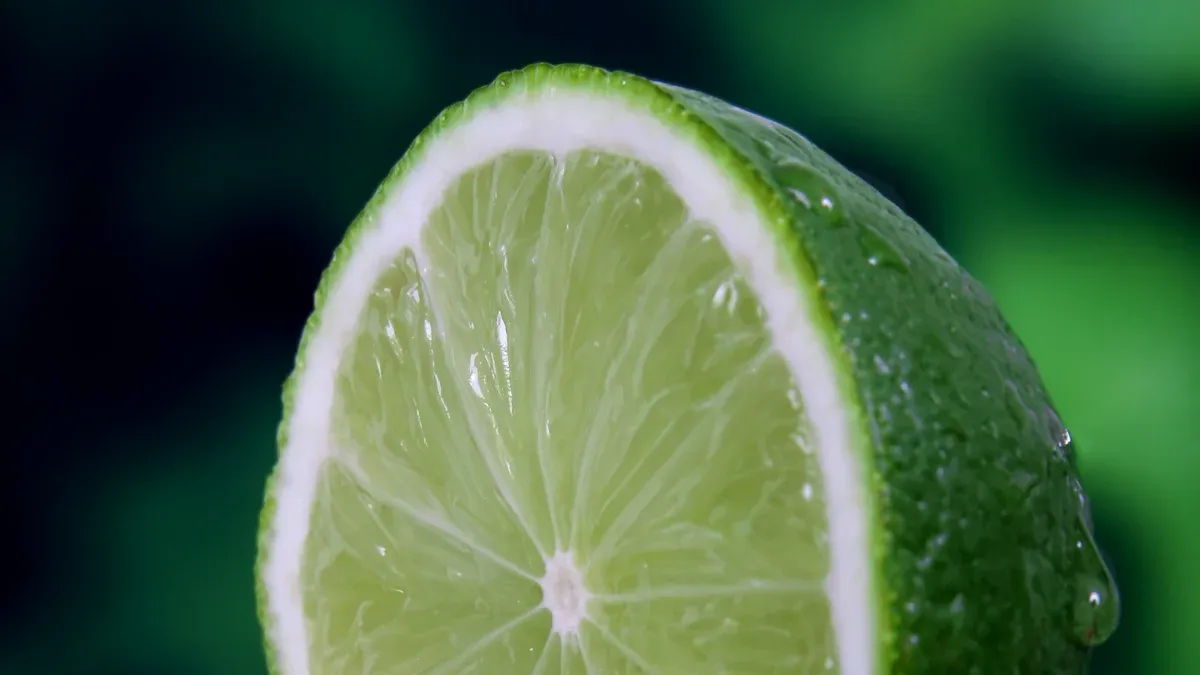
Malic Acid gives foods a smooth, lasting tartness, while citric acid offers a sharp, quick sourness. Compare their roles in flavor and food applications.

Malic acid, found in apples and other fruits, adds tart flavor to foods and supports energy, oral, and skin health with safe, natural benefits.

Ethylparaben is used in cosmetics and pharmaceuticals as a preservative to prevent bacteria and fungi growth, helping products stay safe and last longer.