
What You Need to Know About L-Aspartic Acid
L aspartic acid supports energy, metabolism, muscle health, and is used in food, supplements, and agriculture for overall wellness and performance.

L aspartic acid supports energy, metabolism, muscle health, and is used in food, supplements, and agriculture for overall wellness and performance.

Natural alternatives like citric, malic, and tartaric acids offer safe, clean-label options to replace fumaric acid in food products.

Top Acidulants Compared: Find the best acidulant for taste, solubility, and cost—fumaric, malic, or tartaric acid—for your food or beverage.

Fumaric Acid offers stronger acidity, cost savings, and longer shelf life than citric acid, making it ideal for dry mixes and baked goods in food manufacturing.
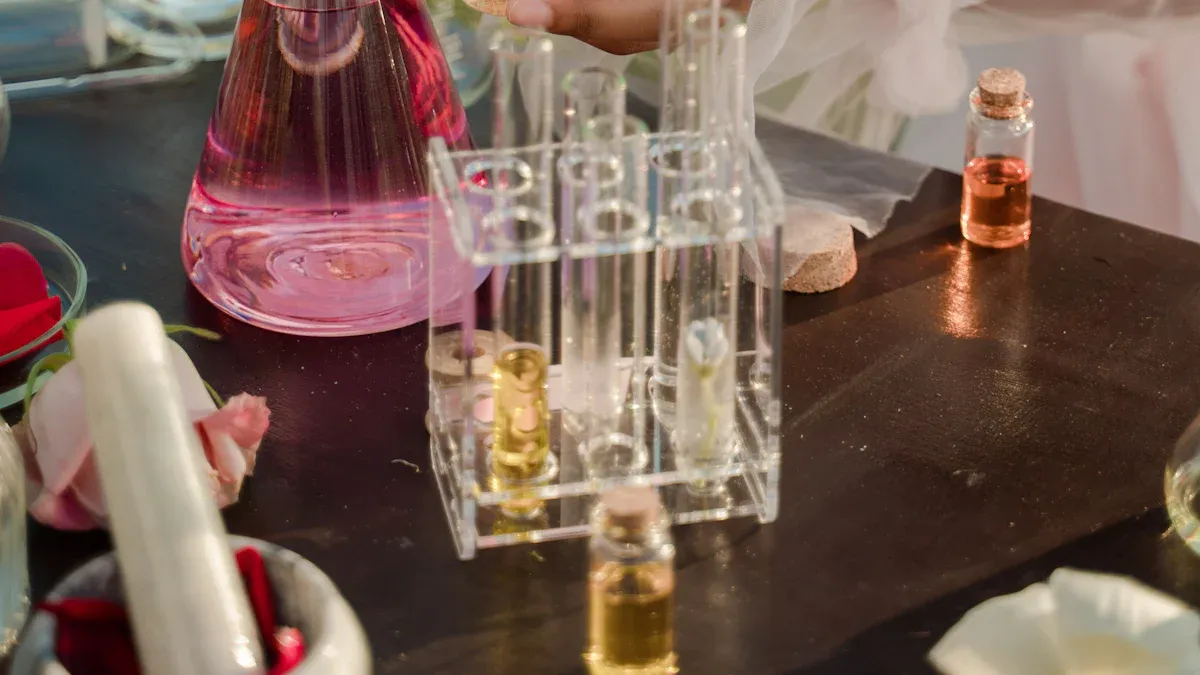
Fumaric acid extends bread shelf life, enhances texture, and adds tangy flavor while acting as a safe, effective preservative in bakery production.

Fumaric Acid Applications include flavor enhancement, shelf-life extension, and health benefits in food, feed, and pharmaceutical products.
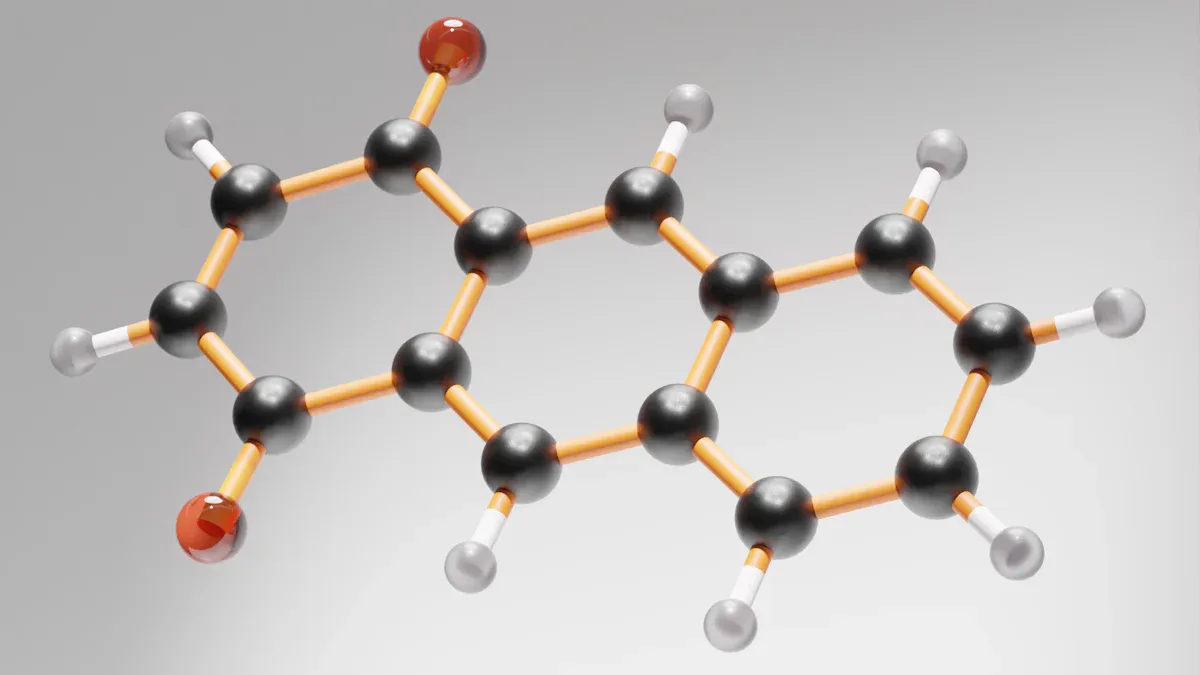
Fumaric acid (E297) regulates acidity, boosts flavor, and preserves food by preventing spoilage, making it a key additive in many products.
Sodium propionate is safe for most people when used in food as approved by the FDA, but some may experience side effects or allergies.

Find the recommended potassium citrate dosage per day, factors affecting your dose, and when to consult your doctor for safe supplementation.