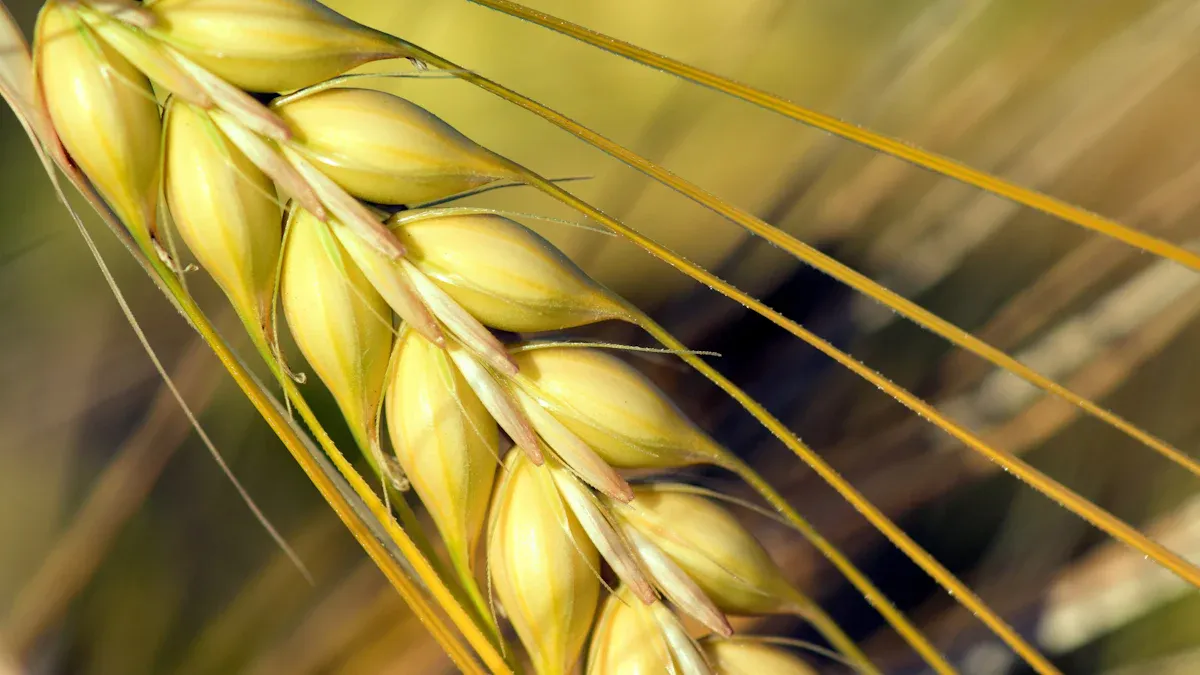
You might ask why bakery bread, bagels, or craft beer taste so good. Barley malt extract is the reason. This ingredient gives a nutty and slightly sweet flavor. It also adds roasted and caramel tastes. It helps baked goods turn brown and stay moist. This happens because of the Maillard reaction and its water-holding power. It is not like honey or maple syrup. It makes a deep color and a rich taste. Try foods with barley malt extract. You might find out why you love these treats.
Key Takeaways
Barley malt extract gives food a nutty and sweet taste. It makes baked goods and drinks taste better. This ingredient helps food feel soft and look nice. It makes baked items have a golden crust. It also keeps them moist. Barley malt extract can be used in many ways. You can use it for baking, brewing, or cooking. It is useful in lots of recipes. You can pick liquid or dry barley malt extract. Choose the one that fits your recipe. Each type has its own good points and ways to store it. Adding barley malt extract to food makes it healthier. It gives important vitamins, minerals, and antioxidants.
Barley malt extract basics

What is barley malt extract?
Barley malt extract is in lots of foods and drinks. It comes from barley grains. First, the grains soak in water to start sprouting. Then, heat dries them to keep good enzymes. The grains get crushed to show the starches inside. Next, you mix them with hot water. This step is called mashing. It lets out sugars and enzymes. The liquid that comes out is called wort. The wort gets separated from the solid grains. After that, the liquid is boiled down. This makes a thick syrup or a dry powder.
Tip: Barley malt extract has about 39% to 42% maltose. Maltose is a sugar that tastes gently sweet.
Types and forms
Barley malt extract comes in a few types and forms. There are two main types: diastatic and non-diastatic. Diastatic malt has enzymes that help dough rise. Non-diastatic malt makes things sweeter and darker but does not help dough rise.
Type | Characteristics | Uses in Baking |
|---|---|---|
Diastatic Malt | Contains enzymes that help dough rise faster | Enhances fermentation and dough texture |
Non-Diastatic Malt | Boosts sweetness and color but does not aid in rising | Primarily for flavor and color |
You can pick liquid malt extract (LME) or dry malt extract (DME). LME has a stronger taste but can go bad if not stored right. DME is easier to use and lasts longer. DME has less water, so it does not spoil fast.
Feature | Liquid Malt Extract (LME) | Dry Malt Extract (DME) |
|---|---|---|
Shelf Life | Up to 2 years under ideal conditions | Can last up to 2 years without quality changes |
Flavor | Fuller flavor but can develop off flavors over time | Easier to measure, less prone to off flavors |
Storage Issues | Darkens and degrades if not stored properly | Clumps due to hygroscopic nature, but better shelf life |
Note: You can buy organic barley malt extract if you want something natural.
Nutritional and functional properties
Barley malt extract gives more than just sweetness. It has reducing sugars, proteins, and maltose. You also get vitamins like B2, B3, and B6. It has minerals like iron, calcium, and potassium. Barley malt extract does not have fructose like other sweeteners. It gives you antioxidants that help your body.
Component | Percentage Range |
|---|---|
Reducing Sugars | 54-73% |
Proteins | 1-6% |
Nutritional Component | Barley Malt Extract | Other Sweeteners |
|---|---|---|
Antioxidants | High (polyphenols) | Low |
Protein | Present | Absent |
Essential Amino Acids | Present | Absent |
Vitamins | B2, B3, B6 | None |
Minerals | Iron, Calcium, Potassium | None |
Fructose | Absent | Present |
Barley malt extract helps baked goods turn brown and stay soft. It makes food taste and feel better. You can use it for baking, brewing, or cooking. This ingredient is special because it adds nutrition and helps your recipes work better.
Why barley malt extract stands out
Natural sweetness and flavor
When you eat foods with barley malt extract, you taste a gentle sweetness. This sweetness mostly comes from maltose. Maltose is not as sweet as honey or molasses. Honey and molasses have more sucrose, so they taste sweeter. Barley malt extract gives a mild, malty flavor. It does not cover up other flavors in your food. The taste comes from many different compounds. Scientists found 97 volatile compounds in barley malt extract. Some important ones are:
1-penten-3-ol
decanal
ethyl butyrate
ethyl acetate
ethyl isovalerate
isoamyl acetate
dimethyl sulfide
Aldehydes are the most common group of these compounds. They help make the special smell and taste in baked goods and drinks.
Enhancing texture and color
Barley malt extract does more than add flavor. It helps bread and bagels get a golden-brown crust. The sugars in the extract react during baking to make this color. You also get a soft and moist texture. The extract keeps water in the dough. This helps baked goods stay fresh longer.
Tip: Add barley malt extract to make your recipes look and feel better.
Versatility in recipes
Barley malt extract works in many recipes. You can use it in sweet or savory foods. Here are some ways to use it:
Brewing (beer)
Candies
The extract is a natural sweetener and flavor booster. It also helps with moisture, texture, and color in baked goods. In brewing, it gives the sugars needed for fermentation.
Advantage | Description |
|---|---|
Natural Sweetener | Gives a mild, malty sweetness and a lower glycemic index than refined sugars. |
Enhances Flavor | Makes baked goods, drinks, snacks, and cereals taste better. |
Baking and Brewing Uses | Adds moisture, texture, and color in baking; gives sugars for fermentation in brewing. |
Now you know why many bakers and brewers pick barley malt extract as their secret ingredient.
Barley malt extract in recipes

Baking applications
You can use barley malt extract to make your baked goods taste better and last longer. When you add it to bread, bagels, or cookies, you get a soft crumb and a golden crust. The extract helps the dough hold water, which keeps your bread fresh. It also boosts fermentation, so your bread rises well and has a nice texture.
You will notice improved crumb texture in your bread and bagels.
Your baked goods will stay moist and fresh for more days.
The extract gives a rich color and a gentle sweetness.
Many bakers use barley malt extract in bagel dough. It helps bagels get a shiny, brown crust after boiling and baking. You can also add it to cookies for a deeper flavor and better browning.
Tip: If you want your bread to last longer on the shelf, add barley malt extract to your recipe.
Brewing uses
Barley malt extract plays a key role in brewing beer. You need sugars for yeast to make alcohol and bubbles. The malting process turns starches into sugars that yeast can use. When you use the extract, you give yeast the food it needs to start fermentation.
The extract provides sugars for yeast fermentation.
It helps create alcohol and carbonation in beer.
The type of malt you choose changes the flavor and alcohol content.
Two-row and six-row barley malts give different results. Six-row malt has more fermentable sugars, so you get more alcohol. It also has more volatile compounds, which means a richer flavor. The amino acids in the malt affect the taste of your beer. If you want a strong, flavorful beer, pick a malt with more sugars and volatiles.
Other foods
Barley malt extract is not just for bread and beer. You can find it in many foods you eat every day. It adds sweetness, color, and nutrition to cereals, granola, sauces, and more.
Product Type | Description |
|---|---|
Cereal + Granola | Improve taste, eye appeal, processing, and label with natural, specialty ingredients. |
Briess Standard Malt Extract | Pure malt extracts providing varying levels of sweetness, flavor, and color from malted barley. |
Specialty Malt Flours | Whole grain flours for flavor adjustment and browning, made from 100% pure malted barley. |
Gravy, Sauce + Condiments | Another category where barley malt extract may be used. |
You will see barley malt extract in breakfast cereals, bars, breadsticks, pasta, crackers, and even baby food. It boosts nutrition in these foods. For example, breakfast cereals with barley malt extract have more protein, magnesium, riboflavin, niacin, and vitamin B6.
Nutrient | Amount per 100g | RDA Percentage |
|---|---|---|
Protein | 8% | N/A |
Magnesium | >20% | >20% |
Riboflavin | >20% | >20% |
Niacin | >20% | >20% |
Vitamin B6 | >20% | >20% |
“…the addition of naked barley flour affects the nutritional value of the product by increasing the content of antioxidants and soluble fiber (β-glucan)…”
You can use barley malt extract to make sauces and gravies taste richer. It also helps cereals and granola look more appealing and taste better. If you want to add nutrition and flavor to your recipes, try using this ingredient.
Using barley malt extract at home
Practical tips
You can get the best results from barley malt extract by following a few simple steps. Measure the extract carefully because it is sticky and thick. Use a spoon dipped in warm water to help the extract slide off easily. Mix the extract into your dough or batter until it blends well. This helps you avoid lumps and makes sure the sweetness spreads evenly. If you use the extract in bread, add it with your wet ingredients. For brewing, dissolve it fully in warm water before adding it to your brewpot.
Tip: Store your extract in a cool, dry place. Keep the lid tight to prevent moisture and spoilage.
Dos and don’ts
You can avoid common mistakes by following these dos and don’ts:
Use fresh malt extract to avoid stale flavors and darkening of color.
Stir well to prevent scorching of the extract at the bottom of the brewpot.
Minimize boiling time of thick wort to reduce the risk of Maillard reactions that darken the wort.
If you follow these steps, you will get better color and taste in your recipes.
Substitutions
Sometimes you may want to swap between liquid and dry forms of malt extract. Use the table below to help you make the right choice for your recipe:
Ingredient Type | Amount Needed for 1 lb | Conversion Factor |
|---|---|---|
Malt Syrup | 1 lb | 0.85 lb dried malt |
Dried Malt | 0.85 lb | 1.2 lb syrup |
If you do not have barley malt extract, you can try honey or molasses. These substitutes will change the flavor and color of your food. Always adjust the amount to match the sweetness and texture you want.
Finding barley malt extract
Shopping tips
You can buy barley malt extract at many stores and online. Look for it in the baking or brewing aisle. Pick a trusted brand for better quality. Briess is a well-known supplier. They have made malt for brewers since 1876. People trust them for pure and special malt extracts.
When you shop, check out different brands. Each brand has its own features. The table below lists what to think about:
Factor | Influence on Extract Level |
|---|---|
Genetics | Major influence |
Environment | Indirect influence |
Malting Practice | Significant variation |
Soluble Protein | 79% variation |
Barley Protein | 74.3% variation |
1000-Kernel Weight | Contributes to extract level |
Diastatic Power | Affects extract quality |
Spike Morphology | Important characteristic |
Husk Thickness | Influences extract quality |
Grain Size | Affects extract potential |
Cell Wall Polysaccharides | Important for extract level |
Tip: Read the label for organic or non-diastatic if your recipe needs it.
Product forms
Barley malt extract comes in liquid and dry forms. Each form works best for certain recipes. Liquid malt extract is simple to use in baking and brewing. You can add it right to dough or wort. Many cooks use liquid malt extract to make meat softer. It makes food juicy and tasty.
Dry malt extract is stronger than liquid. You must measure it with care. When using dry malt extract, change your recipe. It does not swap evenly with liquid. Use a conversion calculator for the right amount.
Form | Application in Recipes | Conversion Notes |
|---|---|---|
Liquid Malt Extract | Used directly in recipes, especially in brewing and baking. | N/A |
Dry Malt Extract | Needs conversion ratios when replacing liquid malt extract. | Not a 1:1 substitution; use a calculator. |
Dry malt extract is strong, so measure it carefully.
Pick the form that matches your recipe and how you store things. Both types help you make tasty food and drinks at home.
You can make new tastes and textures at home with barley malt extract. This ingredient gives food a deep color and a light sweetness. It also helps your health in these ways:
Benefit Type | Description |
|---|---|
Keeps your cells safe and helps your body stay strong. | |
Prebiotic Effects | Supports a healthy stomach. |
Antimicrobial Activity | Stops bad bacteria from growing. |
Try using it in easy bread or drinks. You may find your own special ingredient for tastier and healthier food.
FAQ
What does barley malt extract taste like?
You will notice a mild, malty sweetness. The flavor feels rich and slightly nutty. It does not overpower other ingredients. Many people describe it as warm and comforting.
Can you use barley malt extract if you have gluten sensitivity?
Barley malt extract contains gluten. You should avoid it if you have celiac disease or gluten intolerance. Always check food labels for hidden sources of gluten.
How do you store barley malt extract?
Keep your extract in a cool, dry place. Seal the container tightly after each use. Liquid extract can go in the fridge for longer freshness. Dry extract stays good in a pantry.
Is barley malt extract the same as malt syrup?
Barley malt extract and malt syrup often mean the same thing. Both come from malted barley. Some brands may use different names, so check the label for ingredients.
What can you substitute for barley malt extract in recipes?
You can use honey, molasses, or brown rice syrup as substitutes. Each one changes the flavor and color of your food. Adjust the amount to match the sweetness you want.